Loading video…

 11 Concepts
 3.7K views

Video Summary: What Is Inventory Management
Inventory management becomes a critical blind spot for managers the moment a product shortage stalls operations or excess stock quietly drains the budget. Understanding what is inventory management, and how to apply it operationally, helps managers balance supply with demand before problems escalate. Master the basics of inventory control to protect team performance, cash flow, and customer commitments. Watch the full video on JoVE Coach to master this concept with expert-led visuals and step-by-step explanations.
Picture this: a production team lead realizes mid-week that a critical component is running dangerously low. Orders are already in the pipeline, customer shipments are scheduled, and now the entire output plan is at risk, not because of a market shift or a people problem, but because no one had a reliable system for tracking what was on the shelf. This is the operational reality that inventory management is designed to prevent. For managers overseeing any function that touches physical goods, materials, or supply chain activity, inventory management is not a back-office function, it is a frontline leadership responsibility.
Most managers stepping into operations or supply chain roles focus heavily on team performance and output targets, but underestimate the structural role that inventory plays in enabling both. Inventory control, the discipline of monitoring, adjusting, and optimizing stock levels, is often treated as a system problem rather than a management problem. In reality, poor inventory control reflects unclear ownership, weak forecasting habits, and siloed communication between teams. When procurement, production, and distribution are not aligned around the same inventory data, the entire operation becomes reactive.
The deeper issue is that the cost of getting inventory wrong is often invisible until it becomes a crisis. Excess stock does not trigger an alarm, it simply ties up capital and occupies warehouse space. Understocking, on the other hand, creates a visible and urgent problem: delayed shipments, frustrated customers, and a team scrambling to compensate.
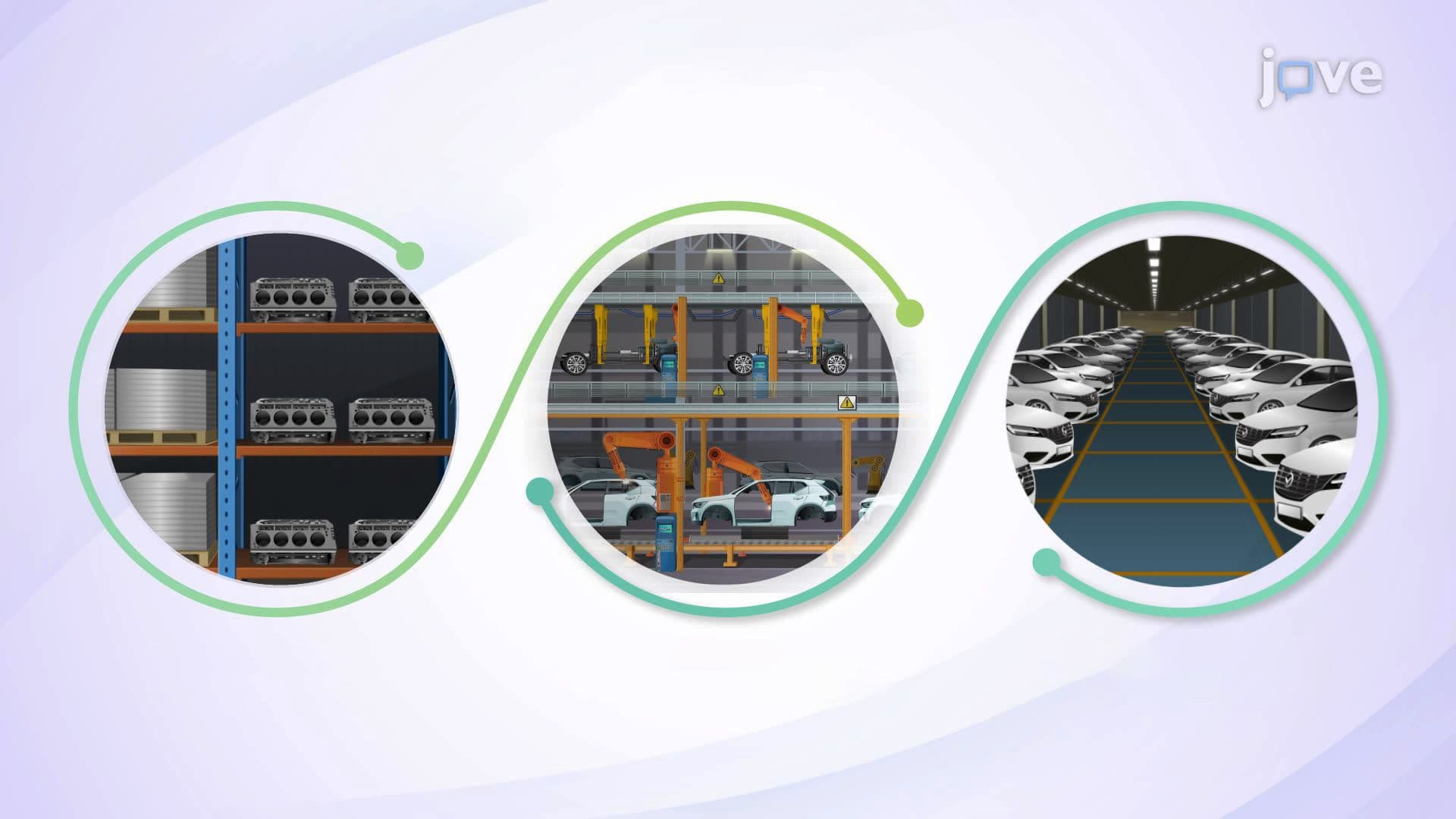
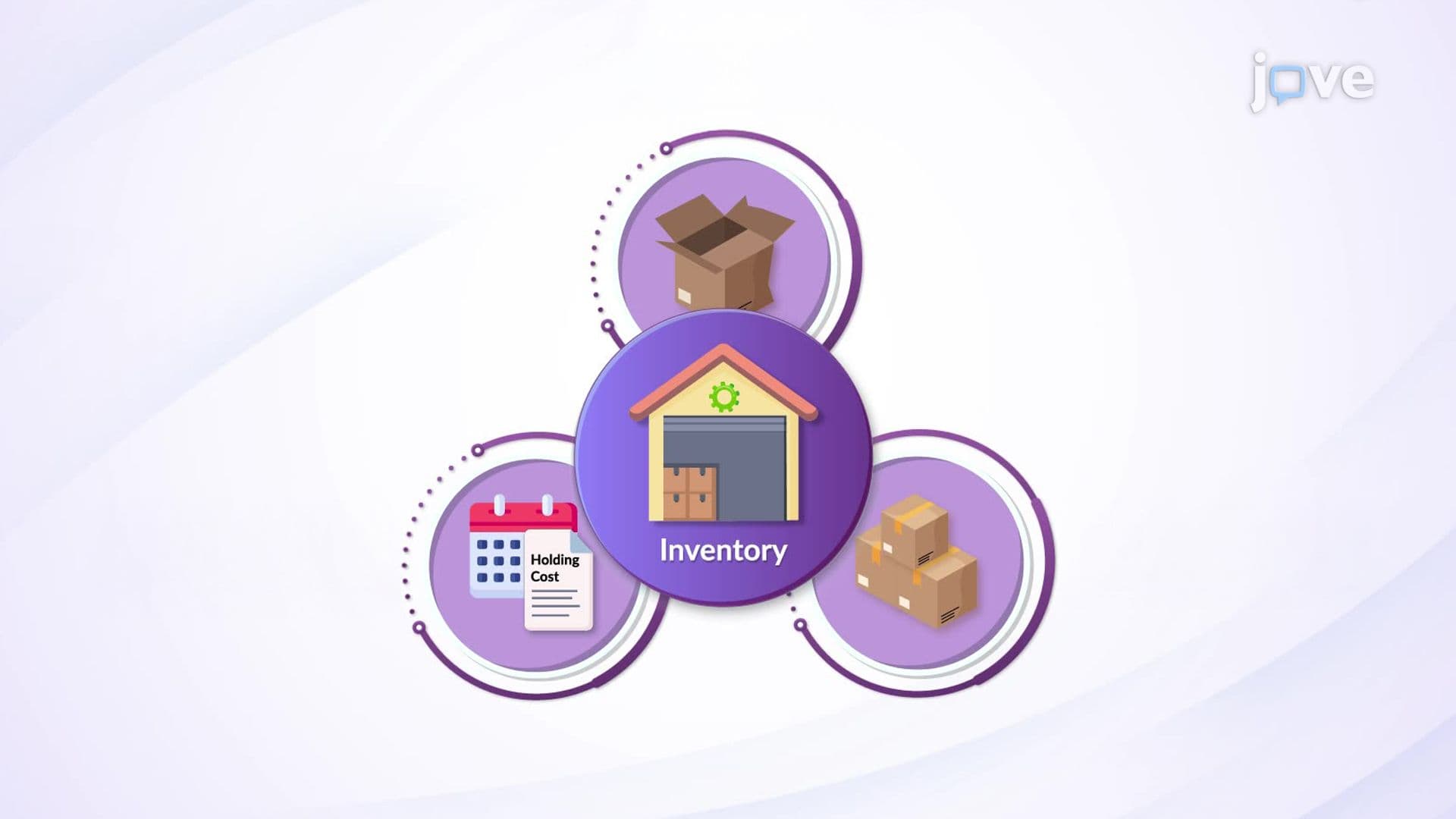
One of the most practically useful frameworks for managers new to inventory management is thinking in three tiers: inputs (raw materials), in-process (work-in-progress), and outputs (finished goods ready for delivery). Each tier requires a different management approach.
At the input level, the key discipline is lead time awareness, understanding how long it takes to replenish materials and building that buffer into ordering cycles. At the in-process level, managers should track conversion rates and identify bottlenecks that slow production throughput. At the output level, the focus shifts to alignment with customer demand and delivery commitments.
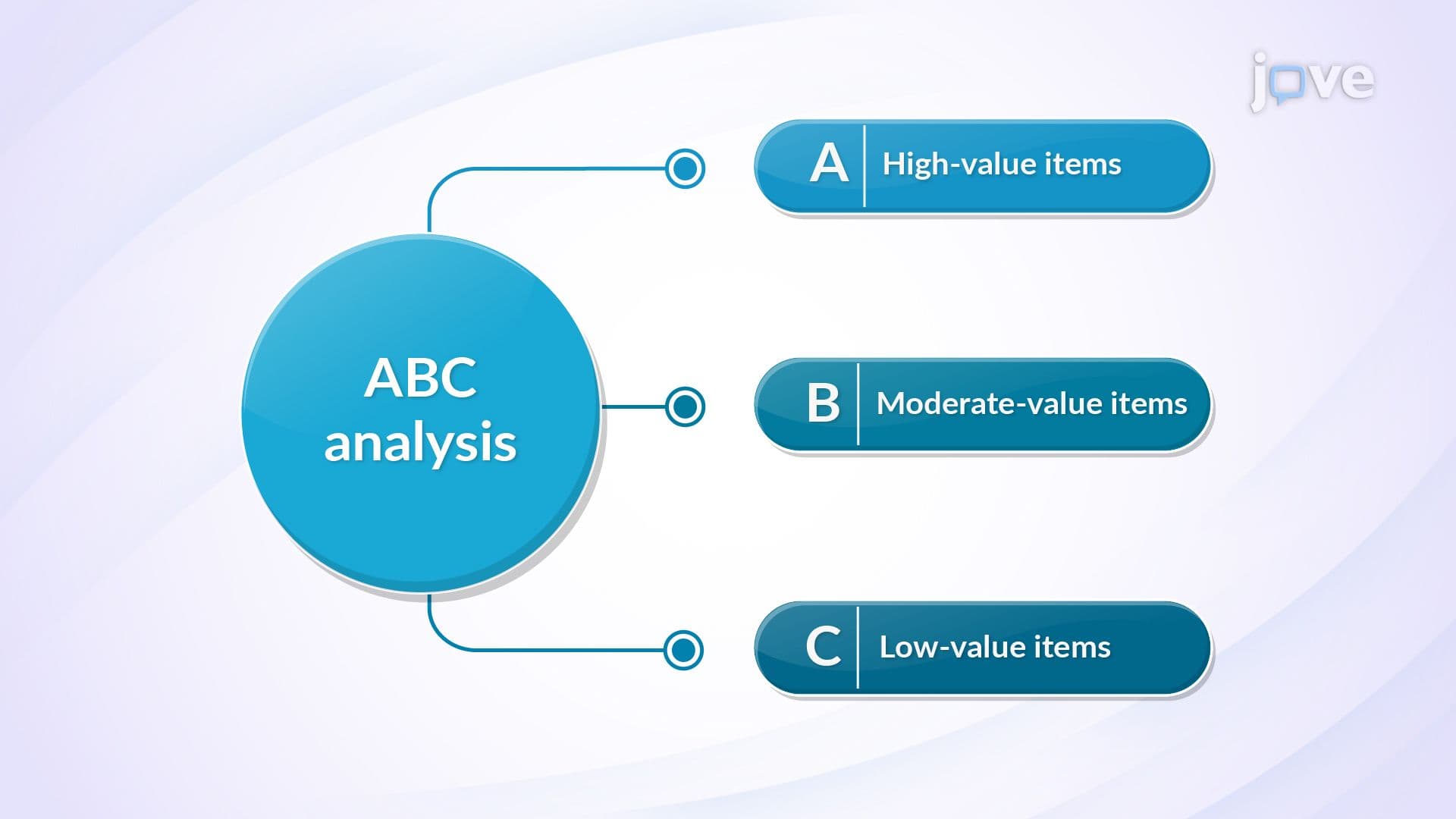
Pair this with a simple ABC analysis, categorizing inventory items by value and turnover rate, and your team gains an immediately actionable prioritization tool. High-value, fast-moving items (Category A) warrant tight monitoring and frequent review. Lower-value, slow-moving items (Category C) can be managed with less frequency and less capital investment.
The most common mistake managers make is relying on historical ordering patterns without stress-testing them against current demand signals. Seasonal shifts, supply chain disruptions, or changes in customer behavior can make last year's data a dangerously unreliable guide.
A second mistake is treating inventory management as a solo function. Effective inventory control requires regular structured communication, a brief weekly cross-team check-in between procurement, production, and fulfilment is often enough to catch misalignments before they become costly. Apply a RACI model to clarify who is Responsible, Accountable, Consulted, and Informed at each inventory decision point. This eliminates the ambiguity that causes things to fall through the cracks.
Finally, avoid the trap of optimizing for a single metric. Managers who focus only on reducing stock levels can inadvertently create stockout risk. The goal is balance, and that balance requires visibility, communication, and a team that knows what to monitor and when to escalate.
Related Micro-courses