Loading video…


 11 Concepts
 3.7K views

Video Summary: What Is Weighted Average Costing
Weighted average costing becomes critical when managers responsible for inventory-heavy operations need to report consistent, defensible costs despite supplier price swings. The average cost method smooths out volatility by spreading total inventory costs evenly across all available units, giving you a reliable cost-per-unit figure for financial reporting and pricing decisions. Understanding weighted average inventory protects your team from reactive, batch-by-batch cost chaos. Watch the full video on JoVE Coach to master this concept with expert-led visuals and step-by-step explanations.
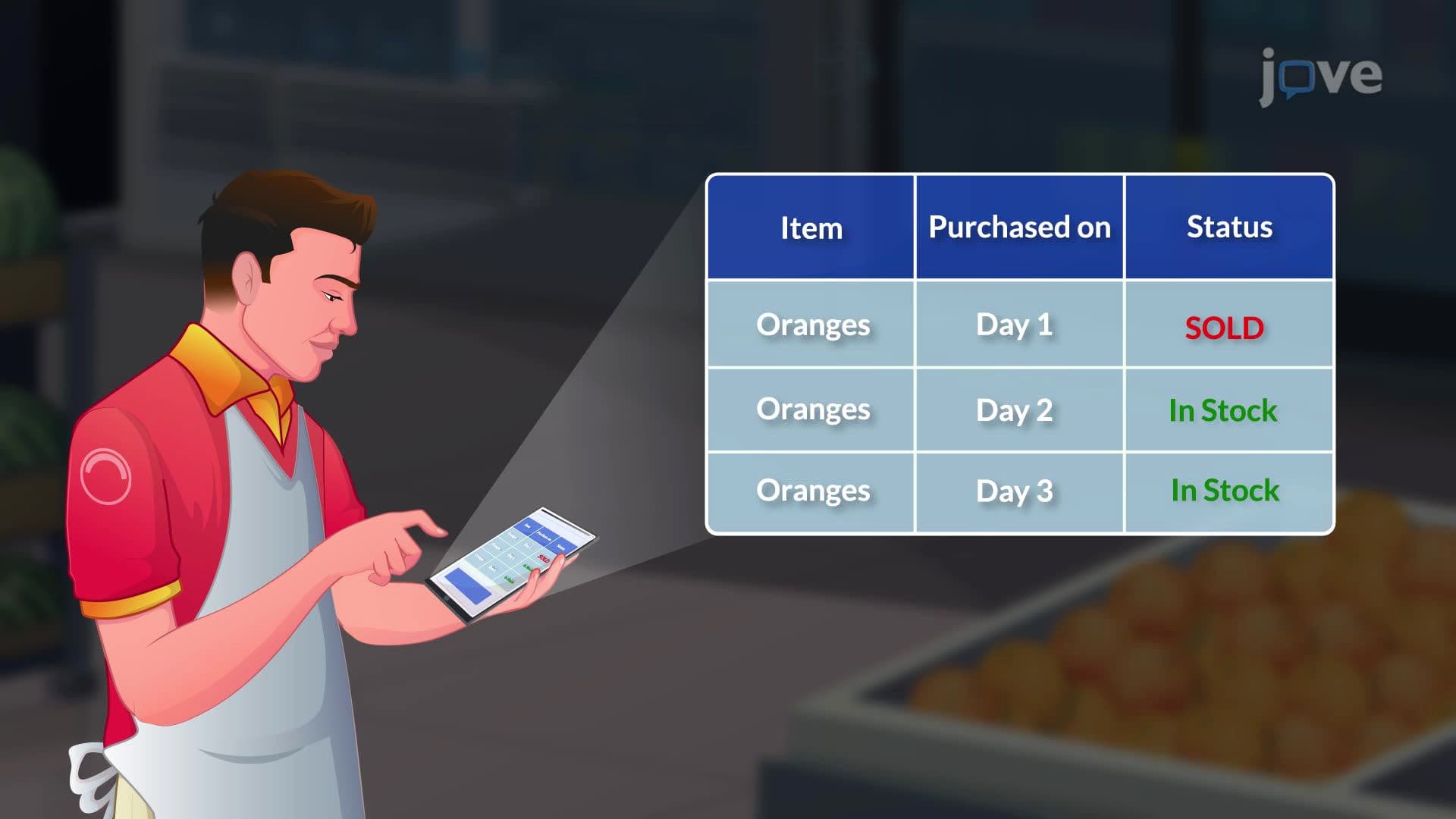
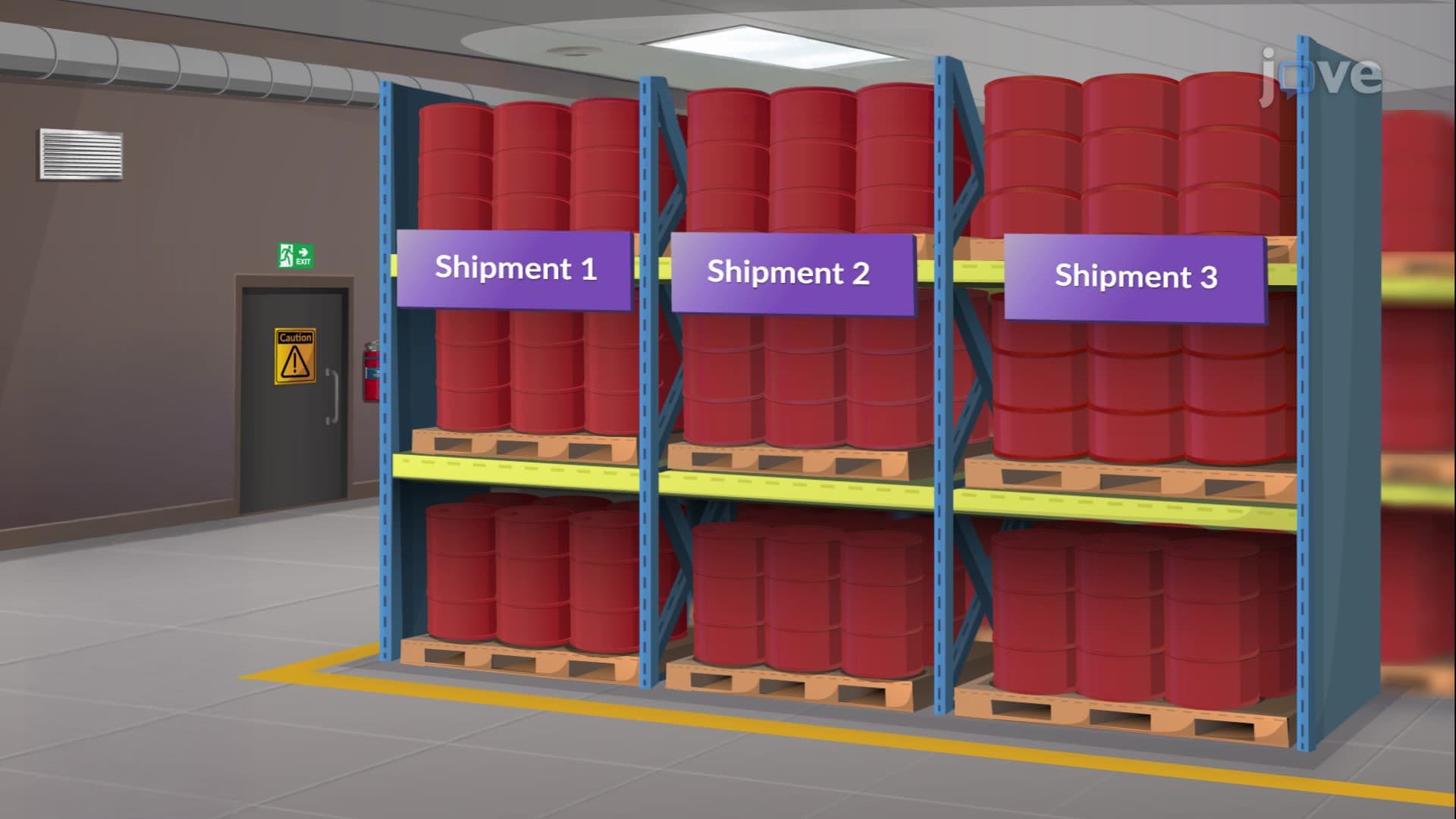
Picture this: your operations team has just processed three separate purchase orders for the same product, each at a different unit price because supplier costs shifted over the quarter. Now your finance partner is asking for the cost of goods sold, and two people on your team are using different batch prices to calculate it. The numbers don't reconcile, the report is delayed, and trust in your team's financial accuracy takes a hit. This is exactly the problem that weighted average costing, also called the average cost method, is designed to solve.
Most managers in operations, supply chain, or product-adjacent roles understand intuitively that costs vary by batch. The challenge is translating that variability into a single, consistent number that finance, leadership, and external auditors can rely on. Without a standardized method, individual team members default to whatever price feels most recent or most convenient, creating reporting inconsistencies that compound over time.
The average cost method resolves this by anchoring your entire inventory valuation to one calculated figure: total cost of all available inventory divided by total units available. It's not about ignoring price differences, it's about building a defensible, auditable baseline your whole team can work from.
Think of implementing the average cost method through a simple three-step operational framework:
1. Aggregate, At each inventory replenishment cycle, collect the total cost paid across all batches and the total number of units received. This is your raw input. 2. Calculate, Divide the total combined cost by the total unit count to produce your weighted average cost per unit. This figure becomes the team's working standard for that period. 3. Apply consistently, Use this single cost-per-unit figure across all inventory movement, cost of goods sold, ending inventory valuation, and margin reporting, until the next recalculation point.
This mirrors the discipline found in frameworks like standard costing in operational finance, where the goal is reducing noise in cost data so that decision-making can happen on signal, not variance.
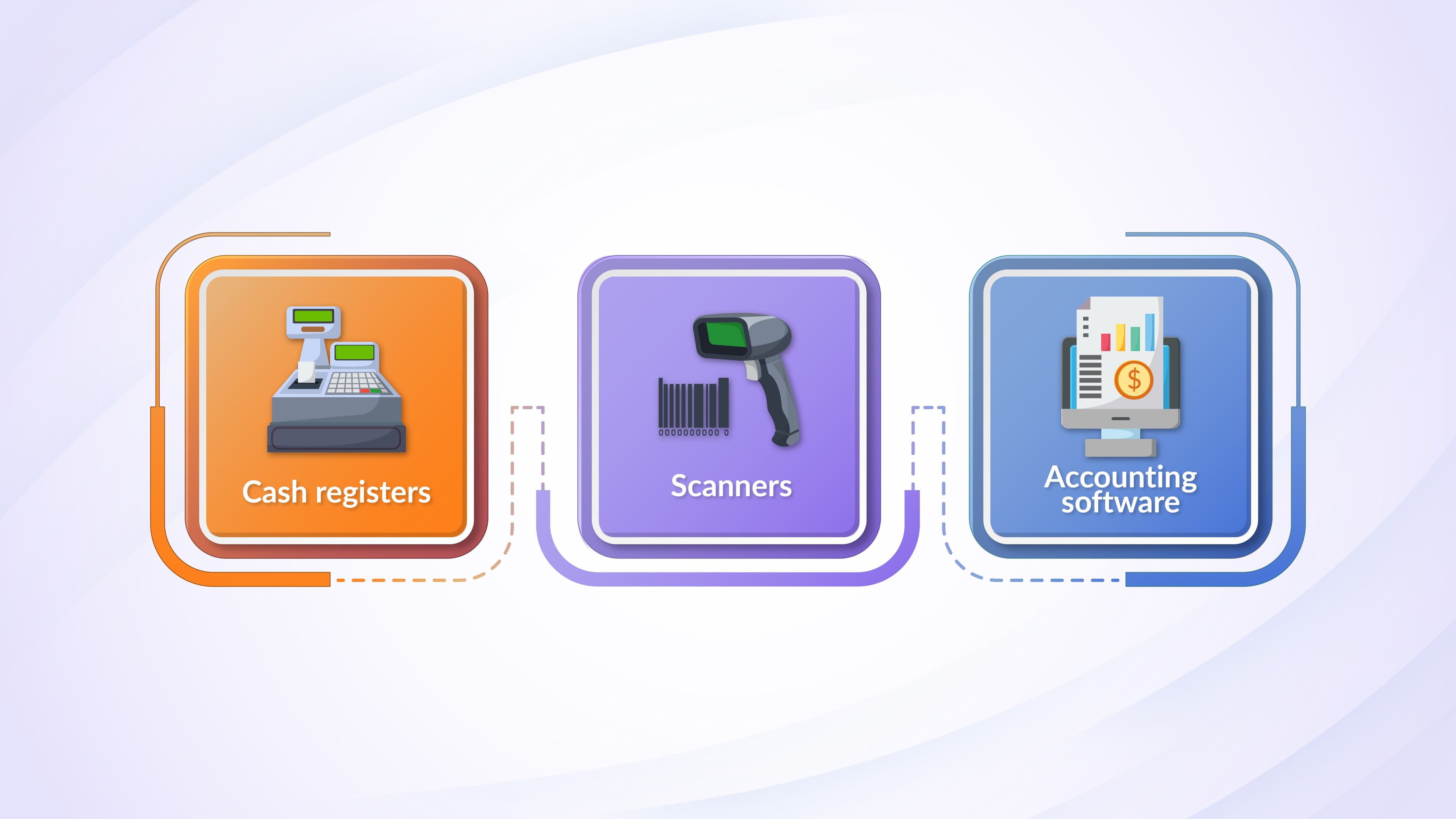
If you manage a team that handles both procurement and reporting, consider building this calculation into a shared tracker or dashboard updated at each purchase event. This removes individual judgment from the equation and ensures your team produces consistent outputs regardless of who runs the numbers on any given day.
A common decision managers face is whether to use weighted average inventory or the FIFO (First In, First Out) method. FIFO assumes the earliest-purchased units are sold first, which can produce higher reported profits during inflationary periods, but also higher tax exposure and more volatile cost-of-goods-sold figures.
The average cost method, by contrast, is better suited to environments where:
As a manager, your choice between these methods should be guided by your finance team's reporting requirements and your organization's inventory characteristics, not just convenience. If you're stepping into a new role or inheriting a team's reporting process, clarifying which method is already in use, and why, is one of the first operational questions worth asking.
The most frequent error managers make with weighted average costing is recalculating inconsistently, running the weighted average after some purchase events but not others, or mixing batch-specific costs with averaged costs in the same reporting period. This creates a hybrid approach that satisfies neither method's logic and produces unreliable outputs.
A second mistake is failing to re-anchor the weighted average when a significant new batch arrives at a dramatically different price. The calculation should be refreshed to incorporate new inventory, not carried forward indefinitely from a prior period. Build a clear trigger into your team's workflow, for example, recalculate at every new purchase receipt, so the process is automatic, not discretionary.
Related Micro-courses