Loading video…

 11 Concepts
 3.7K views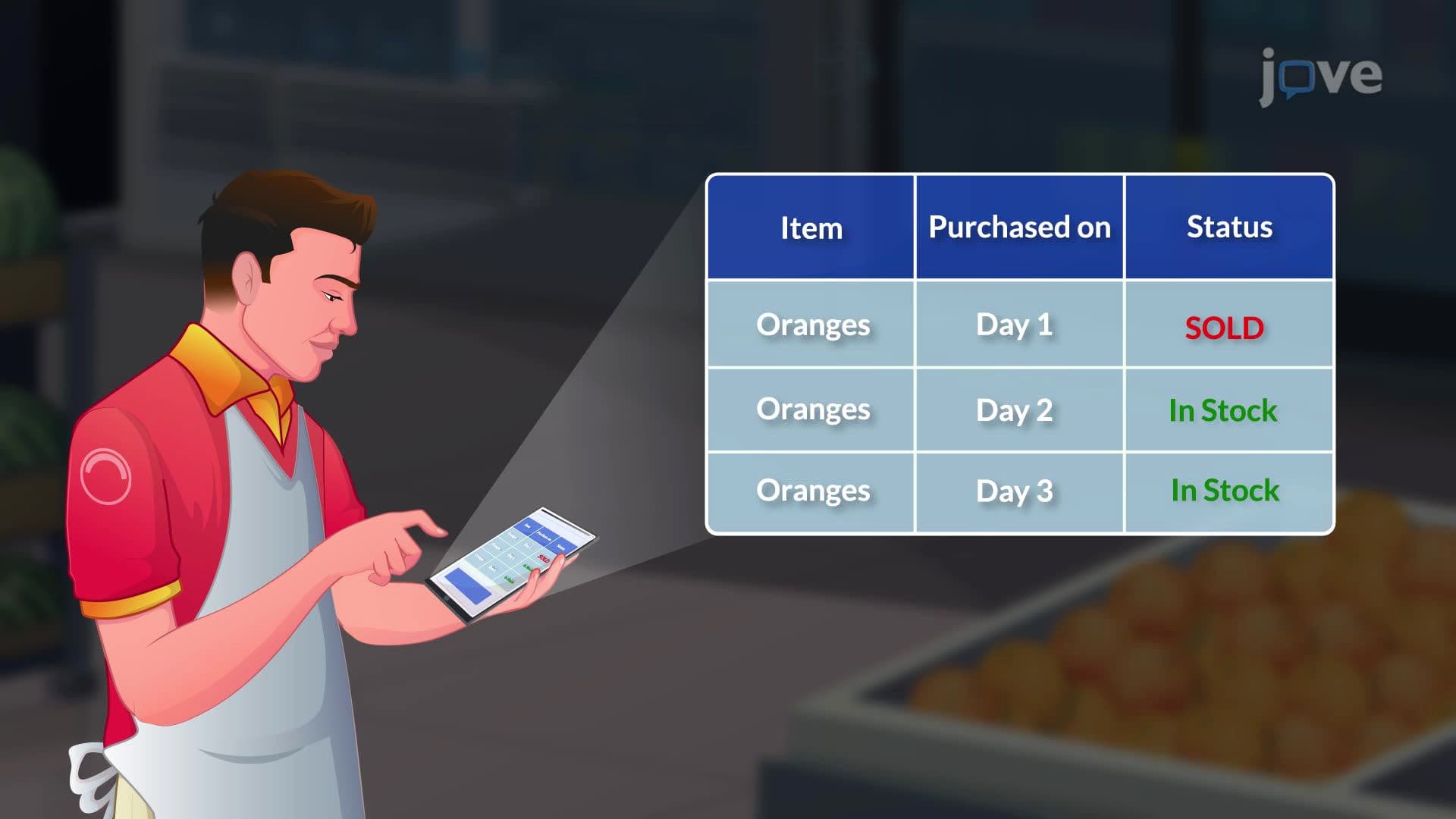

Video Summary: First in First Out Fifo Method
The FIFO method, First-In, First-Out, is a foundational inventory valuation approach every manager overseeing product flow, procurement, or cost reporting needs to understand. When older stock is costed first, margin calculations stay accurate and waste stays low. Misapply this, and your profitability numbers mislead every decision downstream. Watch the full video on JoVE Coach to master this concept with expert-led visuals and step-by-step explanations.
Imagine you manage a retail operations team. Your team has been purchasing the same product category across three separate supplier orders over consecutive days, each at a slightly higher unit cost due to supplier price increases. When your finance partner asks what it cost to fulfill last week's sales volume, your team hesitates. They're unsure which purchase price to apply. That hesitation isn't a minor detail, it's a gap in inventory cost management that can distort your margin reporting and undermine purchasing decisions.
Most managers outside of dedicated finance or supply chain roles treat inventory valuation as an accounting abstraction, something handled "downstream." The problem is that cost of goods sold (COGS) directly affects your team's profitability metrics, and those metrics drive resource allocation, headcount decisions, and supplier negotiations. When managers don't understand *how* costs are assigned to sold inventory, they lose the ability to challenge reports, identify anomalies, or make credible recommendations in budget conversations.
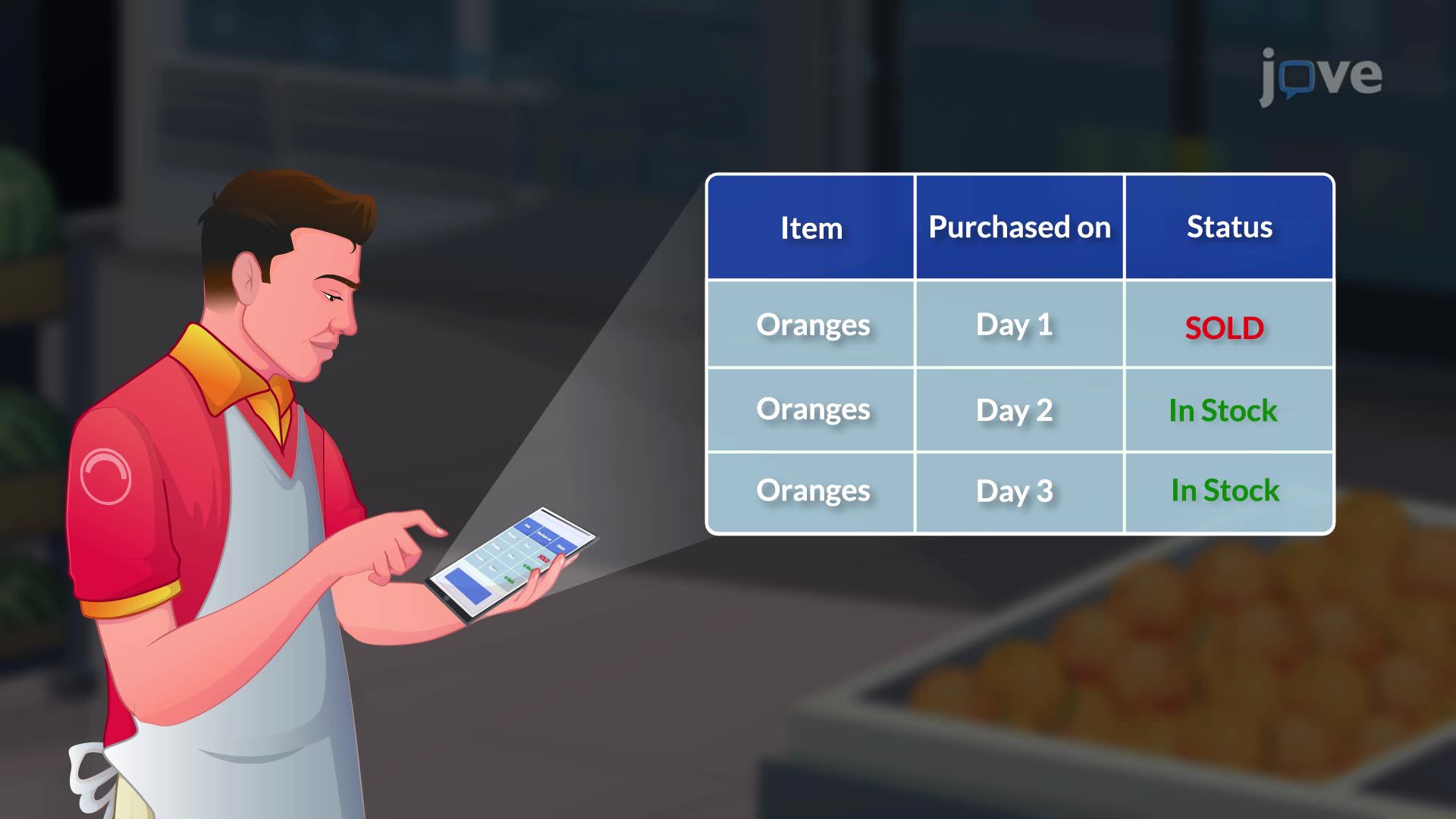
The FIFO method assumes that the first units purchased are the first units sold. It's not just an accounting rule, it's a model of reality for teams managing physical goods, especially perishables or products with shelf-life constraints.
Applying FIFO comes down to a straightforward sequencing logic. When goods are sold, you assign costs starting from the oldest purchase batch and work forward chronologically. If your team bought 50 units at a lower price, then 70 units at a mid-range price, and then 60 units at a higher price, and you sell 80 units, your cost of goods sold draws entirely from the first batch and partially from the second. The newer, higher-cost stock remains on hand, valued at its actual purchase price.
This matters operationally because FIFO gives you a cost structure that closely mirrors actual stock movement. During inflationary periods, when each successive purchase costs more, FIFO produces a *lower* COGS figure compared to alternative methods. That translates to higher reported profit in the short term, which is important context when presenting financial results to senior stakeholders or defending team margins.
A practical framework to anchor this: think of FIFO as the chronological cost-matching principle. Match your cost assignments to the sequence in which inventory entered your operation. Pair this with your team's standard operating procedures for stock rotation, and your physical inventory practices and your financial reporting will stay aligned.
For managers leading product, retail, or supply chain teams, FIFO has direct day-to-day application in three areas:
1. Stock rotation protocols. Brief your team on physically rotating inventory so that older stock moves first. This prevents waste and keeps your actual stock movement consistent with your accounting method, closing a common gap that leads to write-offs.
2. COGS reporting reviews. When reviewing weekly or monthly P&L reports, ask your finance partner how inventory costs are being assigned. Understanding whether your organization uses FIFO, or an alternative like LIFO (Last-In, First-Out) or weighted average, changes how you interpret margin trends.
3. Procurement planning. When prices are rising, FIFO keeps near-term COGS lower by drawing on older, cheaper stock. Build this into your supplier cost conversations and your team's purchasing cadence.
The most frequent error is assuming FIFO is only relevant to finance. If you manage any team that orders, stores, or sells physical goods, your daily decisions shape whether FIFO works as intended. A team that stores new stock in front of old stock, or that reports sales without clear purchase batch tracking, will produce COGS figures that are inaccurate regardless of what method finance applies. Operational discipline and financial methodology must move together.
Related Micro-courses