Loading video…

 11 Concepts
 3.7K views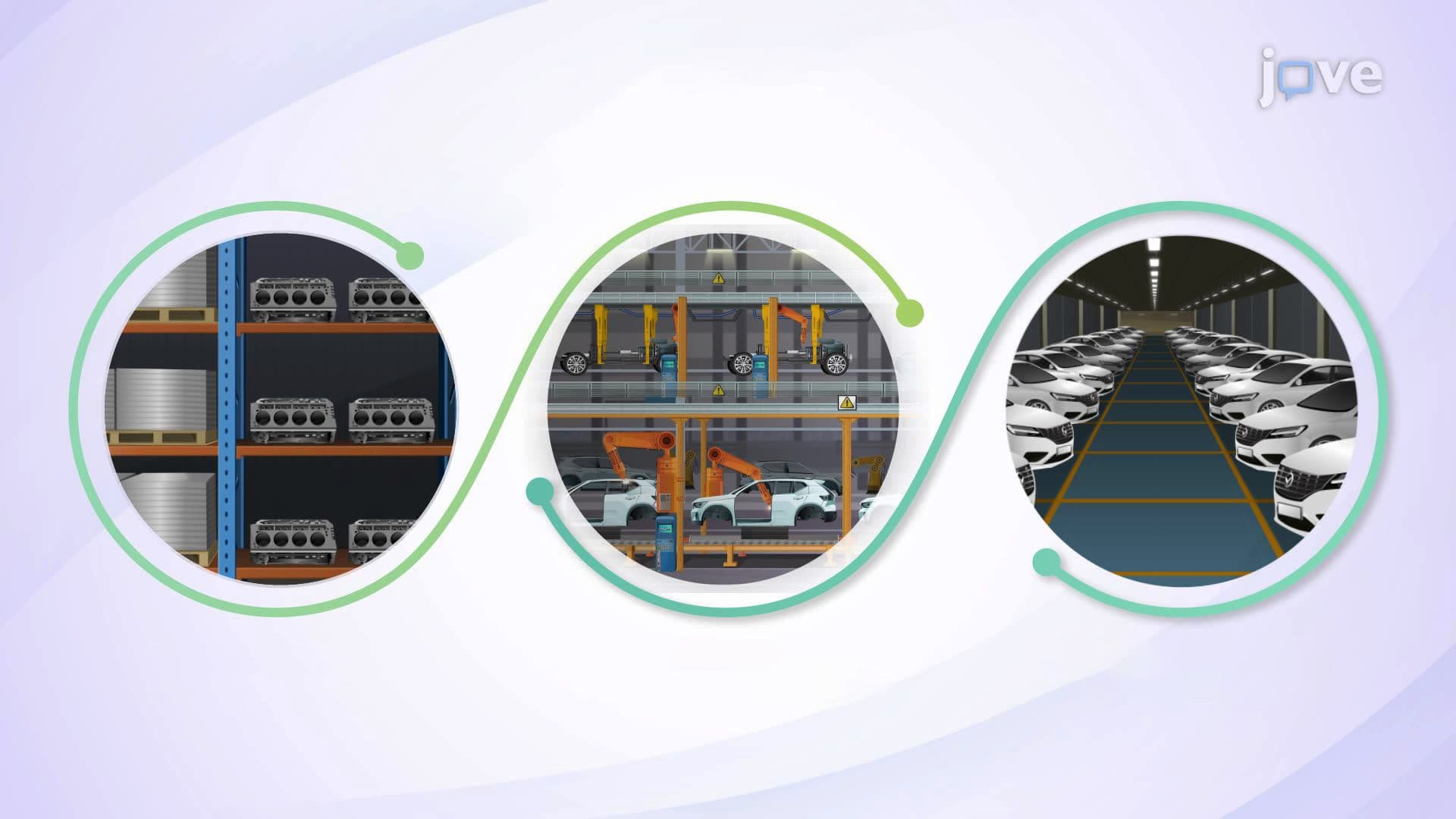

Video Summary: What are Types of Inventory
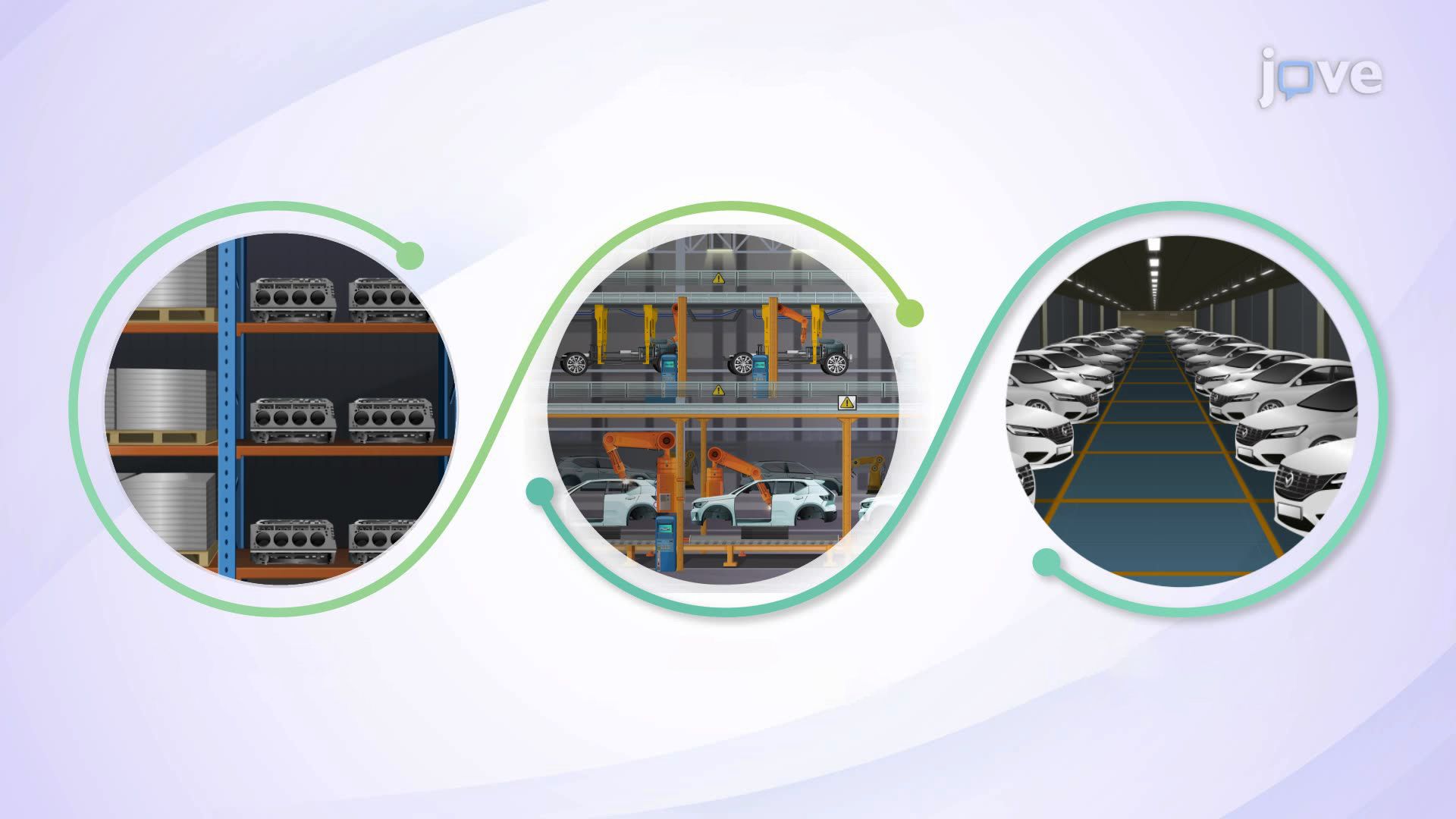
Understanding the types of inventory is a critical gap for managers overseeing production, supply chain, or operations teams, especially when cost overruns or delivery delays expose blind spots in how stock is tracked and categorized. The classification of inventory into raw materials, work-in-progress, and finished goods gives managers a clear lens for diagnosing where bottlenecks occur and where money is sitting idle. Watch the full video on JoVE Coach to master this concept with expert-led visuals and step-by-step explanations.
Picture this: a mid-level operations manager is fielding pressure from leadership because the quarterly financials look off. Production output appears healthy, but costs are climbing and nobody can explain where the money is going. The root issue, uncovered in a cross-team review, turns out to be surprisingly common, nobody on the team was consistently distinguishing between what had been ordered, what was half-built, and what was actually ready to ship. That distinction is exactly what the classification of inventory is designed to solve.
Most managers who aren't specialists in supply chain assume inventory is a warehouse problem, someone else's responsibility until something goes wrong. That assumption is costly. When you don't have clear visibility into your inventory categories, you lose the ability to spot production bottlenecks early, allocate resources accurately, or have credible conversations with finance about cost drivers.
The three types of inventory, raw materials, work-in-progress (WIP), and finished goods, represent three fundamentally different states of value. Raw materials are inputs that have been paid for but not yet converted into value. WIP represents labor and overhead already invested but not yet recoverable through a sale. Finished goods are the only category that can directly generate revenue. A manager who treats all three the same is flying blind on cost and capacity.
A practical tool for operations and production managers is Inventory Stage Mapping, a visual or tabular method of tracking what percentage of your total stock sits in each category at any given point. Think of it as applying a simple flow analysis to your team's production data.
Here's how to apply it in practice:
1. Define the boundary conditions for each category within your specific production context. What exactly constitutes a finished good in your operation? At what point does a raw material become WIP? 2. Assign ownership using a RACI model, identify who is Responsible for updating each inventory stage, who is Accountable for accuracy, who needs to be Consulted (e.g., finance, procurement), and who must be Informed. 3. Set a review cadence. Weekly spot-checks on WIP and finished goods, with monthly deep-dives on raw materials, tend to work well for teams managing active production cycles. 4. Connect stage data to cost conversations. When you present inventory status in team meetings, always pair the category breakdown with a cost-per-stage figure. This turns inventory reporting from an operational checkbox into a genuine management insight.
This approach draws on principles similar to lean manufacturing's value stream mapping, adapted for managers who don't need to be industrial engineers but do need operational fluency.
Mistake 1: Treating WIP as a neutral category. Work-in-progress is where costs accumulate silently. Partially completed units represent sunk labor, machine time, and overhead, and they cannot be sold. The longer items sit in WIP, the more expensive they become without generating return. Coach your team to flag aging WIP as a priority escalation item, not a status quo.
Mistake 2: Measuring only finished goods. It's tempting to focus performance conversations on what's ready to ship, because that's what drives revenue. But if you're not monitoring raw material levels and WIP throughput, you'll consistently be surprised by production delays and stockouts.
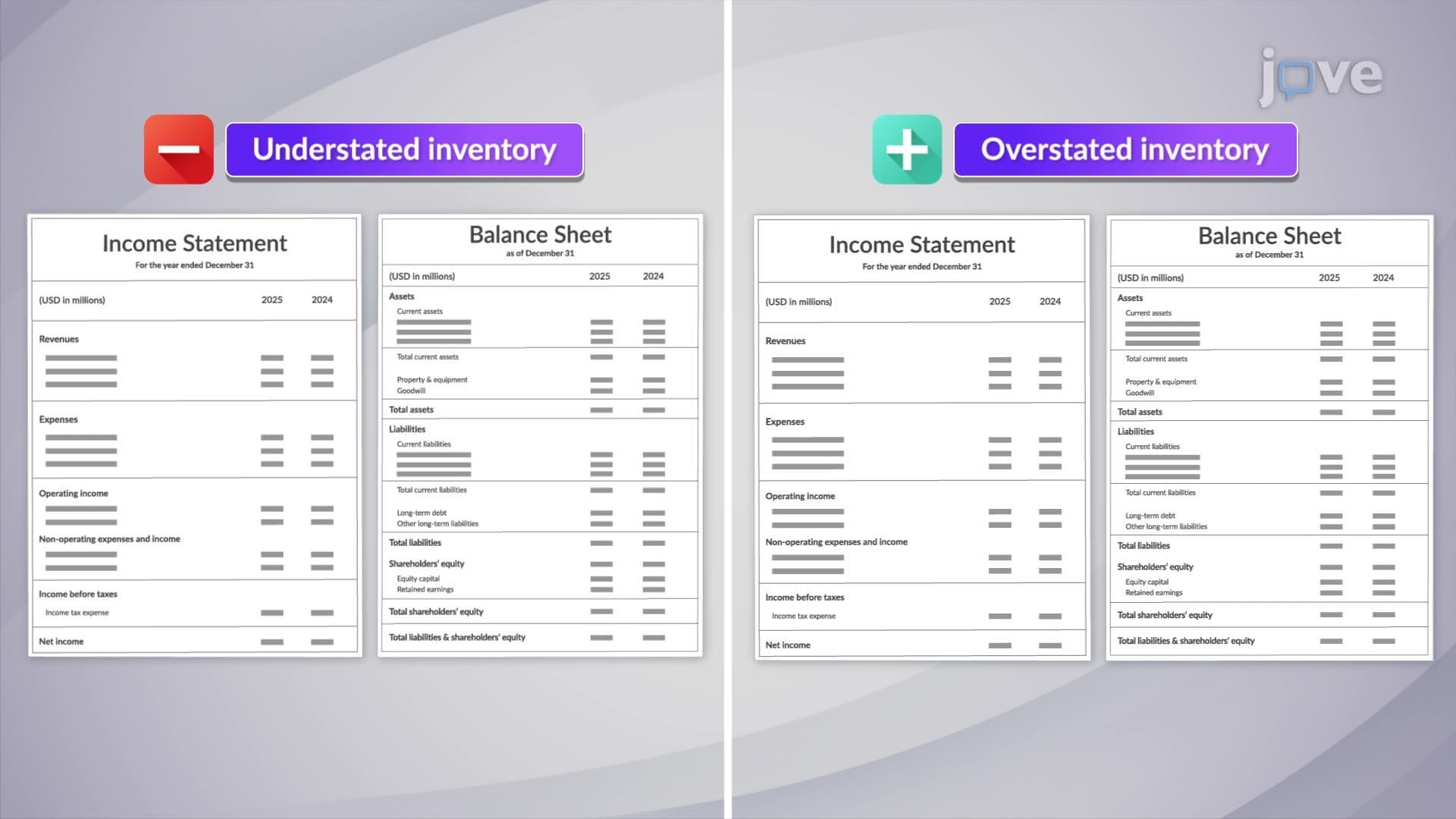
Mistake 3: Skipping classification in the name of speed. Under pressure to move fast, teams often stop categorizing stock rigorously. The short-term gain isn't worth the downstream cost, misclassified inventory leads directly to inaccurate financial statements, which erodes credibility with leadership and creates compliance risk.
Managers who develop genuine fluency in manufacturing inventory management build a reputation for operational reliability, one of the most valued qualities in leaders being considered for broader organizational responsibility.
Related Micro-courses