Loading video…

 11 Concepts
 3.7K views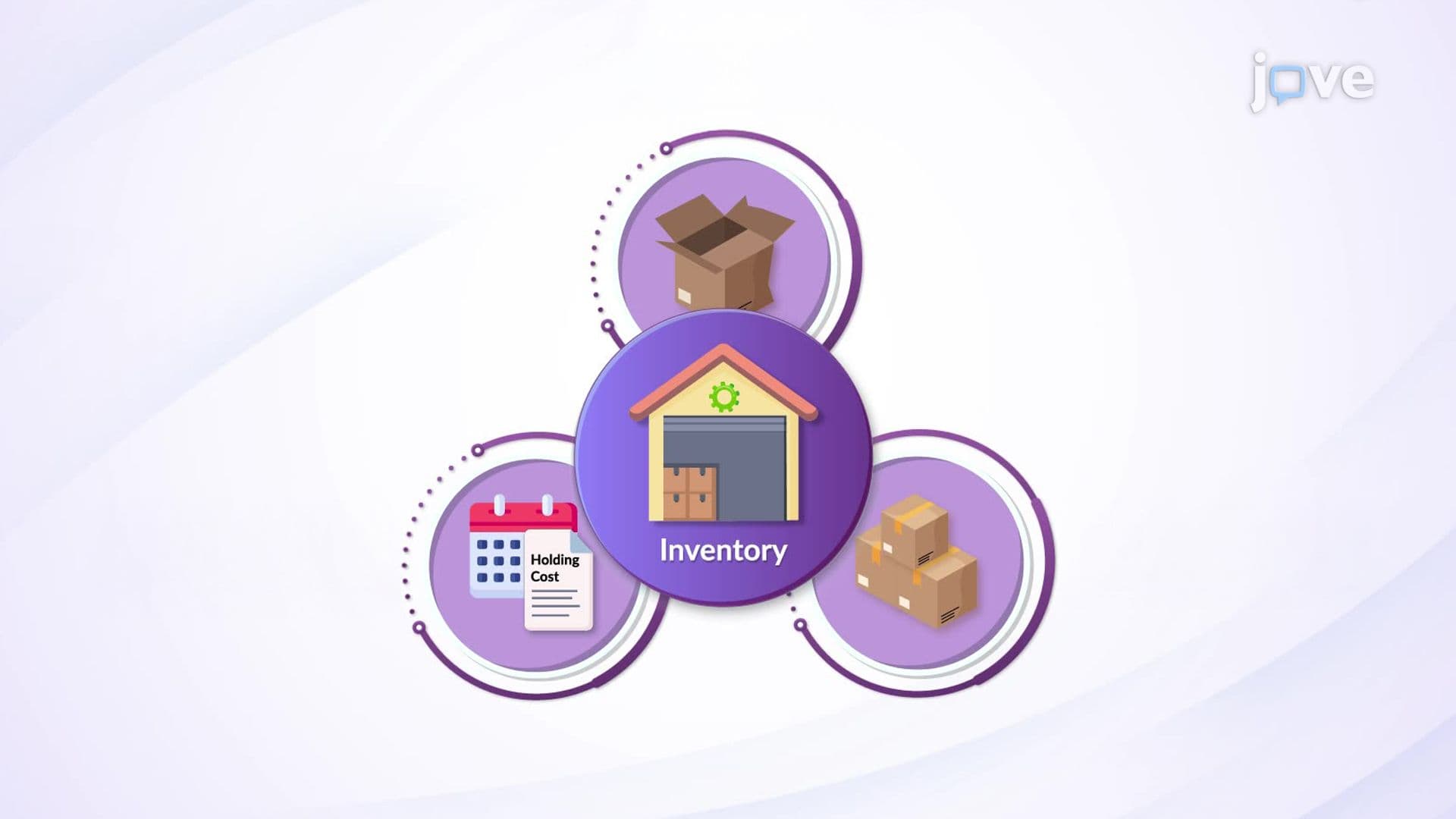

Video Summary: Shrinkage Obsolescence and Holding Costs Explained
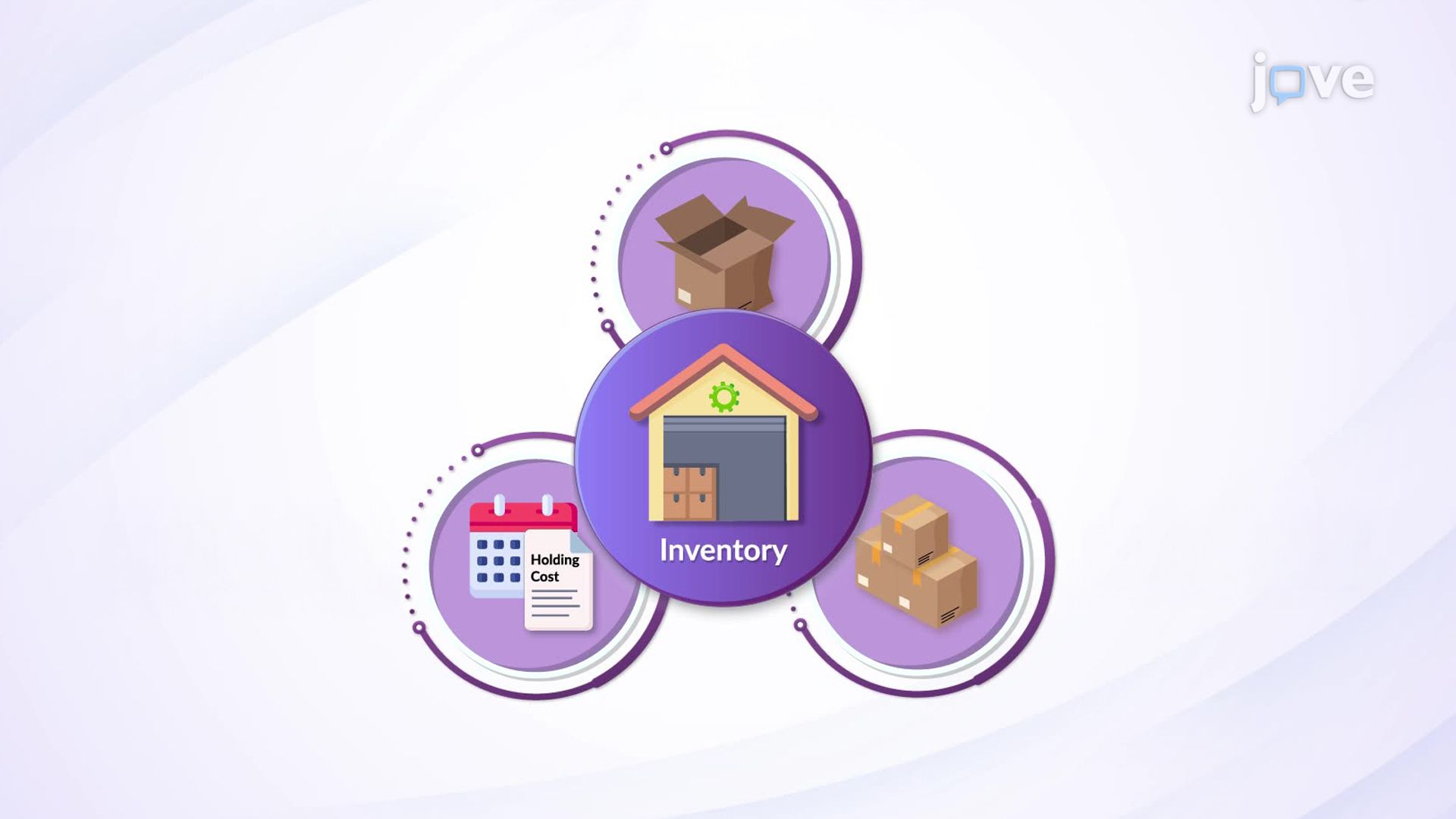
Inventory shrinkage and inventory obsolescence quietly drain profit margins long before most managers notice them on a report. If you oversee procurement, retail operations, or supply chain functions, these hidden costs, alongside holding costs, are eroding your team's financial performance right now. Understanding all three is essential to protecting operational budgets and making smarter stock decisions. Watch the full video on JoVE Coach to master this concept with expert-led visuals and step-by-step explanations.
Picture this: your team hits its sales targets for the quarter, but the profit numbers still look worse than expected. Leadership wants answers. You dig into the inventory reports and find a pattern, stock that never made it to the sales floor, products marked down to clear space, and storage fees that have been quietly accumulating for months. This is not a hypothetical. It is one of the most common operational blind spots managers face, and it has a name: the hidden cost triad of inventory shrinkage, inventory obsolescence, and holding costs.
The challenge is visibility. Shrinkage, inventory lost through theft, damage, or administrative error, rarely shows up as a single dramatic event. It accumulates in small increments across multiple locations or handling points, which makes it easy to overlook in routine reporting. Obsolescence is similarly deceptive. Products degrade in value gradually, and by the time a manager flags an item as unsellable at full price, weeks of carrying cost have already been absorbed. Holding costs, which include warehouse or storage fees, insurance, and the opportunity cost of capital tied up in unsold goods, are often buried in overhead budgets where they escape direct scrutiny.
For managers stepping into operational roles, the practical lesson is this: if you are not actively looking for these costs, you will not find them until they become a problem.
A straightforward approach is to apply a periodic inventory cost audit structured around three diagnostic questions:
1. Where is stock disappearing? Map every point at which inventory changes hands, receiving, storage, pick-and-pack, and return processing. Use a RACI model to assign clear ownership at each stage. When responsibility is ambiguous, shrinkage rises.
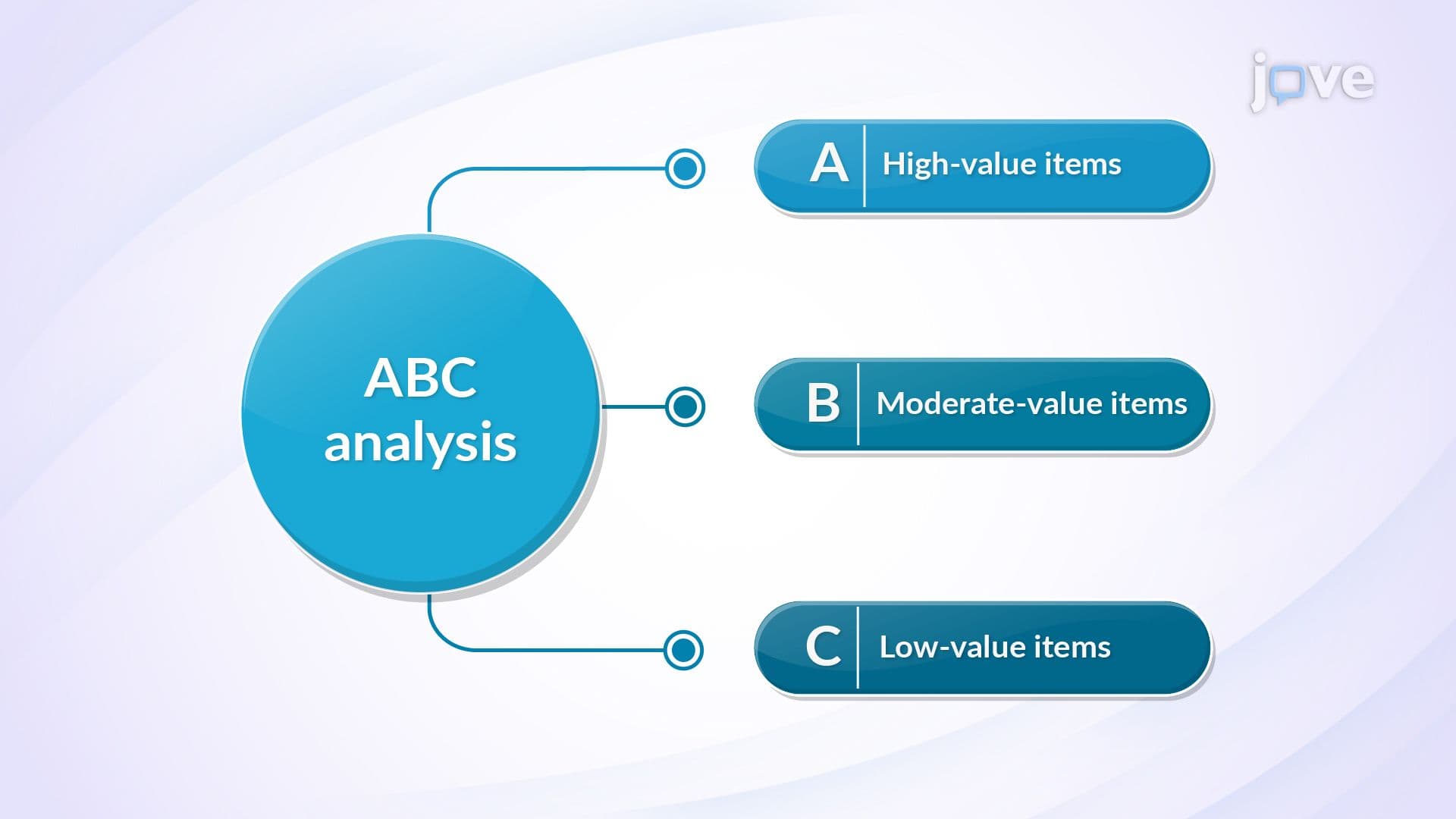
2. What is sitting unsold and why? Use a simple ABC analysis, categorizing inventory by sales velocity, to identify slow-moving or at-risk items before they become obsolete. "C" items with declining demand signals should trigger immediate review, not a wait-and-see approach.
3. What does it actually cost to hold this stock? Calculate carrying costs as a percentage of inventory value. Industry benchmarks typically place total holding costs between 20-30% of inventory value annually. If your team does not know this number, that is the first gap to close.
This framework does not require sophisticated software. It requires consistent discipline and a team that understands why the numbers matter.
Treating shrinkage as inevitable. Some loss is unavoidable, but normalizing it without investigation removes accountability. Set a documented shrinkage tolerance, for example, no more than 1-2% of inventory value, and treat anything above that as a formal performance issue requiring root cause analysis.
Delaying markdown decisions. Obsolescence accelerates when managers wait for the "right moment" to discount aging stock. Build a defined review cadence, monthly for fast-moving categories, quarterly for slower ones, with pre-agreed markdown triggers so decisions are systematic rather than reactive.
Ignoring opportunity cost. The cash tied up in excess inventory could fund headcount, equipment, or growth initiatives. When presenting inventory data to senior leadership, frame holding costs in terms of what that capital could otherwise enable. This shifts the conversation from operational detail to strategic impact, and strengthens your credibility as a manager who thinks at a business level.
Related Micro-courses