Loading video…

 11 Concepts
 3.7K views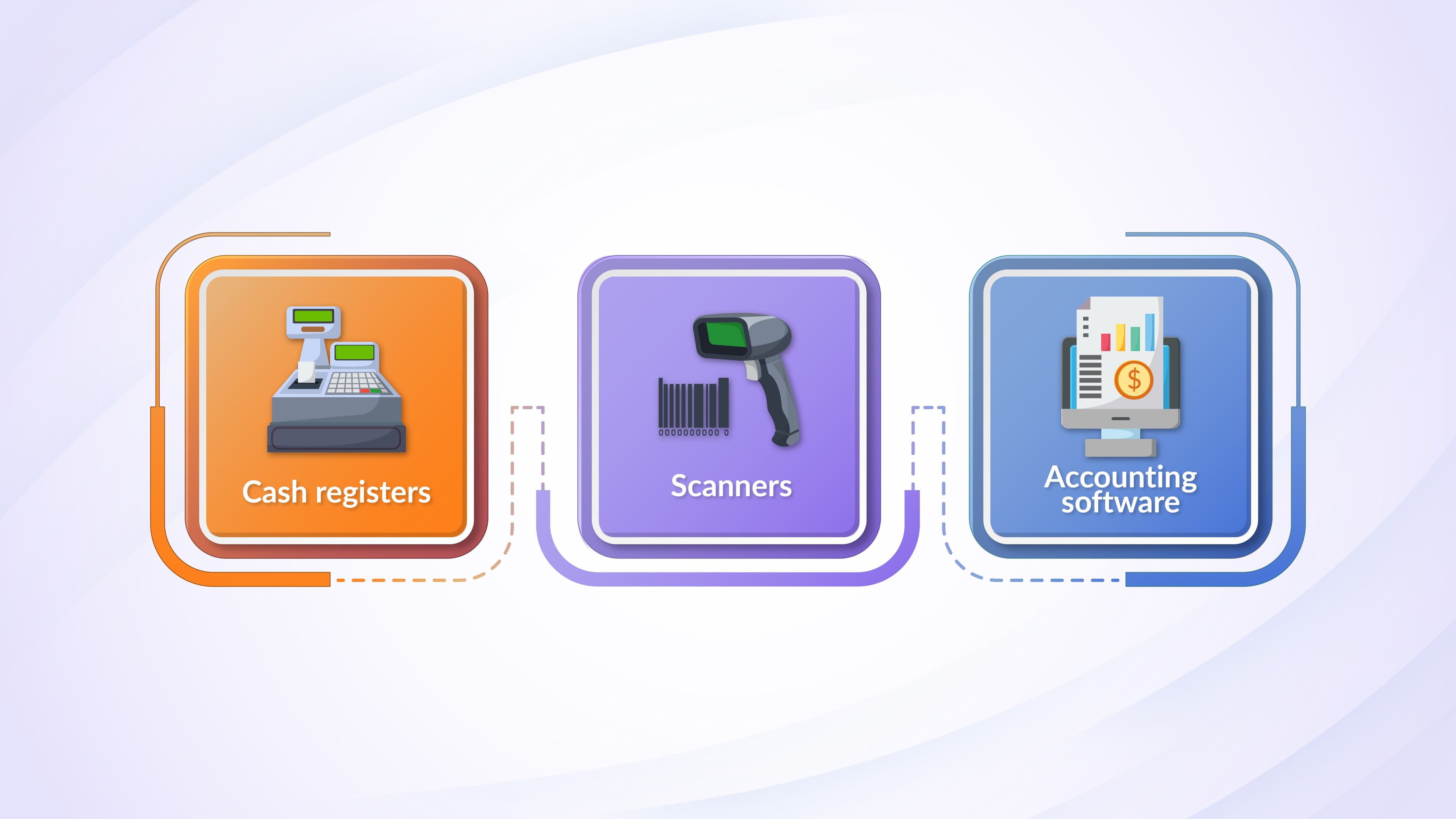

Video Summary: What Is Perpetual Inventory System
Perpetual inventory system failures cost operations managers both time and credibility, stockouts frustrate customers while excess inventory strains budgets. Understanding what is perpetual inventory means knowing how real-time tracking tools automatically update stock levels after every transaction, giving managers the live data they need to make smarter purchasing and staffing decisions. Watch the full video on JoVE Coach to master this concept with expert-led visuals and step-by-step explanations.
Picture this: a warehouse operations manager walks into a Monday morning review meeting expecting a clear picture of current stock levels, only to discover the last inventory report was generated three days ago. A weekend of sales and returns has rendered it useless. Decisions on restocking, supplier orders, and staffing are now based on outdated information. This is precisely the operational gap that the perpetual inventory system is designed to close.
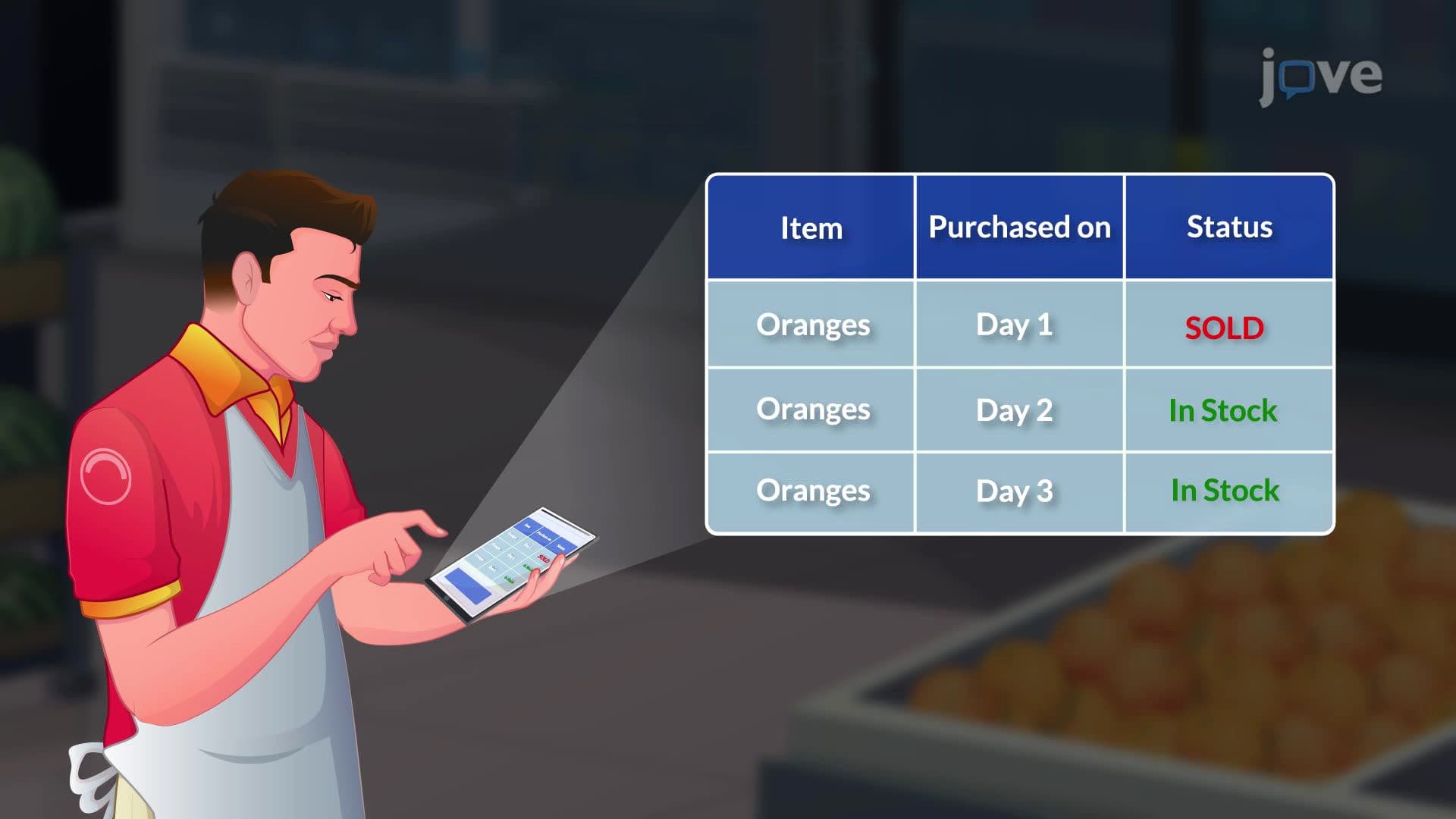
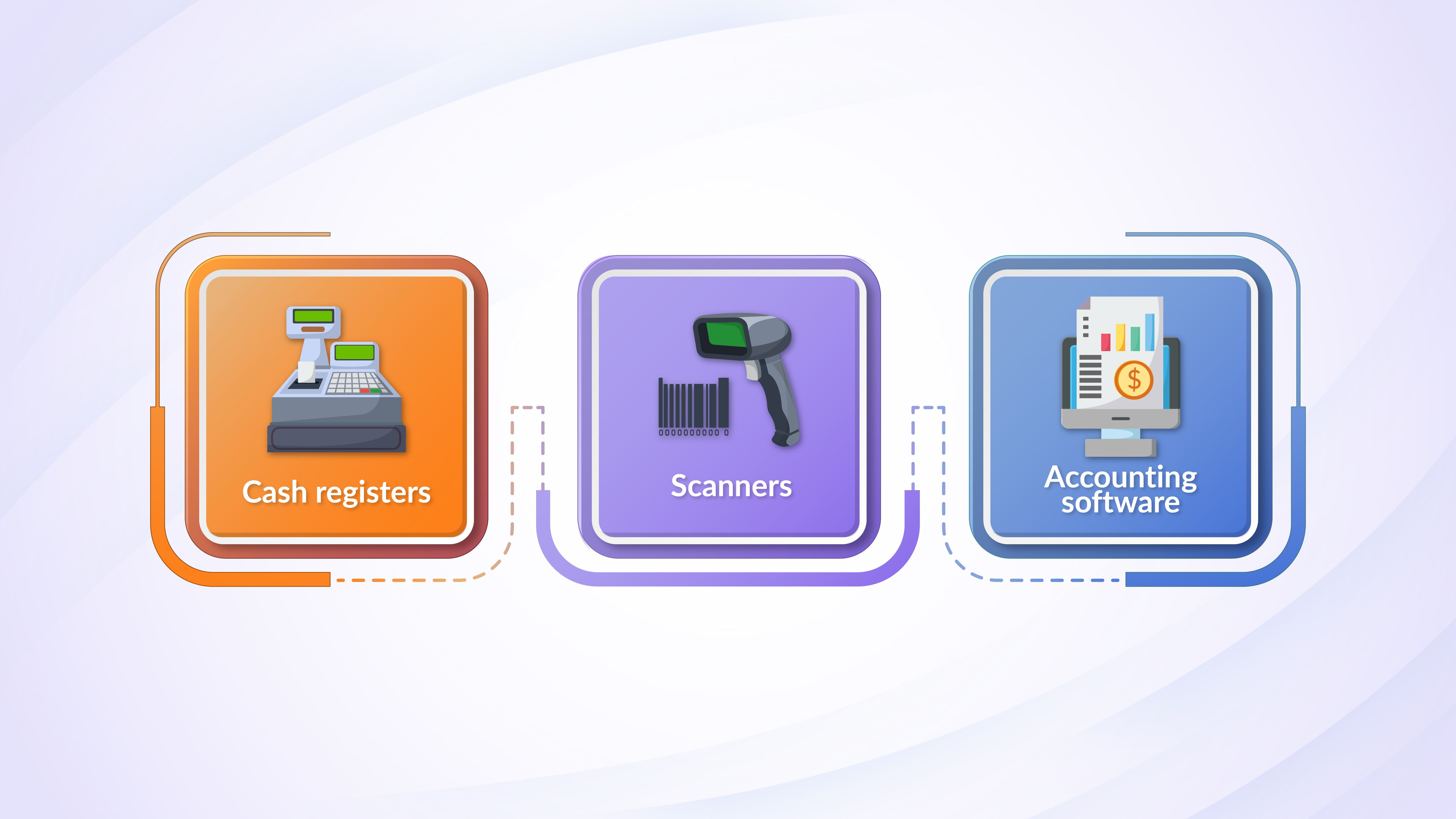
Most operational issues don't begin with bad decisions, they begin with bad data. When inventory records are only updated in batches or at scheduled intervals, managers are perpetually working with a rearview mirror. The perpetual inventory method solves this by integrating point-of-sale systems, barcode scanners, and accounting software to update stock levels the moment a transaction occurs. Every purchase adds to the inventory account; every sale reduces it. The result is a live, accurate picture of what's on hand, without waiting for end-of-month reconciliation.
For managers overseeing teams that handle procurement, sales, or fulfilment, this matters enormously. Real-time inventory data translates directly into faster, more confident decisions about reordering thresholds, supplier lead times, and customer commitments.
Experienced operations managers don't rely on the perpetual system alone. The most resilient inventory management approach combines automated real-time tracking with scheduled physical counts, what you might call a Two-Layer Verification Model.
Layer 1, Continuous Digital Tracking: Your automated systems handle the moment-to-moment record-keeping. Each transaction is logged, your inventory account is updated, and your team has access to current data without manual intervention.
Layer 2, Periodic Physical Audits: At regular intervals, monthly, quarterly, or seasonally, your team physically counts stock and reconciles it against system records. This layer catches what software cannot: shrinkage, spoilage, mislabelled goods, and data-entry errors that accumulate silently over time.
This mirrors the Plan-Do-Check-Act (PDCA) cycle widely used in operational management. The perpetual system handles the "Do" continuously, while physical audits represent the "Check" that keeps the entire process honest and accurate.
The advantages of perpetual inventory go beyond accuracy. For managers, the real value is in decision speed and team accountability. When your system flags that stock of a high-demand item is approaching a minimum threshold, your procurement conversation with a supplier happens days earlier than it would under a periodic system. That lead time often determines whether a customer commitment is met or missed.
From a team management perspective, perpetual systems also create a culture of transactional discipline. When every team member understands that each scan, entry, or processed return immediately impacts the shared inventory record, accuracy becomes a team norm rather than an afterthought.
Even with a robust perpetual inventory system in place, managers frequently make two errors. First, they treat the system data as infallible and skip physical audits, only to discover significant discrepancies during financial close. Second, they underinvest in team training on data-entry standards, allowing small, consistent input errors to compound into major reconciliation problems over time. Build audit cadences into your operational calendar from the start, and establish clear data-entry protocols as part of your onboarding process for any team member handling inventory.
Related Micro-courses