Loading video…

 11 Concepts
 3.7K views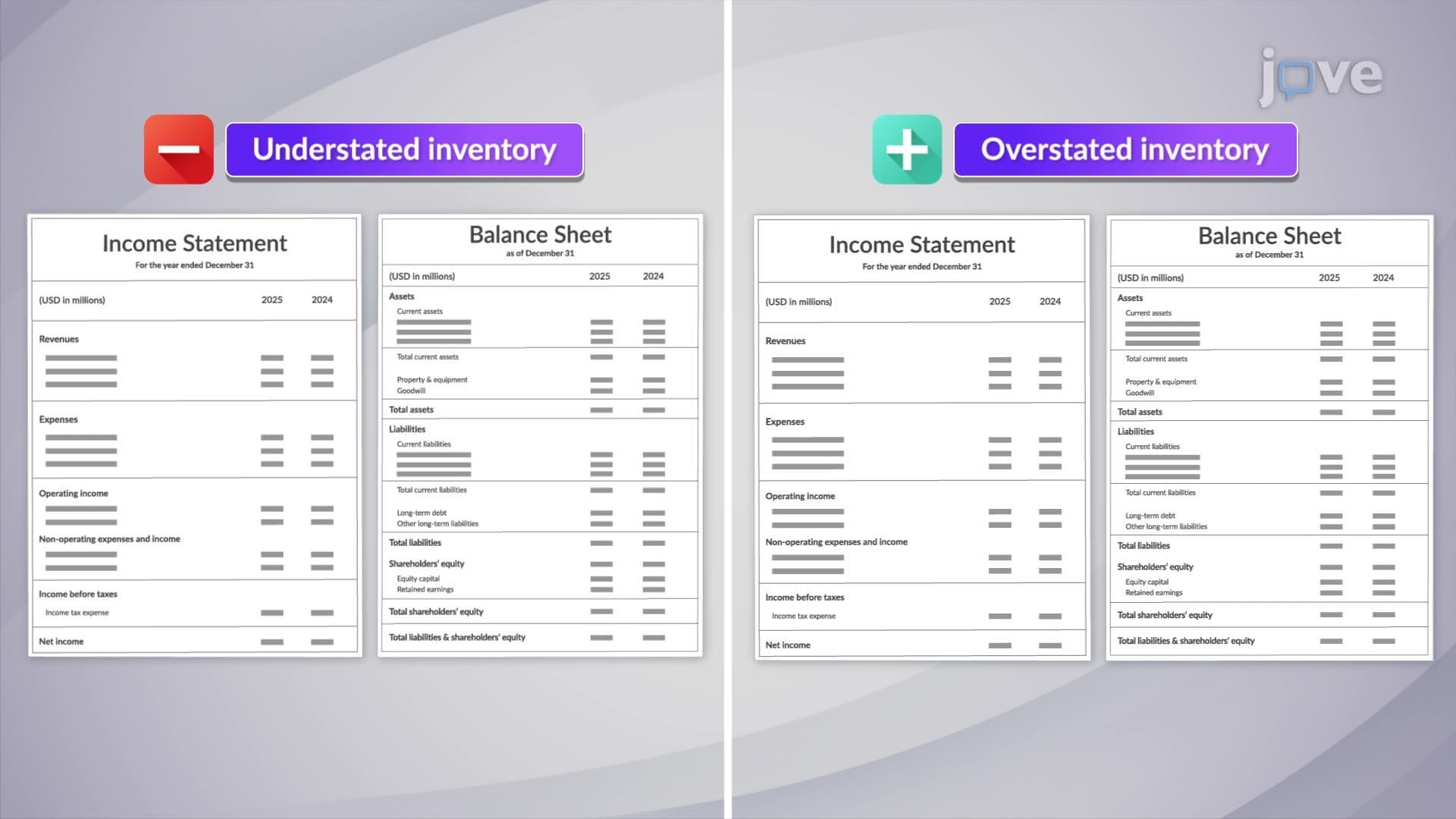

Video Summary: What Is Overstated Vs Understated Inventory
Overstated vs understated inventory errors can silently distort your organization's financial picture, and as a manager, catching them before they reach leadership matters. Understanding inventory valuation errors helps you ask sharper questions during reporting cycles and challenge numbers that don't add up. Watch the full video on JoVE Coach to master this concept with expert-led visuals and step-by-step explanations.
Picture this: your operations team just completed a quarterly inventory count, and the numbers don't match what's in the system. The physical stock is higher than recorded in one warehouse and lower in another. Your finance partner flags it as a reconciliation issue, but you're not sure what that actually means for the numbers going up to leadership next week. This is exactly the moment when understanding overstated vs understated inventory stops being an accounting abstraction and becomes a critical management competency.
Inventory errors are rarely the result of negligence alone. They typically emerge from process gaps: inconsistent data entry, timing differences between shipments and system updates, or manual counts conducted without a clear protocol. In fast-moving environments, retail, manufacturing, logistics, or supply chain, these discrepancies accumulate quietly across reporting periods.
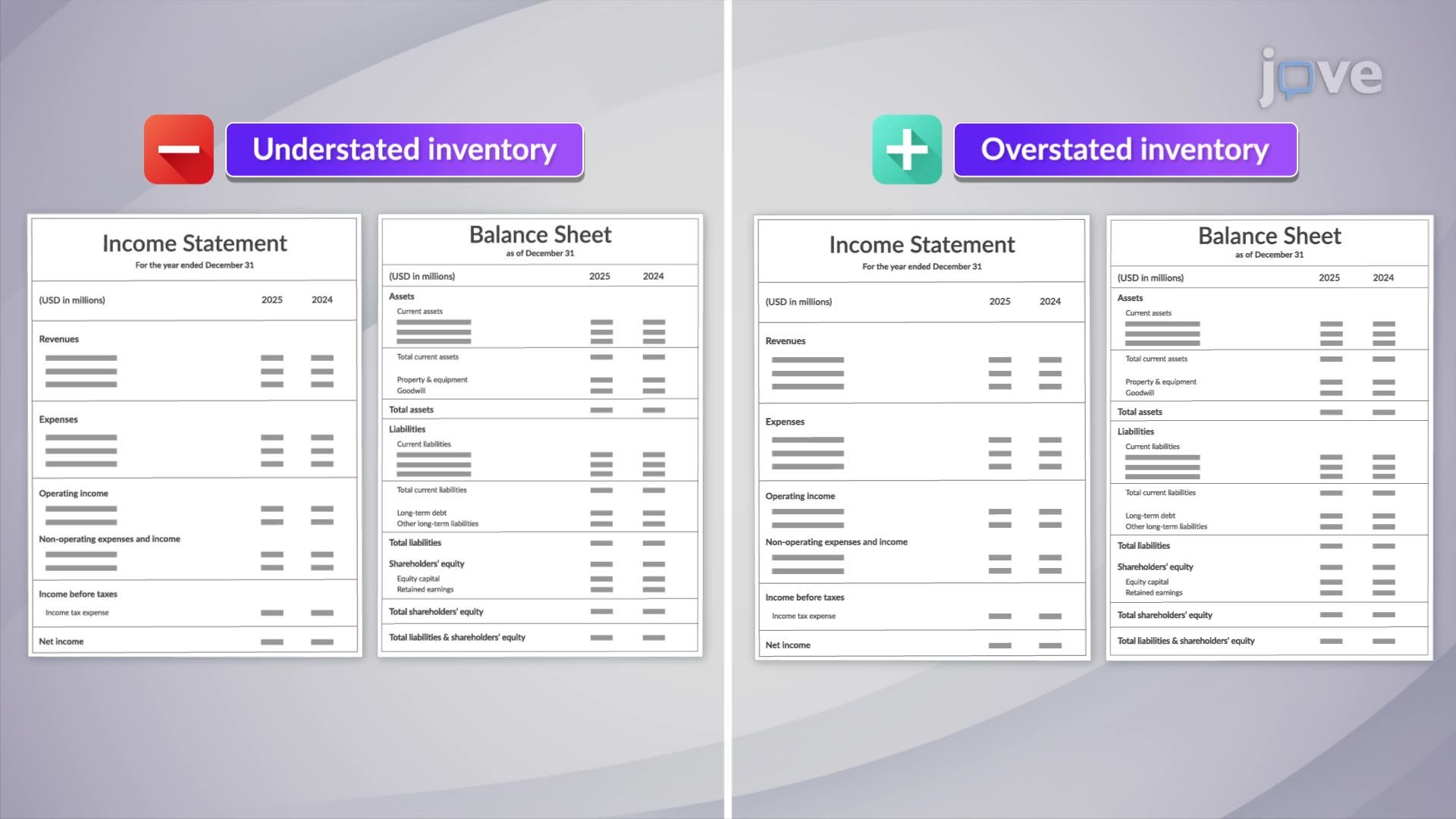
The core problem is that most managers treat inventory accuracy as a back-office concern rather than a leadership one. That's a costly assumption. Both understated and overstated inventory distort the three financial levers that leadership monitors most closely: asset value, cost of goods sold (COGS), and net income. When inventory is understated, COGS rises artificially and profits appear lower than they are. When inventory is overstated, the opposite occurs, profitability looks stronger than reality, a misleading signal that can drive poor resourcing or investment decisions.
Use a simple cause-and-effect model to anchor your thinking:
Understated Inventory → Recorded inventory < Actual inventory on hand → Lower asset value on balance sheet → Higher COGS → Lower reported net income
Overstated Inventory → Recorded inventory > Actual inventory on hand → Inflated asset value → Lower COGS → Higher reported net income (false profitability)
A practical way to apply this is through the COGS bridge analysis: whenever your team's reported profit margin shifts unexpectedly between periods, start by checking whether ending inventory figures changed, and whether those changes were verified by a physical count or simply carried forward from prior records. This is especially relevant during financial close cycles, budget reviews, or before leadership reporting.
Cross-referencing this with a simple reconciliation checklist, actual count vs. recorded count, variance percentage, and period-over-period movement, gives you a repeatable tool to bring into monthly or quarterly review conversations with your finance business partner.
The most common mistake is treating a variance as someone else's problem. If inventory discrepancies sit in a finance queue for weeks without operational input, the root cause, whether it's a process breakdown, a system lag, or a counting error, goes unaddressed.
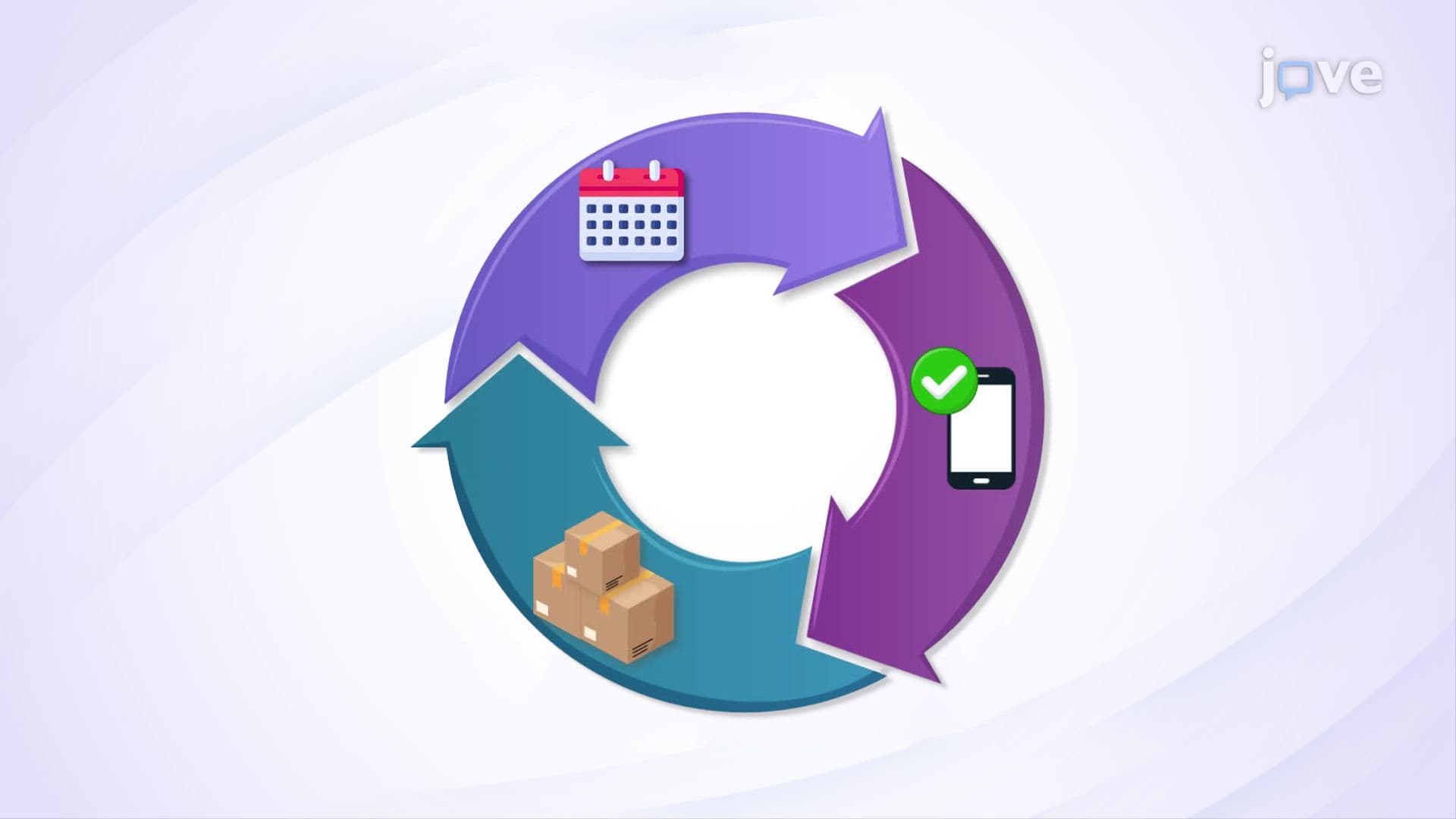
A second mistake is confusing correcting inventory errors with a one-time fix. Inventory accuracy is a recurring operational discipline. Build it into your team's rhythm: schedule regular cycle counts rather than relying solely on end-of-period physical counts, establish clear ownership for data entry at each stage of the inventory flow, and set a threshold variance (e.g., anything above 2-3%) that triggers an immediate review rather than a rollover.
Finally, avoid interpreting higher net income as automatically good news without verifying inventory accuracy. Overstated inventory creates a false sense of profitability that can lead to over-investment, premature hiring, or misaligned bonus structures. As a manager, your credibility is tied to the reliability of the data you present upward, and that starts with knowing when the numbers deserve a second look.
Related Micro-courses