Loading concepts…


23 Concepts
21 Concepts
16 Concepts
20 Concepts
17 Concepts
14 Concepts
11 Concepts
7 Concepts
9 Concepts
 23 Concepts
 13.7K Views
 Popular topics

















Accounting Foundations gives managers the financial literacy to lead with confidence. Many managers struggle to interpret budget reports, justify resource decisions, or communicate financial performance to stakeholders, not from lack of effort, but from gaps in foundational knowledge. This JoVE Coach micro-course bridges that gap, equipping you to read financial signals, apply basic accounting principles, and make decisions grounded in real numbers.
1. What Accounting Is and Why It Matters for Managers
Accounting is the structured process of recording, summarizing, analyzing, and reporting financial transactions. For managers, it is far more than a back-office function, it is the language through which organizational health is communicated. A department head reviewing monthly reports, a team lead justifying a new hire, or a project manager requesting budget approval all rely on accounting data to make their case. Understanding what accounting does, and how financial statements are produced, helps managers engage more credibly with finance teams, ask sharper questions during reviews, and make decisions grounded in verifiable numbers rather than gut instinct.
2. Accounting Activities and the Branches of Accounting
Accounting encompasses several interconnected activities, recording transactions, classifying them into accounts, summarizing data into financial statements, and using those statements to guide decisions. These activities are organized across distinct branches: financial accounting focuses on standardized external reporting, managerial accounting supports internal planning and performance management, and cost accounting tracks production and operational expenditure in detail. For a manager, understanding which branch generates which type of report is essential. Managerial accounting, for instance, powers the departmental dashboards and budget variance reports that team leads and operations managers use to monitor performance week over week.
3. Financial Accounting vs. Managerial Accounting
Financial accounting produces standardized reports, balance sheets, income statements, cash flow statements, intended for external audiences such as investors, regulators, and lenders. It follows strict reporting standards and reflects historical performance. Managerial accounting, by contrast, is entirely internal and flexible. It generates the granular breakdowns managers use daily: cost-per-unit analysis, departmental profit margins, budget-versus-actual comparisons, and forward-looking forecasts. A mid-level manager reviewing weekly labor cost reports is engaging with managerial accounting. Recognizing this distinction helps managers identify the right data source for the right decision, and communicate more effectively with both finance teams and senior leadership.
4. Users of Accounting Data
Accounting data serves a wide range of users, each with different informational needs. Internal users, managers, team leads, and executives, rely on financial data for budgeting, cost control, performance evaluation, and strategic planning. External users, investors, creditors, tax authorities, and suppliers, use financial statements to assess organizational reliability and financial strength. For practicing managers, this distinction shapes how financial information should be packaged and communicated. A report prepared for an internal operations review requires different depth and framing than a summary prepared for external stakeholders. Knowing your audience determines how financial data is selected, presented, and interpreted.
5. Building Blocks of Accounting: Ethics, Principles, and Assumptions
The integrity of financial reporting rests on three foundational pillars: ethics, principles, and assumptions. Ethics demands honesty and transparency, financial data must never be manipulated to serve short-term interests. Principles provide consistent rules that make financial reports reliable and comparable across periods. Assumptions, such as the monetary measurement concept, which records only financially quantifiable transactions, define the boundaries of what gets captured in the books. For managers, these building blocks matter practically: a team lead who understands these foundations is better equipped to spot inconsistencies in reports, ask informed questions during audits, and model financial integrity within their own team.
6. Ethics in Financial Reporting
Ethical financial reporting is not simply a compliance requirement, it is a cornerstone of organizational trust. Key principles include integrity, objectivity, professional competence, confidentiality, and professional behavior. When these standards are violated, through earnings manipulation, omission of liabilities, or misrepresentation of performance, the consequences extend far beyond legal penalties. Reputational damage erodes stakeholder confidence and can destabilize entire organizations. Managers at every level play a role in maintaining this standard. Reviewing reports critically, escalating inconsistencies, supporting internal audit processes, and refusing to pressure teams into misrepresenting results are all concrete ways managers uphold financial integrity in daily operations.
7. Introduction to GAAP
Generally Accepted Accounting Principles, GAAP, are the standardized rules governing how financial statements are prepared and presented, primarily in the United States. GAAP ensures that financial reports are relevant, reliable, consistent, and comparable across organizations and reporting periods. For managers working in GAAP-governed environments, this framework means that financial statements follow predictable structures and methodologies. When a manager compares this year's income statement against last year's, or benchmarks their department's performance against another business unit, GAAP consistency makes those comparisons valid and meaningful. Understanding GAAP helps managers read reports accurately rather than making assumptions about how figures were derived.
8. Introduction to IFRS
International Financial Reporting Standards, IFRS, are principles-based accounting rules developed to standardize financial reporting across more than 140 countries. Unlike GAAP's detailed, rules-heavy approach, IFRS allows for broader professional judgment in how financial events are recorded and disclosed. For managers in multinational organizations or those working across borders in the European Union, Canada, Australia, or Asia, IFRS is the operational standard. Understanding IFRS enables managers to interpret financial reports from international subsidiaries, partners, or parent companies without misreading figures that were prepared under different conventions. It also helps managers engage confidently in cross-border financial reviews and reporting discussions.
9. GAAP vs. IFRS
GAAP and IFRS are both authoritative accounting frameworks, but they differ in philosophy, flexibility, and specific rules. GAAP is rules-based, providing detailed prescriptive guidance. IFRS is principles-based, allowing more interpretive flexibility. Practically, these differences affect how the same business event appears on financial statements. Asset valuation, inventory accounting methods, and lease recognition can all produce different figures depending on which standard applies. For managers working across international business units, or transitioning between organizations governed by different frameworks, recognizing these differences prevents misinterpretation of financial data. A number on a balance sheet under GAAP may not mean the same thing as the equivalent figure reported under IFRS.
10. Historical Cost Principle and Fair Value Principle
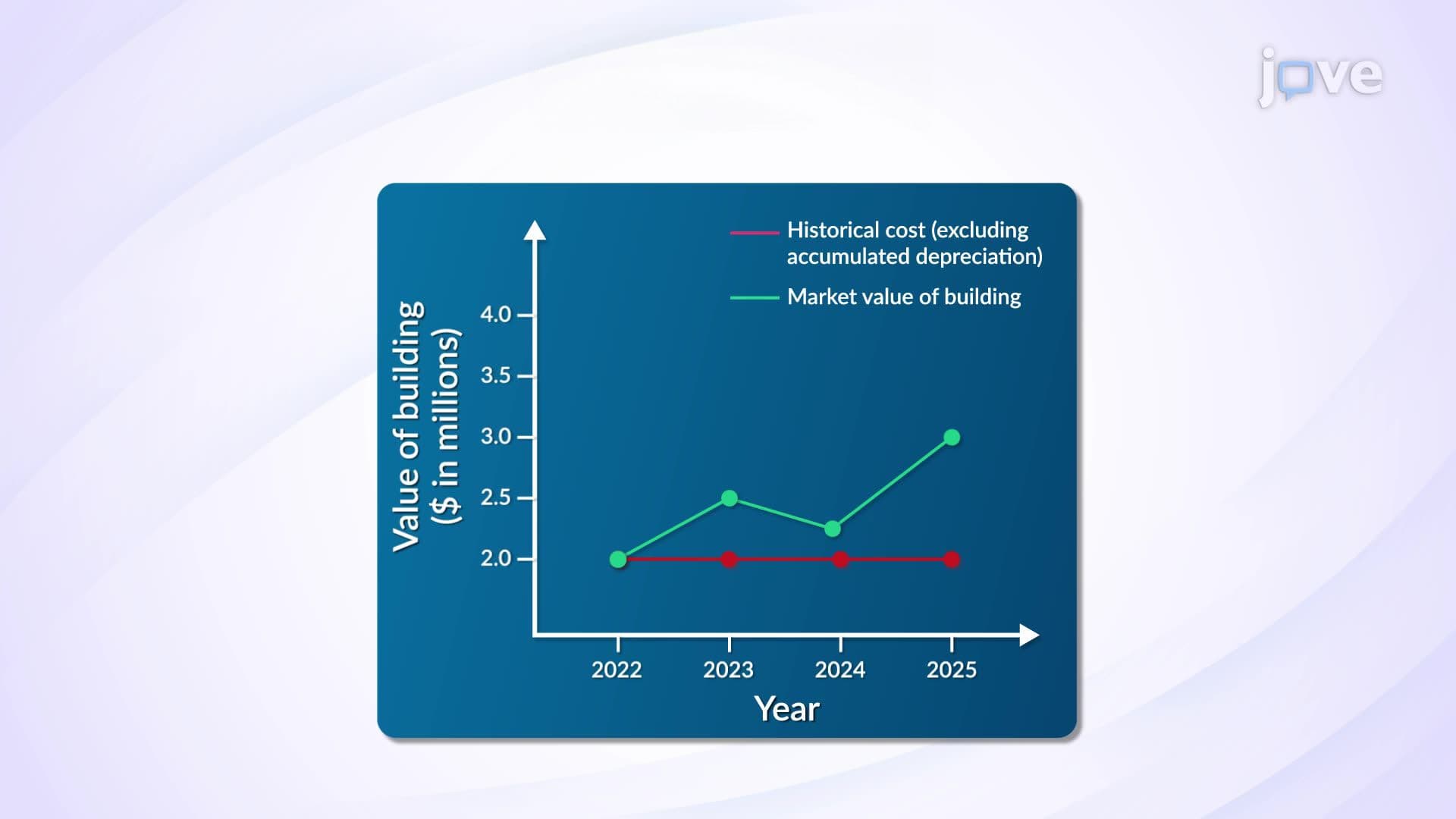
Two contrasting approaches govern how assets and liabilities are recorded. The historical cost principle records assets at their original acquisition price, providing a stable and verifiable figure that does not fluctuate with market movements. The fair value principle records certain assets at their current market value, offering a more timely and market-relevant picture, particularly useful for investment portfolios or properties in volatile markets. For managers, the distinction matters when interpreting balance sheet figures. A building carried at historical cost may significantly underrepresent current market conditions, while fair value assets introduce volatility into financial statements. Understanding both methods sharpens how managers read and challenge asset-related financial data.
11. Monetary Measurement Concept and Economic Entity Concept
The monetary measurement concept limits accounting records to transactions expressible in financial terms. Factors like employee morale, brand reputation, or customer loyalty, however significant, do not appear in financial statements because they cannot be assigned a reliable monetary value. The economic entity concept requires a clear separation between organizational finances and the personal finances of owners or leaders. For managers, this second concept is especially practical: business expenses must be documented and categorized distinctly from any personal expenditures. Blurring this boundary creates compliance risks and distorts financial reporting. Together, these concepts define what enters the financial record, and why consistency in that boundary matters.
12. Cost Concept, Going Concern Concept, and Periodicity Concept
Three foundational assumptions shape how financial transactions are recorded and interpreted over time. The cost concept establishes that assets are recorded at the agreed transaction price, including all costs required to make the asset operational. The going concern concept assumes the organization will continue operating into the foreseeable future, an assumption that underpins how assets are depreciated and how liabilities are structured. The periodicity concept divides an organization's financial life into defined reporting periods, monthly, quarterly, or annually, enabling consistent performance measurement. For managers, periodicity is especially relevant: it explains why expenses like depreciation are spread across years and why financial performance is always discussed in reference to a specific period.
13. The Accounting Equation
The accounting equation, Assets = Liabilities + Owner's Equity, is the structural foundation of all financial reporting. Every financial transaction, without exception, maintains this balance. Assets represent what the organization owns and controls: cash, equipment, inventory, receivables. Liabilities represent obligations owed to external parties. Owner's equity, or shareholders' equity in a corporate structure, represents the residual interest remaining after liabilities are deducted from assets. For managers, this equation provides an intuitive framework for understanding financial position. When a department secures additional funding, incurs new obligations, or deploys capital into resources, the accounting equation captures the net effect, and helps managers follow how financial decisions ripple through the organization's balance sheet.
14. The Accounting Cycle
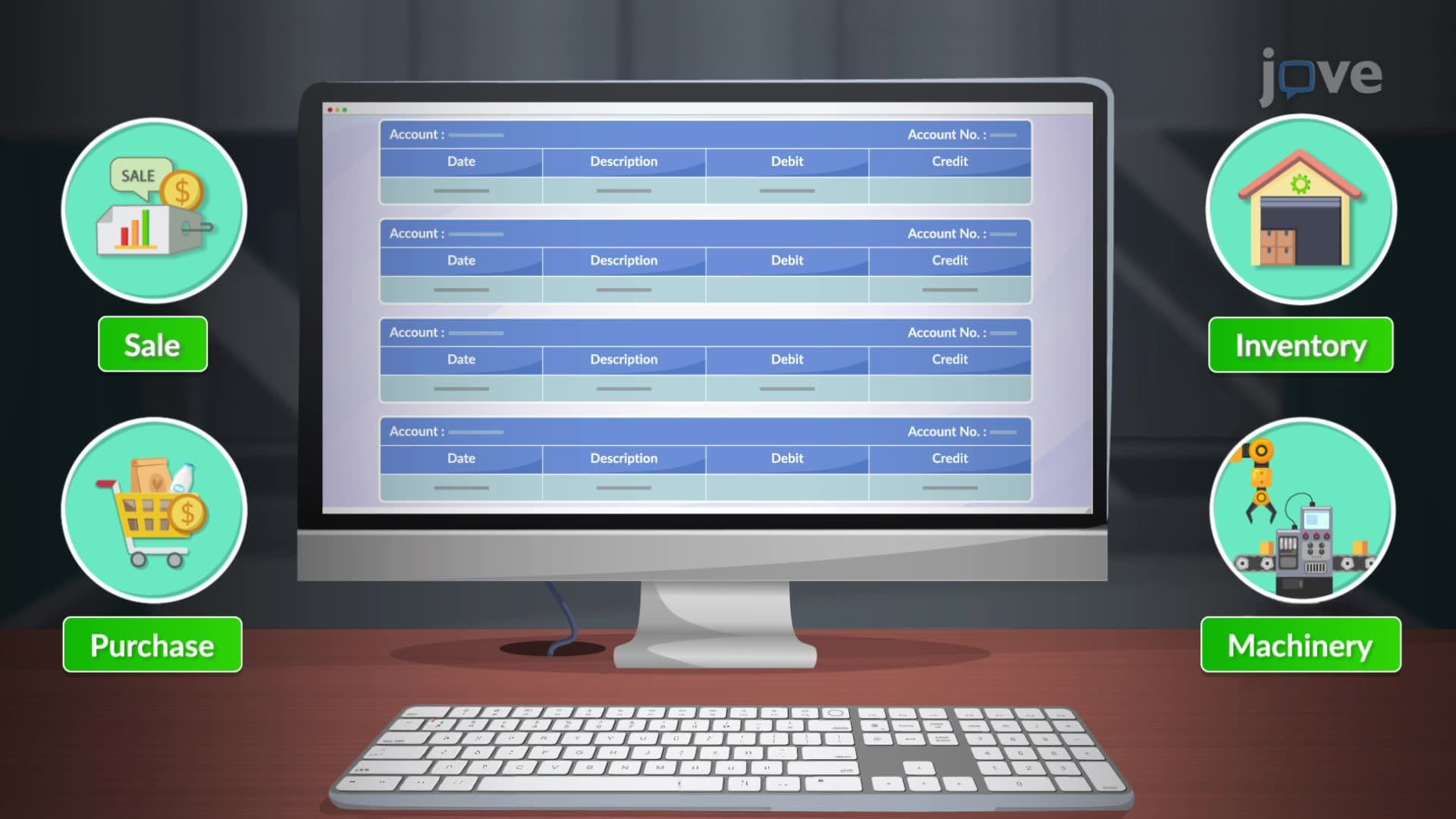
The accounting cycle is the repeating sequence of steps through which financial transactions are identified, recorded, summarized, and reported within a defined accounting period. It begins with source documents, invoices, receipts, contracts, moves through journal entries, general ledger posting, trial balance preparation, adjusting entries, and financial statement generation, and concludes with closing entries that reset temporary accounts for the next cycle. For managers, understanding the accounting cycle clarifies why finance teams operate on specific deadlines and why data submitted late disrupts the reporting process. It also explains the logic behind period-end adjustments, ensuring that revenues and expenses are captured in the correct reporting window.
15. Cash Basis vs. Accrual Basis of Accounting
The cash basis records revenue and expenses only when cash physically changes hands. The accrual basis records them when they are earned or incurred, regardless of when payment occurs. Most mid-to-large organizations operate on the accrual basis because it provides a more accurate representation of financial performance within a given period. For managers, this distinction directly affects how budget performance is interpreted. Under accrual accounting, a department may show significant expenses in a quarter even if invoices have not yet been paid, because the obligation was incurred. Understanding this prevents managers from misreading favorable cash positions as strong financial performance when outstanding liabilities exist.
16. Revenue Recognition and Expense Recognition
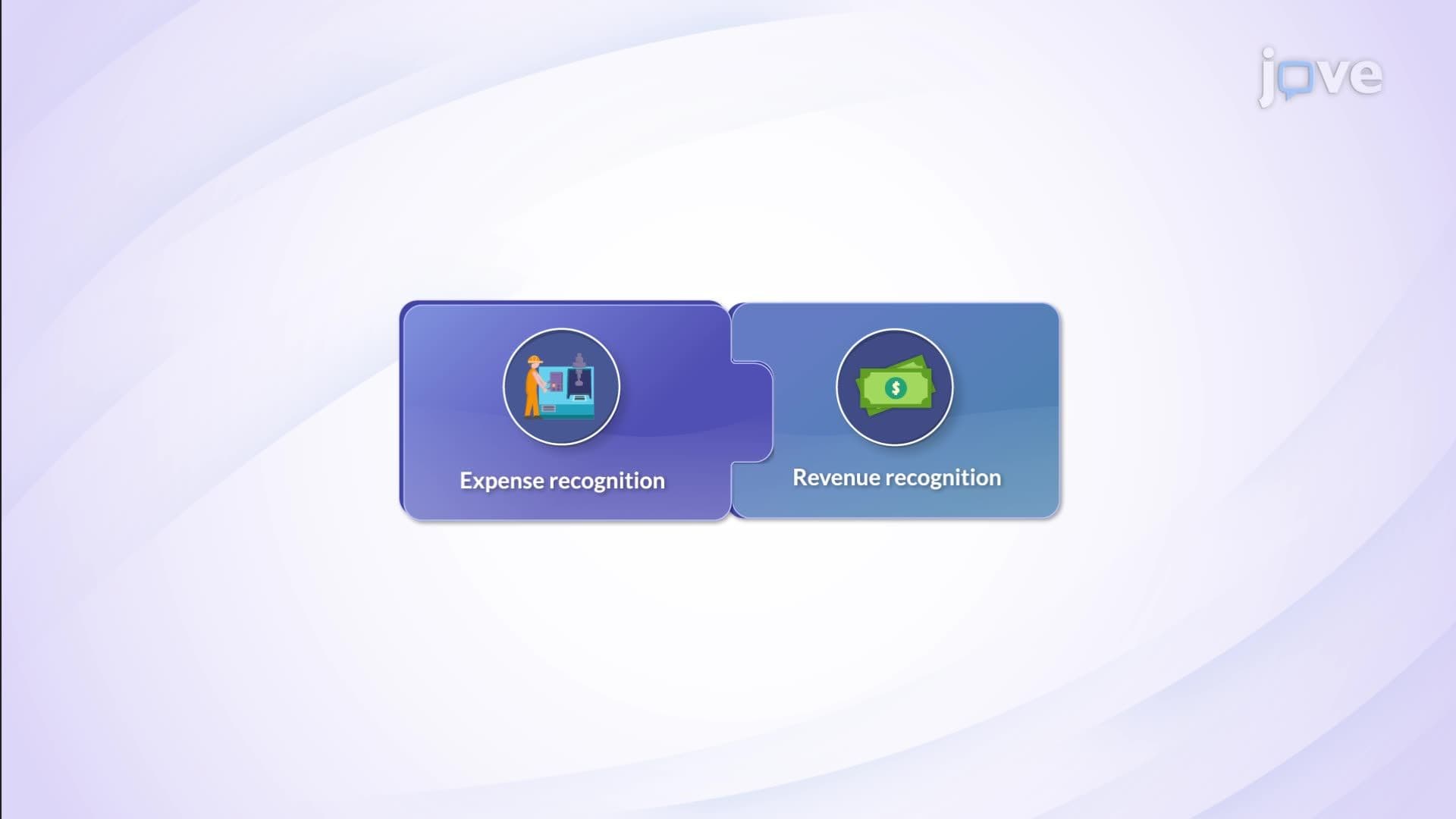
Revenue recognition determines when income is recorded, specifically, when it has been earned through the delivery of goods or completion of services, regardless of when payment arrives. Expense recognition, guided by the matching principle, dictates that expenses should be recorded in the same period as the revenue they helped generate. Together, these principles ensure that financial statements reflect true economic performance rather than cash timing. For managers overseeing service-based teams, project-based billing, or contract deliverables, these concepts have direct operational relevance. Knowing when revenue is formally recognized, and when costs must be matched to that revenue, shapes how managers plan, forecast, and communicate financial results to leadership.