Loading video…


 23 Concepts
 13.7K views

Video Summary: What are Gaap Vs Ifrs
GAAP vs. IFRS basics matter more than most managers realize, especially when your team works across borders or reports to stakeholders using different financial frameworks. Understanding what GAAP vs. IFRS means helps you interpret financial statements accurately and ask sharper questions in budget reviews. Misreading a balance sheet because of differing standards is a real leadership blind spot. Watch the full video on JoVE Coach to master this concept with expert-led visuals and step-by-step explanations.
You're sitting in a quarterly business review. The finance team presents a balance sheet, and a colleague from a regional office in Europe flags that their asset values look significantly different from what your domestic team reported, same asset class, similar purchase prices, yet the numbers don't match. Nobody in the room can explain why. This is a classic GAAP vs. IFRS problem, and it plays out in management meetings more often than most leaders acknowledge.
GAAP, Generally Accepted Accounting Principles, is the dominant framework in the United States. It is rules-based, which means it provides highly specific guidance for nearly every financial scenario. IFRS, International Financial Reporting Standards, is used in over 140 countries across Europe, Asia, and beyond. It is principles-based, offering broader conceptual guidance and more interpretive flexibility.
The practical implication for managers: two divisions within the same global organization can report financial results using different standards, and both can be entirely correct. The confusion arises not from error, but from framework mismatch. When you understand this distinction, you stop questioning the numbers and start asking the right question, which standard is being applied here?
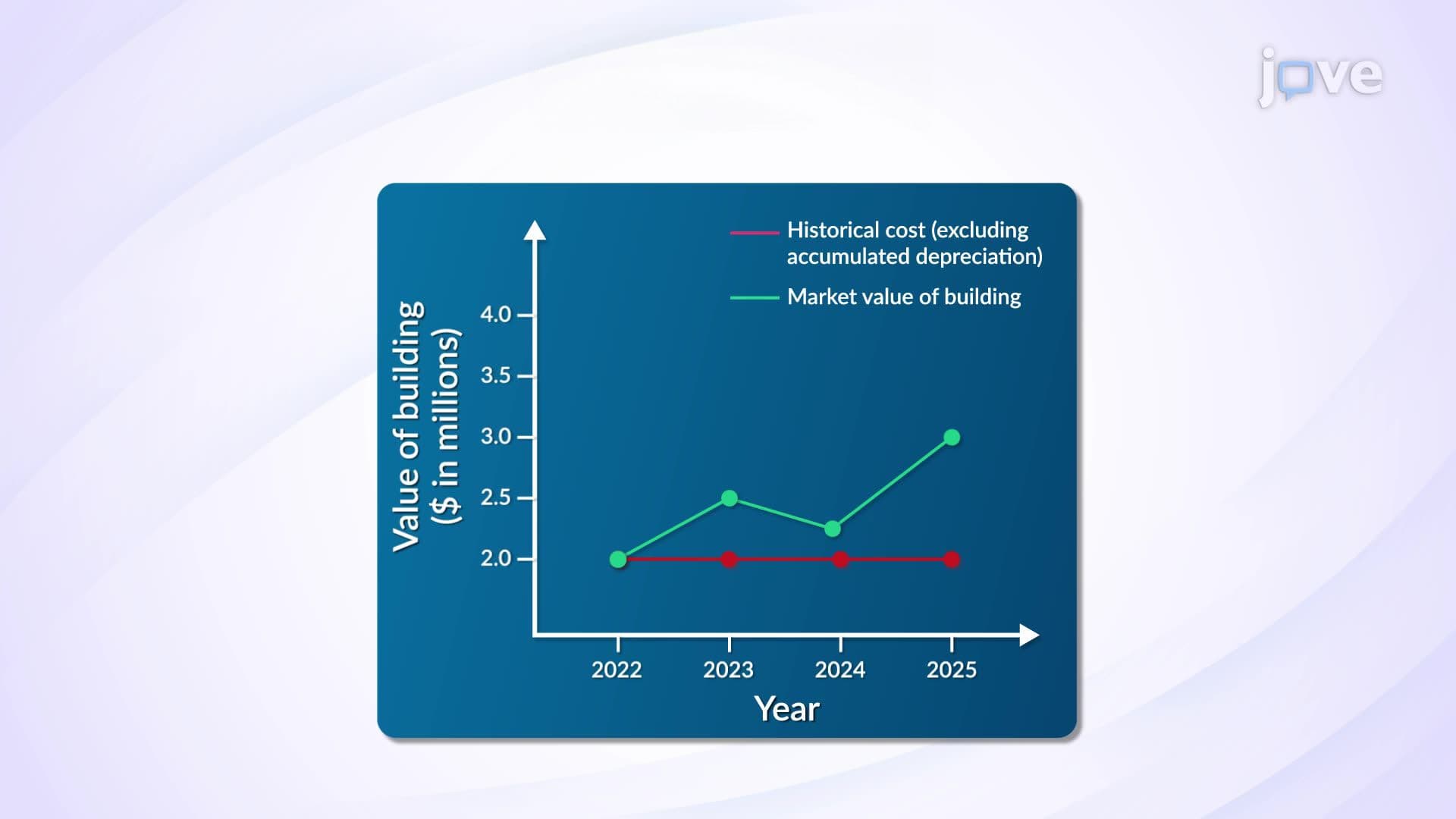
One of the most consequential differences between GAAP vs. IFRS explained in practical terms comes down to asset valuation. Under GAAP, a fixed asset, say, a piece of commercial property, is reported at its original purchase price minus accumulated depreciation. The number stays anchored to historical cost regardless of what the market does.
Under IFRS, companies have the option to revalue that same asset upward if its fair market value has increased. This means a property purchased for fifty million dollars could appear on an IFRS balance sheet at sixty or seventy million dollars if market conditions support it, while the identical asset sits at a lower depreciated value on a GAAP balance sheet.
For managers overseeing capital-intensive teams or managing assets as part of their operational remit, this distinction directly affects how you read net worth, equity figures, and return-on-asset metrics. Apply a simple mental check before interpreting any asset figure: ask your finance partner which valuation method underpins the number.
The inventory accounting difference is another area where GAAP vs. IFRS basics produce materially different outcomes. GAAP permits the Last In, First Out (LIFO) inventory method, which assumes the most recently acquired inventory is sold first. During periods of rising costs, LIFO produces higher cost of goods sold and lower taxable income, a meaningful financial lever.
IFRS prohibits LIFO entirely. Companies operating under IFRS must use First In, First Out (FIFO) or weighted average cost. This means that a team in a GAAP jurisdiction and a team in an IFRS jurisdiction, both selling the same product with the same inventory volumes, can report vastly different gross margins, purely because of accounting method.
For managers responsible for cost management, pricing strategy, or supply chain budgeting, this is not a theoretical distinction. When reviewing profitability comparisons across global business units, always confirm the inventory accounting method before drawing any performance conclusions. A lower margin in one region may reflect an accounting methodology difference, not an operational failure.
The most frequent management mistake is treating financial statements from different regions as directly comparable without checking the underlying framework. A second common error is escalating apparent discrepancies as finance errors when the real cause is standard-based differences in valuation or inventory treatment.
The practical fix is straightforward: build a habit of asking your finance business partner two questions at the start of any cross-regional financial review, "Which accounting standard applies here?" and "Are there any revaluation or inventory method differences I should factor in?" These two questions alone will prevent the majority of misinterpretations that derail cross-functional alignment conversations.
Related Micro-courses