Loading video…

 23 Concepts
 13.7K views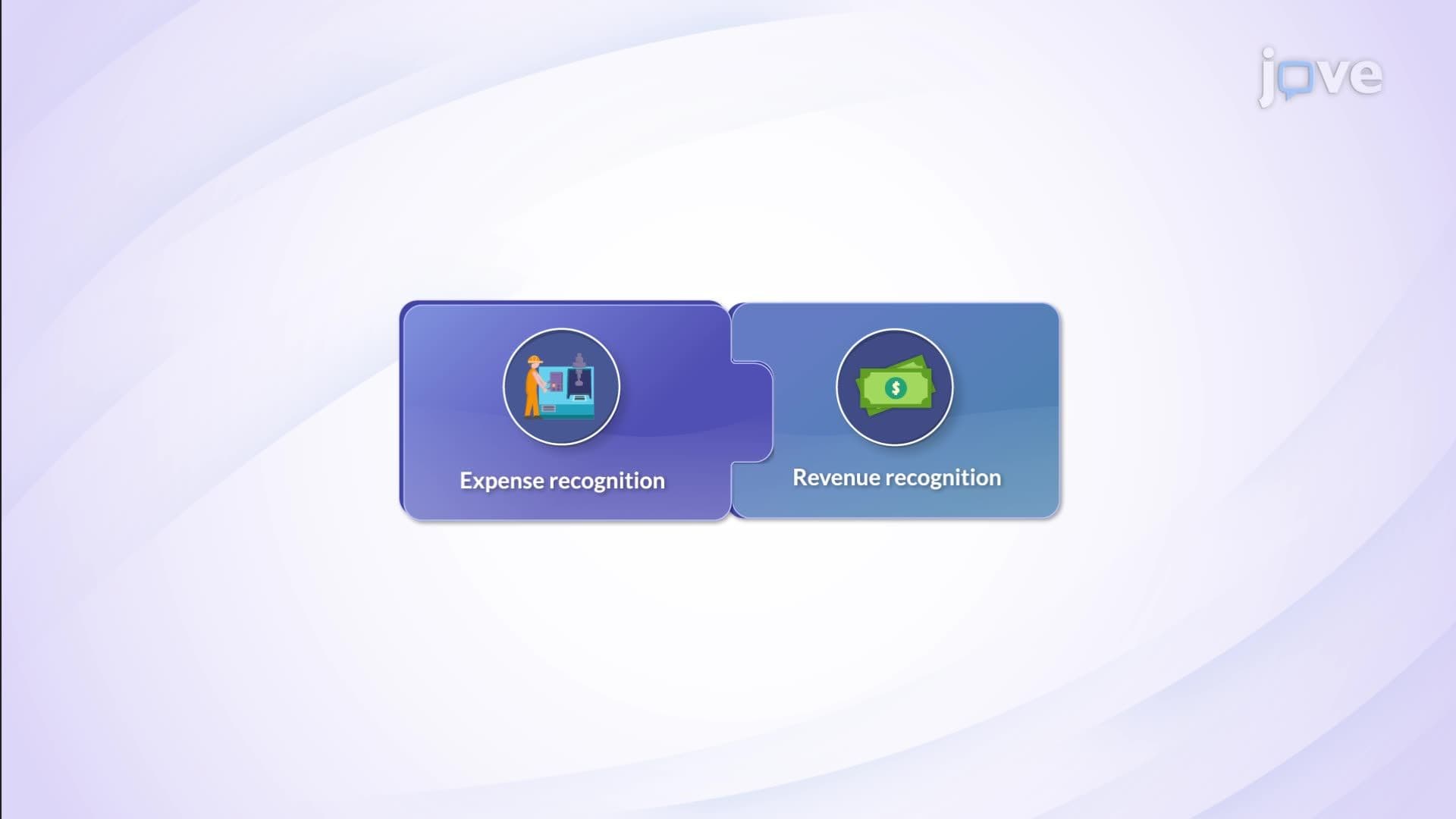

Video Summary: What Is Expense Recognition
Expense recognition basics trip up many new managers the moment they're asked to defend a budget decision or explain why a cost appears in a particular period. Understanding expense recognition, the principle that costs must be recorded in the same period as the revenues they generate, gives you the financial fluency to have those conversations with confidence. Watch the full video on JoVE Coach to master this concept with expert-led visuals and step-by-step explanations.
Picture this: your team completes a major client deliverable in Q3. The revenue is booked. But several vendor invoices and contractor fees tied directly to that project don't arrive until Q4. If those costs get recorded in Q4, your Q3 profitability looks inflated, and your Q4 suddenly looks worse than it actually is. That distortion has real consequences: it can affect resource allocation decisions, headcount approvals, and how leadership perceives your team's performance. This is exactly the problem that expense recognition, also known as the matching principle, exists to solve.
Most managers who didn't come up through finance encounter the same wall: they understand cash flow intuitively but struggle with the idea that financial statements don't always follow the money. In accrual accounting, the question isn't *when did we pay for it?*, it's *when did this cost help us generate revenue?* That shift in thinking is subtle but significant. Without it, managers misread their own financial reports, challenge finance teams on numbers that are actually correct, and make resourcing decisions based on a distorted picture of team performance.
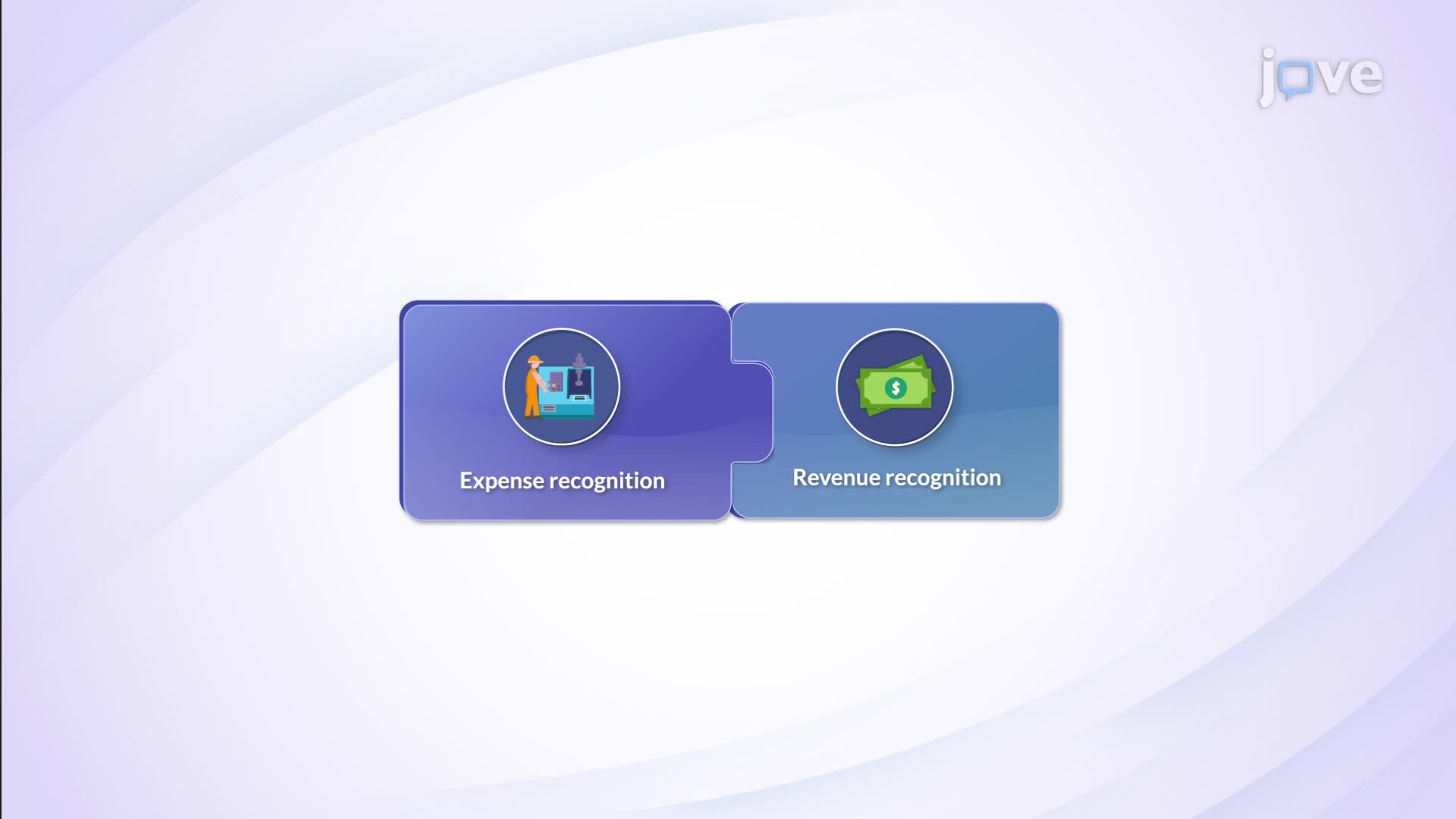
The matching principle is the operational core of expense recognition. It dictates that every cost your team incurs should appear on the books in the same period as the revenue that cost helped produce. Think of it as a cause-and-effect rule for your financials.
A practical three-step approach for managers:
1. Identify the revenue event. When did your team's work create economic value for the business, when the product shipped, when the service was delivered, when the contract milestone was hit? 2. Trace the associated costs. Which expenses, labor, materials, vendor services, tools, directly enabled that revenue event? 3. Confirm the period alignment. Work with your finance partner to ensure those costs are recorded in the same accounting period as the revenue, regardless of when invoices are paid or received.
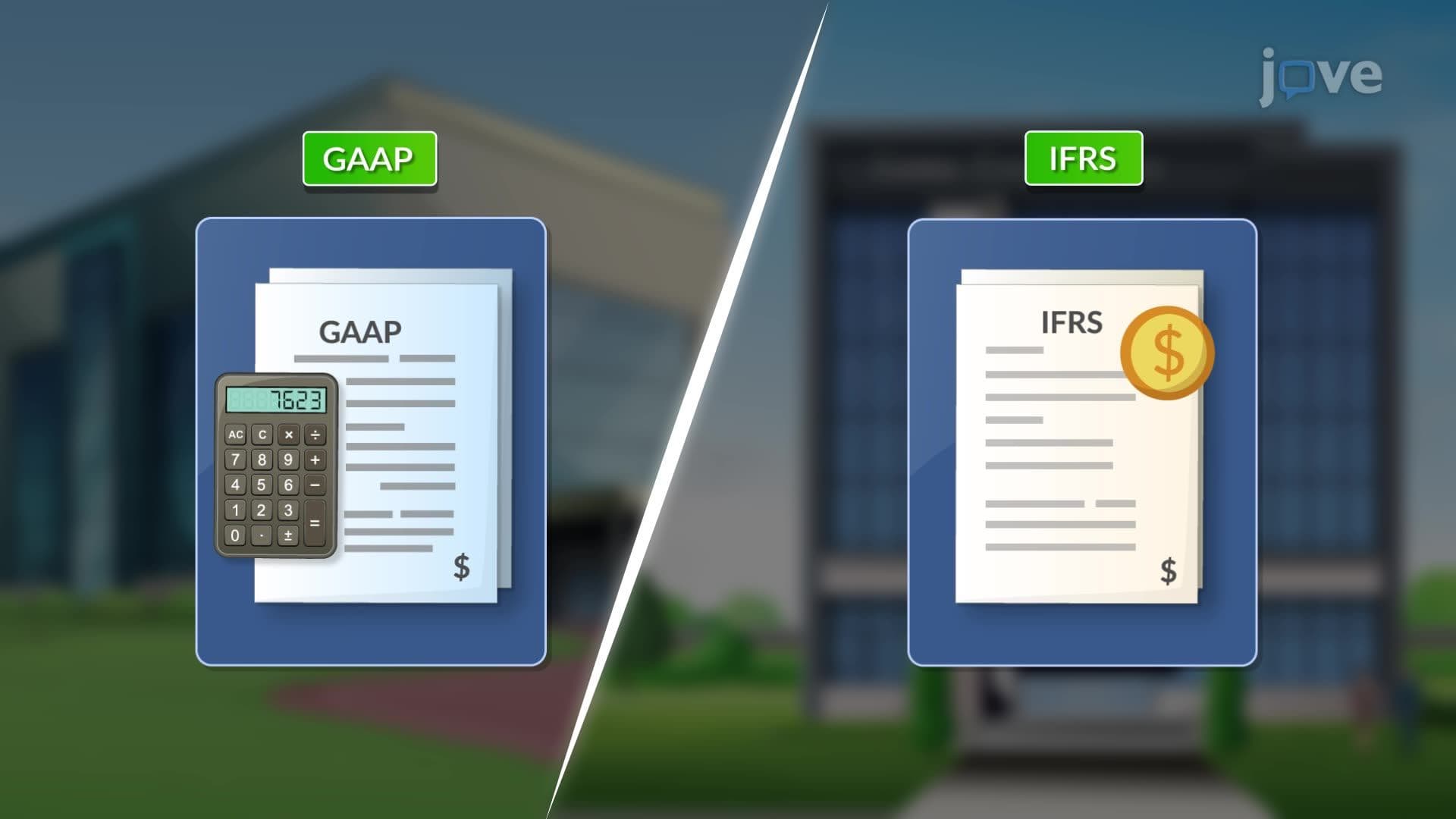
This mirrors how GAAP (Generally Accepted Accounting Principles) structures financial reporting and is foundational to producing reliable profit figures that leadership and board-level stakeholders can trust.
In practice, expense recognition becomes most relevant during budget reviews, monthly close conversations, and project post-mortems. When your finance business partner flags a cost that looks out of place, your first question should be: *which revenue period does this cost belong to?* That single question signals financial sophistication and moves the conversation from confusion to resolution.
In your 1:1s with team leads who own project budgets, introduce the habit of tagging costs to the deliverable or revenue milestone they support, not just to the invoice date. This small discipline makes period-end reporting cleaner, reduces last-minute accrual scrambles, and positions your team as a reliable financial partner to the broader business. Over time, managers who operate this way consistently earn more autonomy in budget decisions, because leadership trusts that the numbers they report actually mean what they say.
Related Micro-courses