Loading video…


 23 Concepts
 13.7K views

Video Summary: Financial Accounting Vs Managerial Accounting Explained
Financial accounting vs. managerial accounting basics trip up many new managers who suddenly need to interpret reports, justify budgets, or speak credibly in finance meetings. Understanding financial accounting vs. managerial accounting separates managers who react to numbers from those who lead with them. One faces outward; the other drives internal decisions. Watch the full video on JoVE Coach to master this concept with expert-led visuals and step-by-step explanations.
Picture this: you've just walked out of a leadership meeting where the CFO referenced GAAP compliance, investor reporting cycles, and departmental cost variances, sometimes in the same sentence. You nodded along, but you weren't entirely sure which type of reporting they were referring to, or why it mattered for how you manage your team. This is one of the most common blind spots for managers who came up through technical, operational, or functional roles. Understanding financial accounting vs. managerial accounting isn't a finance team problem, it's a leadership competency.
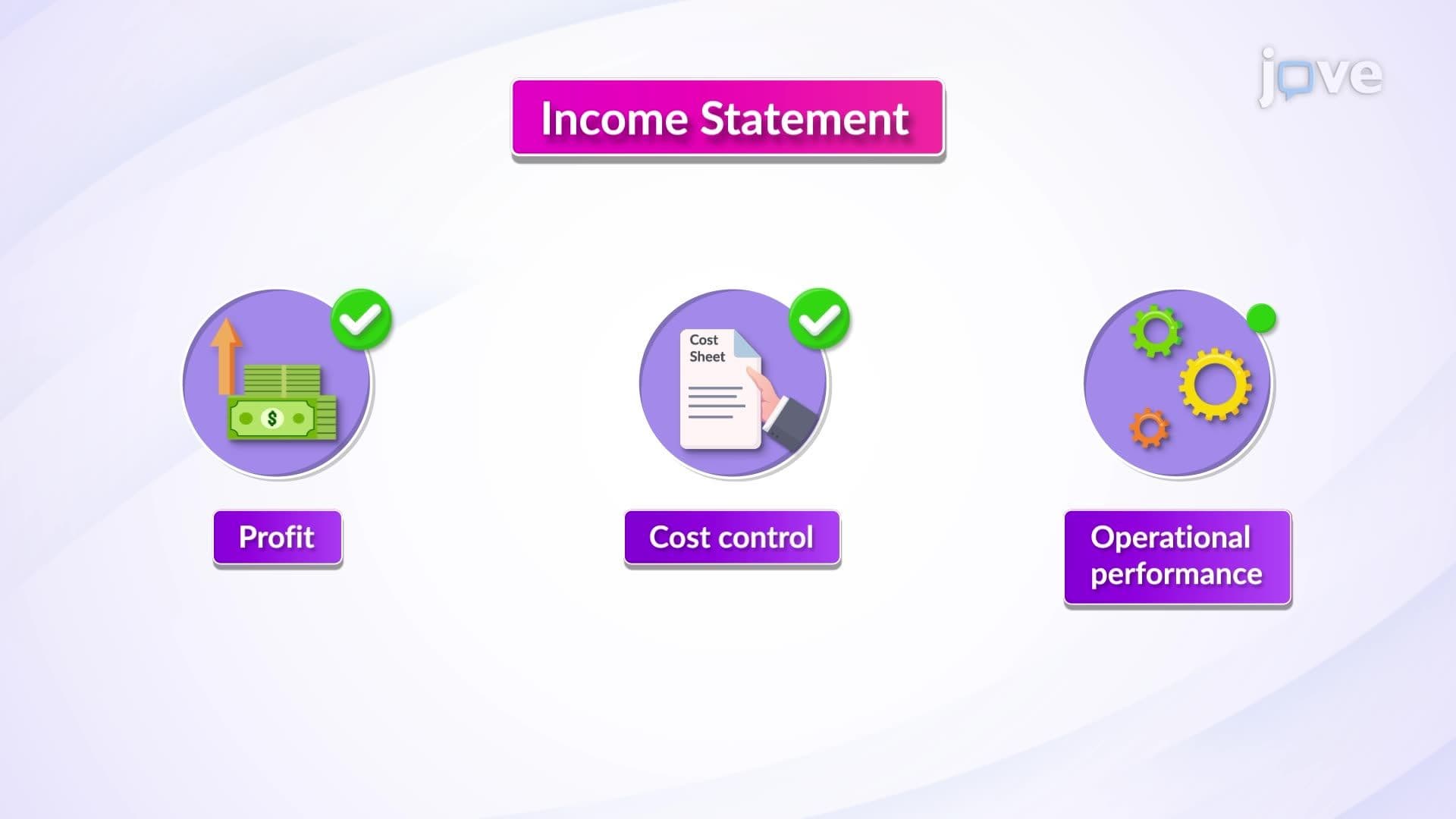
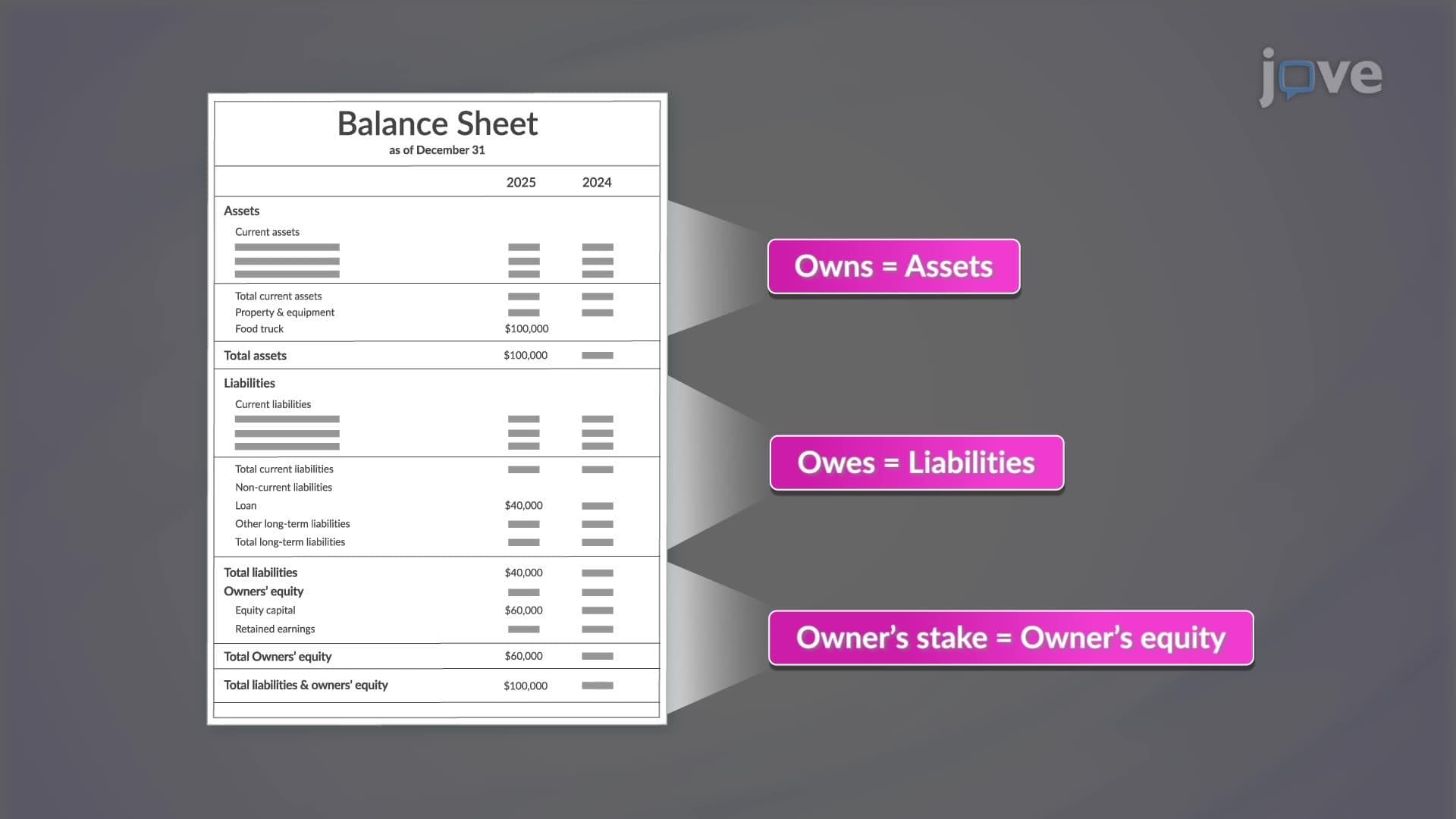
The confusion is understandable. Both disciplines deal with numbers, both appear in leadership conversations, and both influence how resources get allocated. But the audiences they serve are entirely different. Financial accounting produces structured, standardized reports, income statements, balance sheets, cash flow statements, prepared according to Generally Accepted Accounting Principles (GAAP) and designed for people outside the organization: investors, lenders, regulators, and board members. These reports look backward. They tell the story of what already happened, typically on a quarterly or annual basis.
Managerial accounting, by contrast, is your daily operating toolkit. It produces flexible internal reports, budget variance analyses, cost-per-unit breakdowns, departmental P&Ls, weekly labor efficiency summaries, designed specifically to help managers make decisions. There are no external reporting standards constraining the format. The report exists to serve whoever needs it, whenever they need it.
When managers don't understand this distinction, they either over-rely on lagging financial statements to make decisions that need real-time data, or they misread internal reports as externally auditable documents. Both errors slow down decision-making and erode credibility with finance partners.
Think of it as two lenses on the same business reality. The External Lens (financial accounting) shows a standardized, historical, organization-wide picture, useful for understanding overall financial health and communicating with stakeholders outside your team. The Internal Lens (managerial accounting) shows a granular, forward-facing, department-specific picture, useful for running your team efficiently right now.
A practical way to apply this: before any budget meeting or operational review, ask yourself which lens the conversation is using. If someone references GAAP statements, quarterly filings, or investor metrics, you're in financial accounting territory, your job is to understand context and implications. If the conversation is about cost control, production efficiency, KPI tracking, or resource allocation, you're in managerial accounting territory, your job is to lead, challenge, and decide.
This framing maps cleanly onto tools like the Balanced Scorecard, which intentionally bridges financial and non-financial performance data, asking managers to look at both historical outcomes and leading operational indicators simultaneously.
Start by identifying which internal reports your team currently receives, weekly, monthly, or per project, and categorize them. Which ones are helping you make decisions, and which ones are simply summaries of what already happened? If your team is only consuming financial accounting outputs without access to managerial-level data (cost breakdowns by project, resource utilization rates, departmental budget vs. actuals), that's a gap worth raising with your finance business partner.
Next, build a lightweight reporting rhythm for your team. Even a simple weekly review of three to five operational metrics, labor utilization, budget burn rate, output per team member, puts managerial accounting thinking into practice without requiring a finance background. The goal isn't to become an accountant. It's to lead with numbers rather than be led by them.
The most frequent error managers make is treating financial accounting reports as actionable operational data. A quarterly income statement tells you the outcome, it doesn't tell you what to fix or how to fix it. Waiting for financial statements to surface a problem means the problem has already compounded. Conversely, don't dismiss financial accounting as irrelevant to your role. Understanding how your team's performance rolls up into organization-wide financial reporting builds your credibility with senior leadership and strengthens your ability to advocate for resources.
Related Micro-courses