Loading video…


 23 Concepts
 13.7K views

Video Summary: What Is Fair Value Principle
The fair value principle basics every manager overseeing budgets or investment decisions needs to understand often get buried in accounting jargon. What is fair value principle? It's the accounting rule requiring assets and liabilities to be recorded at current market value, not original purchase price. Knowing this sharpens how you read financial reports and make resource decisions. Watch the full video on JoVE Coach to master this concept with expert-led visuals and step-by-step explanations.
Picture this: your leadership team is reviewing a quarterly financial report. The asset column shows numbers that look surprisingly different from what the business actually paid for those holdings months ago. A newer manager in the room quietly wonders whether the report contains an error. It doesn't. What they're seeing is the fair value principle in action, one of the most important and frequently misunderstood concepts in financial accounting fundamentals.
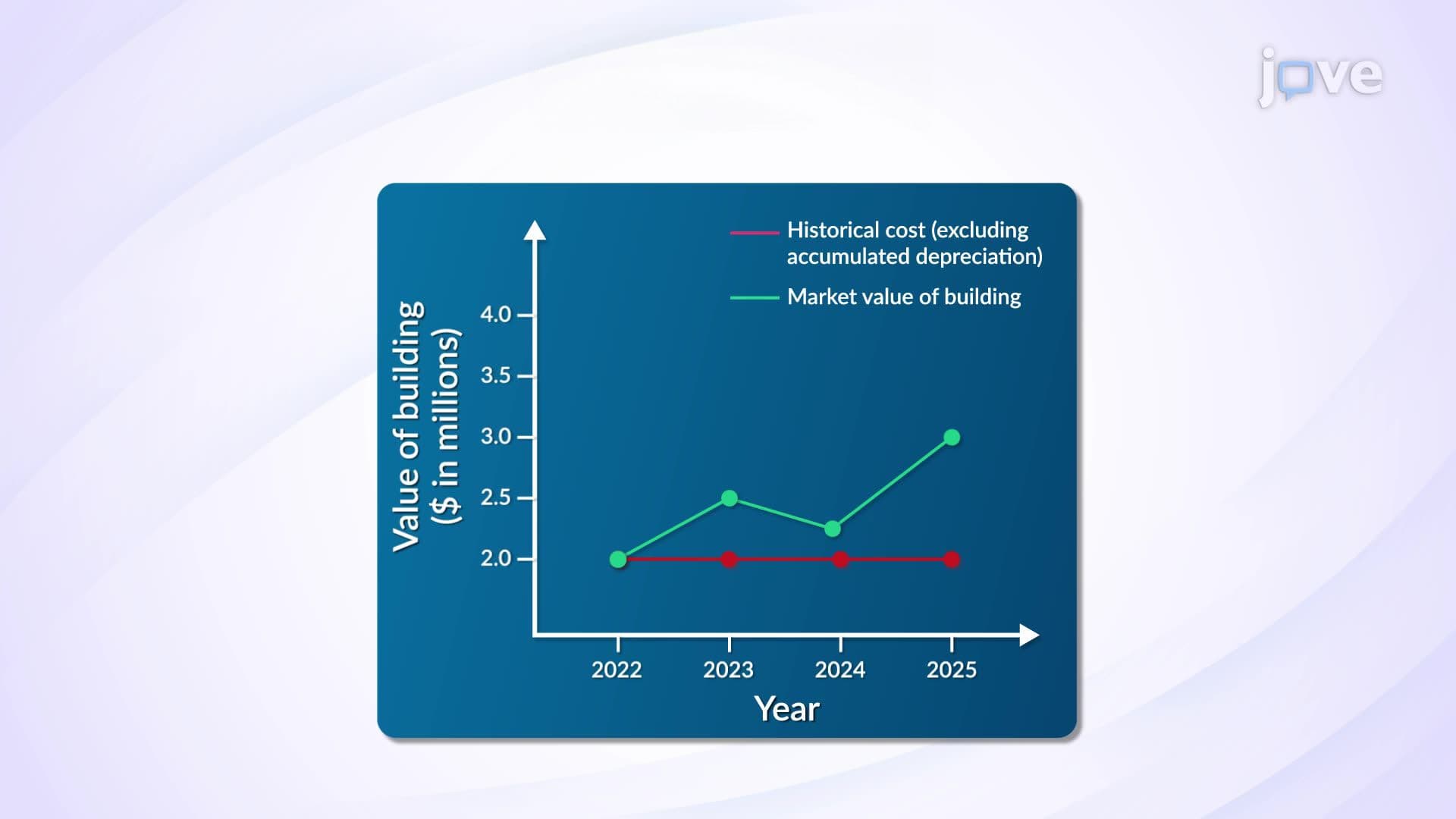
Most managers are trained to think in historical terms, what did we pay, what did we budget, what was the original cost? That mindset works well for operational planning but creates blind spots when reading financial statements governed by GAAP principles. The fair value principle requires that certain assets and liabilities be reported at their *current market value*, not what the organization originally paid. When market conditions shift significantly, and they do, historical cost numbers become misleading. Managers who don't understand this distinction often misread the financial health of their department or business unit, leading to flawed resource decisions or misplaced concerns in leadership conversations.
Think of fair value assessment in two tiers, a practical model that maps directly to how accounting teams approach valuation:
Tier 1, Market-Based Valuation: When reliable, observable market data exists (for example, publicly traded securities), the current market price is used directly. If an asset was purchased at one price but the market now prices it higher or lower, the reported value adjusts accordingly. For managers, this means the numbers on a report reflect *today's reality*, not the original transaction.
Tier 2, Estimation-Based Valuation: When no active market exists, think investment properties, specialized equipment, or niche assets, finance teams use valuation techniques. These often involve projected income streams and discount rates, similar to a discounted cash flow (DCF) approach. As a manager, your role here is to ask the right questions: What assumptions underpin this valuation? How sensitive is it to changes in those assumptions?
This two-tier framework helps managers engage finance conversations with structure rather than confusion.
When your next budget or financial review lands on your desk, approach it with these three practical steps:
1. Identify what type of assets are being reported. Are they market-traded (likely fair value) or longer-term holdings with no active market (likely estimated)? This shapes how you interpret fluctuations.
2. Ask about the basis of valuation. A well-framed question, *"Is this figure based on current market data or a valuation model?"*, signals financial literacy and opens productive dialogue with your finance partners.
3. Separate volatility from performance. Fair value accounting introduces fluctuation that isn't always linked to operational performance. A reported increase in asset value may reflect market movement, not a management win. Equally, a decline doesn't always signal a problem your team caused. Training yourself, and your team, to distinguish between the two prevents reactive decisions.
The most common managerial mistake is treating fair value changes as definitive performance signals. A senior leader who sees asset values rise may celebrate prematurely; one who sees them fall may escalate unnecessarily. Neither response accounts for market-driven volatility. A second mistake is deferring entirely to finance without building your own working understanding of the concept. You don't need to perform the calculations, but you do need to interpret the outputs confidently. Managers who develop even a foundational grasp of accounting concepts like fair value earn more credibility in cross-functional conversations and make faster, better-calibrated decisions.
Related Micro-courses