Loading video…

 23 Concepts
 13.7K views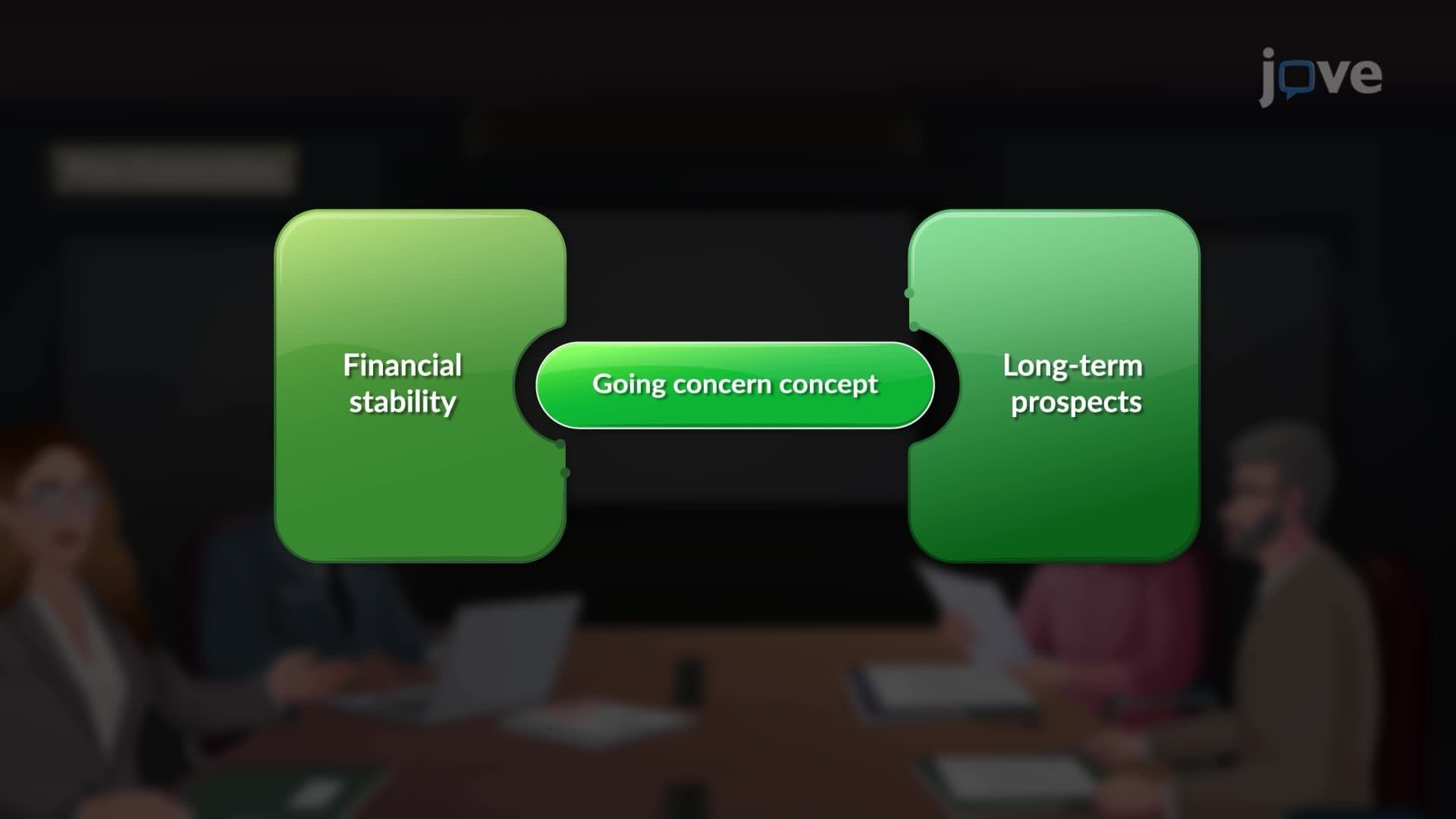

Video Summary: What Is Going Concern Concept
The going concern concept becomes critical when managers must interpret financial signals about their organization's long-term viability. Understanding going concern concept basics helps you read auditor disclosures, ask sharper questions during budget reviews, and respond credibly when leadership raises financial stability concerns. Ignoring these signals costs managers credibility and decision-making speed. Watch the full video on JoVE Coach to master this concept with expert-led visuals and step-by-step explanations.
Picture this: your organization has just gone through three consecutive quarters of operating losses. Rumors are circulating. Your team is asking questions you cannot fully answer. Then the audited financial statements land in your inbox with a note flagging uncertainty about the organization's ability to continue as a going concern. If you cannot explain what that means, or act on it, your credibility takes a hit precisely when your team needs steady leadership most.
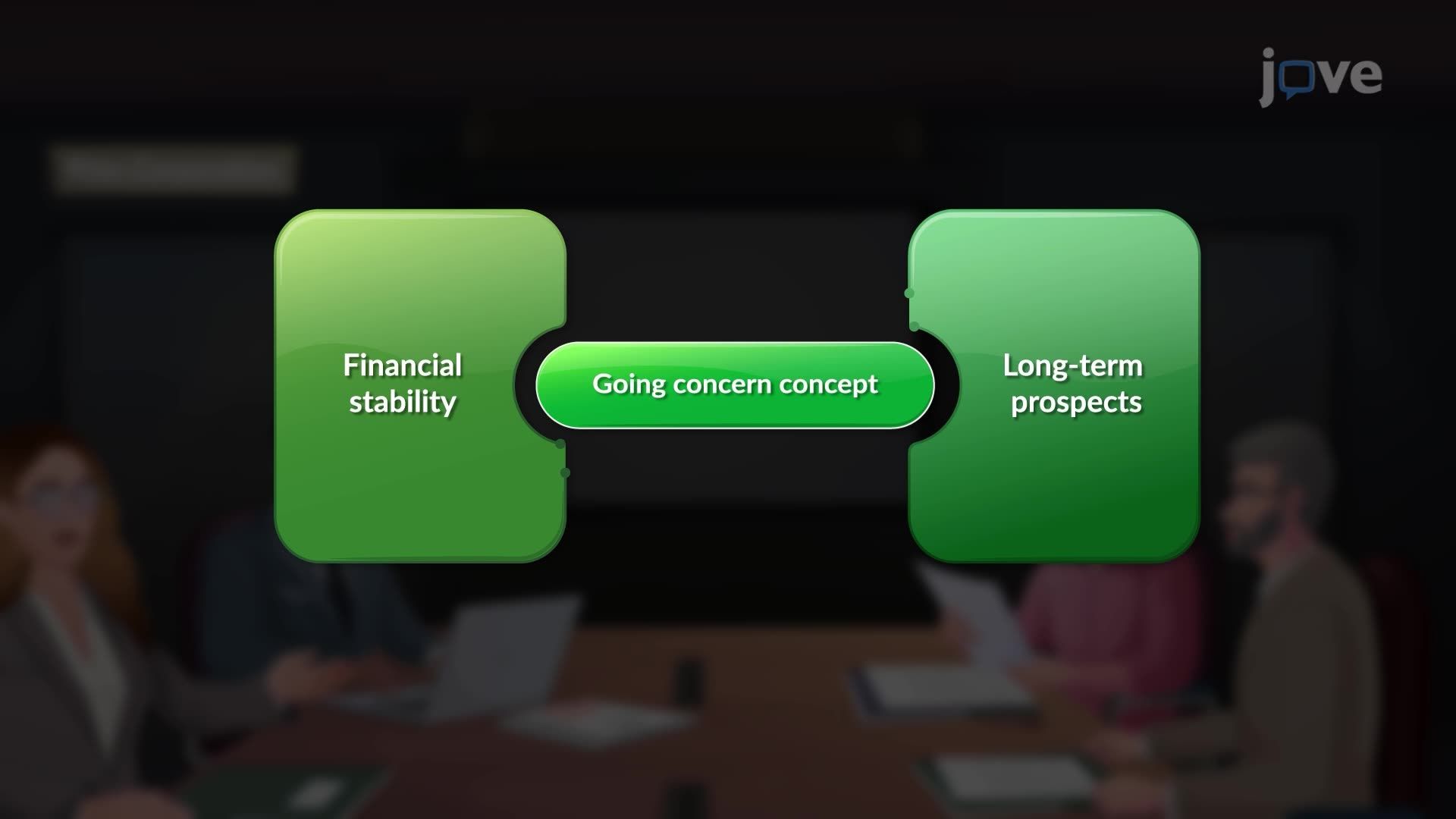
The going concern concept is a foundational accounting principle stating that a business is assumed to continue operating into the foreseeable future. It is not merely a technical footnote. It shapes how every asset is valued, how liabilities are presented, and how management and auditors communicate risk to investors and lenders. For managers outside the finance function, understanding this concept is the difference between reacting to a crisis and anticipating it.
Most managers encounter the going concern concept only after it becomes a formal disclosure, when auditors have already flagged it in financial statements. By then, the window for proactive intervention has narrowed significantly.
The root issue is that financial accounting fundamentals are rarely built into leadership development. Managers are trained to drive results, not to read the structural health signals embedded in financial reports. Terms like depreciation, asset valuation, and GAAP principles feel like finance territory. But when organizational continuity is at risk, these concepts land directly in your management reality, affecting headcount decisions, capital approvals, vendor relationships, and team stability.
The warning signs are typically cumulative: consistent operating losses, inability to meet debt obligations, declining revenue trends, material legal proceedings, and loss of key customers or contracts. None of these appear overnight. Managers who understand accounting concepts like going concern are better positioned to flag internal deterioration early and escalate with evidence rather than instinct.
A practical approach borrows from the traffic-light risk framework applied to financial indicators:
This framework helps managers translate financial accounting fundamentals into operational posture. It also creates a shared language when collaborating with finance partners, making cross-functional conversations more productive and less reactive.
Apply this in your next quarterly business review: rather than accepting summary metrics, ask explicitly whether the going concern assumption underpinning the financial plan has been reviewed and whether any of the amber indicators are trending toward red.
Treating financial disclosures as finance-only territory. When a going concern note appears in audited statements, every manager with budget accountability needs to understand its implications, not just the CFO. The disclosure affects how you communicate resource constraints, manage team expectations, and prioritize initiatives.
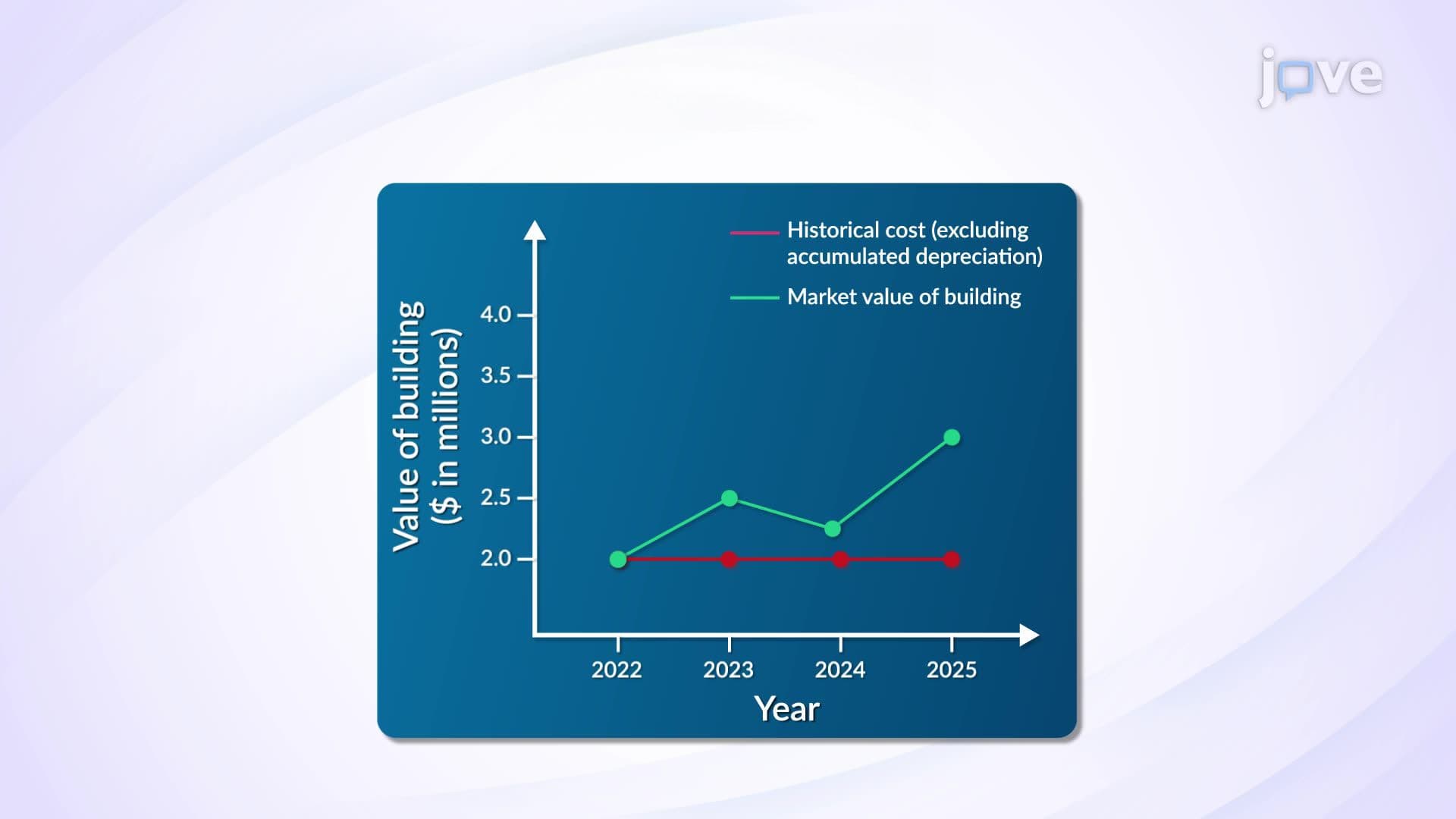
Confusing book value with current market value. Under the going concern assumption, assets like equipment are recorded at cost minus accumulated depreciation, not at what they would fetch in a fire sale. Managers who misread this make flawed arguments in asset justification conversations.
Waiting for certainty before communicating. Research in organizational communication consistently shows that silence during uncertainty is more damaging than measured, honest disclosure. If your organization is navigating financial instability, your team will sense it. Use the going concern framework to structure an honest, stable message: "Here is what we know, here is what is being reviewed, here is what you should focus on."
The managers who handle financial uncertainty best are not necessarily the most financial-literate, they are the ones who build enough baseline fluency to ask the right questions, stay calm under ambiguity, and communicate with credibility when the numbers are not clean.
Related Micro-courses