Loading video…


 23 Concepts
 13.7K views

Video Summary: What Is Monetary Measurement Concept
The monetary measurement concept trips up managers the moment they try to explain financial statements to their teams, or justify budget decisions using data that doesn't appear on any report. Understanding the monetary measurement concept basics helps you read financials with confidence and explain why certain business contributions, however valuable, never show up in the numbers. Watch the full video on JoVE Coach to master this concept with expert-led visuals and step-by-step explanations.
Picture this: your team just delivered an exceptional quarter. Client satisfaction scores are at an all-time high, three team members have significantly upskilled, and cross-departmental relationships have never been stronger. Then the finance report lands, and none of it appears. No line item. No entry. Nothing. If you've ever sat in a leadership review wondering why your team's most meaningful contributions are invisible in the numbers, the monetary measurement concept is the reason, and understanding it will change how you lead financial conversations forever.
Most managers approach financial statements with a nagging sense that something is missing. That instinct is correct, and it's not a flaw in your thinking. The monetary measurement concept is a foundational accounting principle establishing that only transactions expressible in currency can be recorded in financial books. This means every entry must carry a measurable dollar, euro, pound, or yen value. The moment a business activity can't be reliably converted into a monetary figure, it falls outside the accounting system entirely.
The practical consequence: your team's growing expertise, your department's improved reputation, or a surge in positive client feedback, all genuinely valuable, are invisible to financial reporting. Managers who don't understand this principle often walk into budget reviews confused about why leadership is laser-focused on numbers that feel incomplete. Knowing the rule means you stop being confused and start being strategic.
Think of your department's outputs in two columns. Column A contains activities with a direct, verifiable monetary value, purchasing equipment, paying salaries, generating revenue, incurring operational costs. These transactions are recorded. Column B contains activities that drive business outcomes but resist precise monetary measurement, team morale, institutional knowledge, leadership credibility, customer relationships. These are not recorded under the monetary measurement concept, regardless of how significant their impact.
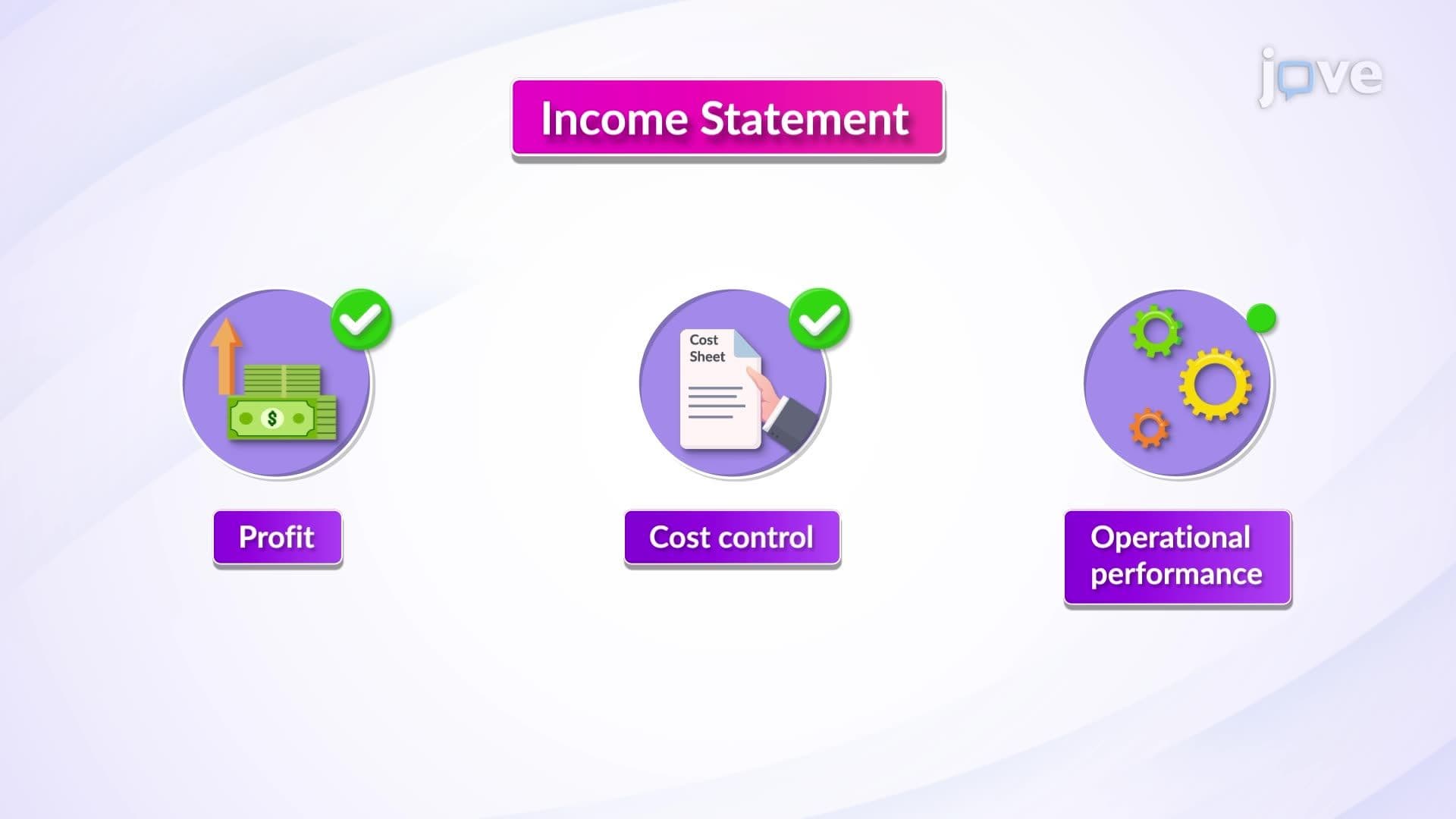
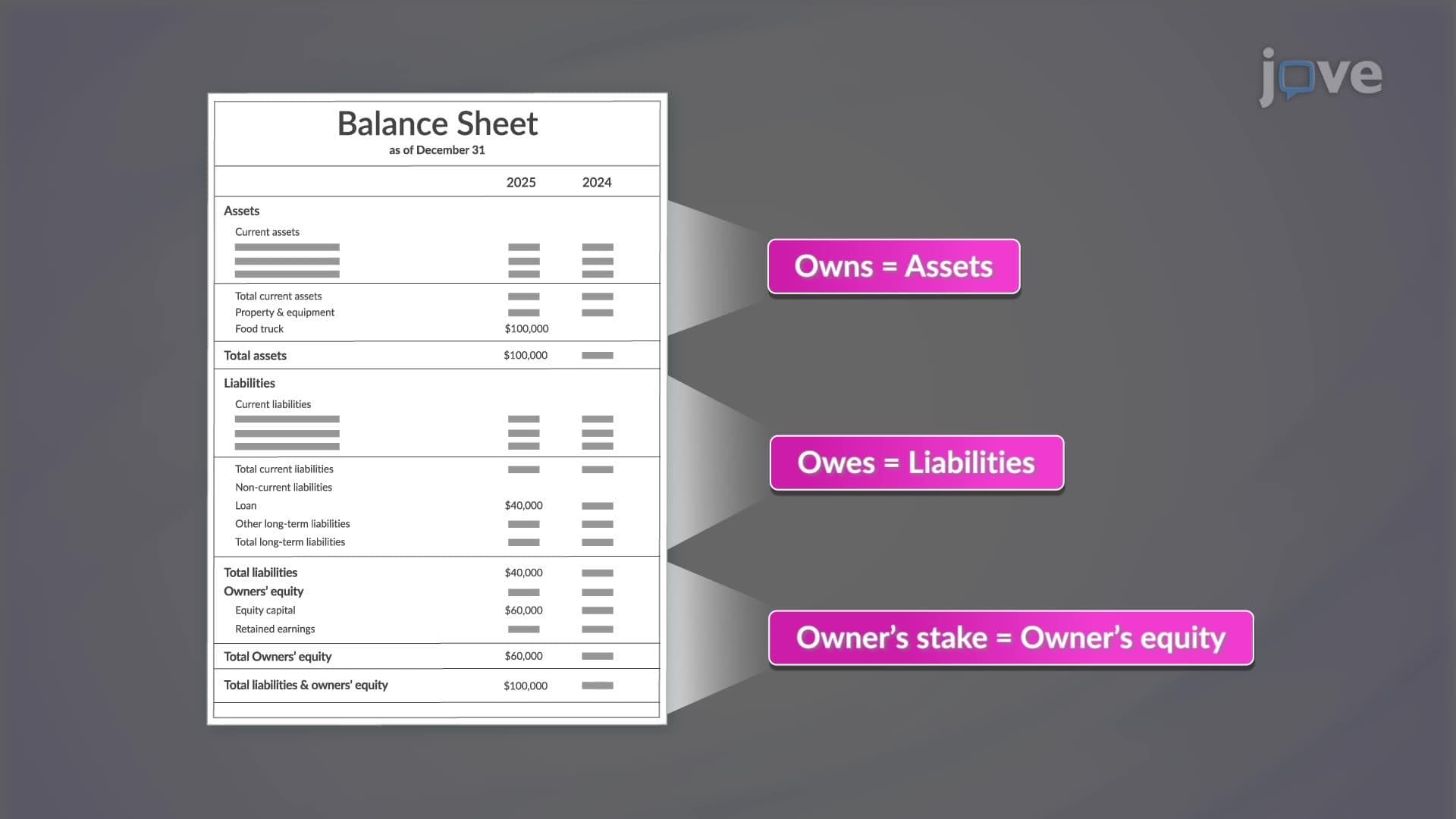
This isn't a judgment about importance. It's a structural rule that exists to ensure financial statements are consistent, comparable, and auditable across reporting periods and across organizations. Frameworks like GAAP (Generally Accepted Accounting Principles) and IFRS rely on this principle to make financial data trustworthy at scale. For you as a manager, this distinction is the foundation of financial literacy, and it's what allows you to read a balance sheet or income statement without assuming it tells the whole story.
Once you understand the monetary measurement concept, you can use it in three concrete ways as a manager.
First, when building a business case, anchor every argument to a monetizable outcome. Instead of saying "upskilling the team will improve performance," quantify it: "reducing error rates by 15% will save approximately X in rework costs per quarter." Financial stakeholders respond to what the accounting system can capture.
Second, during performance reviews, help your team members understand why their qualitative contributions, mentoring colleagues, improving client relationships, driving cultural change, matter enormously but require separate documentation and narrative outside the financial system. This prevents the demoralizing misconception that "if it's not in the numbers, it doesn't count."
Third, in cross-functional planning conversations, use this principle to explain reporting limitations honestly. When a colleague asks why a major capability-building initiative produced no visible financial movement in Q1 reports, you can explain with authority, not defensiveness, that the accounting system only captures monetary transactions, and that the real impact will manifest over time in measurable outcomes.
This is how financial literacy translates into leadership credibility.
Related Micro-courses