Loading video…

 23 Concepts
 13.7K views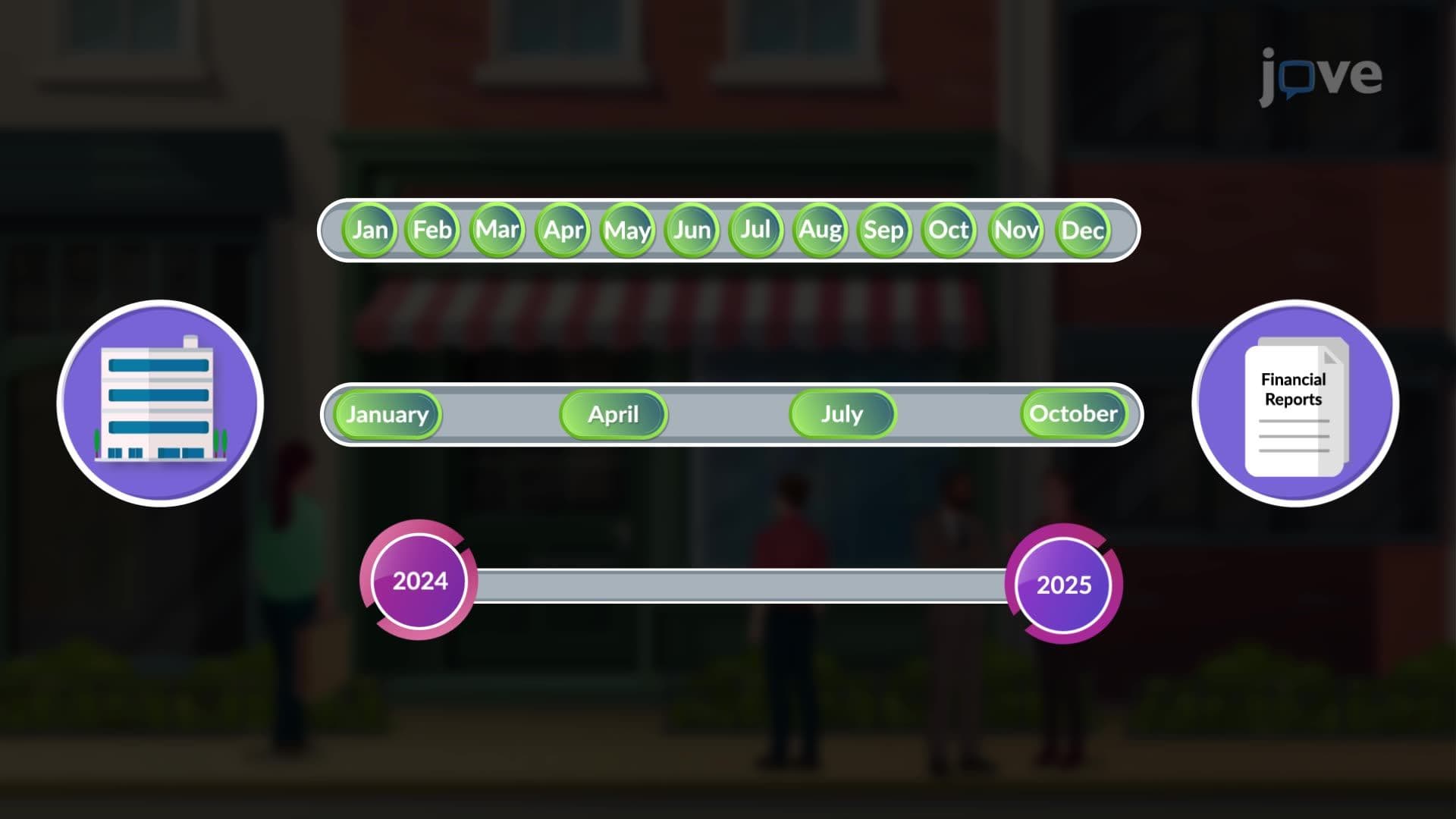

Video Summary: What Is Periodicity Concept
The periodicity concept basics matter more than most managers realize when they're reviewing financial reports, approving budgets, or justifying spend to leadership. Understanding the periodicity concept helps you interpret why costs appear when they do, and why a single large purchase doesn't hit the books all at once. Grasp this, and financial conversations with your finance team become far more productive. Watch the full video on JoVE Coach to master this concept with expert-led visuals and step-by-step explanations.
Picture this: your team just completed a major infrastructure upgrade. The equipment purchased will serve the organization for the next seven years, yet your finance partner tells you only a fraction of that cost will appear in this quarter's budget report. If you've ever sat in a financial review meeting wondering why numbers don't match what you thought was spent, the periodicity concept is almost certainly at the center of that confusion.
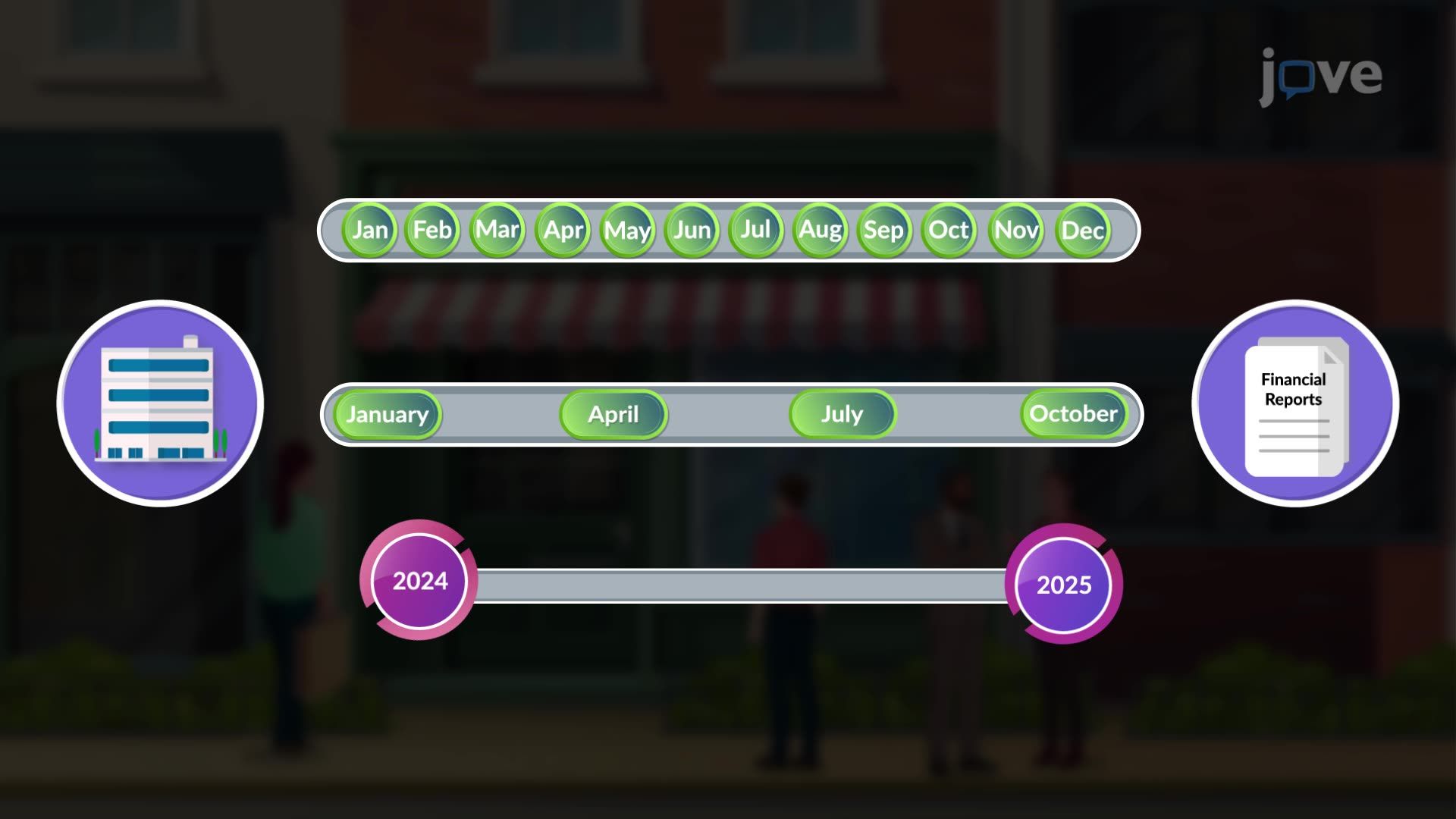
Most managers are operationally sharp but financially under-equipped, not because they lack intelligence, but because no one ever explained the foundational assumptions behind financial statements. The periodicity concept, also called the time-period assumption, establishes that a business's financial life is divided into defined intervals, typically months, quarters, or fiscal years, for reporting purposes. Without this lens, managers misread reports, misattribute performance dips, and make poorly timed resource requests.
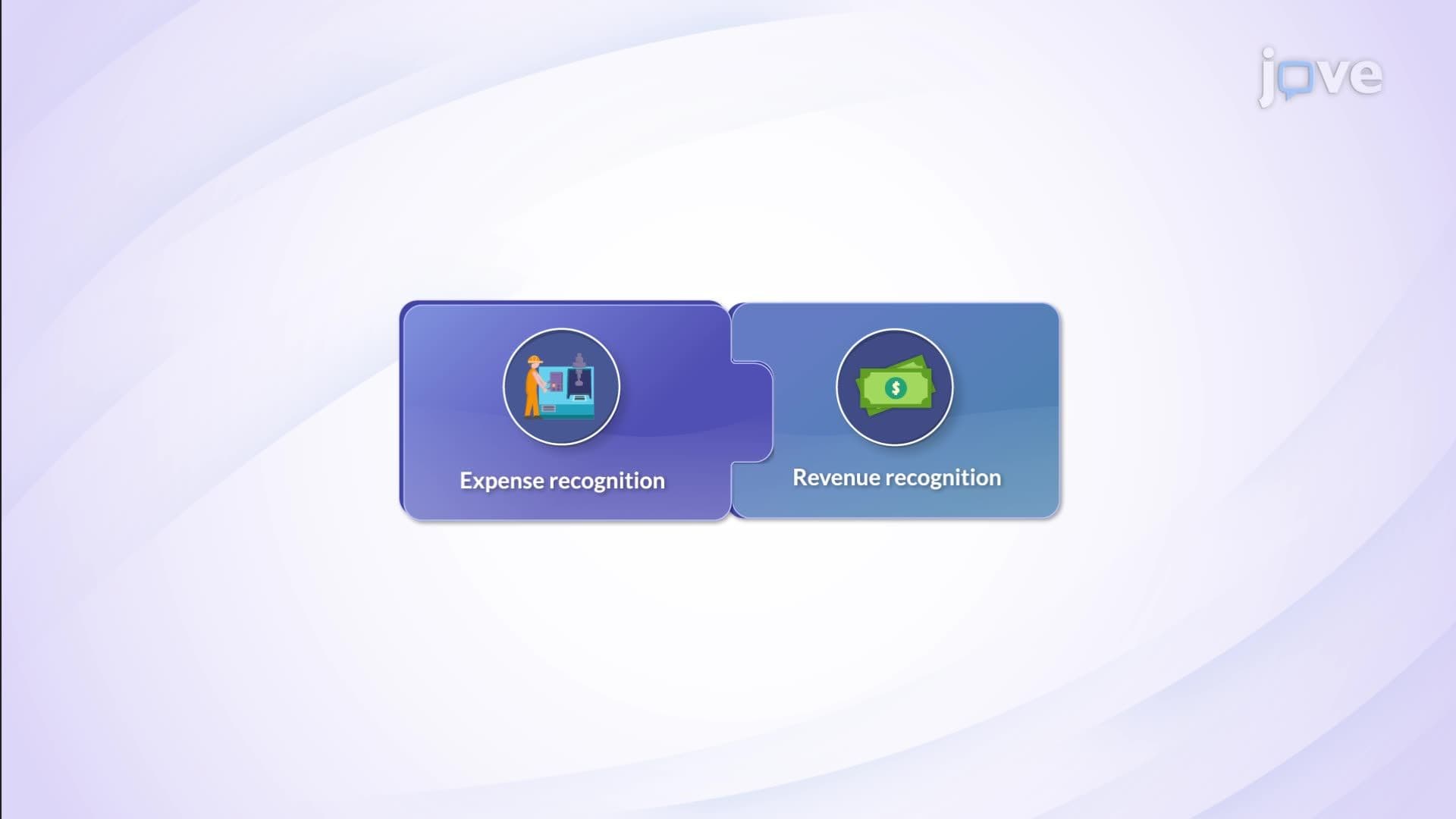
The core issue is that real business activity doesn't fit neatly into calendar boxes. A piece of equipment bought today will generate value for years. A marketing campaign launched in Q4 may drive revenue in Q1. The periodicity concept gives accountants, and managers, a structured way to match costs with the periods in which they generate value.
One of the most practical expressions of the periodicity concept is depreciation, spreading the cost of a long-term asset across its useful life rather than expensing it all at once. As a manager, this directly affects how you should think about capital expenditure requests and budget forecasts.
Apply a simple Cost-Period Mapping approach in your planning:
1. Identify the asset or initiative, Is this a one-time cost or an investment with multi-period benefit? 2. Estimate the benefit horizon, How many reporting periods will this generate value across? 3. Align your financial narrative, When presenting to senior leadership, frame costs in terms of the period in which they'll appear, not just the total investment
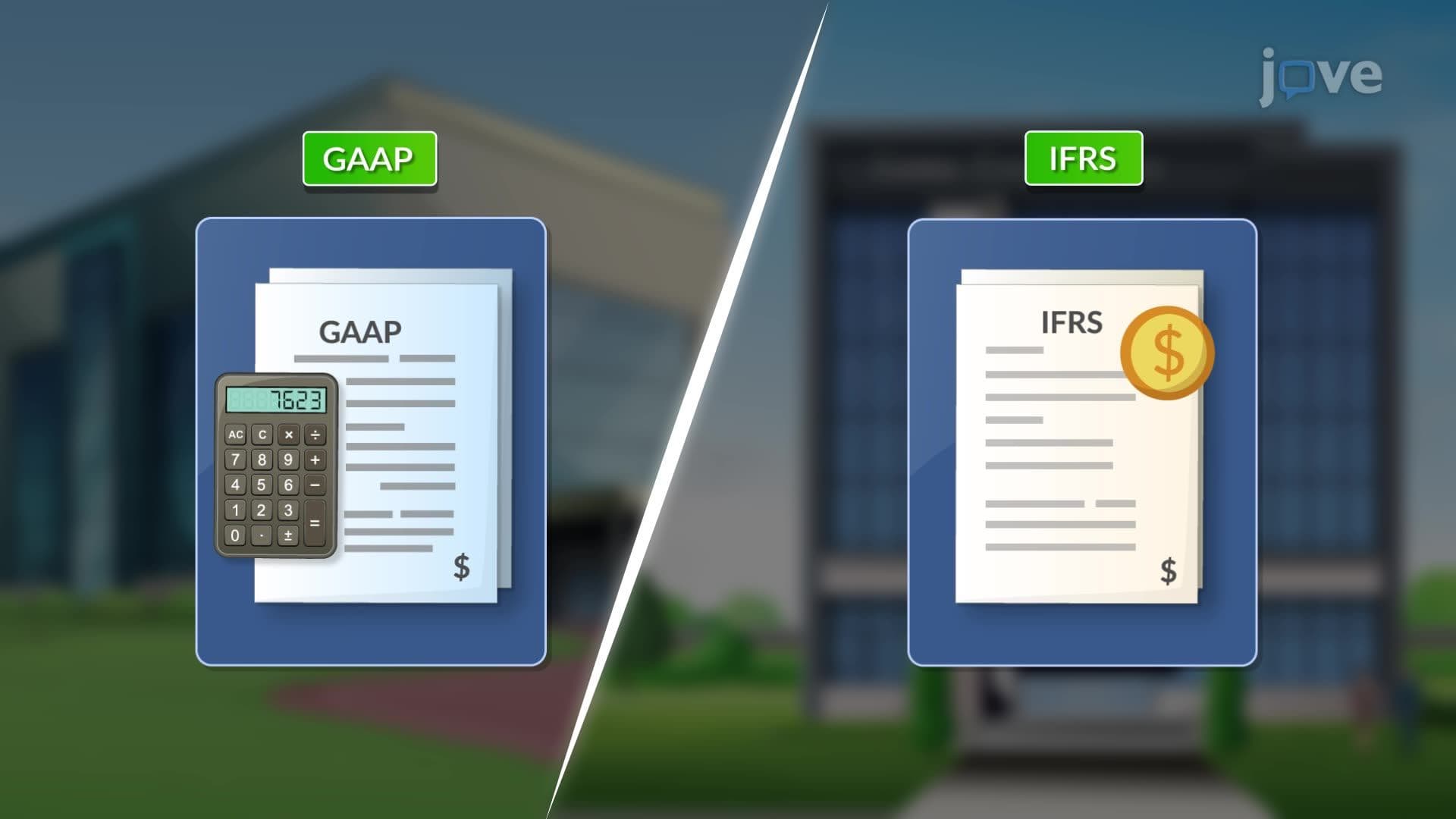
This mirrors GAAP principles around matching expenses to the revenue periods they support, a concept finance leaders expect managers to intuitively understand.
When preparing for a performance review, a budget cycle, or a cross-functional financial briefing, use the periodicity concept as your interpretive filter:
Mistake 1: Treating reporting periods as arbitrary. Financial periods are chosen to enable meaningful comparison across time and across teams. Disregarding them leads to flawed performance benchmarking.
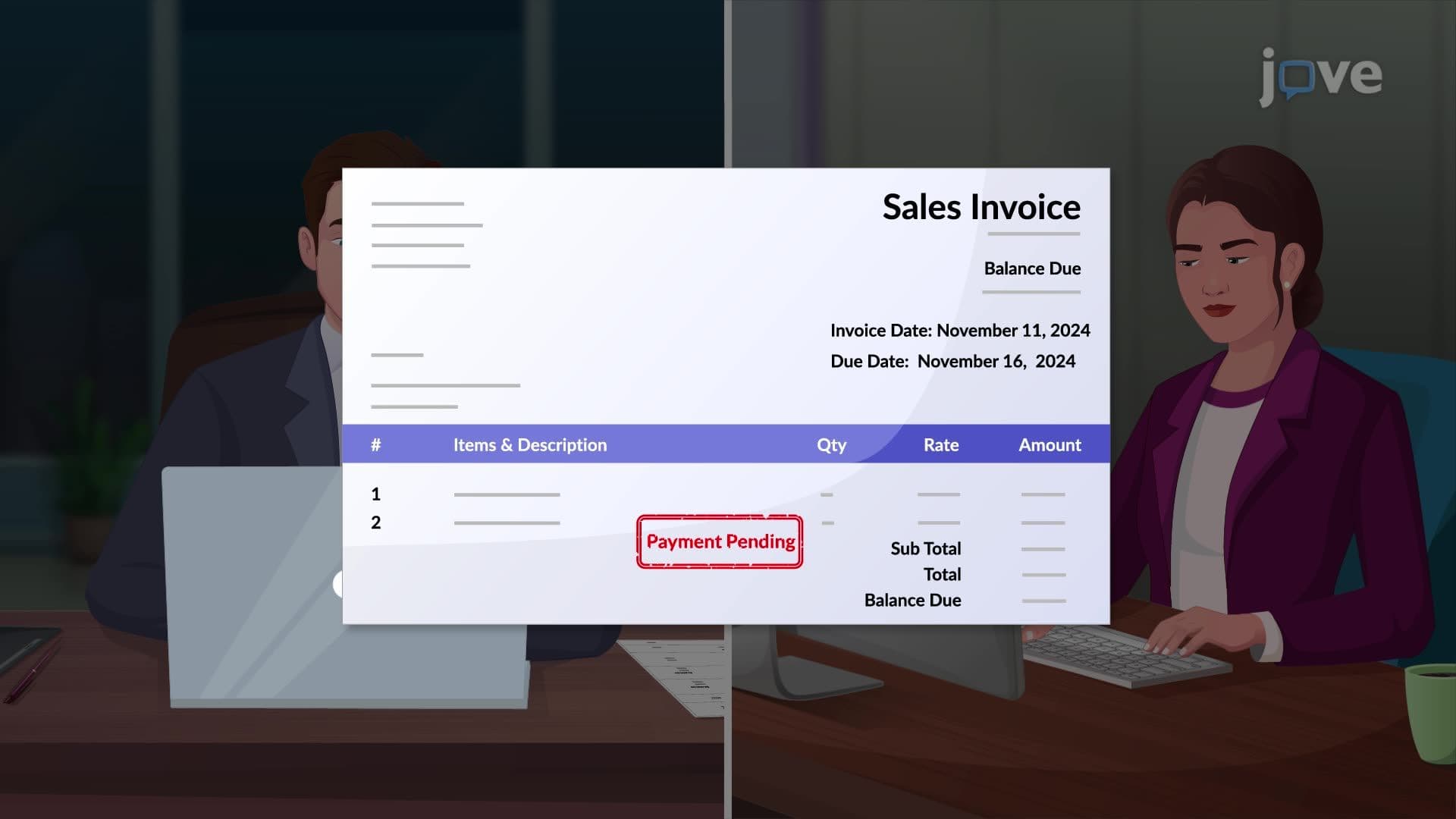
Mistake 2: Confusing cash outflow with expense recognition. A large cash payment doesn't always mean a large expense in the same period. Understanding this distinction prevents budget panic and incorrect escalation.
Mistake 3: Overlooking period-end accruals. Costs incurred but not yet invoiced still belong to the period in which they occurred. Missing this leads to inaccurate team-level financial reporting.
Managers who understand how the periodicity concept structures financial reporting become far more credible in cross-functional conversations, and far more effective advocates for their teams during resource allocation cycles.
Related Micro-courses