Loading video…


 23 Concepts
 13.7K views

Video Summary: What Is Ethics in Financial Reporting
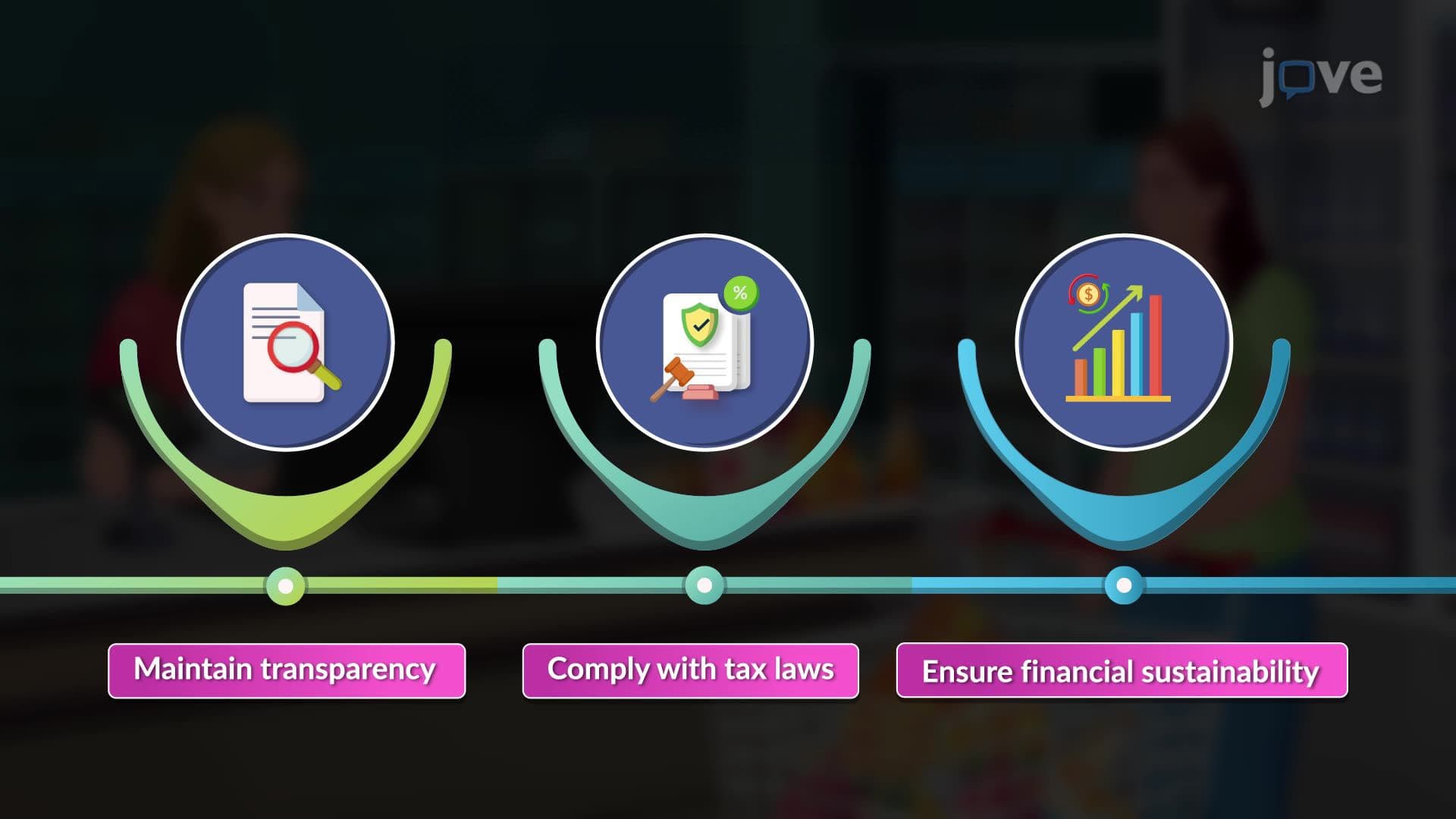
Ethics in financial reporting becomes critical the moment a manager must sign off on numbers, present results to stakeholders, or flag a discrepancy no one else wants to raise. Understanding ethics in financial reporting basics helps leaders recognize when transparency is being compromised, before it escalates into an organizational crisis. Ethical reporting builds stakeholder trust and protects long-term business sustainability. Watch the full video on JoVE Coach to master this concept with expert-led visuals and step-by-step explanations.
Picture this: a quarter-end is approaching, and your team lead quietly suggests "smoothing" a few figures to make the division's performance look stronger before the leadership review. No laws are being explicitly broken, yet. But the pressure is real, the ask is subtle, and as the manager, you are the last line of defense between responsible reporting and a pattern that can unravel an entire organization. This is the reality where ethics in financial reporting stops being an abstract principle and becomes a leadership competency you are expected to exercise under pressure.
Most managers operating outside dedicated finance roles assume that ethical reporting is someone else's responsibility, a CFO concern, an auditor's domain. That assumption is dangerous. In practice, managers across functions regularly influence how data is framed, what gets reported upward, and how exceptions are explained. The moment you present results, summarize financial performance for a cross-functional stakeholder, or approve a team member's reporting output, you are participating in the financial reporting chain. Ethical failure at this level rarely starts with deliberate fraud, it starts with small compromises made under organizational pressure.
A practical way to anchor your team's behavior is through the five core principles widely recognized in professional accounting and governance standards: integrity, objectivity, professional competence, confidentiality, and professional behavior. Translate these into operational team norms rather than abstract values:
Apply this framework in your next reporting cycle review by asking one simple diagnostic question for each pillar: *"Can we defend this number, this framing, and this process if an external auditor walked in tomorrow?"*
Culture is built through systems, not speeches. Three practical levers work consistently well for managers:
1. Codes of conduct as living documents. Don't let your organization's code of conduct gather dust. Reference it explicitly when your team faces ambiguous situations. Walk through a real scenario together, a discrepancy in reported figures, a stakeholder pushing back on unfavorable results, and discuss how the code applies.
2. Internal audit habits before formal audits happen. Introduce lightweight internal review checkpoints using a RACI model (Responsible, Accountable, Consulted, Informed) so ownership of accuracy is always explicit and never assumed. When everyone knows who is accountable, ethical shortcuts become harder to rationalize.
3. Psychological safety for raising red flags. The single greatest predictor of ethical failures in reporting is a culture where people are afraid to speak up. As a manager, your response to the first person who raises an uncomfortable financial discrepancy sets the tone permanently. Reward the flag, not just the clean numbers.
The most common mistake is conflating *presenting results favorably* with *presenting results accurately*. These are not the same thing. A second mistake is assuming that compliance with process is equivalent to ethical behavior, checklists matter, but judgment matters more. Finally, many managers avoid escalating concerns because they fear being seen as disruptive. In reality, early escalation of a financial discrepancy is a leadership strength, not a liability. Organizations that survive ethical pressure do so because someone at the manager level chose transparency over comfort.
Related Micro-courses