Loading video…

 23 Concepts
 13.7K views

Video Summary: What are Branches of Accounting
Understanding the branches of accounting is a critical gap for managers who suddenly own budget conversations, cost reviews, or financial reporting without a finance background. Branches of accounting basics, financial, managerial, and cost accounting, give leaders a practical lens to interpret numbers, justify decisions, and communicate performance credibly. Close that gap now. Watch the full video on JoVE Coach to master this concept with expert-led visuals and step-by-step explanations.
Picture this: you're in a quarterly business review, and the CFO asks why your team's project costs ran over. You pull up a spreadsheet, but you're not sure whether you're looking at a management report or an externally prepared financial statement, and you don't know which numbers to defend. This is one of the most common moments where managers without financial fluency lose credibility fast. Understanding the branches of accounting isn't about becoming an accountant. It's about knowing which financial lens applies to which decision, and using that to lead more effectively.
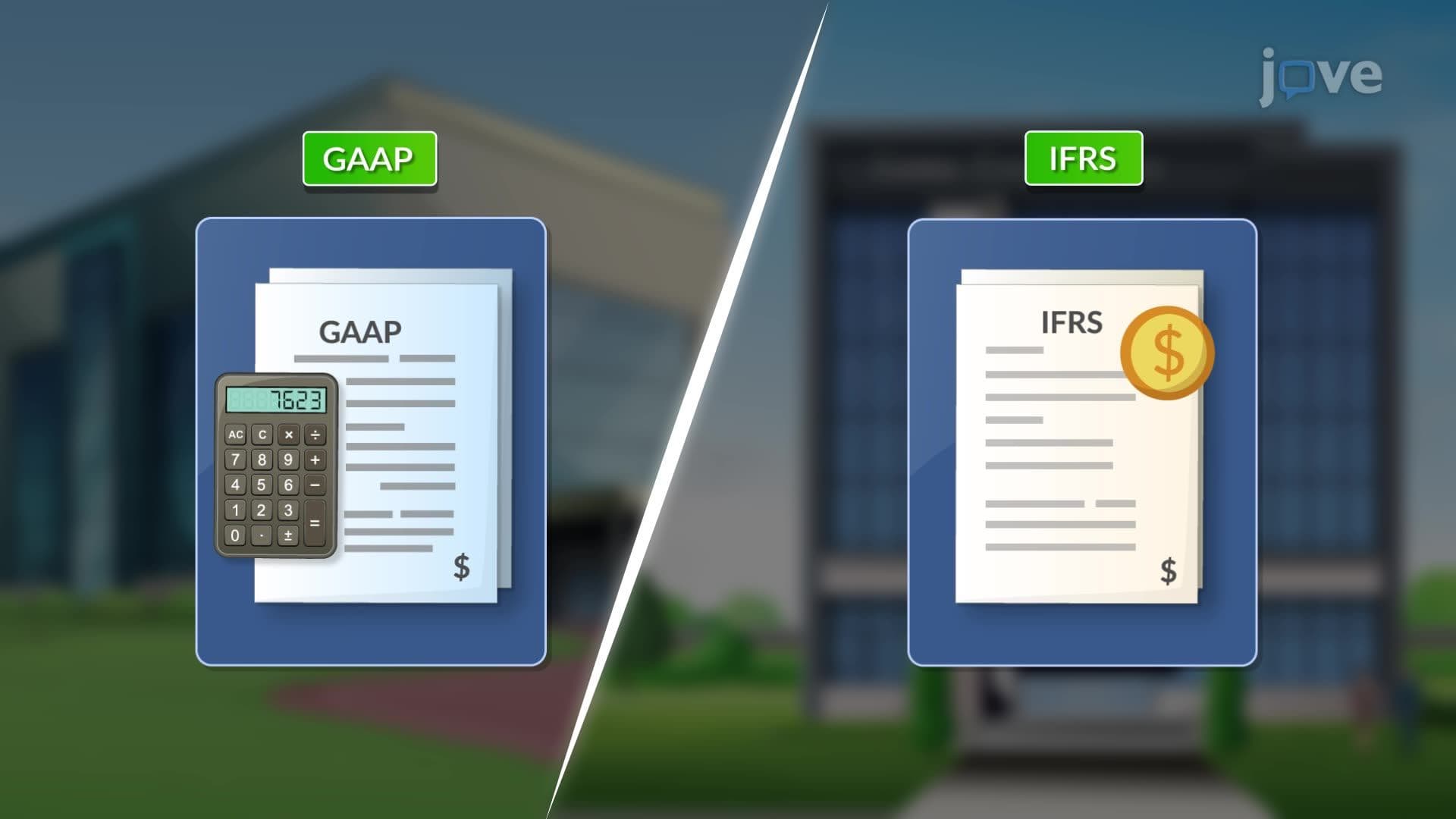
Most professionals step into management with deep functional expertise but limited exposure to how financial information is categorized and used. They treat all financial data the same, when in reality, different branches of accounting serve completely different audiences and purposes. Financial accounting produces standardized, regulation-compliant reports for external stakeholders like investors and boards. Managerial accounting generates internal, forward-looking reports designed to support day-to-day decisions. Cost accounting drills into the granular economics of production and delivery. Confusing these three leads to poor decisions, like using an external financial report to justify an internal resource allocation, or presenting cost data to a board audience that expects GAAP-compliant reporting.
Think of the three branches as three distinct lenses on the same business reality:
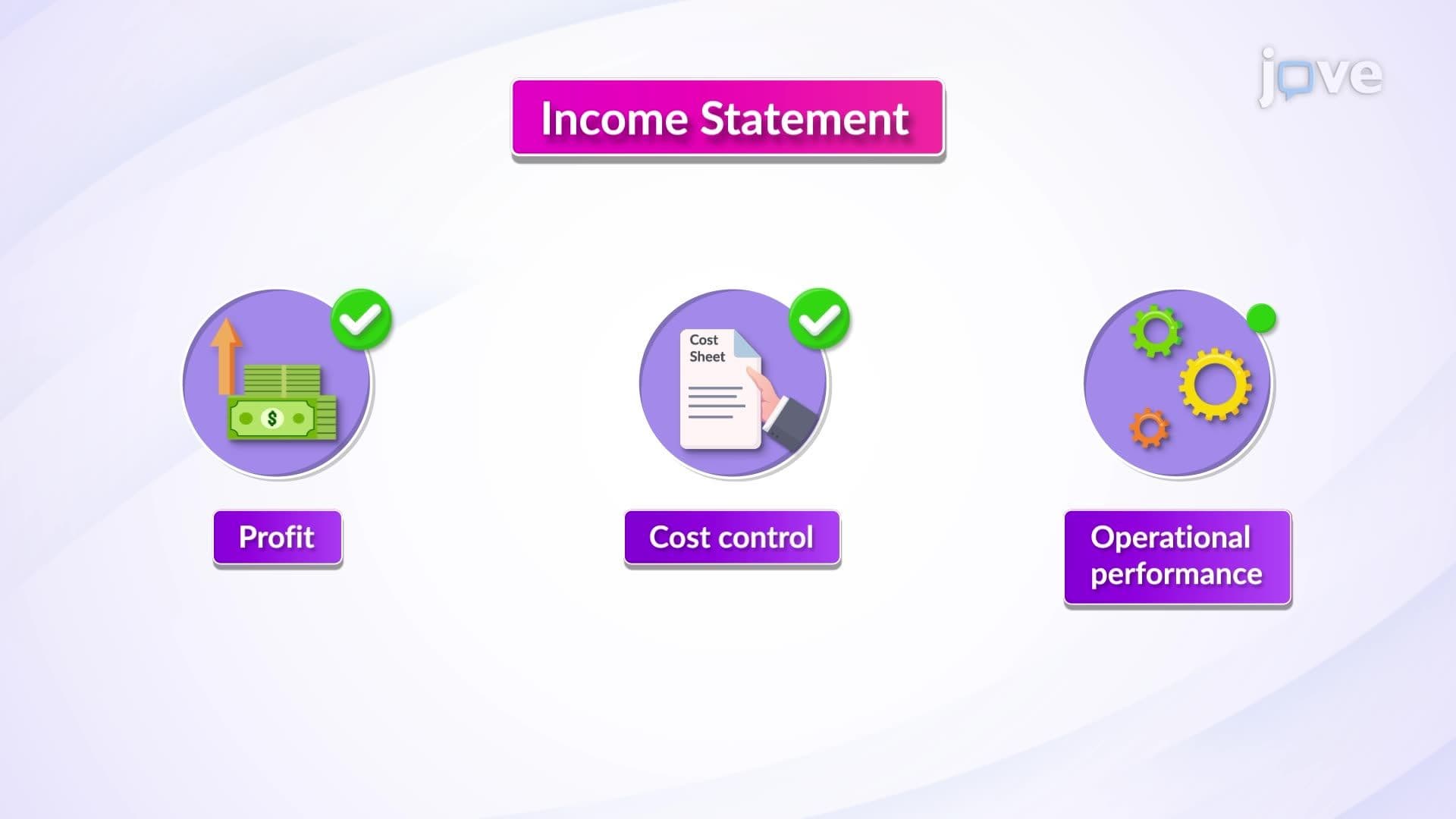
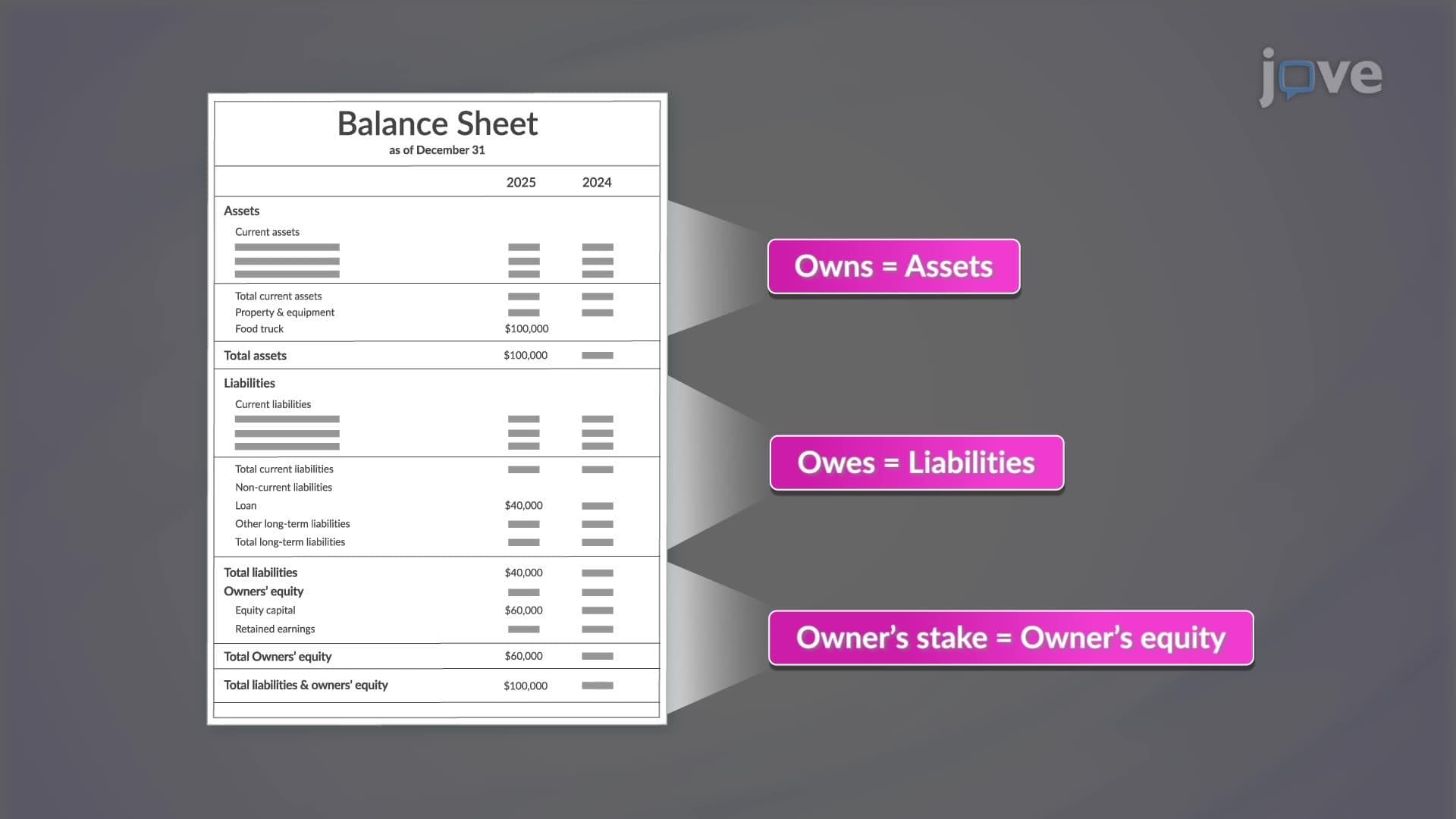
Lens 1, Financial Accounting (The Accountability Lens): This is the backward-looking, externally facing view. It captures what happened, revenues, expenses, assets, liabilities, in a standardized format. As a manager, you interact with this when presenting team performance in all-hands meetings or during annual reviews. Knowing how to read an income statement or a balance sheet means you can contextualize your team's contribution within the broader organizational story.
Lens 2, Managerial Accounting (The Decision Lens): This is your most practical tool as a leader. Managerial accounting is internal, flexible, and forward-facing. It answers questions like: Are our margins improving? Where are we overspending? What does next quarter look like if we scale this initiative? The classic SMART Goals framework pairs directly with managerial accounting outputs, you can't set specific, measurable targets without understanding the underlying trend data these reports provide.
Lens 3, Cost Accounting (The Efficiency Lens): Cost accounting breaks down the true cost of delivering work, raw inputs, labor, and indirect overhead. For managers overseeing delivery teams, project teams, or production functions, this lens helps you answer: Is this workstream profitable? Where can we reduce waste without compromising output? Applying a RACI model to cost-heavy processes often reveals duplication of effort that directly inflates costs.
Start small. Before your next budget meeting, ask your finance business partner which type of report you're reviewing, external or internal. That single question signals financial literacy and opens a more productive dialogue. When reviewing team performance, push for managerial accounting data, trend lines, margin analysis, variance reports, rather than relying solely on year-end financial statements. When making a case for headcount or resources, anchor your argument in cost accounting logic: what does it cost per unit of output today, and what does the approved investment change? Managers who frame requests this way get faster approvals because they're speaking the finance team's language.
Related Micro-courses