Loading video…

 23 Concepts
 13.7K views

Video Summary: What Is Revenue Recognition
Revenue recognition basics trip up managers the moment they're asked to justify a team's quarterly performance numbers or explain why booked deals don't match reported revenue. Understanding revenue recognition, and specifically *what is revenue recognition*, helps you speak credibly in financial reviews and align your team's delivery timelines to actual business outcomes. Watch the full video on JoVE Coach to master this concept with expert-led visuals and step-by-step explanations.
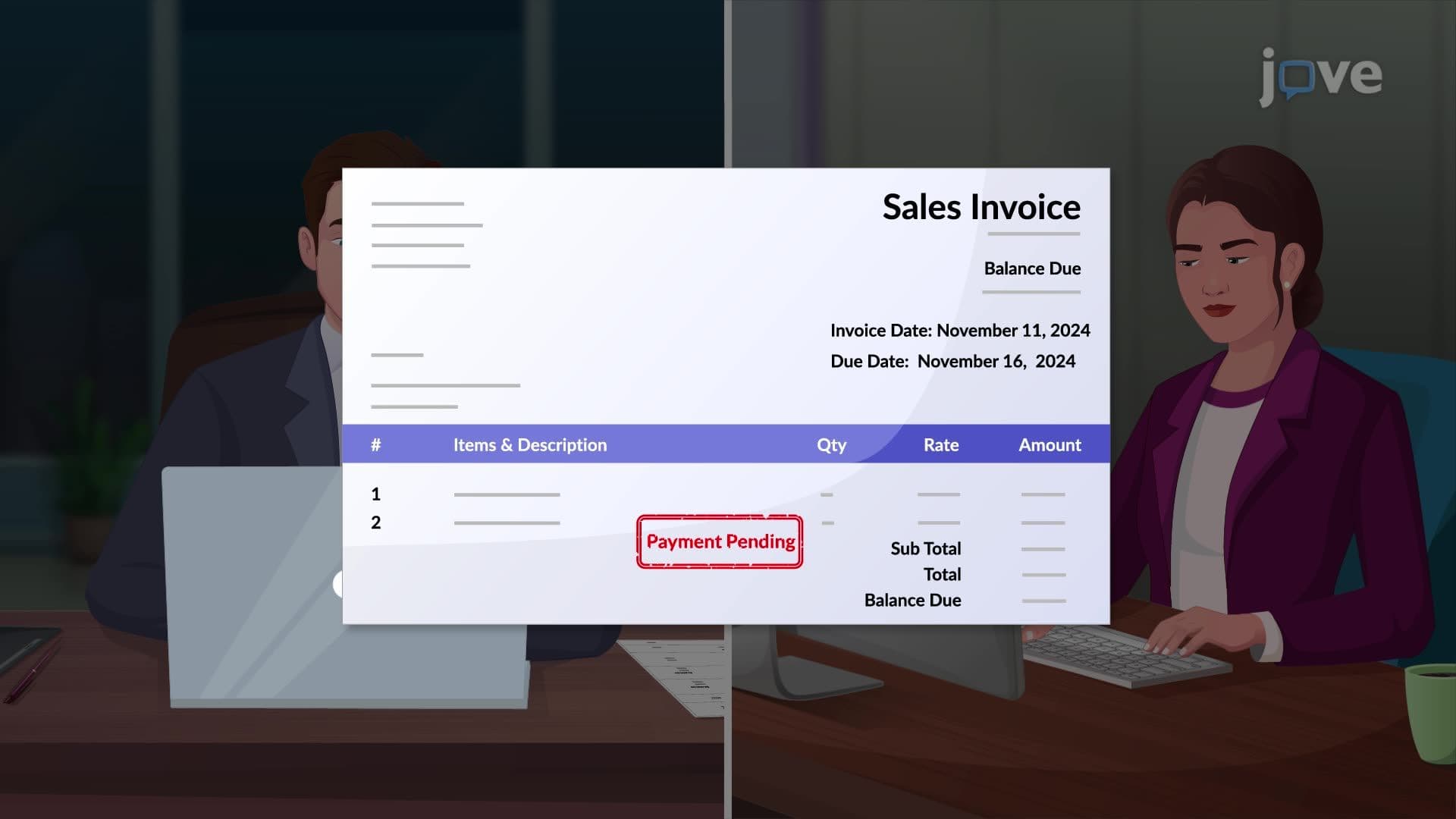
Picture this: your team closes a major service contract in September. The client pays upfront, the sales team celebrates, and everyone expects a strong quarter. But when the financial results come in, that revenue doesn't show up until December, when your team actually completed the delivery. If you've ever sat in a results review feeling confused, or worse, blindsided, you've already experienced the practical weight of the revenue recognition principle firsthand.
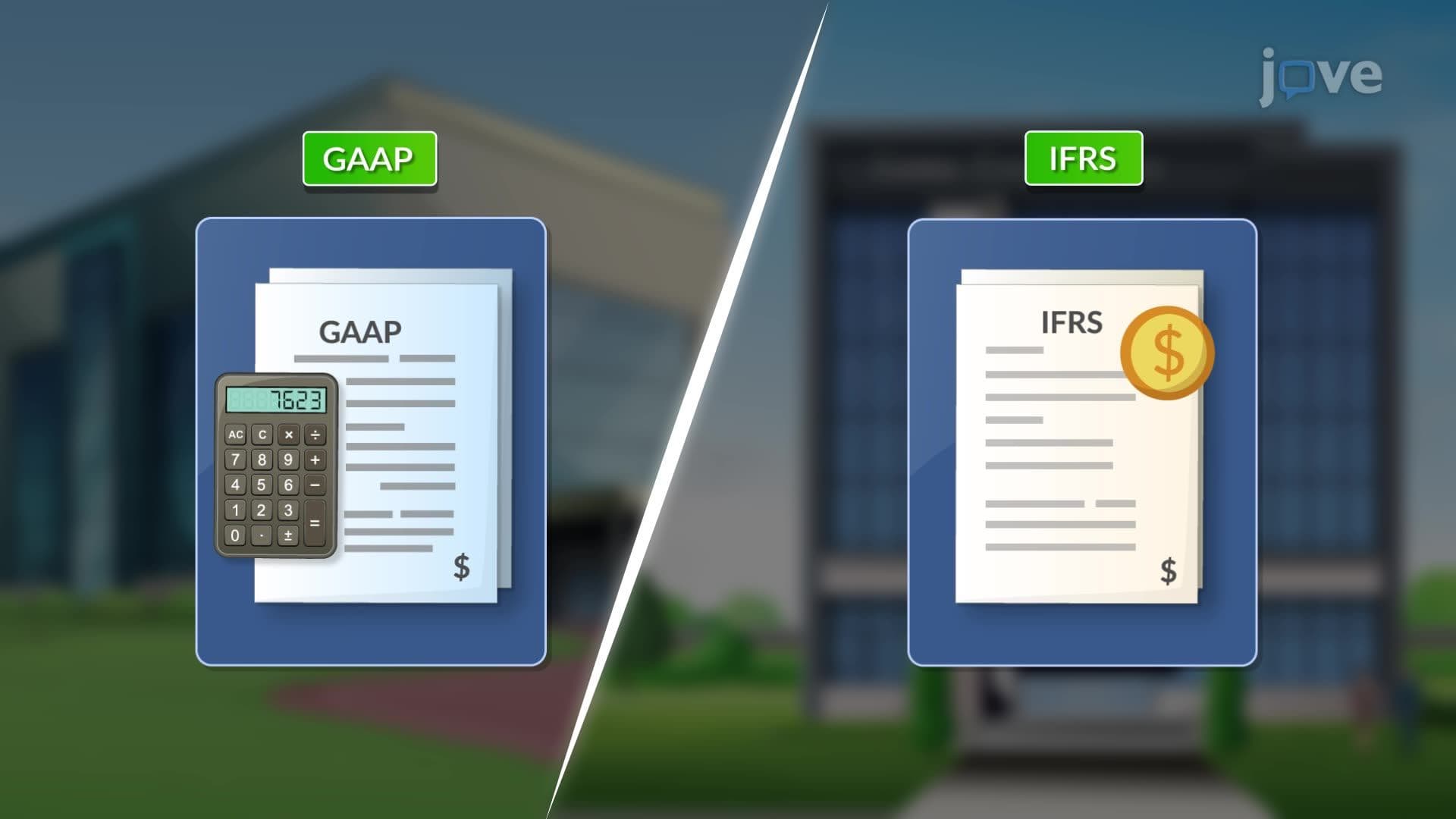
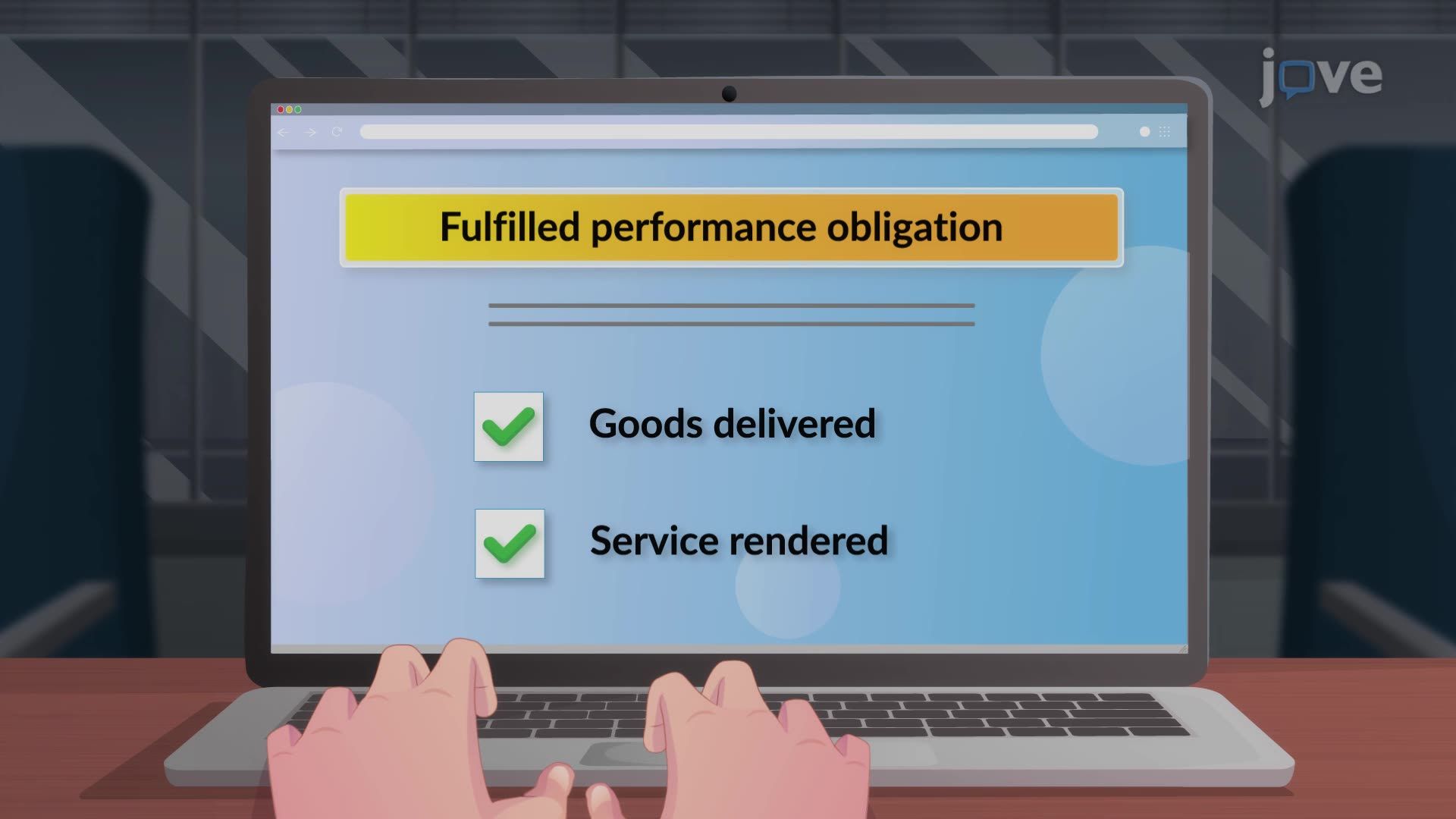
Most managers conflate *cash flow* with *earned revenue*, and it's an easy mistake to make. When a client pays, it feels like the business has won. But under accrual accounting, the foundation of financial accounting fundamentals in virtually every mid-to-large organization, revenue is only recorded when a performance obligation has been satisfied. That means revenue follows delivery, not payment. This is a cornerstone of GAAP principles (Generally Accepted Accounting Principles), and it governs how your organization's financial statements are constructed. Managers who don't understand this often push for early invoicing or rushed delivery without realizing the downstream effect on financial reporting accuracy.
Think of every client engagement, product shipment, or service your team owns as carrying a performance obligation, a specific, defined commitment that must be fulfilled before revenue can be recognized. A helpful way to apply this in practice is to map your team's work against a simple two-column framework: *Obligation Committed* versus *Obligation Fulfilled*. Until your team crosses from the left column to the right, by delivering the product, completing the service, or hitting the agreed milestone, the revenue sits in a liability account, not an income line. This is directly relevant when you're reporting team productivity, justifying headcount, or defending project timelines to senior leadership. On-time, complete delivery isn't just an operational goal, it's what triggers revenue recognition.
The most common operational mistake managers make is treating delivery as a back-office concern. In reality, when your team delays a product launch, pushes back a go-live date, or delivers an incomplete service, you're not just missing an internal deadline, you're deferring revenue recognition into a future period. This can distort quarterly results, affect budgeting cycles, and create tension between your team and finance stakeholders. A practical fix: build a delivery confirmation checkpoint into your team's standard operating process. Whether it's a signed acceptance form, a system-generated completion flag, or a formal client sign-off, this checkpoint creates a clear, auditable moment that aligns your team's execution with the finance team's reporting needs.
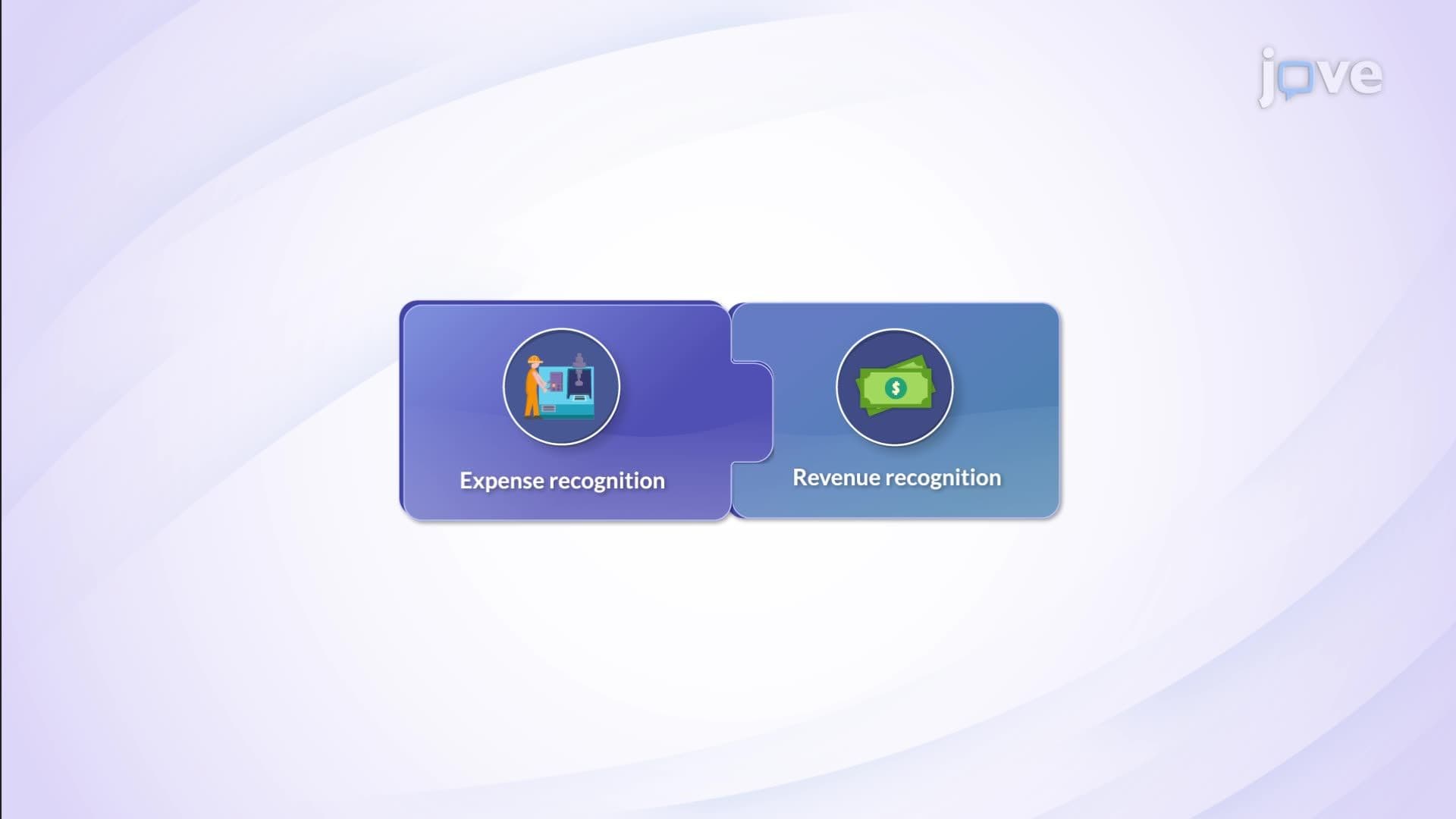
Revenue recognition doesn't exist in isolation. It connects directly to other accounting concepts like the matching principle, the accounting cycle, and double-entry bookkeeping, all of which shape the financial statements your leadership team uses to make decisions. As a manager, you don't need to be an accountant, but you do need to understand that your team's execution directly influences the numbers being reported. Managers who grasp this earn credibility in cross-functional conversations, make better resourcing decisions, and build stronger partnerships with finance and operations teams. Revenue recognition basics are, ultimately, basics of business leadership.
Related Micro-courses