Loading video…

 23 Concepts
 13.7K views

Video Summary: What are Accounting Activities
Accounting activities basics often trip up new managers who suddenly own a budget, approve expenses, or sign off on financial reports without a clear framework. Understanding what accounting activities are, recording, classifying, summarizing, and analyzing financial data, gives you the operational clarity to make confident decisions about costs, staffing, and resources. Watch the full video on JoVE Coach to master this concept with expert-led visuals and step-by-step explanations.
Picture this: you've just been promoted into a management role and your director asks you to review your team's quarterly cost report before a budget planning meeting. You open the spreadsheet, rows of numbers, column headers like "operating expenses," "revenue variance," and "accounts payable", and you freeze. You're not an accountant. But here's the reality: you don't need to be. What you need is a working understanding of accounting activities and how they shape every financial conversation you'll have as a manager.
Most managers come up through functional expertise, engineering, marketing, operations, sales, not finance. When they step into leadership, the expectation to own a budget, justify headcount costs, or track departmental expenses arrives without any structured financial literacy training. The gap isn't intelligence; it's context.
Accounting activities are the systematic processes that keep a business financially visible and legally compliant. They include four core functions: recording every transaction (salaries, vendor payments, operating costs), classifying those transactions into structured categories (assets, liabilities, revenue, expenses), summarizing them into readable financial statements, and analyzing those statements to guide decisions. As a manager, you interact with the outputs of all four, even if you've never thought of it that way.
The accounting cycle is the backbone of financial accounting fundamentals. For managers, the most actionable part is understanding what each stage produces and what decisions it should inform.
Recording is where every business event gets documented. As a manager, this means ensuring your team submits expenses accurately and on time, because errors here cascade through every stage that follows.
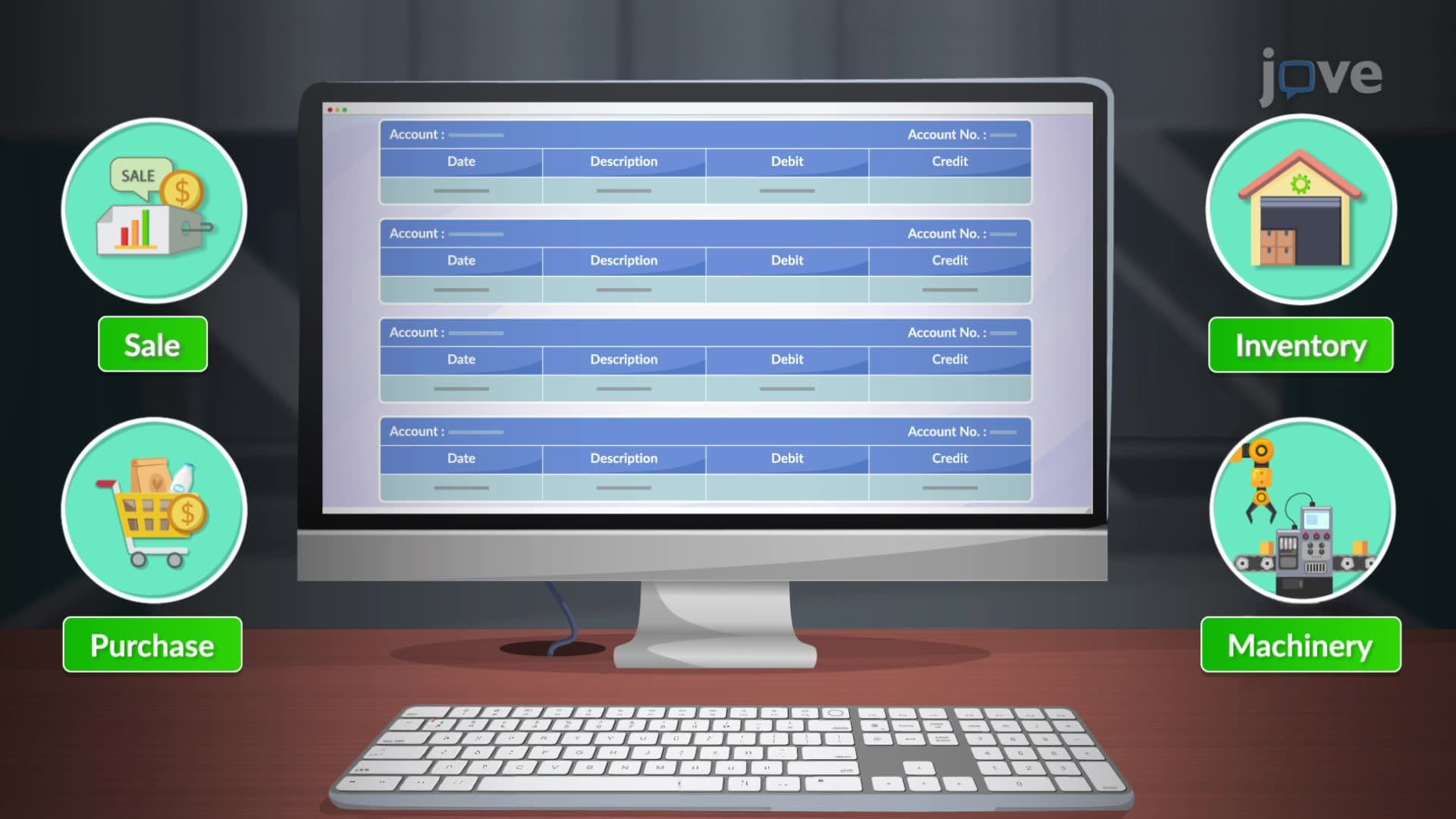
Classifying maps transactions to accounts. This is where double-entry bookkeeping principles ensure that every financial event has a cause and an effect, a debit and a credit. You don't need to perform this yourself, but knowing that your payroll sits under operating expenses and your equipment under assets helps you have smarter conversations with your finance business partner.
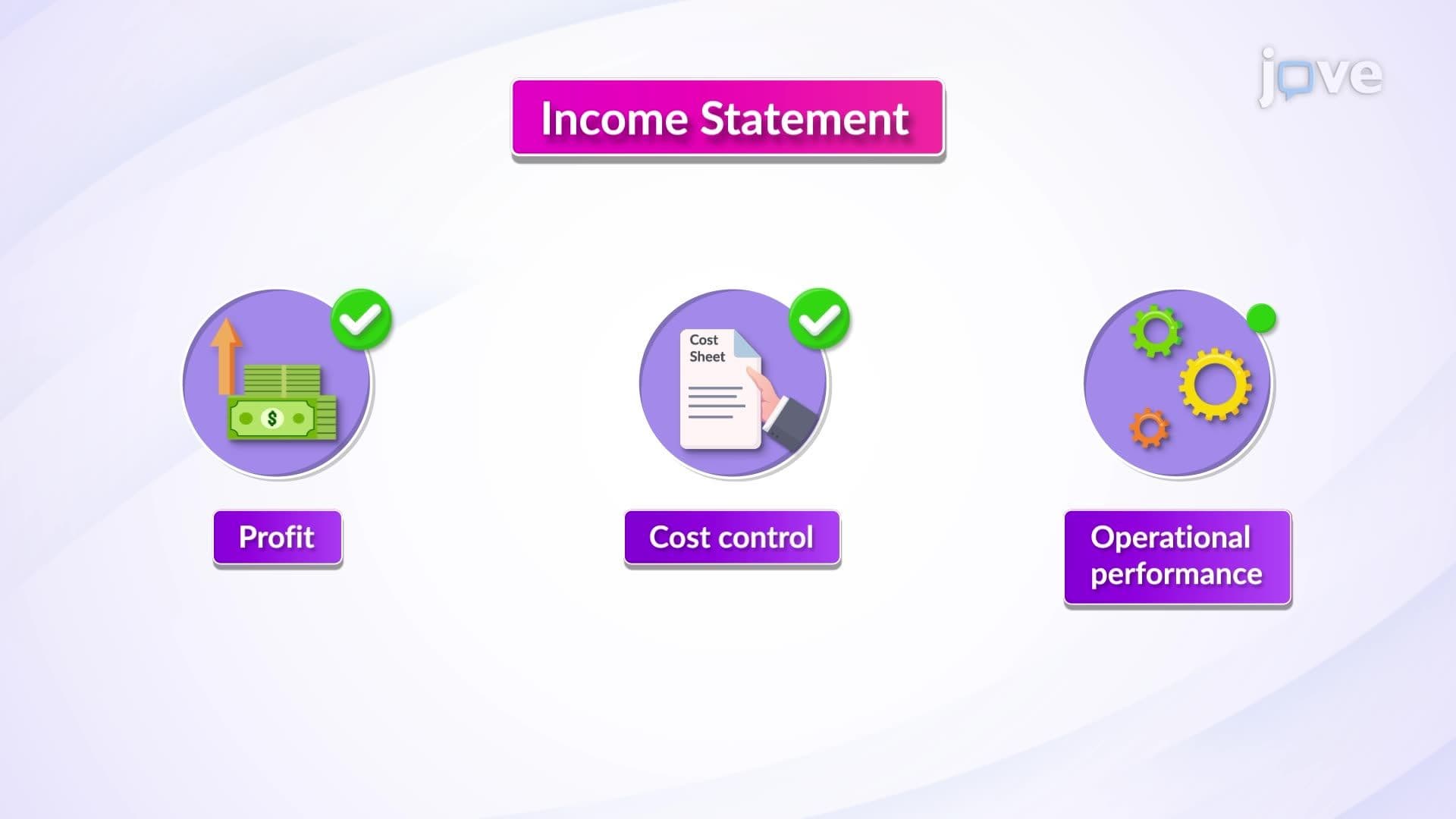
Summarizing produces the three financial statements you'll encounter most:
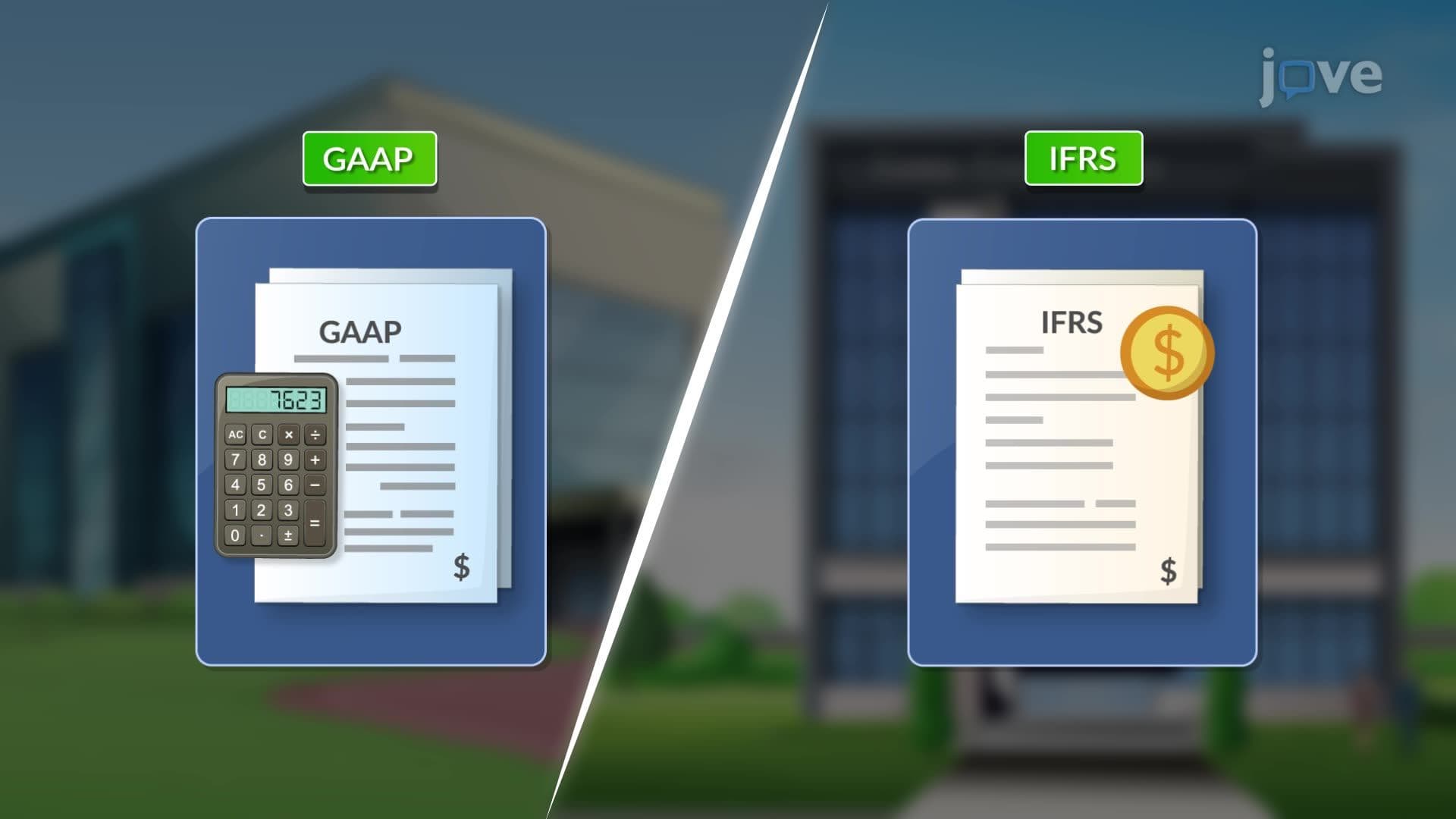
Analyzing is where managerial judgment enters. Using GAAP principles (Generally Accepted Accounting Principles) as the standard, finance teams ensure that what's reported is consistent, comparable, and trustworthy. Your role is to interpret the analysis, not just receive it.
Start small and practical. Before your next budget review, request a breakdown of your team's costs by category, headcount, tools, travel, training. Map those categories against the four accounting activities: What's being recorded? How is it classified? What does the summary tell you? What decisions should the analysis drive?
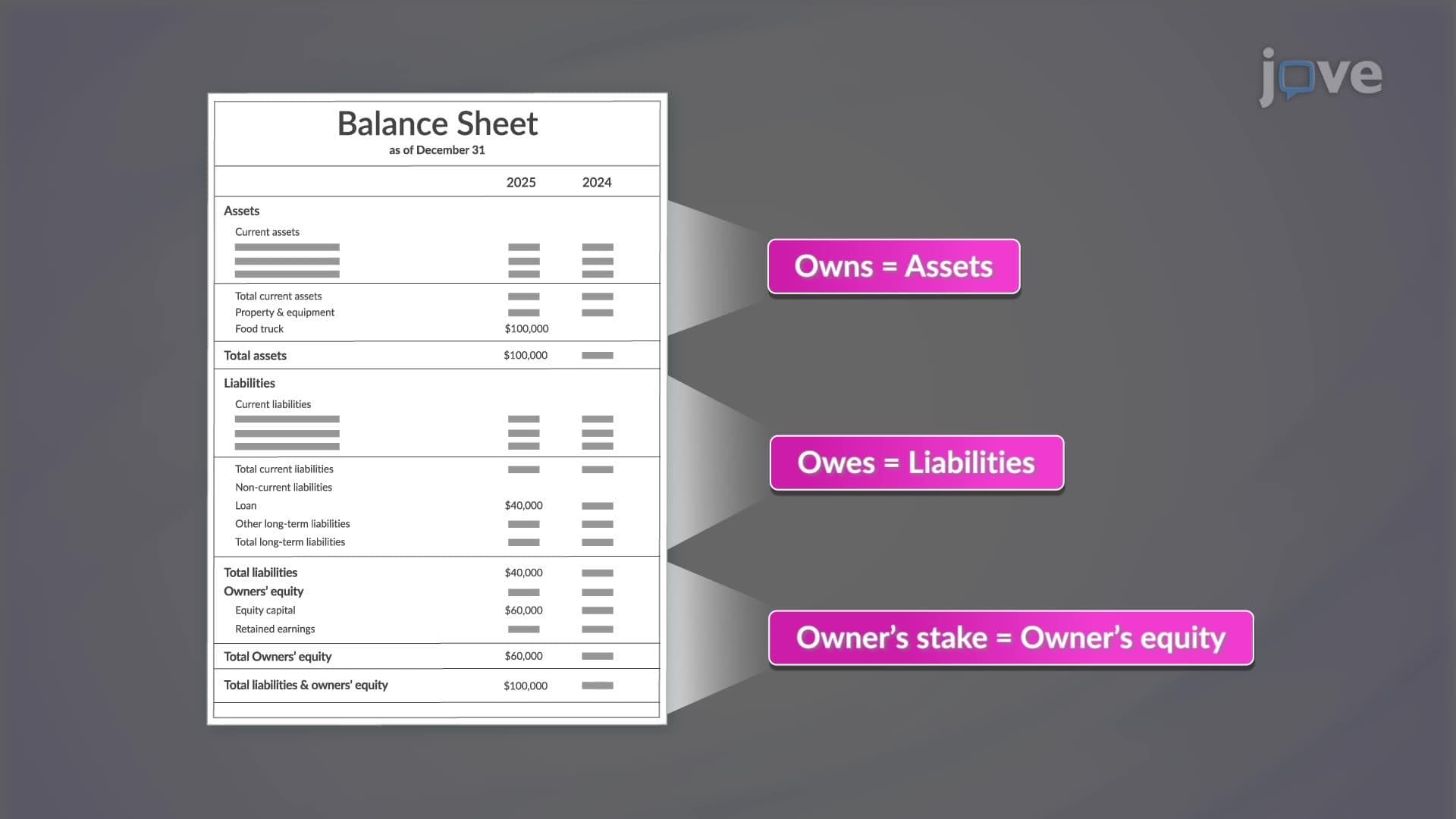
Use the accounting equation as a mental model: Assets = Liabilities + Equity. This is the foundation of financial accounting fundamentals and reminds you that every resource your team uses has a corresponding obligation or investment behind it. When you ask for additional headcount, you're requesting an asset. When you approve a vendor contract, you're creating a liability. Thinking this way sharpens your financial credibility with leadership, and builds the trust that opens doors to bigger resource conversations.
Related Micro-courses