Loading video…


 23 Concepts
 13.7K views

Video Summary: Accounting Building Blocks
Accounting building blocks basics often trip up managers who suddenly own budgets, approve expenses, or interpret financial reports without a finance background. Understanding the accounting building blocks, ethics, principles, and assumptions, gives you the clarity to ask sharper questions, catch inconsistencies, and make decisions your team and stakeholders can trust. Watch the full video on JoVE Coach to master this concept with expert-led visuals and step-by-step explanations.
Picture this: you're in a quarterly business review and the numbers on the slide don't match what your team reported last month. You don't know whether it's a timing issue, a categorization error, or something more concerning, and you don't want to look uninformed in front of senior leadership. This is the moment when understanding the accounting building blocks stops being theoretical and starts being a management survival skill.
Most managers who move into roles with budget responsibility are never formally introduced to how financial data is constructed. They inherit spreadsheets, approve line items, and sit through finance reviews, but they're reacting to numbers, not understanding them. The result is a confidence gap that quietly undermines decision-making.
The three foundational elements, ethics, principles, and assumptions, aren't abstract accounting theory. They are the operating rules that determine whether the numbers you're looking at mean what you think they mean. When you don't know these rules, you're navigating financial conversations blind.
Think of these three elements as a governance model for financial integrity, something like a financial version of RACI, where roles, rules, and responsibilities are clearly defined.
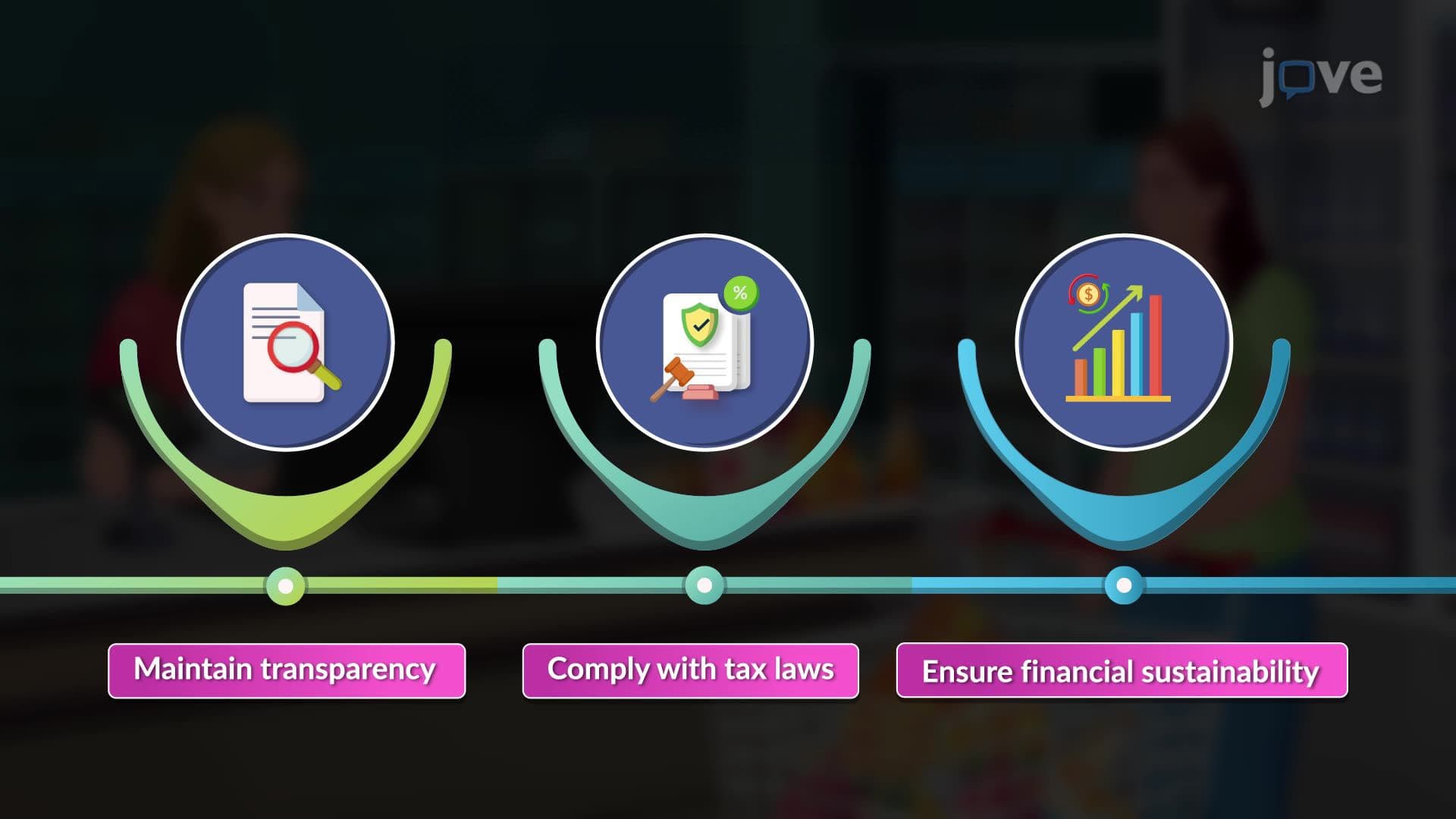
Ethics sets the behavioral standard: financial data must not be manipulated to tell a more favorable story. As a manager, this means not pressuring your team to defer costs, inflate project valuations, or obscure budget overruns to hit a target. The short-term optics are never worth the long-term trust damage.
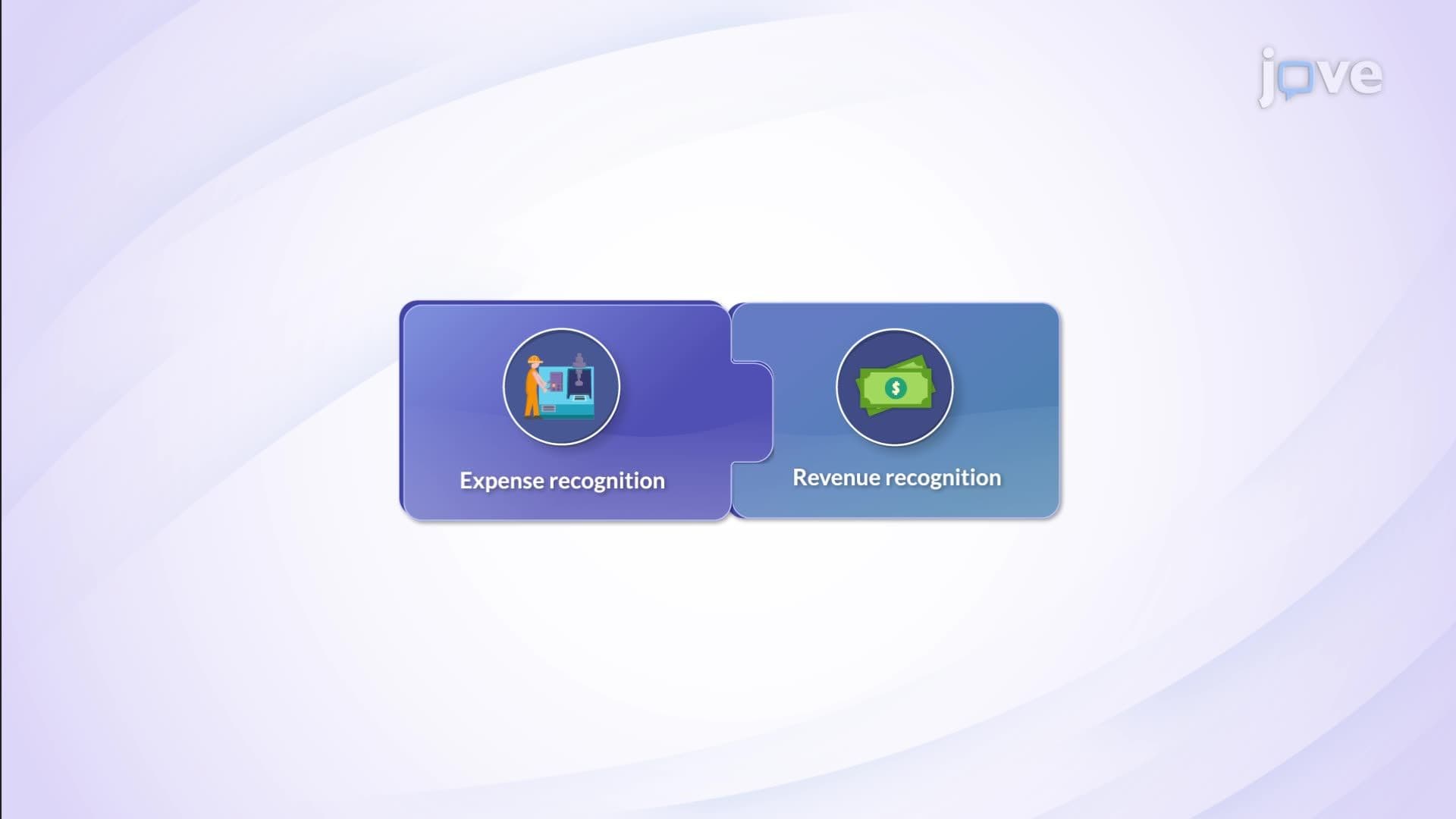
Principles are the operational rules that make financial data comparable and reliable. The most critical one for working managers is the matching principle, revenues and expenses are recorded in the same period. When you approve a project in Q3 but expenses don't appear until Q4, that timing gap has real implications for how your team's performance is assessed. Understanding this prevents unpleasant surprises during performance cycles.
Assumptions provide the structural logic for how transactions are recorded. The monetary unit assumption, for example, means all transactions are recorded in a consistent currency without adjusting for inflation. For managers overseeing global or multi-currency teams, this is a practical reminder to confirm which currency baseline your financial reports are using before drawing any conclusions.
You don't need to become a finance expert. You need to ask better questions. Before your next budget review, performance conversation involving cost targets, or cross-functional project kickoff, run through this three-part check:
1. Ethics check, Is what's being reported an accurate picture, or is there pressure to make the numbers look better than they are? 2. Principles check, Are revenues and costs being matched to the right period? Are we comparing like with like? 3. Assumptions check, What currency, timeframe, and baseline assumptions are built into these numbers?
This isn't about auditing your team. It's about building the financial literacy that earns you credibility with finance leaders, protects you from being blindsided, and models the kind of rigorous thinking you want your direct reports to develop over time.
The most common mistake is treating financial reports as fixed facts rather than constructed outputs. Numbers are produced using rules, and if you don't know the rules, you can't evaluate whether they've been applied correctly or consistently.
A second mistake is confusing ethical reporting with perfectionism. Ethics in financial accounting isn't about zero errors, it's about intent and transparency. A manager who flags a miscategorized expense immediately demonstrates more financial integrity than one who quietly adjusts it hoping no one notices.
Finally, many managers conflate financial assumptions with forecasts. Assumptions are the structural ground rules of recording (stable currency, going concern, defined periods), they are not predictions about future performance. Mixing them up leads to misaligned conversations with finance teams and avoidable credibility losses in senior forums.
Related Micro-courses