Loading video…

 23 Concepts
 13.7K views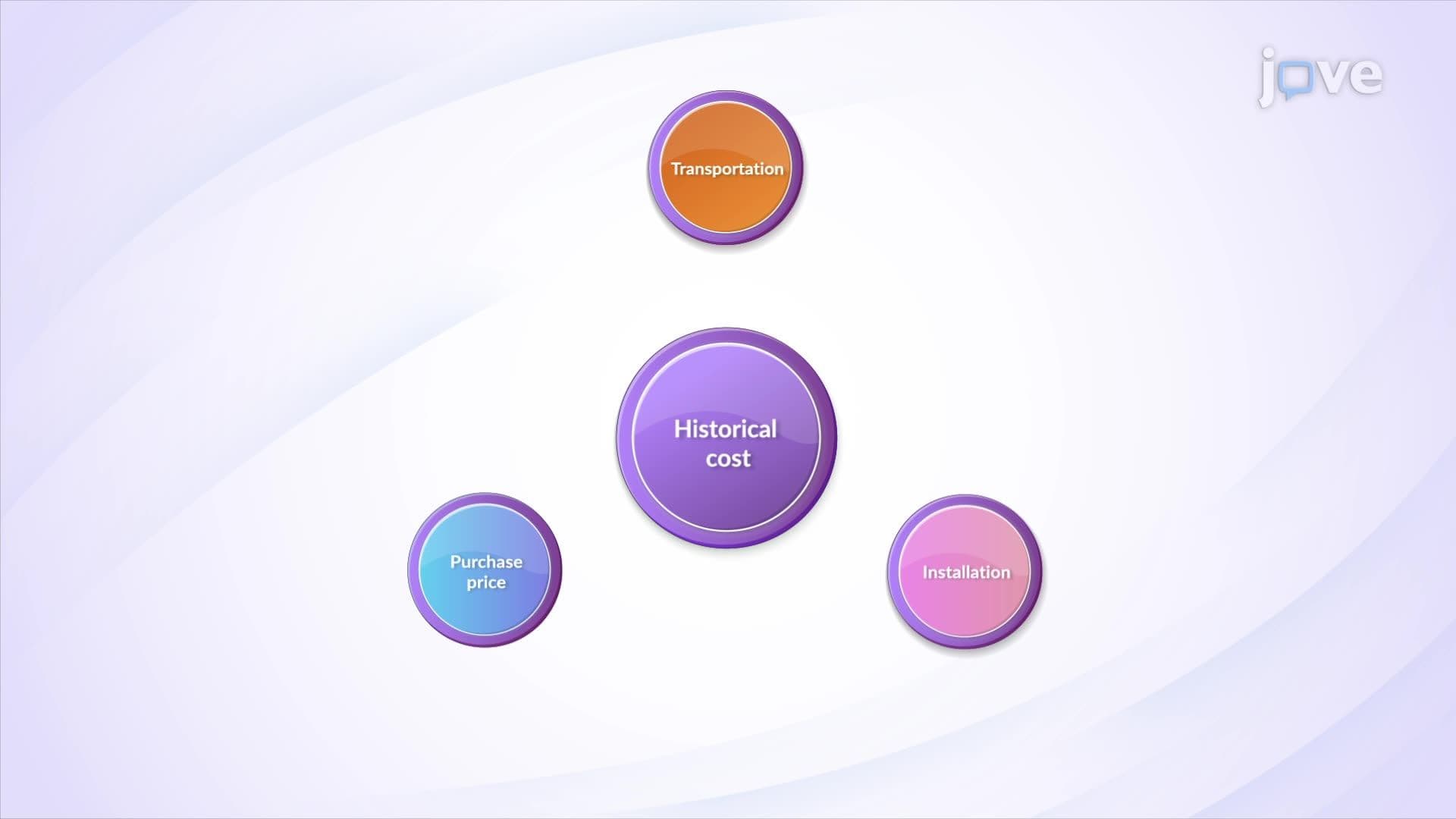

Video Summary: What Is Cost Concept
Cost concept basics become critical when managers sign off on asset purchases, approve budgets, or interpret financial reports, and need to justify decisions to finance teams. Understanding the cost concept means knowing exactly how asset values are recorded, why historical cost and fair value tell different financial stories, and how each affects business decisions. Watch the full video on JoVE Coach to master this concept with expert-led visuals and step-by-step explanations.
Picture this: your team just recommended purchasing new equipment. The vendor quote is approved, procurement signs off, and the asset goes live, but when the finance team books it, the number looks different from what your manager expected. Installation fees, delivery charges, and setup costs weren't factored into the original figure your team reported. This is precisely the gap that the cost concept is designed to close.
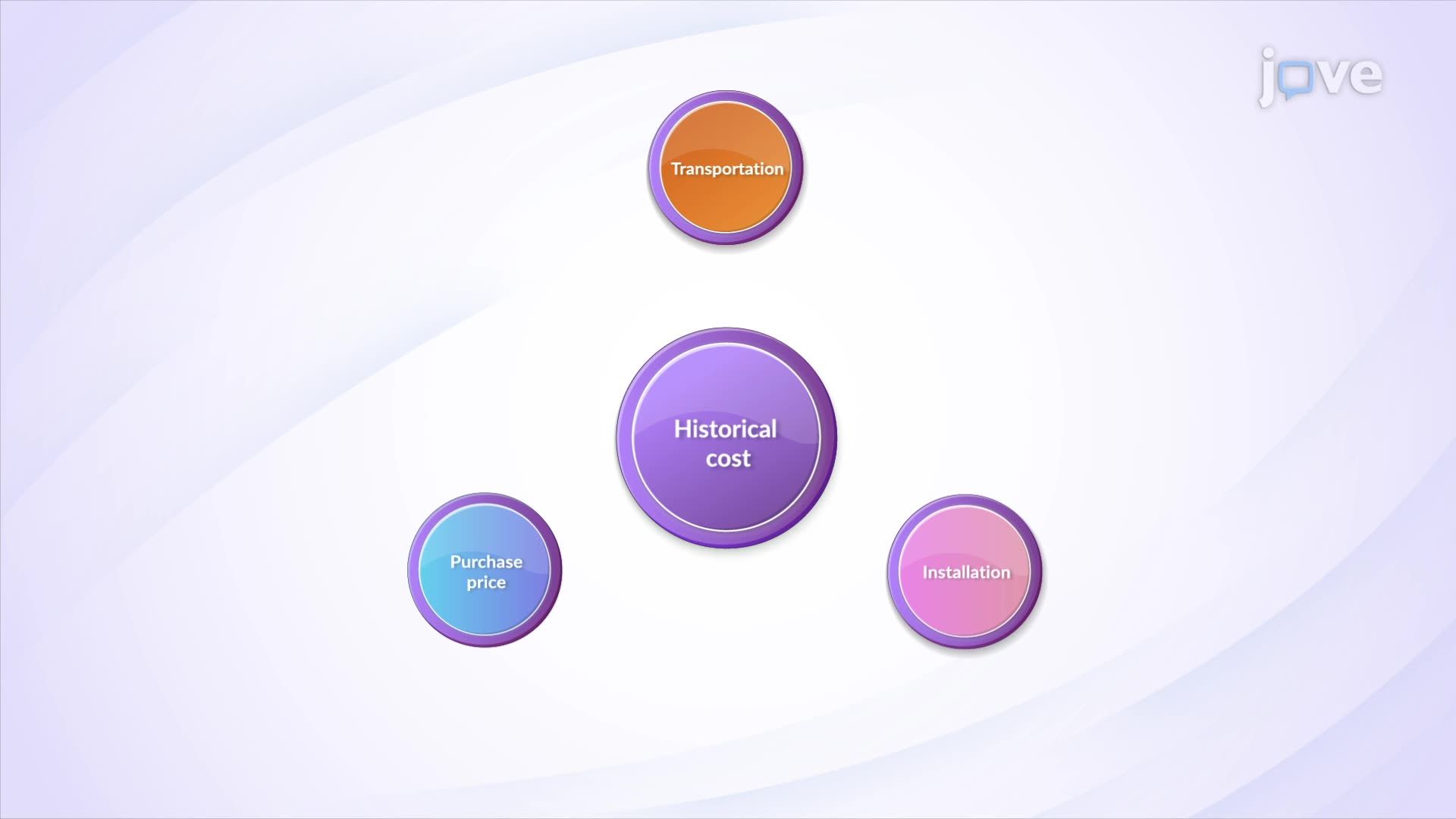
Most managers default to thinking of an asset's value as what was paid on the invoice. The cost concept, also called the exchange-price principle, goes further. It defines the recorded value of an asset as every dollar spent to make it operational. That includes purchase price, freight, installation, configuration, and any other necessary preparation cost.
The practical implication: if your team budgets fifty thousand dollars for equipment but neglects the five thousand dollars in installation, your books will reflect fifty-five thousand dollars. That discrepancy creates downstream confusion in budget reconciliations, depreciation schedules, and capital planning. Managers who understand this principle catch those gaps early, before they become a finance team's problem.
A useful internal framework here is Total Cost of Ownership (TCO) thinking. Before any capital request reaches your approval, require that your team documents all cost components: acquisition, setup, integration, and early maintenance. This single habit improves the accuracy of every financial conversation you'll have upward and sideways.
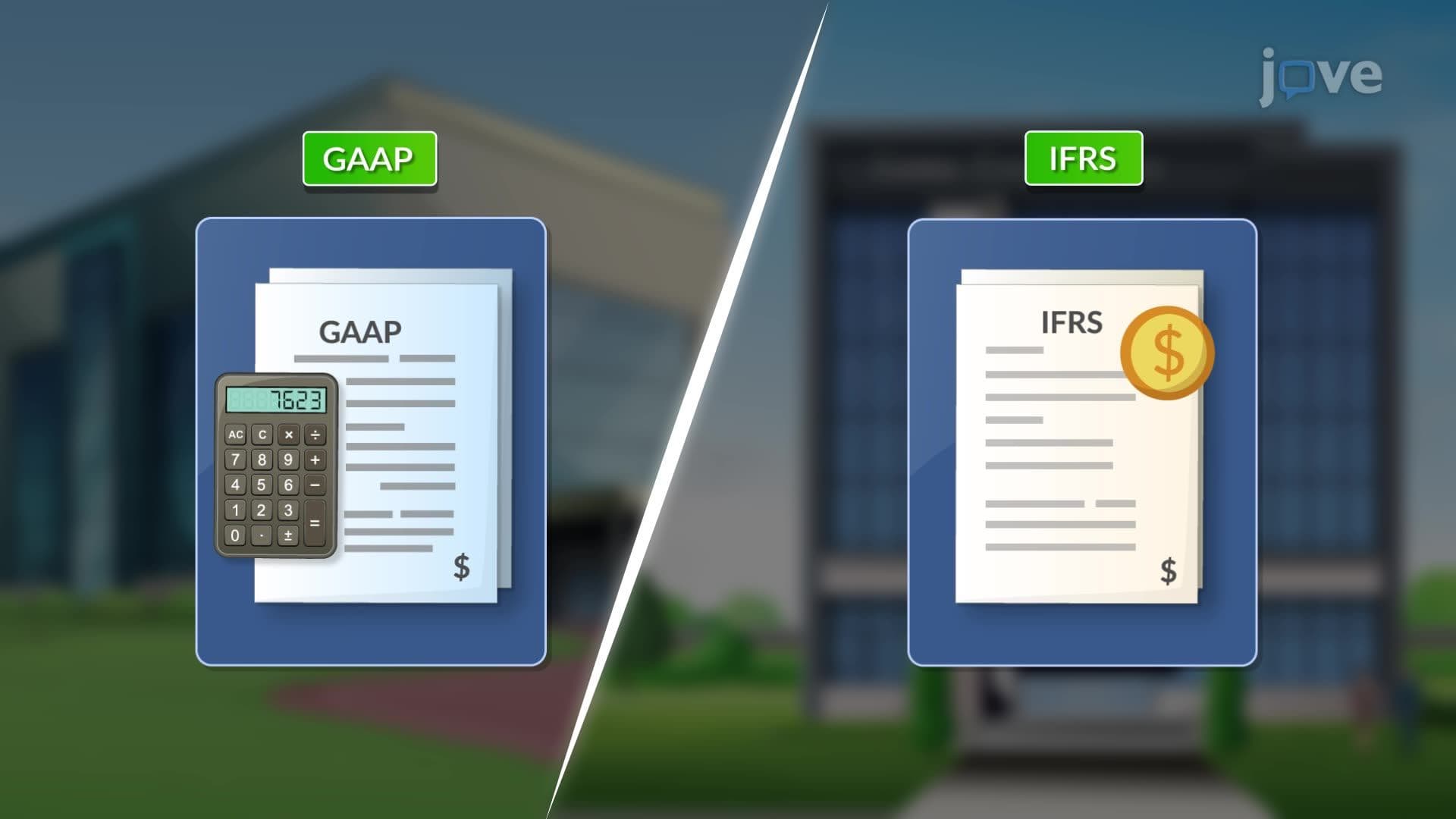
The cost concept has two primary expressions in modern accounting: historical cost and fair value. Both are legitimate. Both are useful. The leadership skill is knowing which one applies and why.
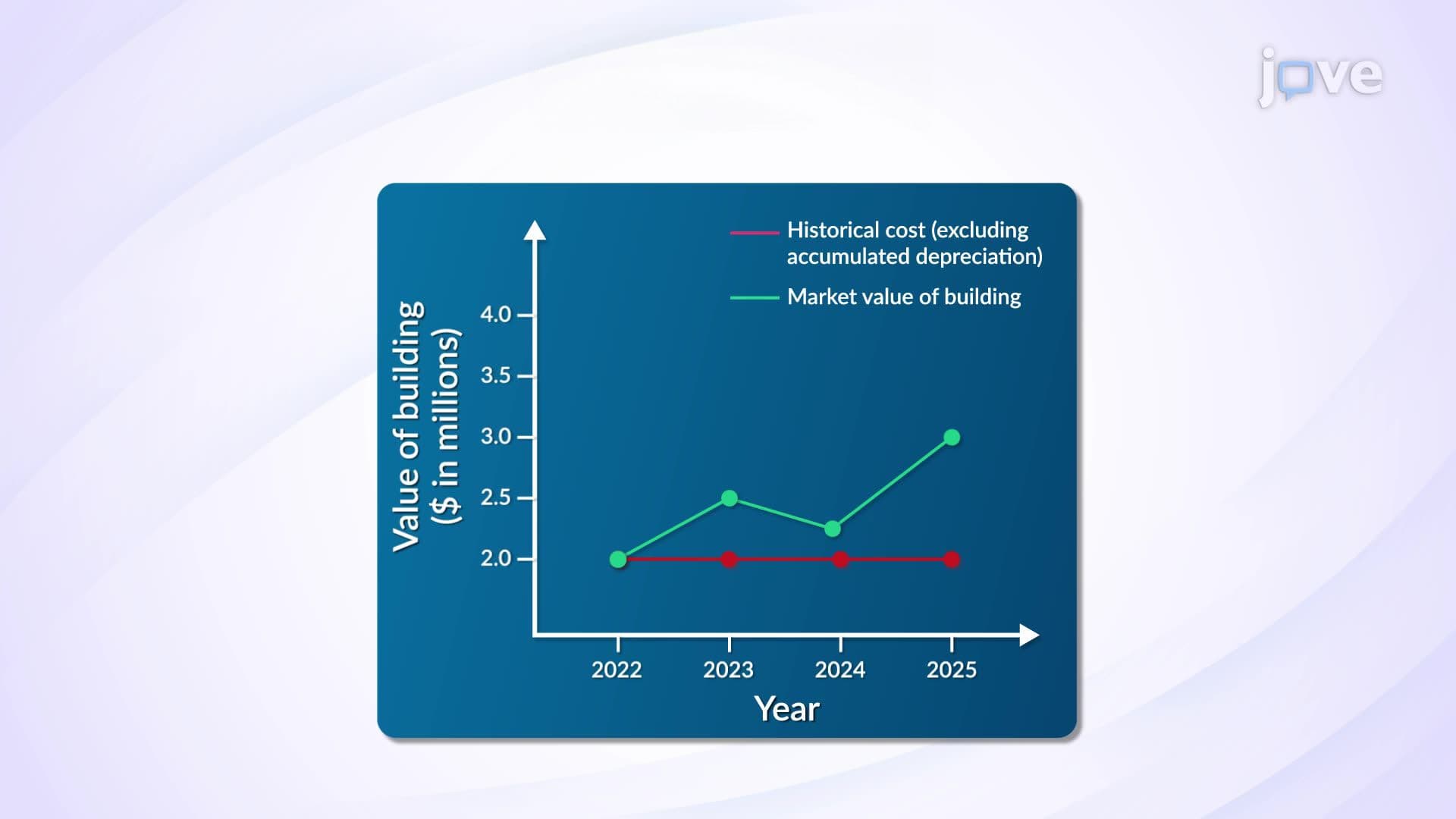
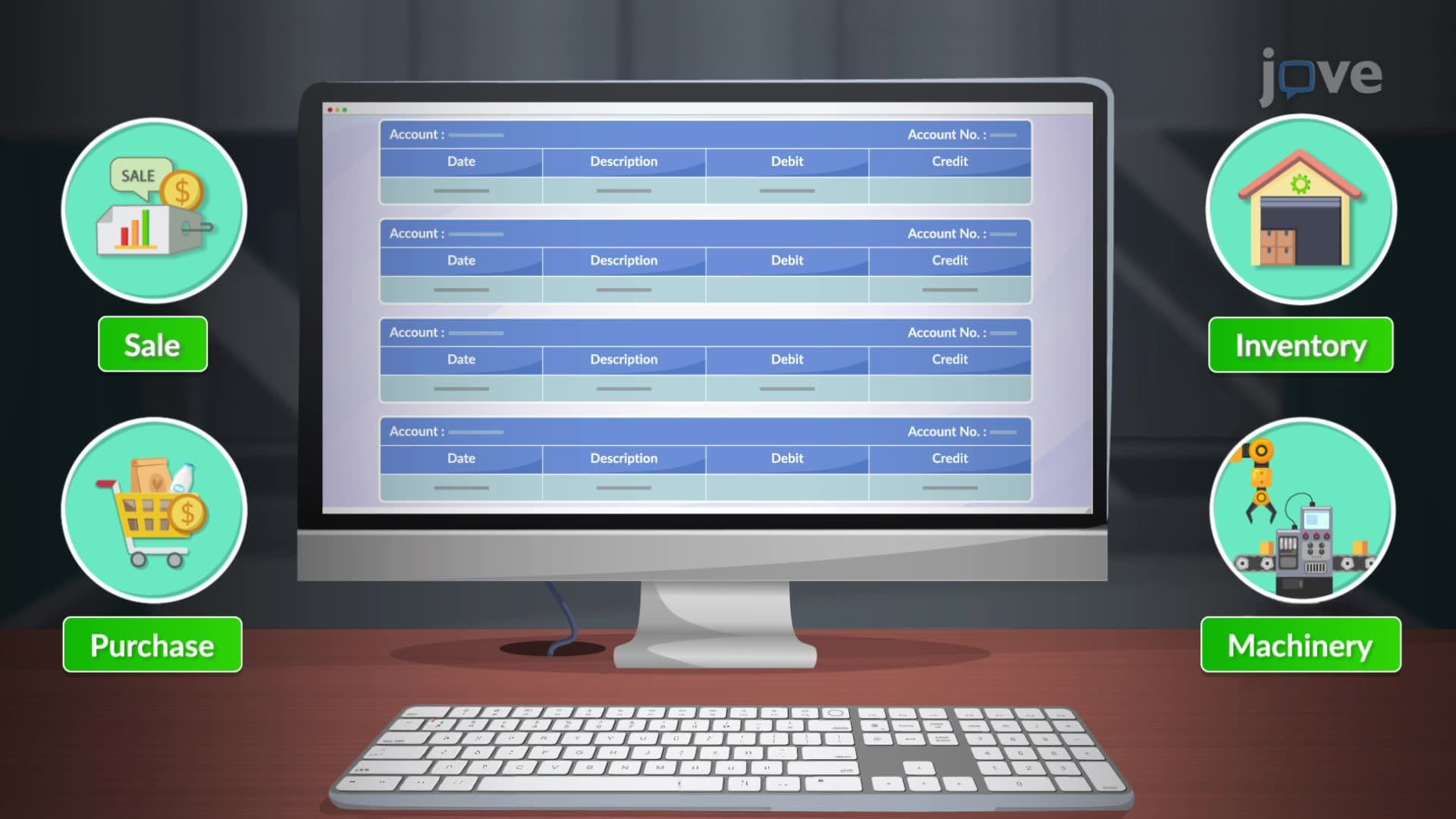
Historical cost records what was paid at the time of purchase and keeps that number stable. It's consistent, auditable, and resistant to market swings, which is why it's standard for long-term physical assets like machinery, buildings, and equipment. When you're managing predictable depreciation schedules or making long-range capital plans, historical cost gives you a reliable anchor.
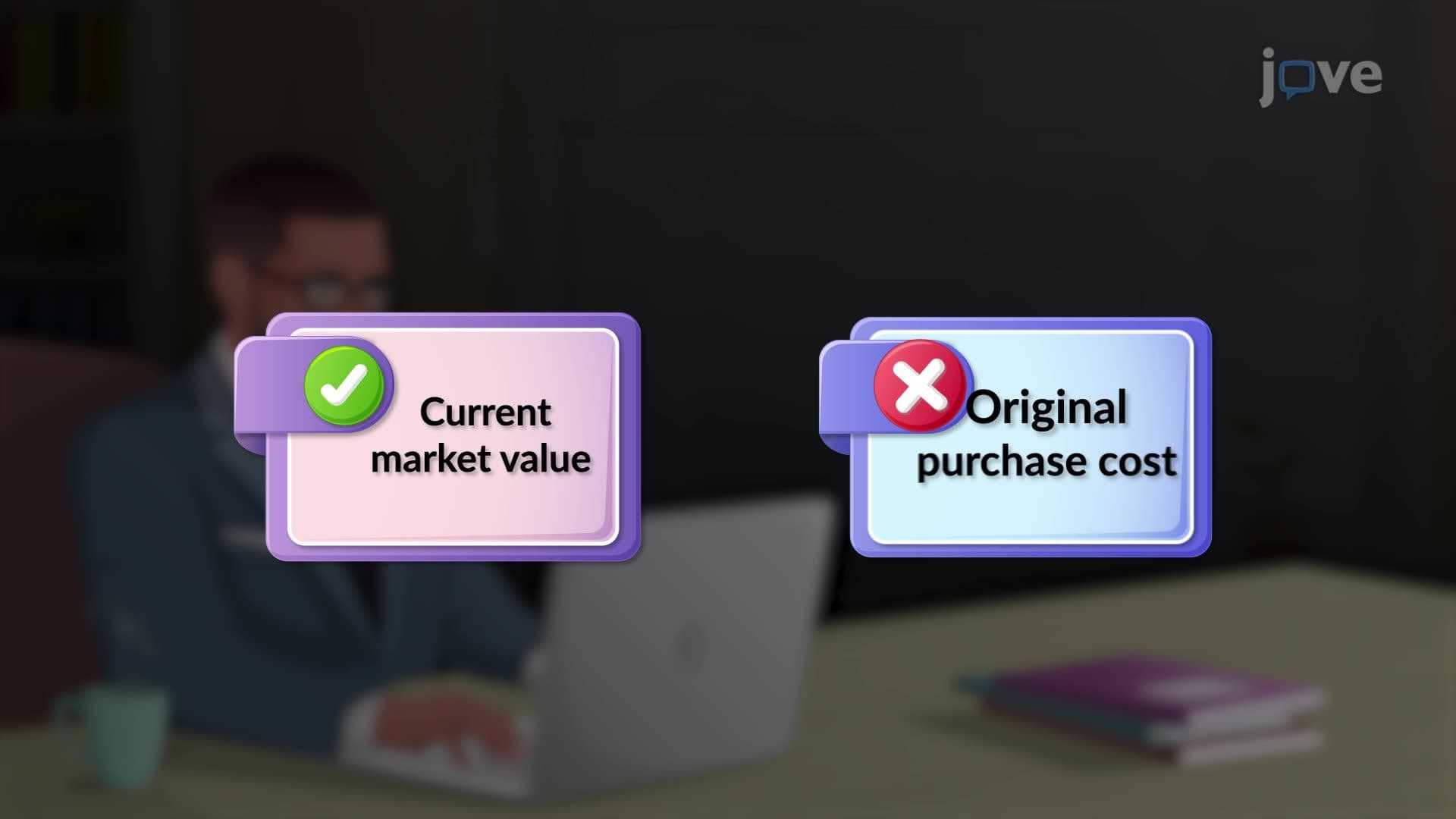
Fair value, introduced formally through FASB ASC Topic 820, reflects what an asset would sell for today in an open market. This is the standard used for investment portfolios, financial instruments, and assets where current market conditions genuinely matter. For managers overseeing teams that handle investment reporting or market-sensitive assets, fair value provides the timely, real-world picture that historical cost cannot.
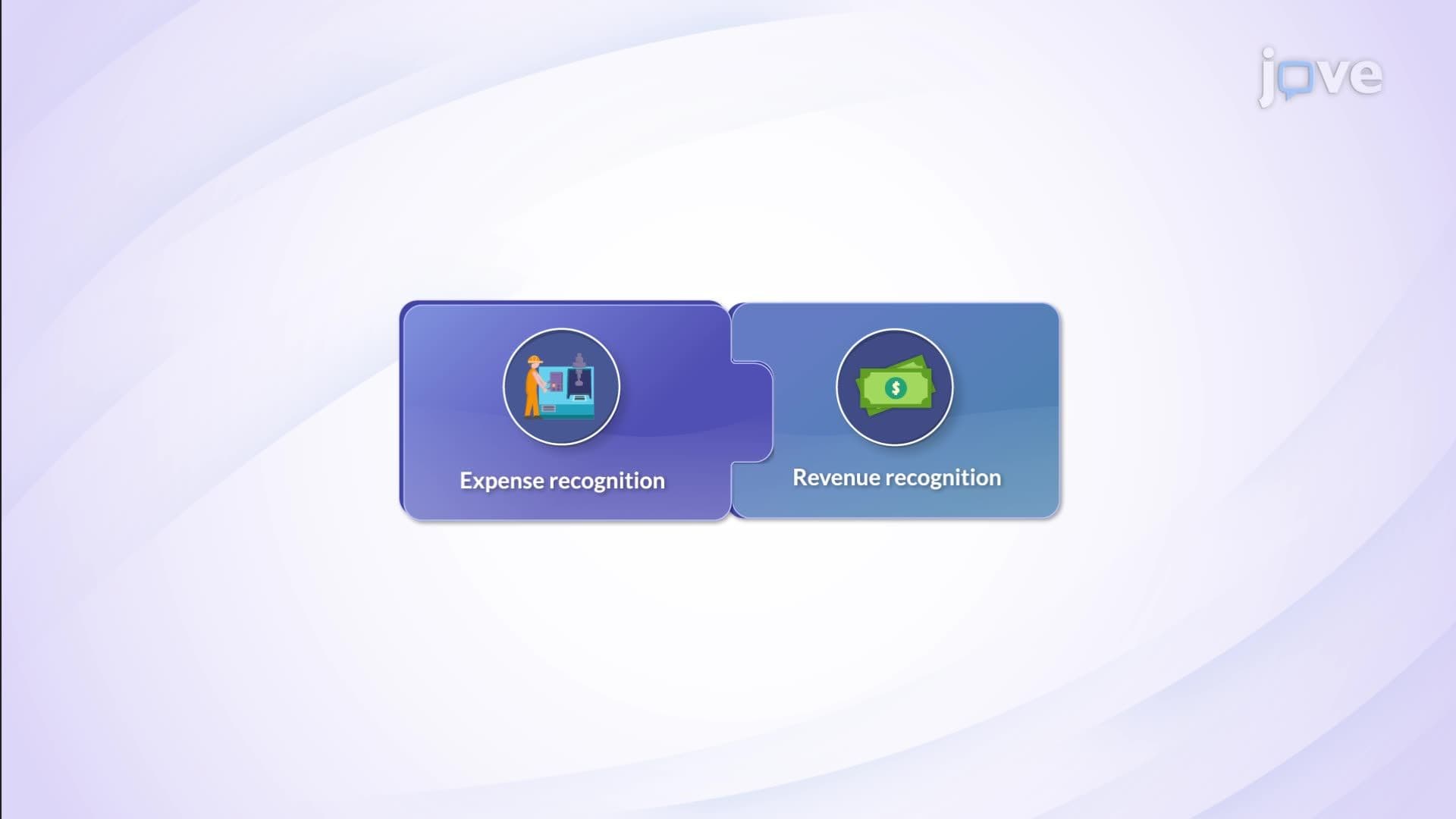
The Matching Principle from GAAP reinforces when each applies: match the accounting method to the nature of the asset and the decision being made. Stable, long-term operational assets lean historical. Liquid, market-linked assets lean fair value.
When preparing for or participating in a financial review, budget cycle, or capital expenditure discussion, run this three-step check:
1. Identify the asset type, Is it a physical, long-term operational asset, or a market-linked financial instrument? 2. Verify total recorded cost, Does the documented cost include every expense incurred to bring the asset to productive use? 3. Clarify the valuation basis, Is your finance team reporting at historical cost or fair value? Do you understand why, and can you explain the difference to your own team if asked?
This isn't about becoming an accountant. It's about being the manager who doesn't get caught flat-footed in a finance conversation, and who helps their team avoid costly reporting errors before they escalate.
Related Micro-courses