Loading video…


 23 Concepts
 13.7K views

Video Summary: What Is Accrual Basis of Accounting
Accrual basis of accounting catches many new managers off guard when reviewing financial reports, numbers don't reflect what they expect because timing matters more than cash flow. Understanding the accrual basis of accounting helps you interpret team budgets, project costs, and revenue recognition accurately. Expenses and revenues appear when they're earned or incurred, not when money moves. Watch the full video on JoVE Coach to master this concept with expert-led visuals and step-by-step explanations.
You've just wrapped up a major project in Q3. The client hasn't paid yet, and your team's software invoices are still outstanding. Come review time, your financial report shows strong performance for that quarter, and your finance partner confirms the numbers are correct. If that surprises you, you're not alone. Many managers assume financial results follow cash. Under the accrual basis of accounting, they don't, and understanding why puts you in a much stronger position as a leader.
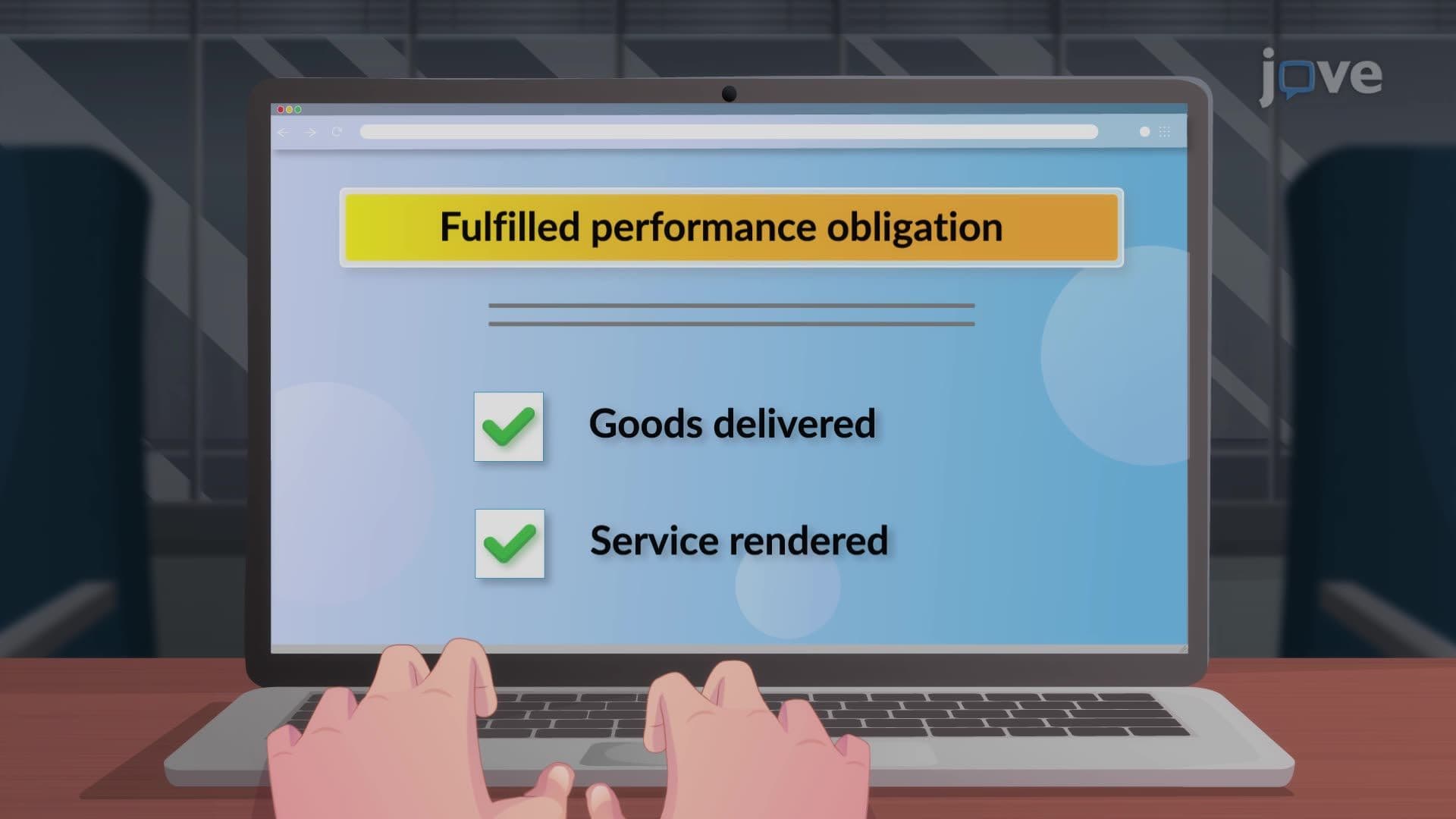
The core confusion stems from a very human instinct: equating money received with work completed. When a manager sees a healthy bank balance but a modest income statement, or vice versa, it creates doubt in their financial judgment. The accrual basis of accounting separates *when work happens* from *when payment moves*. Revenue is recorded when a service is performed or goods are delivered. Expenses are recorded when resources are consumed. This disconnect from cash flow is intentional and deliberate, it gives a more accurate picture of performance within a defined period.
For managers, this distinction becomes critical during budget reviews, project post-mortems, and quarterly planning conversations with leadership.
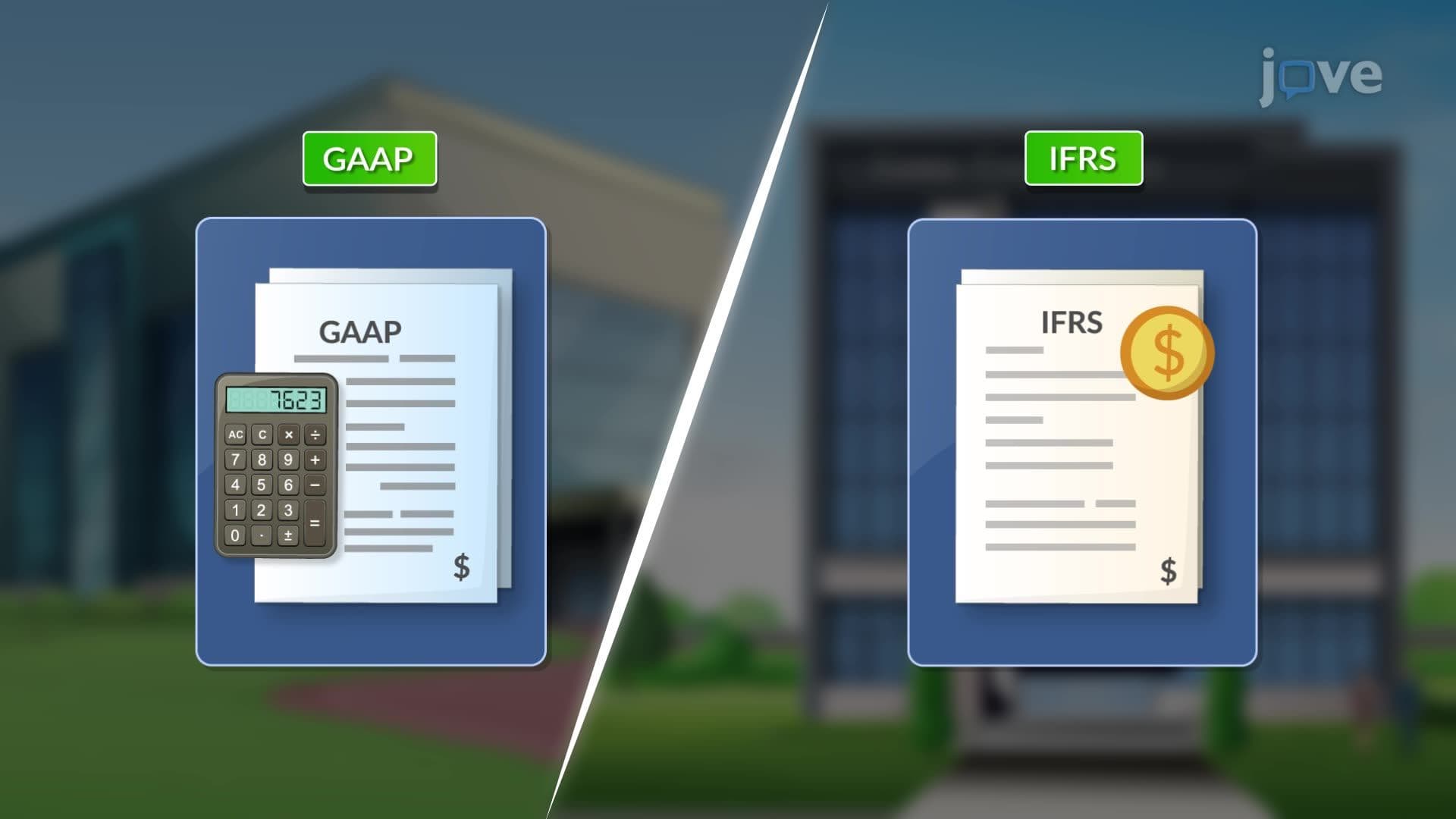
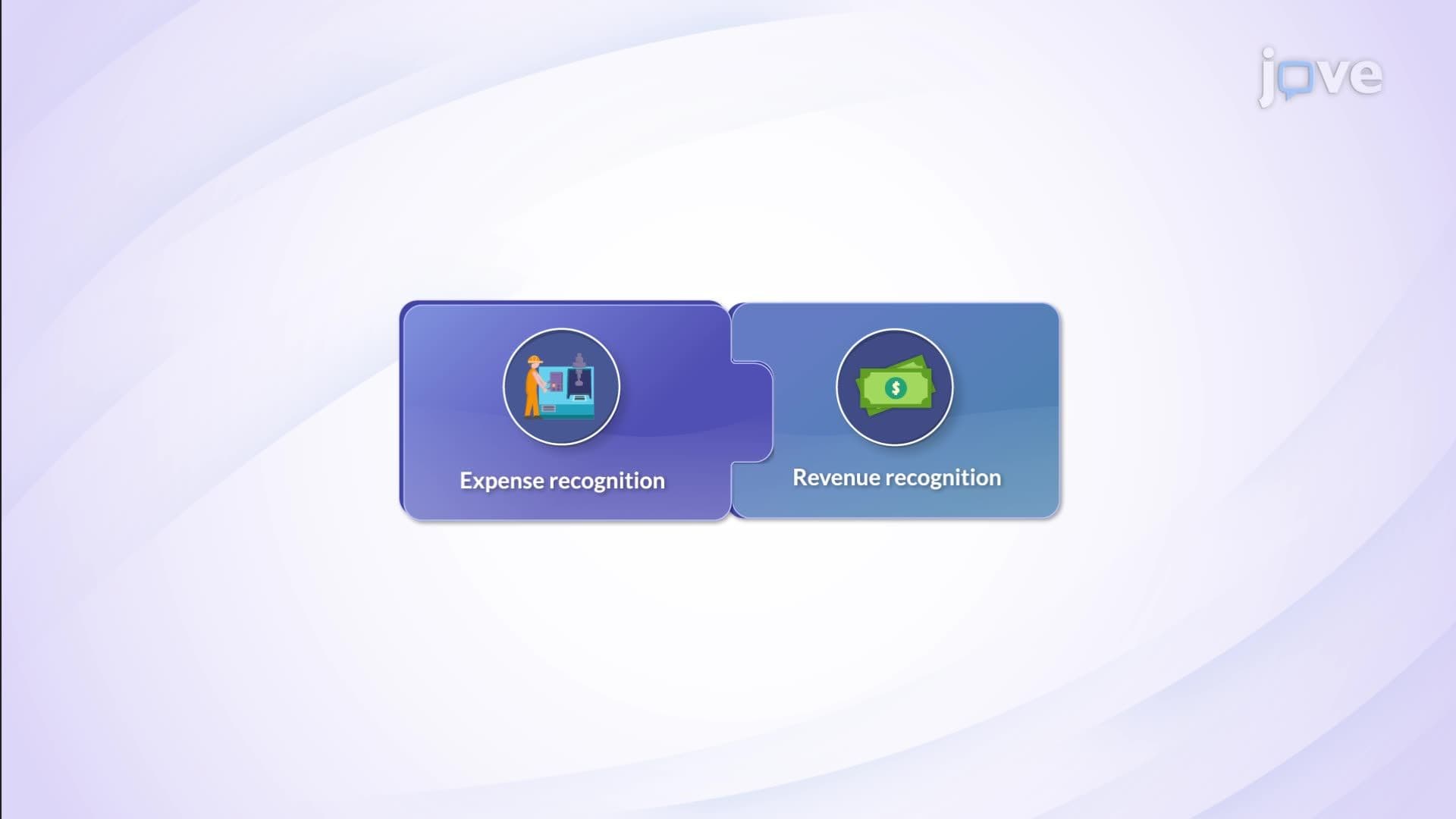
The accrual method is not optional for most organizations, it's required under Generally Accepted Accounting Principles (GAAP), the globally recognized framework that governs how financial activity is recorded and reported. GAAP mandates that revenues and expenses be matched to the period in which they occur, not when cash settles.
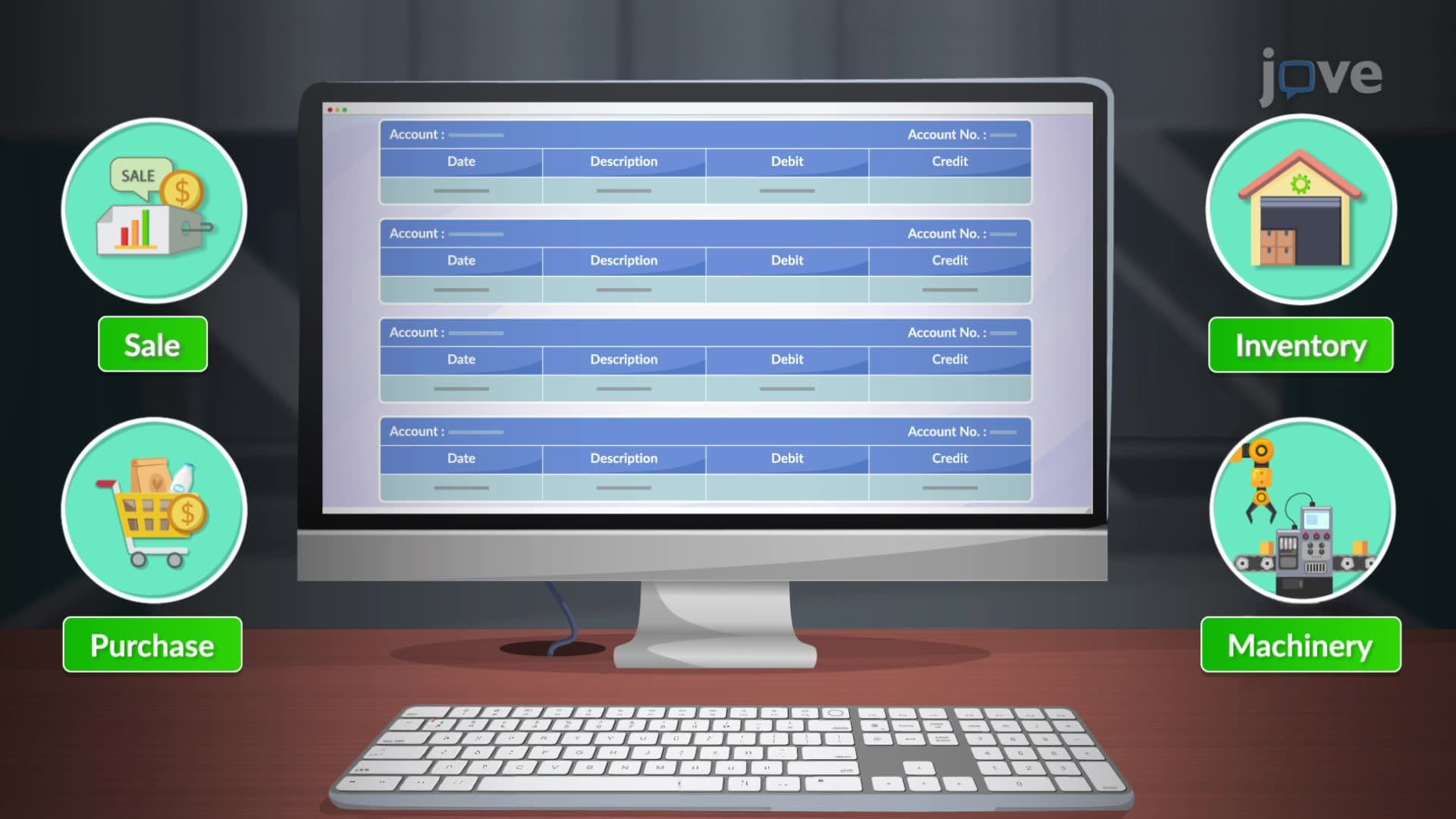
This "matching principle" sits at the heart of accrual accounting. Think of it as a financial parallel to RACI, every cost and every revenue line has a clear owner (the period it belongs to), and misassigning it creates accountability gaps downstream. At period end, adjusting entries are made to capture any earned revenues or incurred expenses not yet formally recorded. These entries ensure your reports are complete, compliant, and trustworthy, which matters enormously when you're presenting to senior leadership or defending a budget variance.
As a manager, you likely don't post journal entries, but you do make decisions that affect when and how costs appear in reports. Here's a practical approach:
Step 1, Map your deliverables to time periods. When your team completes work, note the period it belongs to, regardless of when the invoice goes out or payment arrives.
Step 2, Communicate proactively with finance. If a large expense has been incurred but not yet invoiced, flag it before period close. Finance can record an accrual, keeping your budget picture accurate.
Step 3, Review adjusting entries with your finance partner. Adjusting entries are made at the end of each reporting period to capture these timing gaps. Knowing they exist, and why, helps you explain budget variances without confusion.
Step 4, Use accrual logic in forecasting. When planning forward, commit costs to the period in which work will happen, not when you expect to pay. This keeps your forecast aligned with how results will actually be reported.
The most frequent error is treating a delayed invoice as a deferred cost. If your team used a resource in October, that expense belongs in October's report, whether the bill arrives in November or December. Deferring recognition skews your period performance and can create false variance explanations.
A second mistake is confusing a strong cash position with strong financial performance. Your department may have received advance payments for work not yet delivered, under accrual accounting, that revenue hasn't been earned yet and won't appear in your income statement until the work is done. Grounding your leadership conversations in accrual logic, rather than cash intuition, builds your credibility with finance and gives your team a clearer, more honest picture of where things actually stand.
Related Micro-courses