Loading subject page…


13,712 views


Video Summary: What Is Cash Basis of Accounting
Cash basis of accounting basics trip up many managers when budget reviews, vendor payments, and revenue reporting land on their desk without warning. Understanding the cash basis of accounting means knowing exactly when money in equals money recorded, and when money out does too. Grasp this, and your financial conversations with leadership become far sharper. Watch the full video on JoVE Coach to master this concept with expert-led visuals and step-by-step explanations.
Picture this: your team delivers a major project in the final week of the quarter. The client signs off, everyone celebrates, and you expect that revenue to show up in the quarter-end report. But it doesn't, because payment hasn't arrived yet. If your organization uses the cash basis of accounting, the income is invisible until cash actually clears. For managers without a finance background, this kind of disconnect is disorienting and, in performance reviews, potentially damaging to how your department appears on paper.
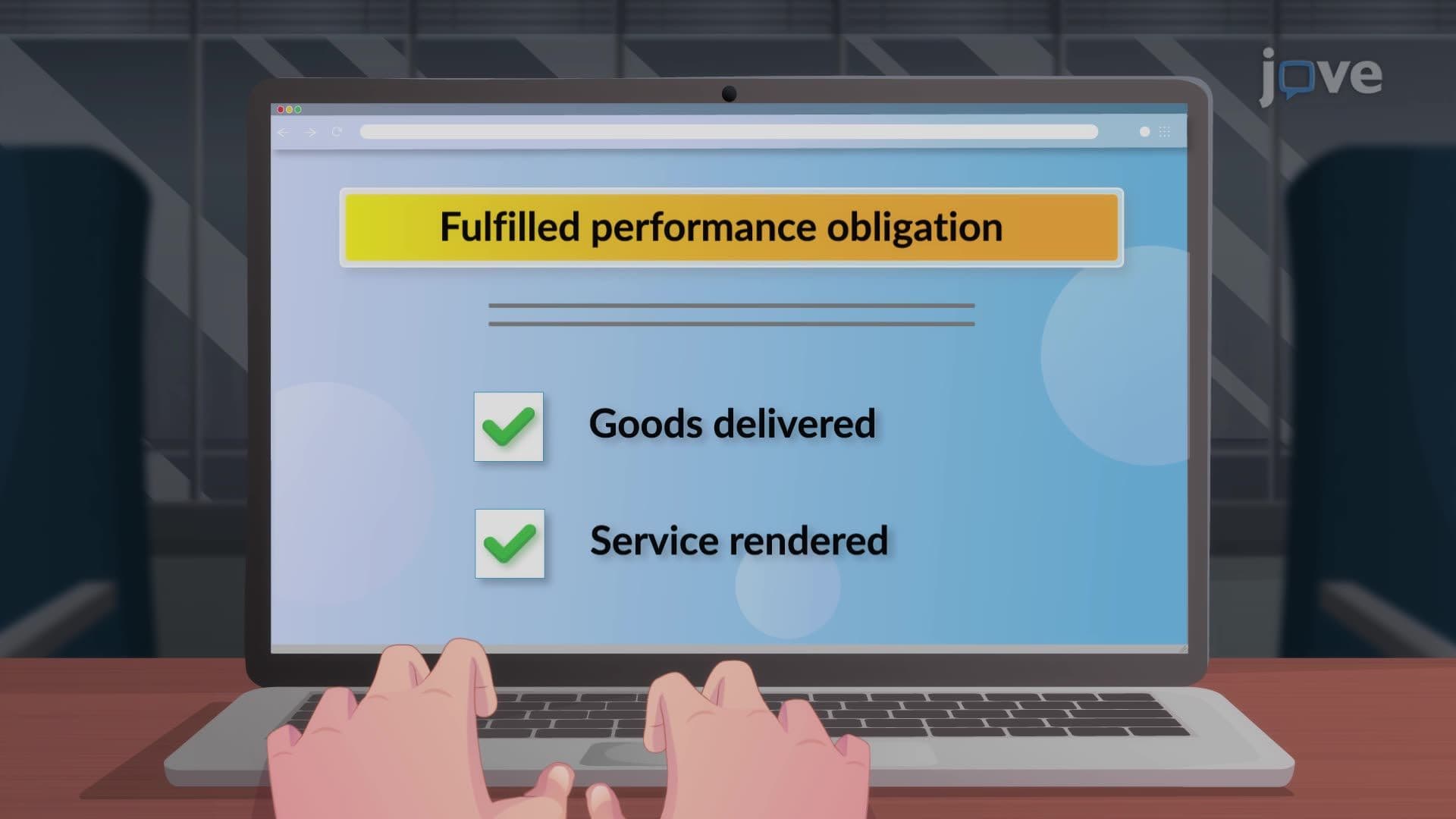
The confusion almost always comes from mixing up two different realities: *when work is done* and *when money moves*. Most managers think in terms of deliverables and deadlines, a natural instinct in operations, sales, and project roles. The cash basis of accounting operates on a completely different logic. It ignores the delivery date entirely. Revenue is real only when payment is received. Expenses are real only when the payment goes out. This creates a blind spot, particularly when managers are held accountable for financial results they can't fully explain.
A useful mental model here is the Cash Flow Timeline: map every major team activity, project completions, vendor contracts, equipment purchases, against the actual payment dates, not the work dates. This single habit closes the gap between what your team *does* and what the books *show*.
For managers overseeing small teams, service-based projects, or lean operational units, cash basis thinking maps naturally onto practical planning. Use a simple three-column tracker: (1) Activity or commitment, (2) Expected completion or delivery date, (3) Expected payment date. The third column is the only one that matters for your financial reporting under the cash basis method.
This approach aligns with the RACI framework at a financial level, knowing who is *responsible* for triggering payment, who is *accountable* for recording it, and who needs to be *informed* when cash flow doesn't match expected timelines. In practice, this means your weekly check-in with a finance partner or operations lead should focus less on "what did we complete?" and more on "what cash moved this week?"
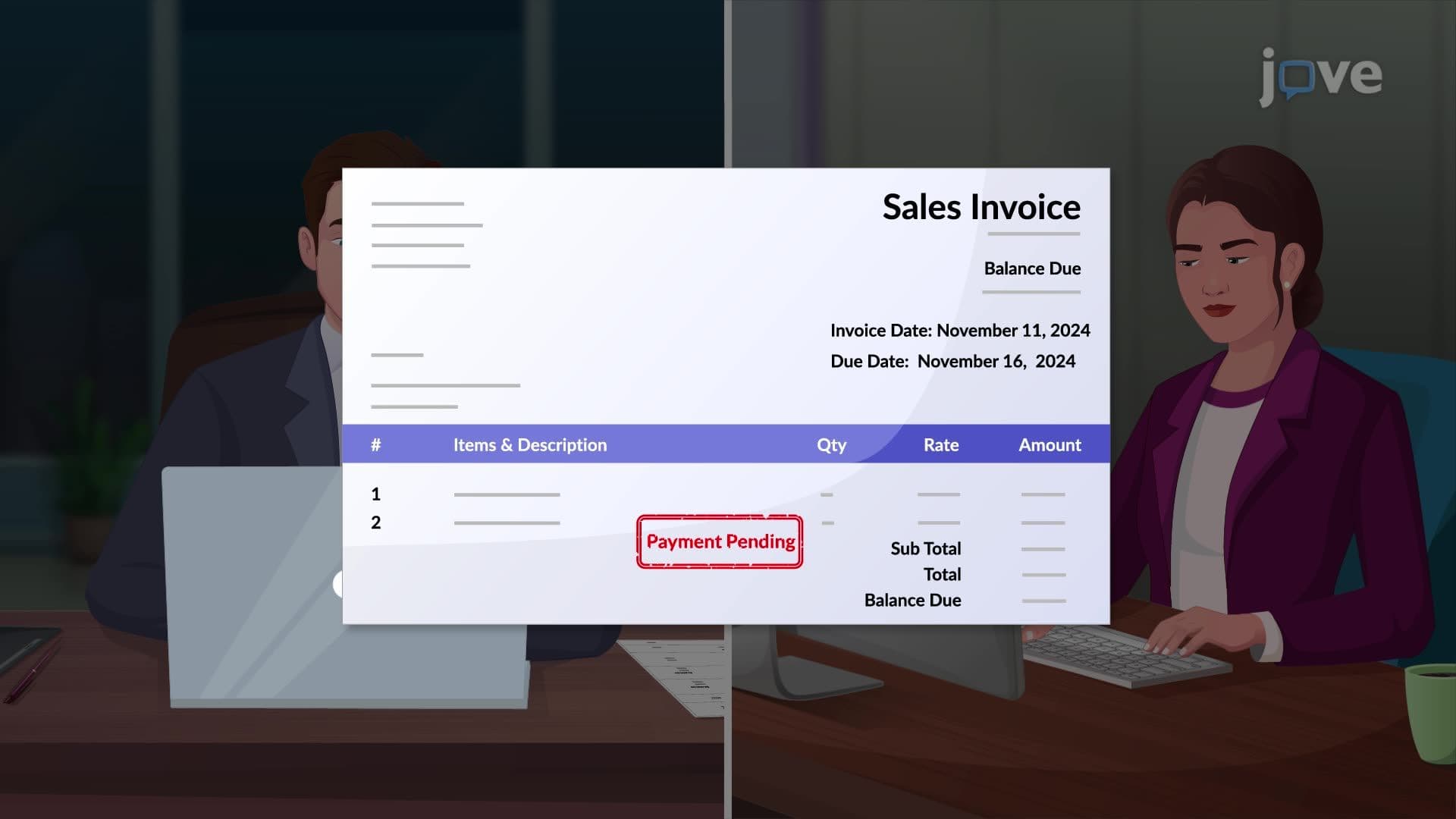
The most frequent managerial error is treating completed work as financial performance. In a cash basis environment, a fully delivered project with an outstanding invoice contributes zero to the recorded income for that period. This makes month-end and quarter-end reporting genuinely misleading, particularly for seasonal teams where large payments cluster unpredictably.
A second mistake is assuming that cash basis accounting reflects the full financial health of a department or business. It tracks liquidity well, but it does not match income and expenses to the periods in which they were actually generated. If you're preparing a case for headcount, new tooling, or budget expansion, relying solely on cash basis data may understate your team's actual productivity. Know the method your organization uses, and know its limits, before you walk into a resource planning conversation.
Related Micro-courses