Loading video…

 23 Concepts
 13.7K views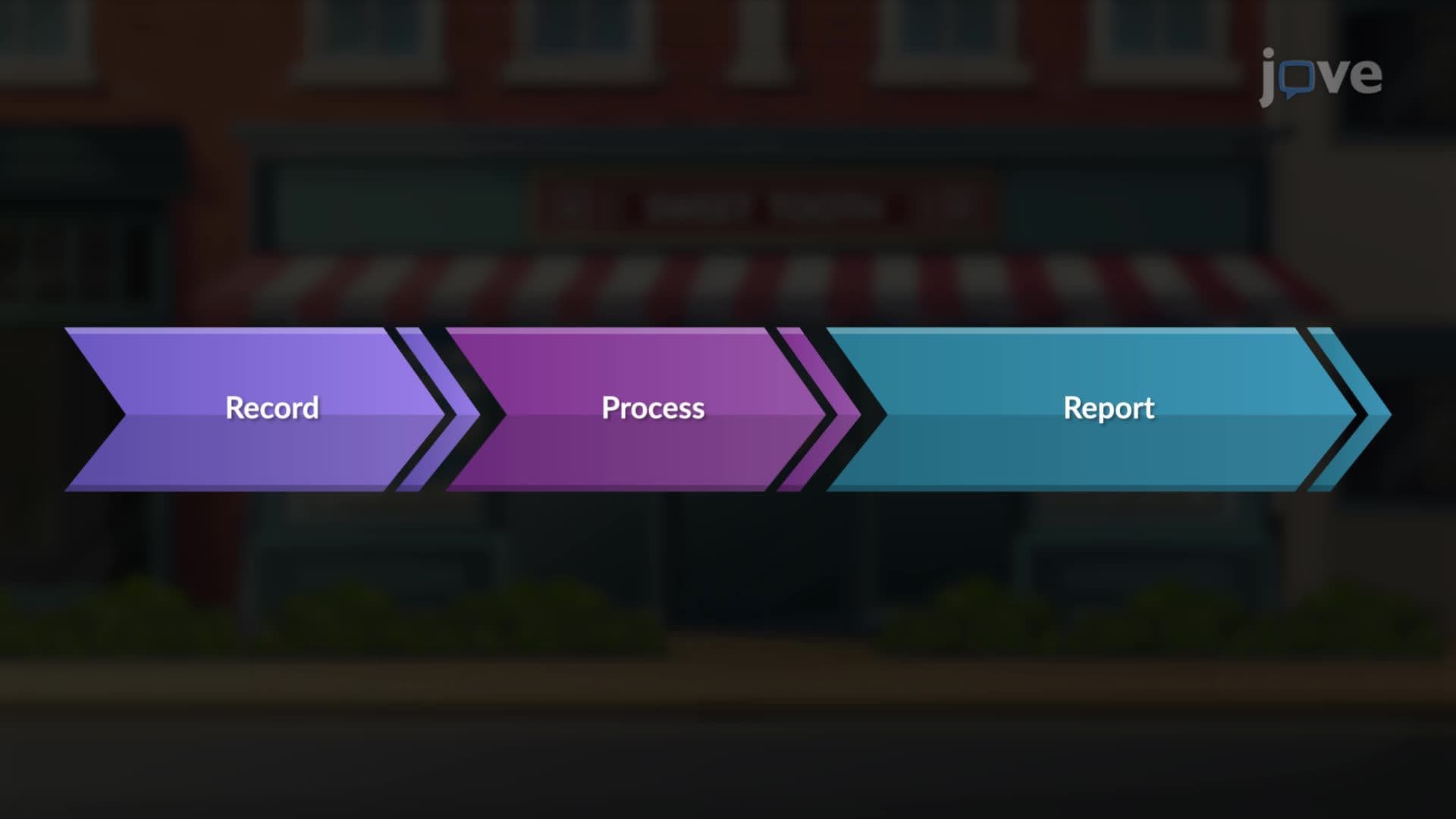

Video Summary: What Is the Accounting Cycle
The accounting cycle basics often feel abstract until a financial discrepancy surfaces mid-quarter and you need answers fast. Understanding what is the accounting cycle, and how transactions move from source documents through to financial statements, gives managers the financial literacy to ask sharper questions and spot problems early. Watch the full video on JoVE Coach to master this concept with expert-led visuals and step-by-step explanations.
Picture this: your team has just closed the quarter, but the financial report landing on your desk doesn't match what your operations lead reported two weeks ago. The numbers are off, no one can pinpoint where the discrepancy entered the system, and the monthly business review is in 48 hours. This is precisely the kind of situation that exposes a gap most non-finance managers quietly carry, a limited understanding of how financial data actually flows through an organization before it becomes a report.
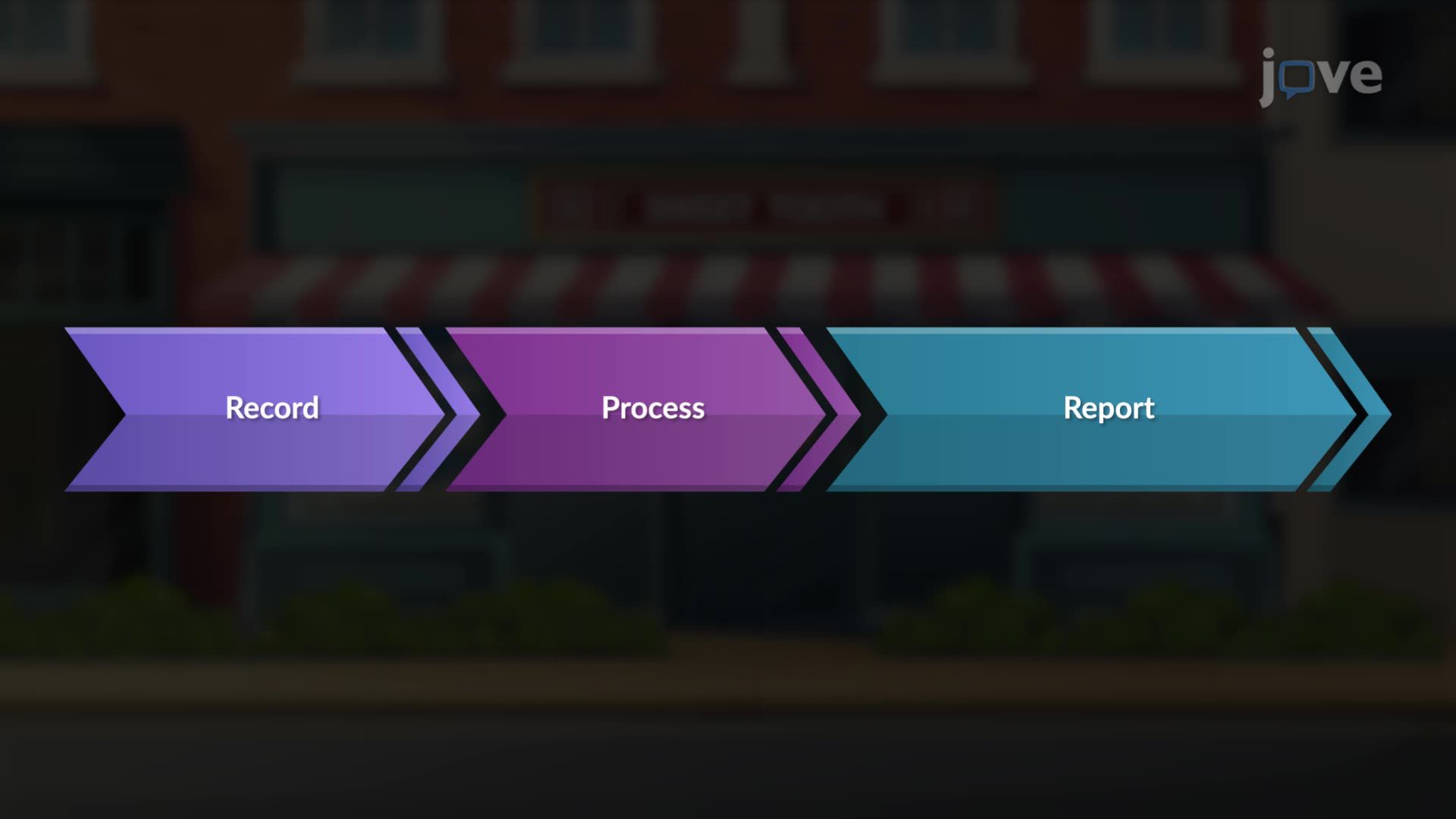
The accounting cycle is that flow. It's the structured, repeatable process by which every financial transaction, a sale, a purchase, a wage payment, is captured, verified, organized, and ultimately transformed into the financial statements that drive business decisions. For managers outside of finance, understanding this cycle isn't about doing the accounting yourself. It's about knowing enough to lead accountably, communicate credibly, and catch problems before they escalate.
Most managers are promoted for operational or technical excellence, not financial fluency. As a result, they often treat accounting as a black box, numbers go in, reports come out, and they disengage from the process in between. This creates a dangerous blind spot.
When you don't understand that an income statement depends on accurately posted journal entries, or that unadjusted figures can look clean while masking unrecorded liabilities, you lose your ability to challenge the data in front of you. You become a passive consumer of reports rather than an active steward of financial performance.
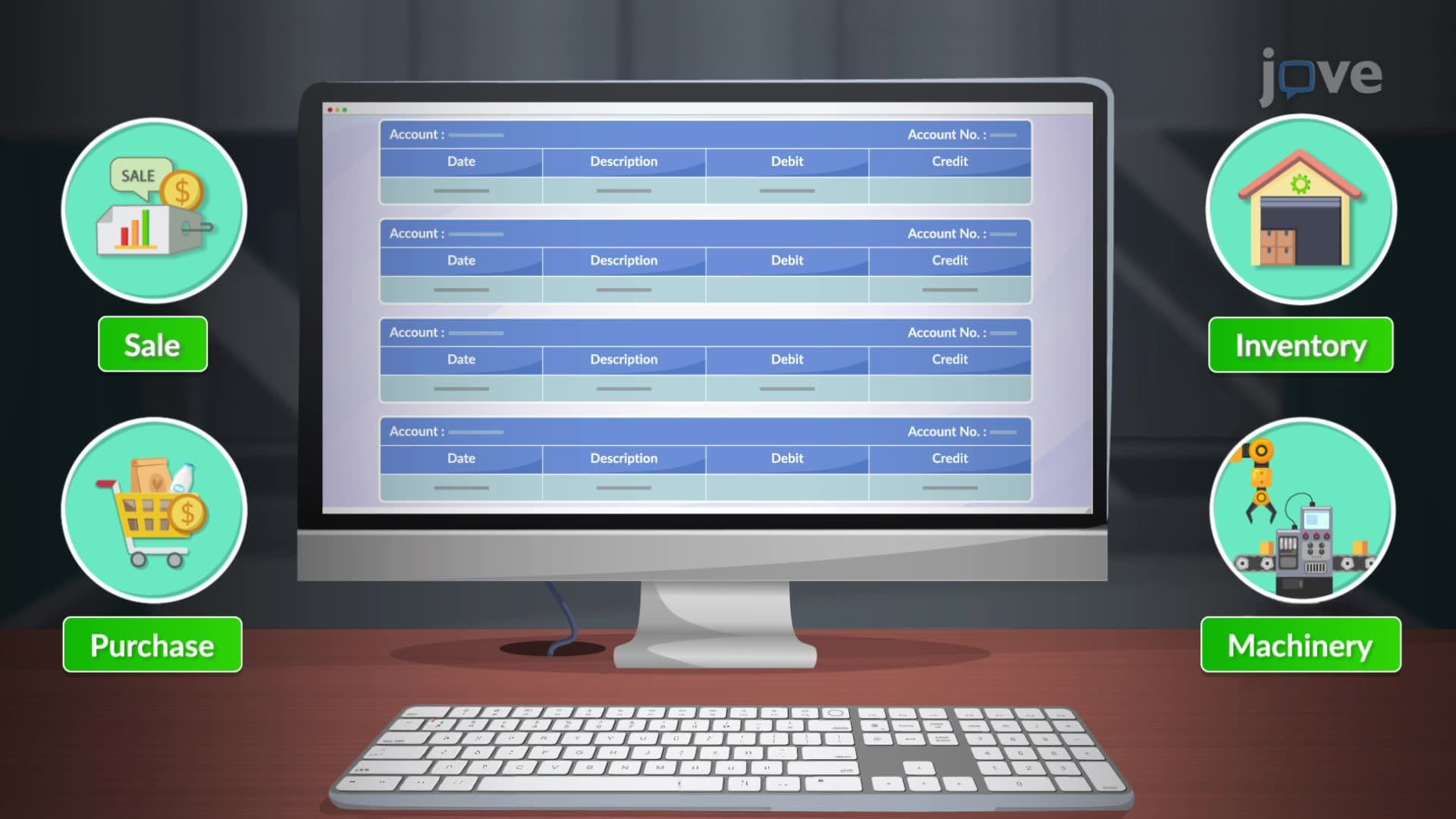
The fix isn't a deep dive into accounting theory. It's understanding the sequence: transactions are recorded via source documents, posted to the general ledger, tested for balance through trial balances, corrected with adjusting entries, and then closed out to reset for the next period.
Think of the accounting cycle in three practical management zones:
Zone 1, Input Integrity: Transactions must be captured accurately at the point of origin. As a manager, this means ensuring your team documents expenses, sales activity, and operational costs with proper supporting evidence. Source documents aren't paperwork bureaucracy, they're the foundation of every financial report your leadership team relies on.
Zone 2, Review and Adjustment: The adjusting entries stage is where real-world timing mismatches get corrected, depreciation recognized, wages accrued, prepaid expenses adjusted. When you participate in period-end reviews, this is the stage where questions like "are all liabilities reflected?" and "have we accrued for that service contract?" matter most. Apply a simple RACI model here: clarify who is Responsible for each adjustment category, who Accountable signs off, and who needs to be Consulted or Informed.
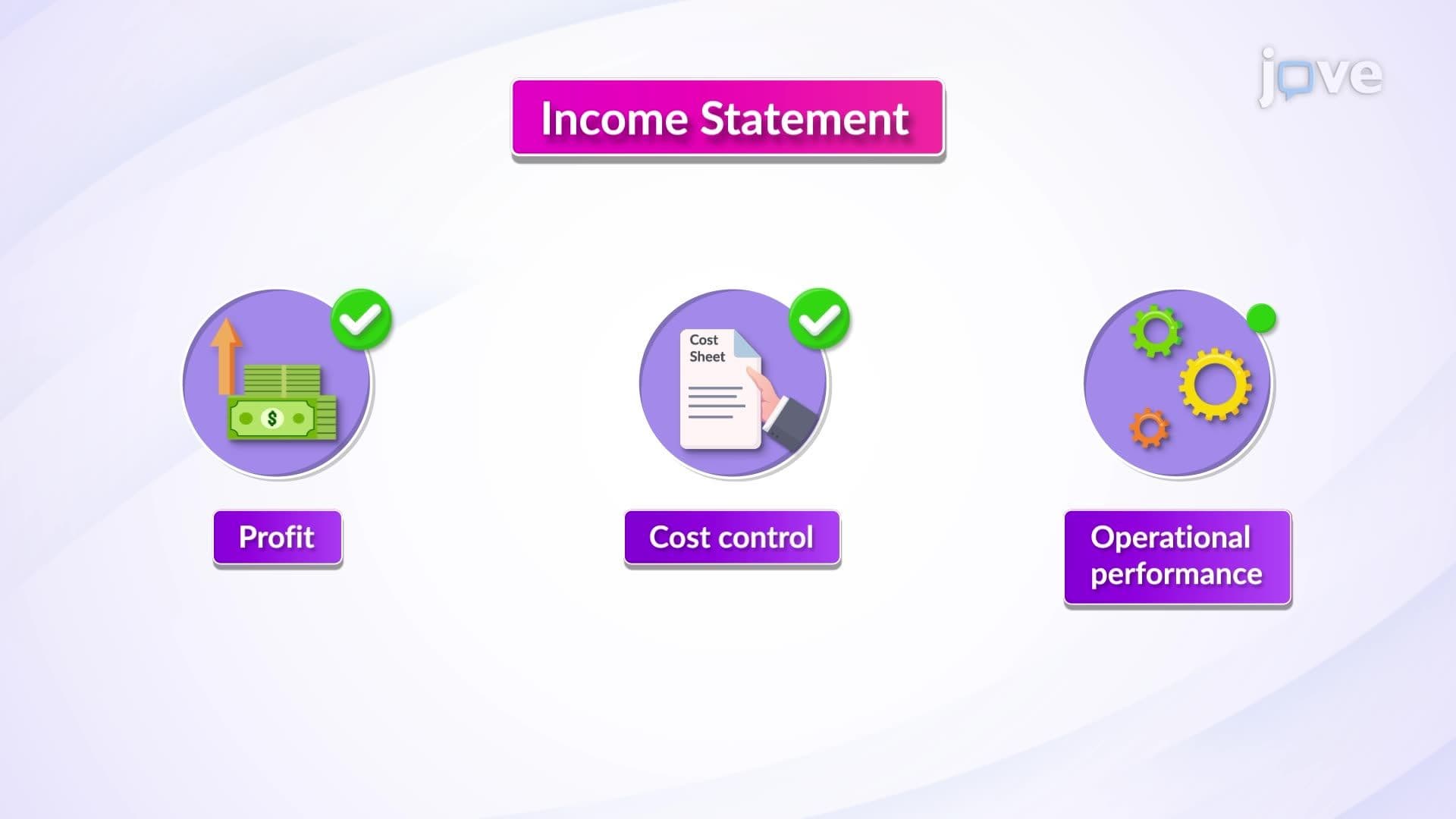
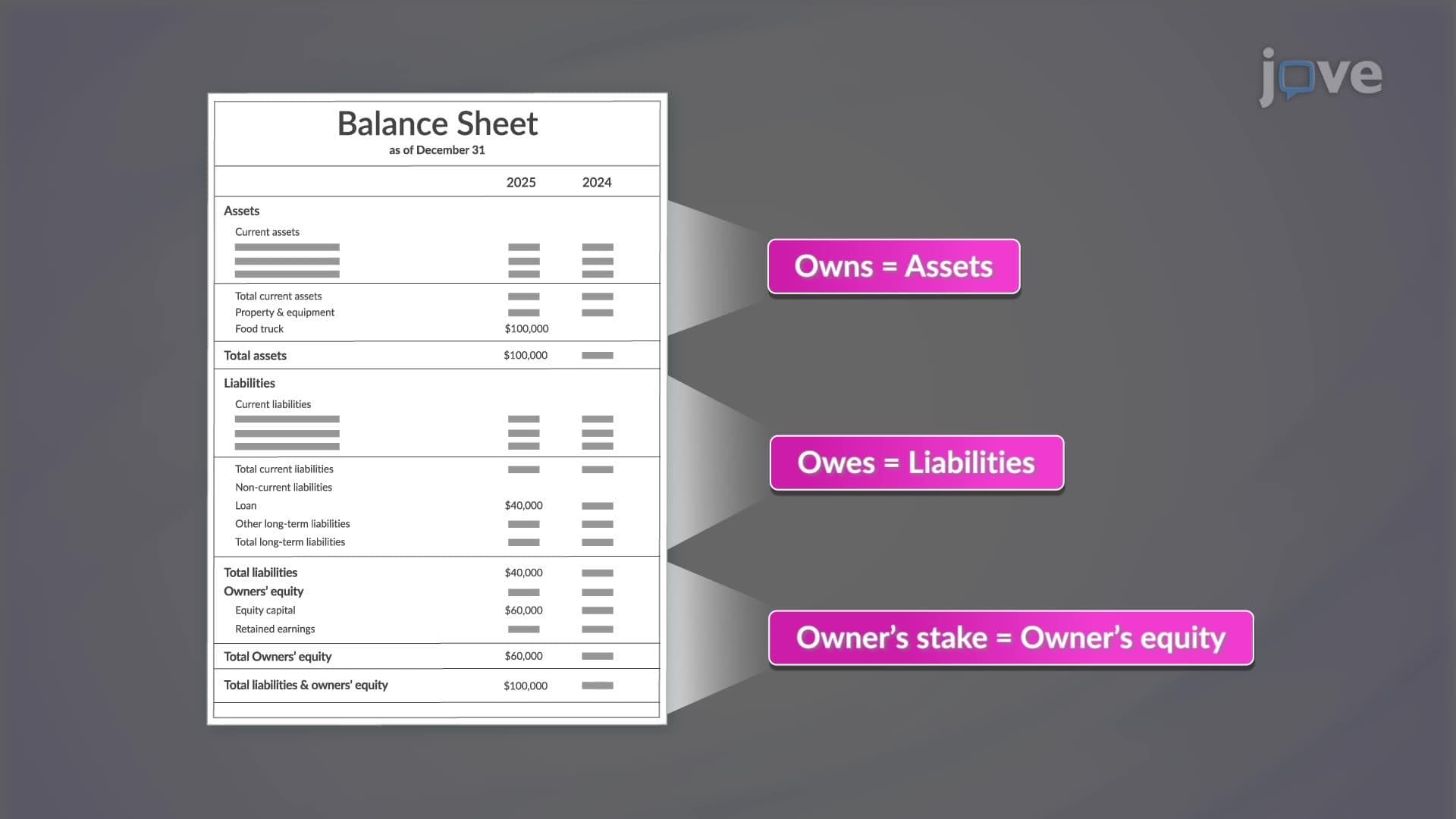
Zone 3, Output Verification: The income statement, balance sheet, and cash flow statement are your management outputs. Understanding that they are only as accurate as every step upstream gives you a sharper lens when something looks off, and the confidence to ask the right questions instead of simply accepting the numbers.
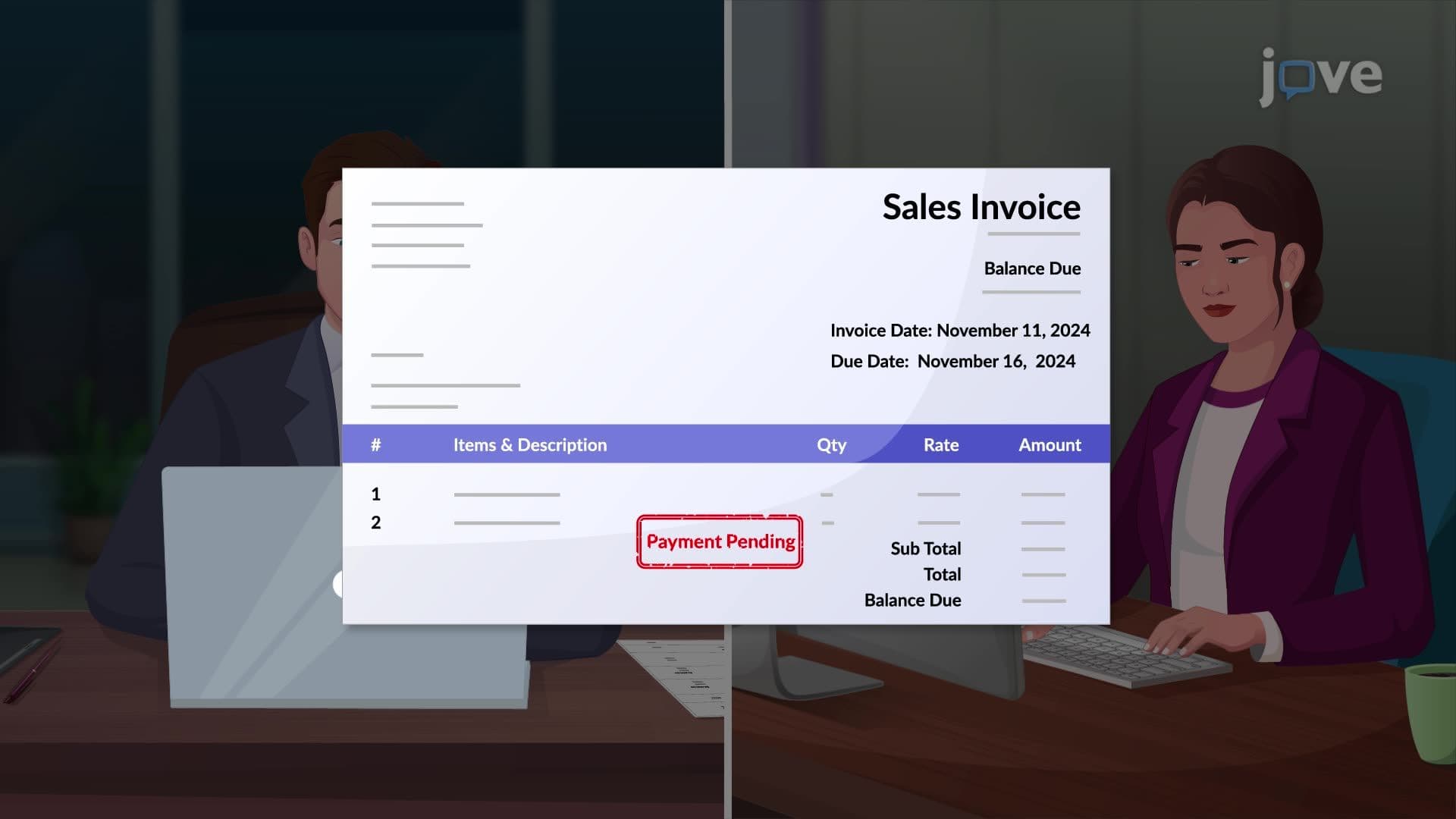
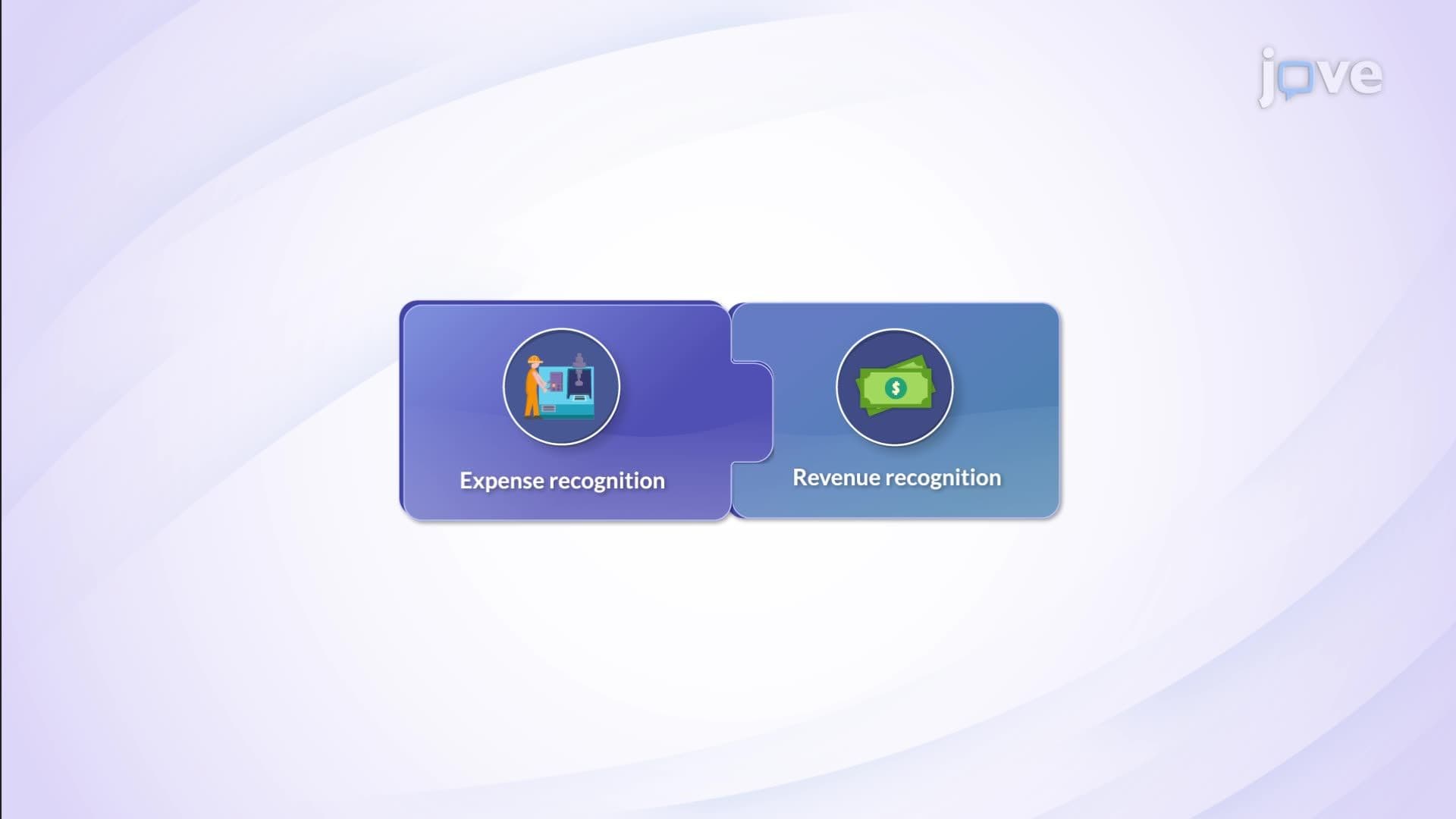
Confusing cash timing with revenue recognition. A sale recorded in one period but paid in another can distort your view of team performance if you're reading cash figures instead of accrual-based revenue. Know which lens your reports use.
Treating the trial balance as the final check. A balanced trial balance means debits equal credits, it does not mean the numbers are correct. Errors of omission, misclassification, or wrong amounts can still exist. This is why adjusting entries and managerial review matter.
Waiting until reporting day to engage. Managers who only look at financials when reports land are always reactive. Build a rhythm, brief weekly check-ins on transaction volumes or open items, so period-end close is a confirmation, not a discovery.
The accounting cycle isn't just an accounting team concern. It's the operational backbone of every financial decision you'll make or influence as a manager.
Related Micro-courses