Loading video…

 23 Concepts
 13.7K views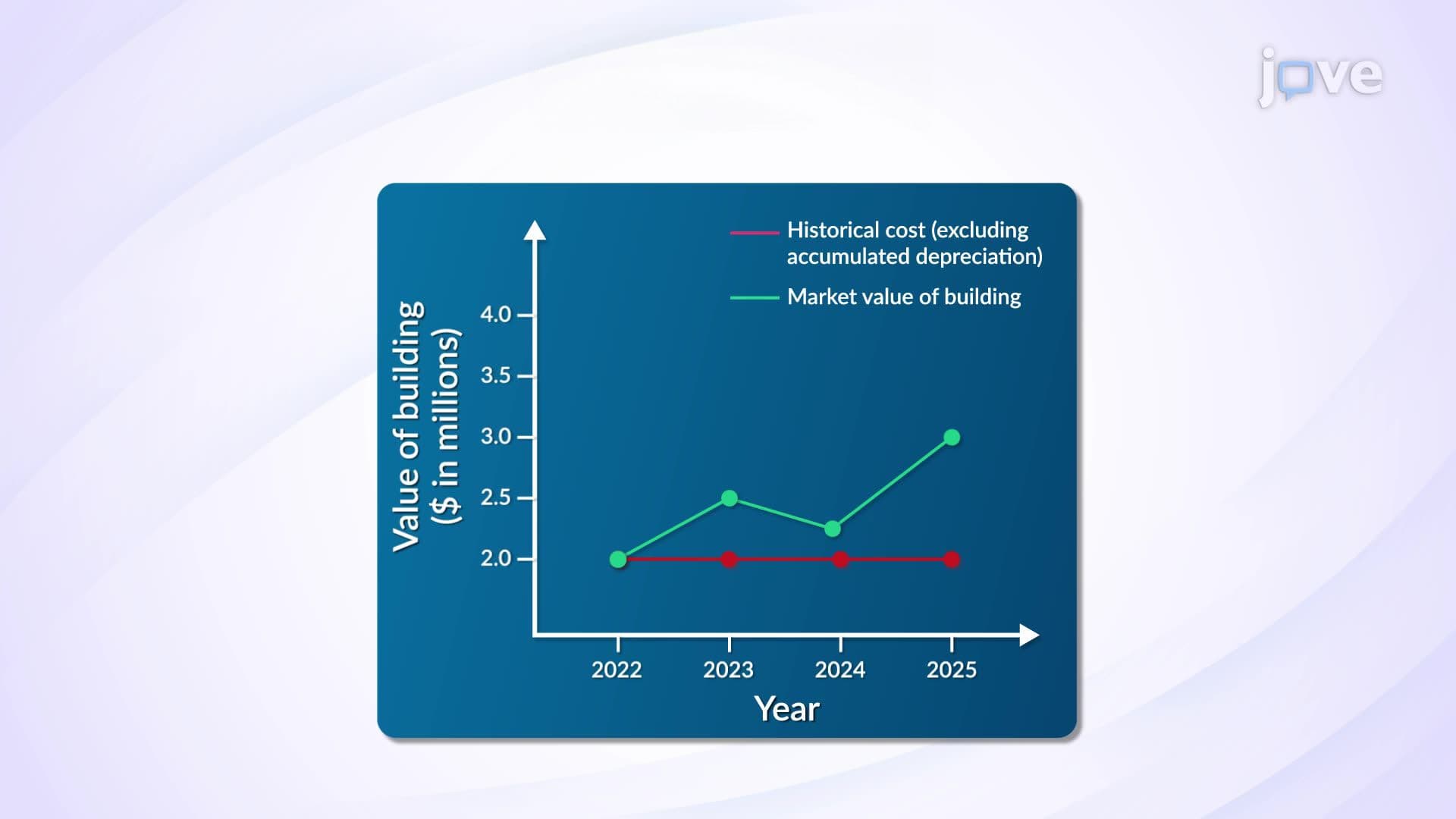

Video Summary: What Is Historical Cost Principle
The historical cost principle basics matter more than most managers realize when reviewing financial reports or making budget decisions. Understanding the historical cost principle, the rule that assets are recorded at their original purchase price, not current market value, helps you read balance sheets accurately and question financial assumptions with confidence. Watch the full video on JoVE Coach to master this concept with expert-led visuals and step-by-step explanations.
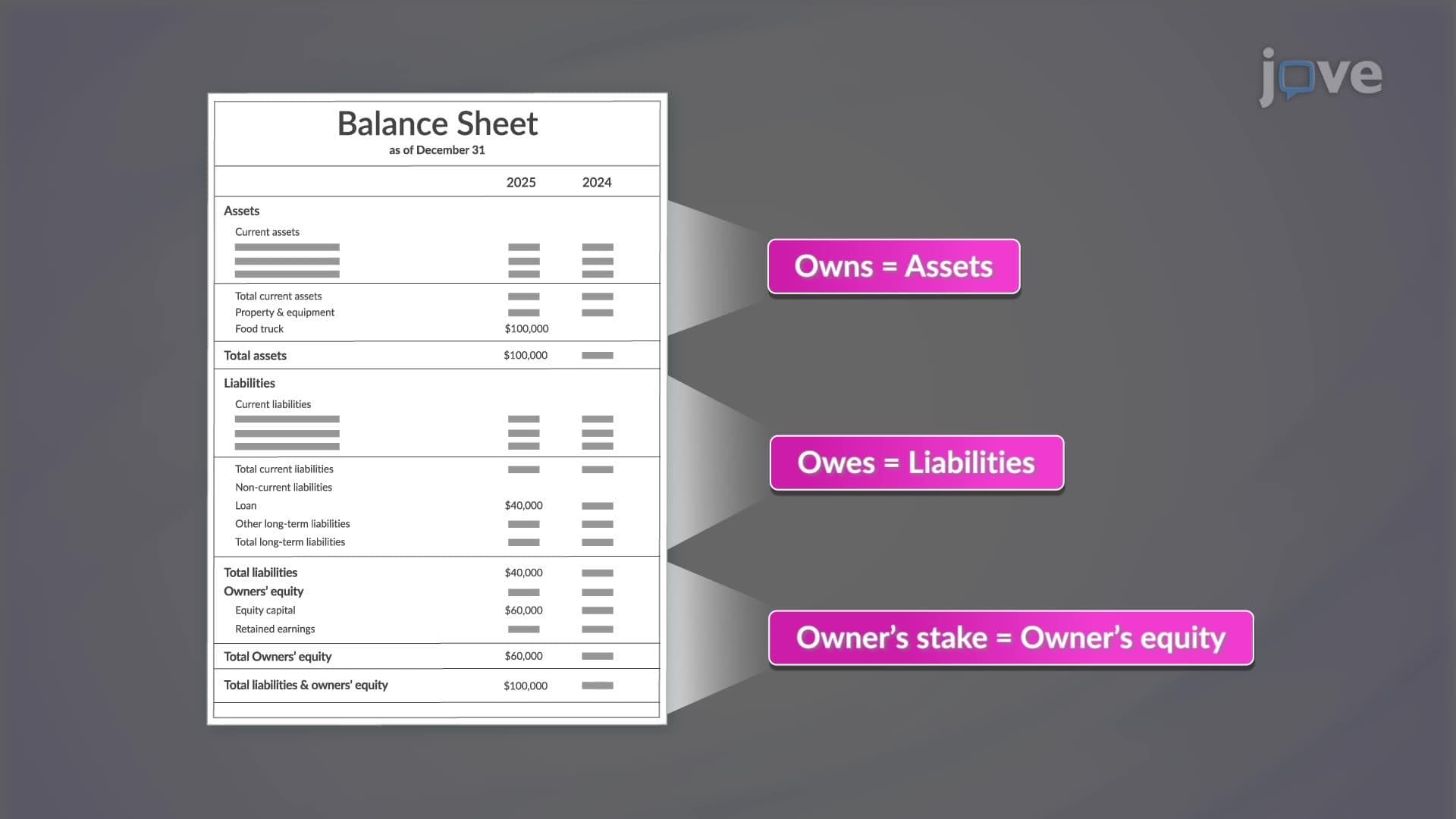
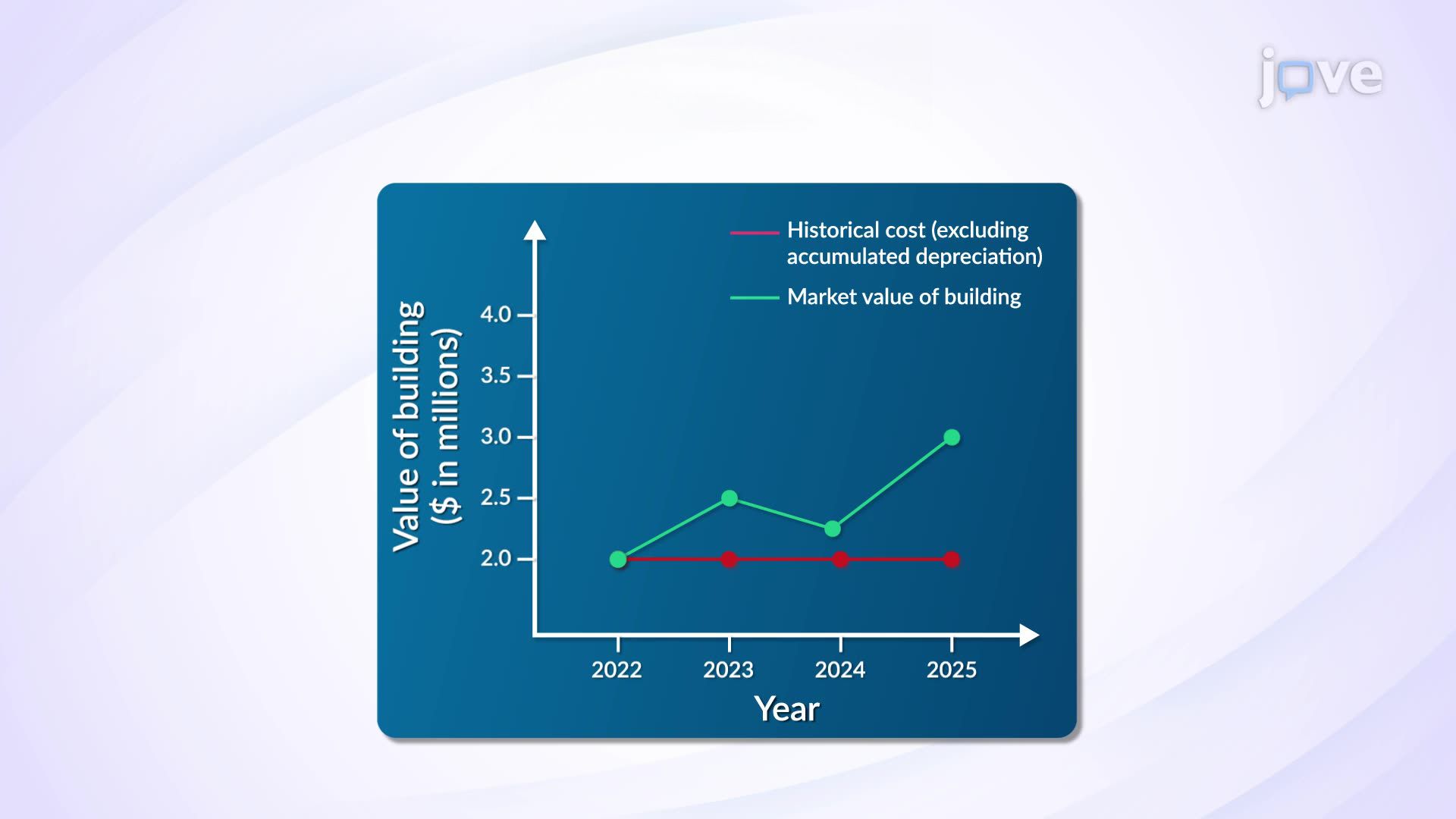
Picture this: your organization acquired a facility several years ago for $2 million. Today, that same property might be worth $4.5 million on the open market. Yet when you pull up the balance sheet, it still shows $2 million, and your finance team insists that's correct. If you've ever found yourself confused, frustrated, or quietly skeptical in that moment, you've already encountered the historical cost principle in action. For managers who didn't come up through finance, this gap between recorded value and perceived value is one of the most common sources of confusion in financial reporting.
The historical cost principle is one of the foundational concepts in GAAP (Generally Accepted Accounting Principles), the framework that governs how financial statements are prepared and reported across most major economies. The core rule is straightforward: assets are recorded at the price originally paid to acquire them, and that figure stays on the books regardless of how markets move.
The reasoning is practical. Market values fluctuate constantly, sometimes dramatically. If every organization revalued its assets every quarter based on current prices, financial statements would become inconsistent, difficult to audit, and nearly impossible to compare across periods. Historical cost creates a stable, verifiable anchor. It answers a simple question with a clear answer: *What did this actually cost us?*
The most frequent managerial mistake is assuming that low book values on a balance sheet mean an asset is underperforming or underutilized. A piece of manufacturing equipment recorded at $50,000 may have been acquired a decade ago and could cost $200,000 to replace today. Treating the book value as a proxy for current worth leads to flawed capital planning and weak business cases.
A useful mental model here is the cost vs. value distinction from basic financial accounting fundamentals. Cost is what you paid. Value is what something is worth now. The balance sheet, under the historical cost principle, tells you the former, not the latter. Once managers internalize this distinction, they stop misreading financial reports and start asking better questions: *What's the replacement cost? What's the depreciation schedule? Has this asset been revalued under any applicable accounting standards?*
When you're preparing for a capital expenditure discussion, a resource planning review, or a cross-functional budget conversation, the historical cost principle gives you a practical anchor. Use it to:
1. Verify the basis of asset figures, confirm with your finance partner whether values are historical cost, depreciated book value, or fair market value before drawing conclusions 2. Challenge assumptions carefully, if a report shows an asset at a low value, ask about acquisition date and depreciation before assuming it's a minor resource 3. Contextualize cost data, when presenting financial information to your team or senior stakeholders, make clear whether figures reflect what was paid versus what something is currently worth
This discipline, distinguishing cost from current value, is one of the clearest signals of financial literacy in a manager. It builds credibility with finance, sharpens your business cases, and prevents costly misinterpretations in planning cycles.
Related Micro-courses