Loading concepts…


23 Concepts
21 Concepts
16 Concepts
20 Concepts
17 Concepts
14 Concepts
11 Concepts
7 Concepts
9 Concepts
 14 Concepts
 3.5K Views
 Popular topics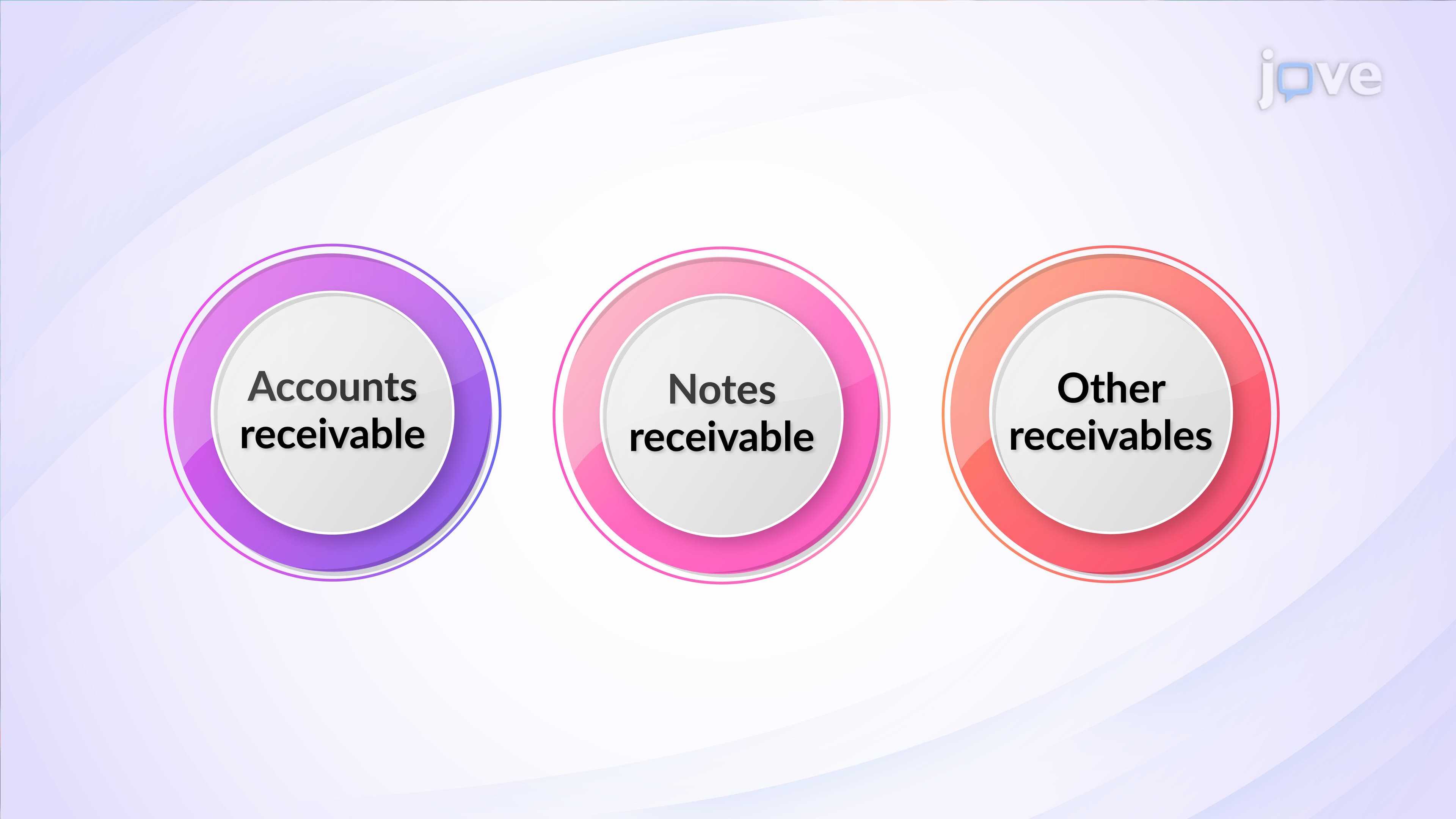








Accounts receivable and payable sit at the core of every operational decision a manager makes about cash, vendors, and growth. When these processes break down, teams lose leverage with suppliers, collections stall, and working capital erodes. This JoVE Coach micro-course equips managers with practical frameworks to control credit cycles, reduce financial risk, and make smarter decisions about when to collect, when to pay, and how to protect organizational liquidity.
1. Types of Receivables
Understanding what your organization is owed, and in what form, is a foundational management skill. Receivables fall into three categories: accounts receivable from credit sales, notes receivable backed by formal written agreements, and other receivables such as interest or rent owed. A manager overseeing a billing team needs to ensure each category is recorded correctly, because misclassification distorts the balance sheet and misleads decisions about cash availability. When a client owes payment on a standard invoice versus a signed repayment agreement, those obligations carry different risk profiles and collection timelines that demand different follow-up strategies.
2. Recognizing Accounts Receivable
Accounts receivable must be recorded the moment a product or service is delivered and invoiced, not when cash arrives. This accrual-based approach means a manager's reported revenue reflects what has been earned, regardless of payment timing. For a team lead overseeing a sales or billing function, this distinction matters because it prevents revenue from being understated or overstated. If a client receives a delivery on the first of the month but pays on the thirtieth, the receivable still belongs on the books from day one. Managers who grasp this concept make more accurate cash flow projections and avoid being caught off-guard by timing gaps between revenue recognition and actual collection.
3. Uncollectible Accounts and the Allowance Method
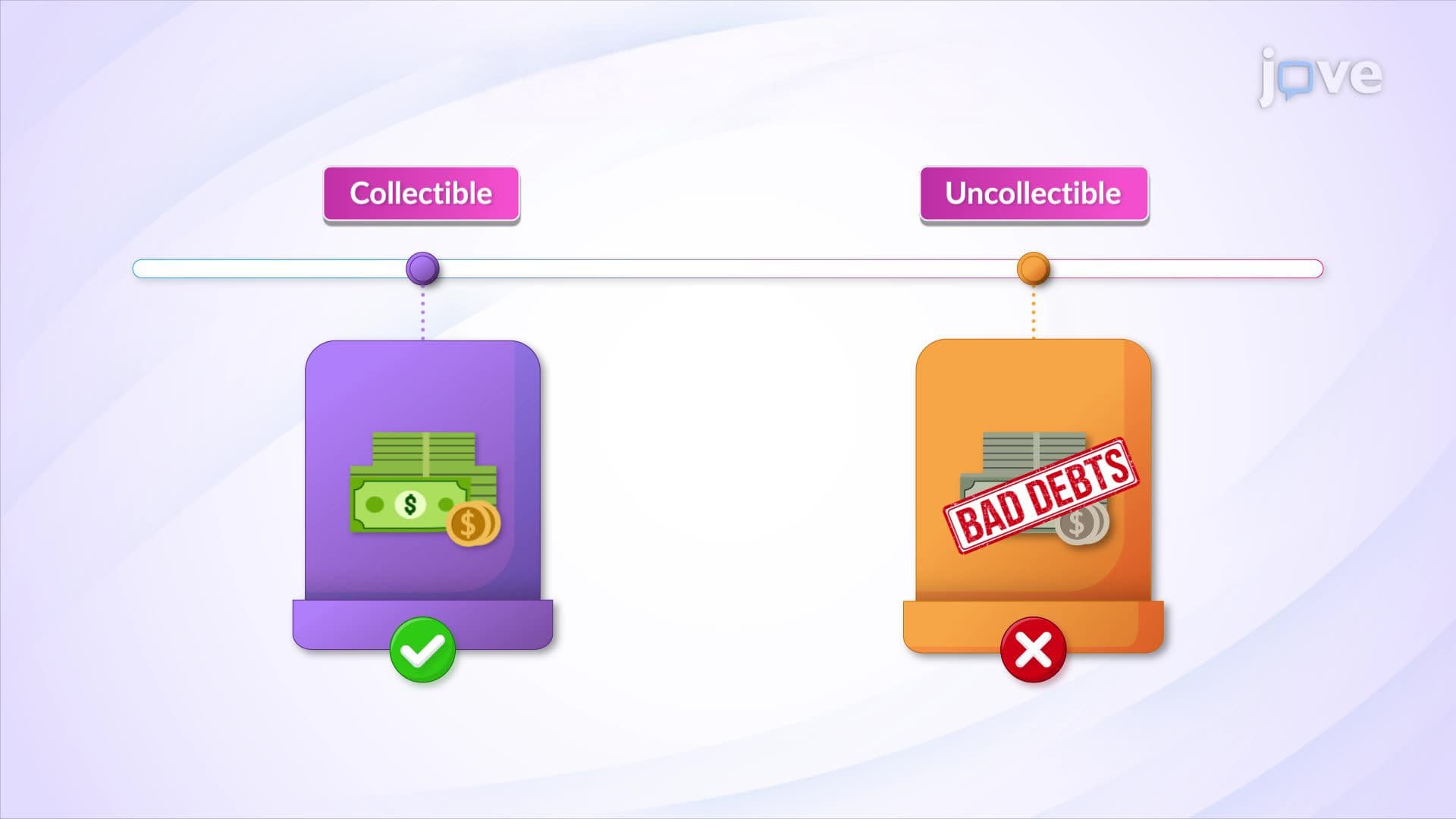
Not every invoice gets paid. Managers responsible for credit decisions or collections need to anticipate bad debt proactively, not reactively. The allowance method, guided by the current expected credit loss model, requires estimating uncollectible amounts upfront and setting aside a corresponding reserve. This keeps receivables reported at realistic values and prevents inflated asset balances from misleading leadership. For example, if a credit manager knows that a percentage of outstanding invoices historically go unpaid, building that assumption into financial planning allows the team to write off losses without creating sudden, unexpected hits to reported earnings. Proactive provisioning reflects sound financial stewardship.
4. Disposing of Accounts Receivable and Factoring
When a business needs immediate cash rather than waiting on customer payments, it has two primary options: write off the receivable as uncollectible or sell it to a factoring company at a discount. Factoring is a financing strategy where a third-party factor purchases outstanding invoices upfront, collects from customers directly, and retains a fee for the service. A manager weighing this option must assess whether the cost of that discount, the factor's fee, is justified by the liquidity gained. This trade-off becomes especially relevant when operational demands require immediate funding and waiting thirty to sixty days for payment is not a viable option.
5. Credit Card Sales and Receivables Management
Credit card transactions shift collection risk away from the business and toward the card issuer, which shortens the receivables cycle significantly. For a manager overseeing retail or service operations, this means faster cash conversion and less exposure to bad debt. Processing fees, typically a small percentage of each transaction, are recorded as operating expenses and must be factored into pricing and margin planning. When a team processes a high volume of credit card sales daily, understanding how those fees compound and how quickly settlements arrive allows the manager to plan supplier payments and operational expenditures with greater precision and confidence.
6. Notes Receivable: Recognition and Recording
A note receivable is a formal, interest-bearing written promise that a customer will pay a defined amount by a specific maturity date. Unlike a standard invoice, a note includes a principal amount, interest rate, maturity date, and the borrower's signature, making it legally enforceable and more recoverable. Managers should recognize that notes receivable generate interest income over their term, improving revenue beyond the original transaction value. However, if a customer defaults at maturity, the business faces both cash shortfall and potential legal costs. For a finance team lead, proper recording of notes receivable, including accrued interest, ensures complete and accurate asset reporting on the balance sheet.
7. Accounts Receivable Turnover Analysis
The accounts receivable turnover ratio reveals how many times a business collects its average outstanding receivables within a given period. It is calculated by dividing net credit sales by average accounts receivable. A higher ratio signals efficient collections; a lower ratio points to delayed payments and potential credit policy weaknesses. Managers who track this metric over time and compare it against industry benchmarks gain a clear picture of their team's collection effectiveness. If turnover is declining, it may be time to tighten credit terms, increase follow-up frequency, or reassess which customers qualify for extended payment windows, all decisions a manager can drive directly.
8. Accounts Payable, Working Capital, and Vendor Management
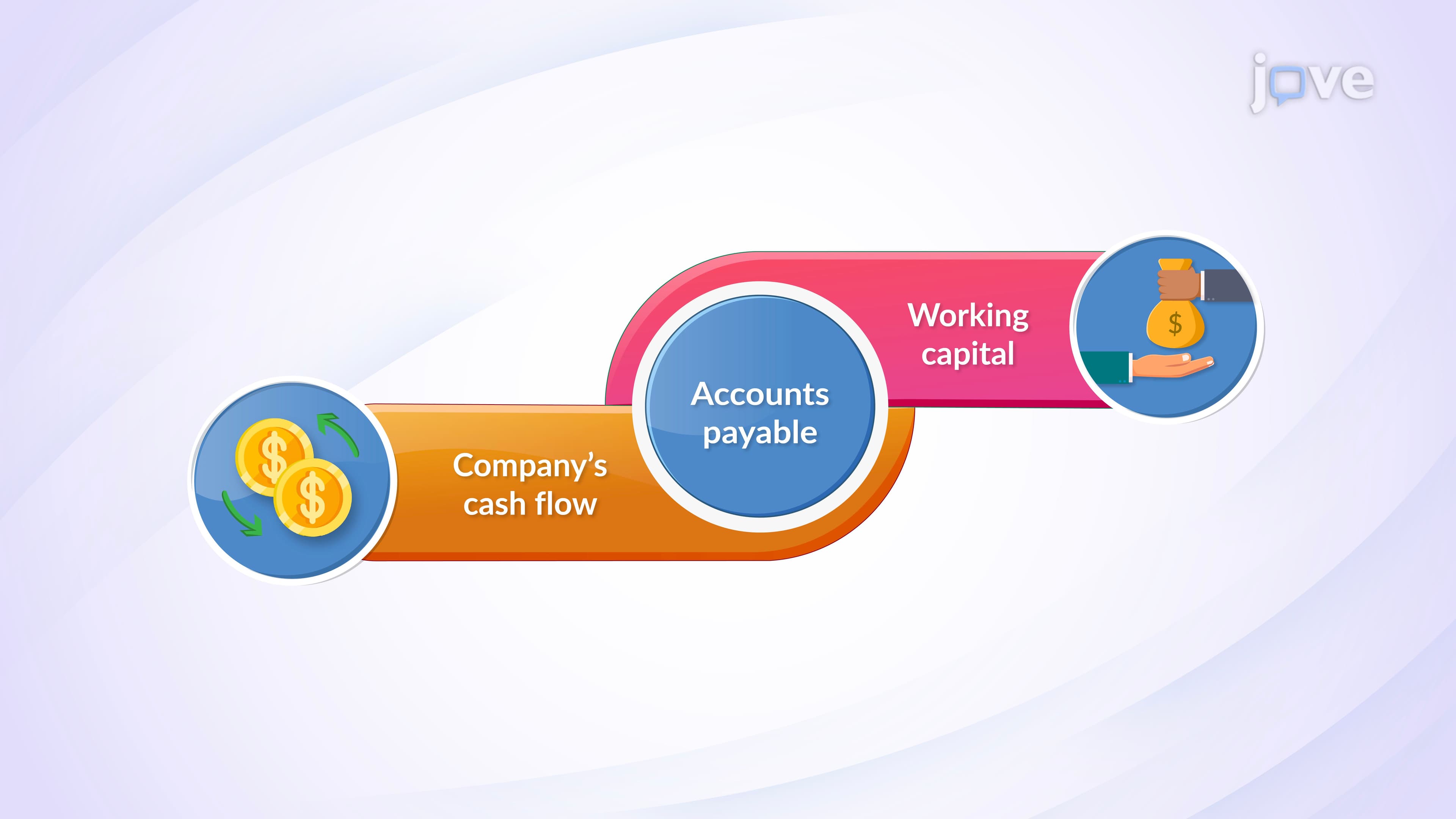
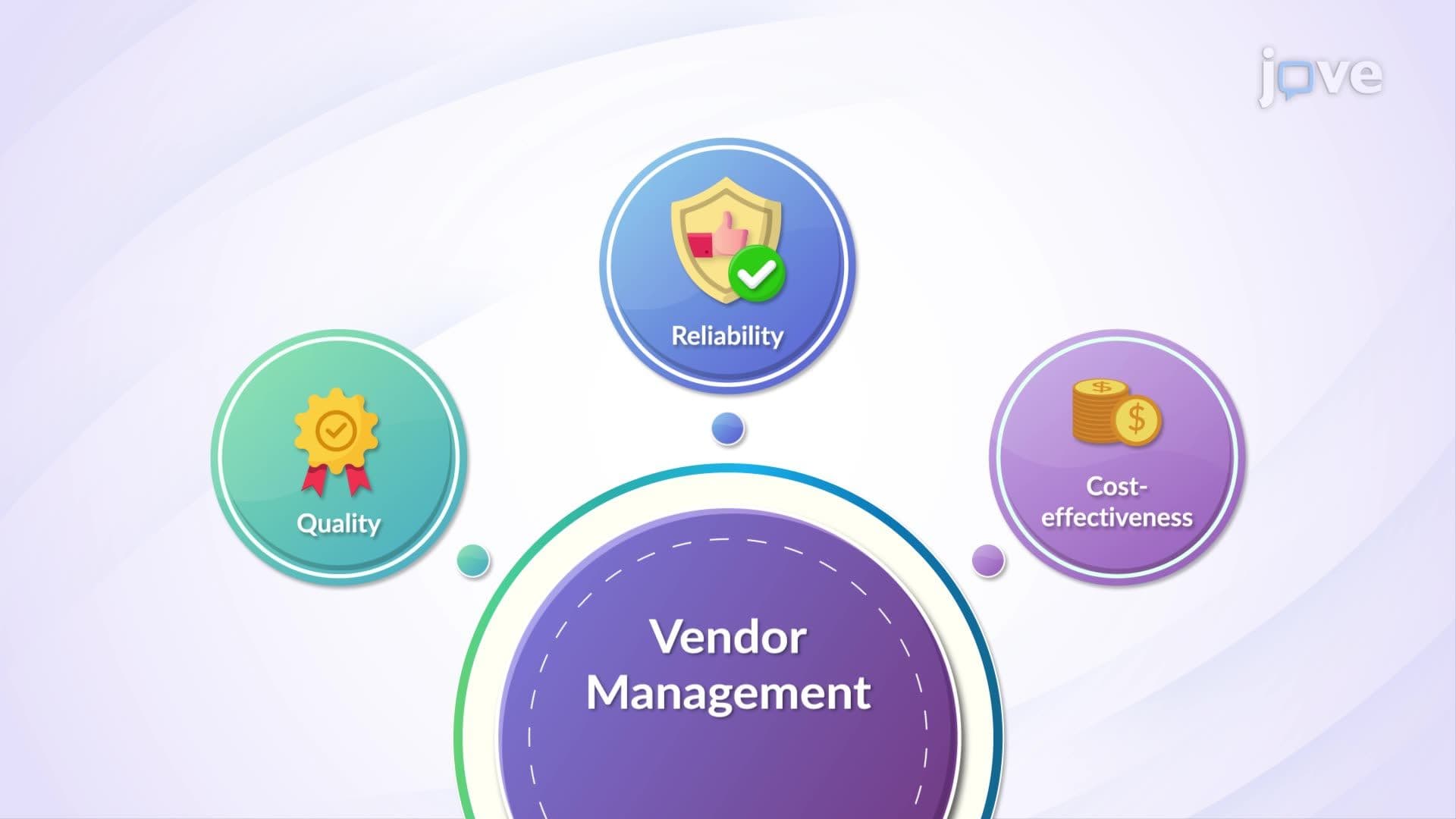
Accounts payable represents what a business owes suppliers for goods or services already received. Its relationship to working capital is direct: when payables increase, current liabilities rise and available working capital contracts. Managers must balance the strategic benefit of delaying payments, retaining cash for operational flexibility, against the reputational risk of missing agreed terms. Payment terms such as "two ten, net thirty" create a decision point: pay early for a discount or preserve cash by waiting for the due date. Effective vendor management means understanding these terms precisely, honoring commitments consistently, and using payment timing as a deliberate tool for liquidity management rather than an afterthought.
9. Accounts Payable Turnover and Notes Payable
The accounts payable turnover ratio measures how frequently a company settles its supplier obligations within a period, calculated by dividing cost of goods sold by average accounts payable. A high ratio indicates prompt payment; a lower ratio may reflect either a deliberate cash preservation strategy or financial strain, and stakeholders read both signals. Separately, notes payable are formal loan agreements with defined interest rates and repayment dates, classified as current liabilities when due within one year. For a manager with budget oversight, understanding both metrics ensures accurate liability management, appropriate short-term financing decisions, and credible financial reporting when presenting to senior leadership or finance partners.