Loading subject page…


3,481 views


Video Summary: Recognition of Notes Receivable
Recognition of notes receivable basics becomes critical when your finance team flags overdue customer commitments lacking formal structure. Without a clear process for recognition of notes receivable, cash flow visibility breaks down and working capital decisions become guesswork. This concept gives managers a structured way to record, track, and collect interest-bearing payment promises accurately. Watch the full video on JoVE Coach to master this concept with expert-led visuals and step-by-step explanations.
Picture this: a mid-level operations manager discovers that three large customer balances have been sitting unresolved for over sixty days. There are no signed agreements, no interest terms, and no maturity dates, just verbal commitments and email trails. The finance team can't properly report them, collections are stalled, and cash flow forecasting is unreliable. This is precisely the gap that a working knowledge of notes receivable recognition closes.
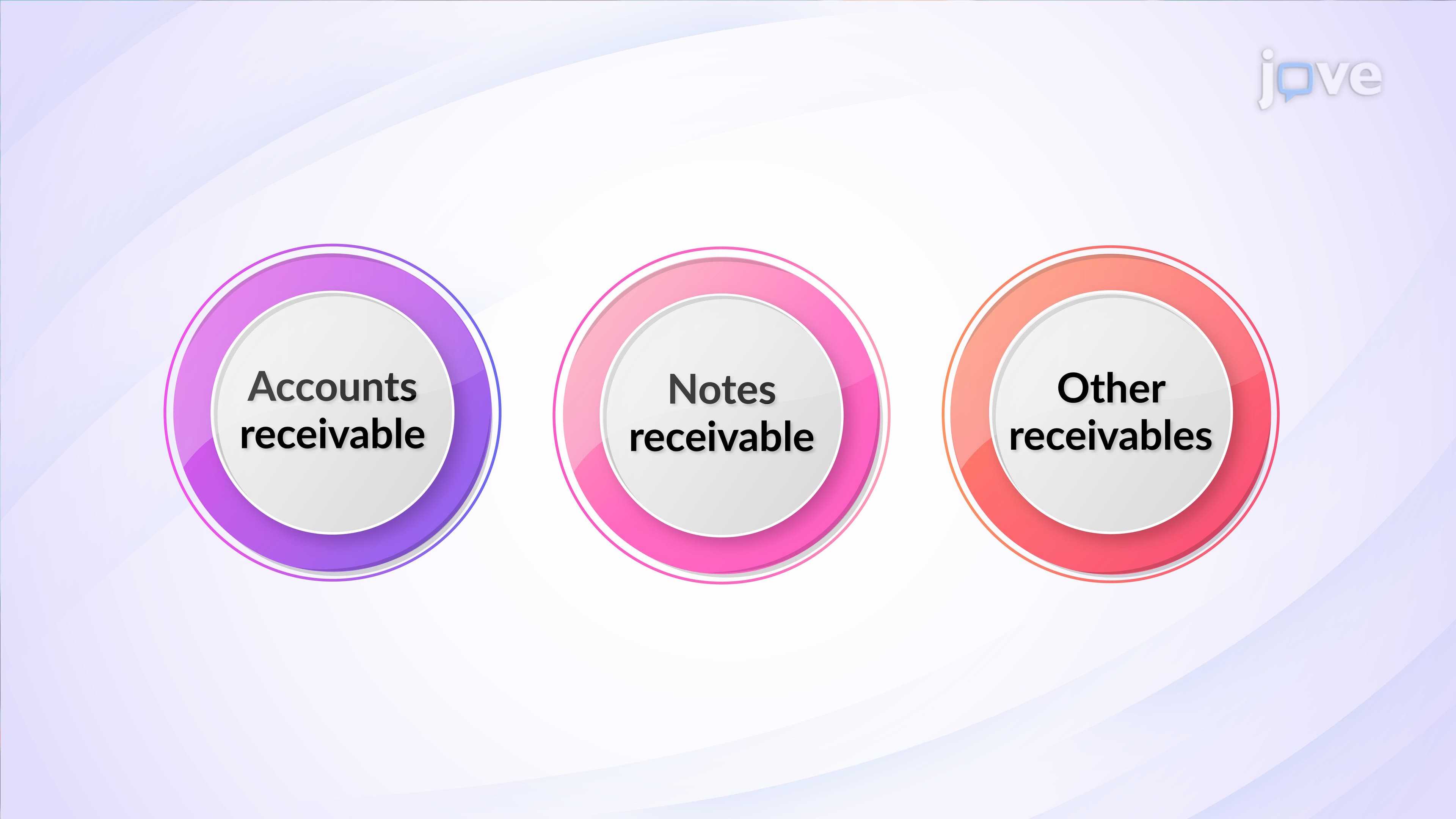
Most managers outside of finance treat all unpaid customer balances as a single category, money owed. The distinction between an open invoice and a formal note receivable feels like accounting detail rather than leadership responsibility. But that distinction directly affects your team's working capital management, your DSO metrics, and how reliably your organization can plan its cash position.
The real struggle isn't technical. It's knowing *when* to escalate an accounts receivable collection issue into a structured, interest-bearing agreement, and understanding what that structure must include to hold up operationally and legally.
Before a payment promise can be recognized as a note receivable, it must satisfy four non-negotiable elements:
1. Principal amount, the specific dollar value owed 2. Interest rate, the agreed rate (e.g., six percent annually) 3. Maturity date, the exact date by which full repayment is due 4. Authorized signature, formal acknowledgment from the obligor
Think of this as a receivables version of the SMART goals framework, each element adds specificity and accountability that vague commitments simply cannot provide. When your team reviews outstanding customer balances, apply this four-element test as a triage tool. Any balance that fails even one criterion is not yet a note receivable and should not be recorded as one.
Once all four are confirmed, the note is recorded as a financial asset: the Notes Receivable account is debited, and the corresponding revenue account is credited. Interest income is then recognized proportionally over the life of the note, not in a lump sum at maturity.
The most immediate application for a team lead or mid-level manager is in the accounts receivable collection process. When a customer cannot pay on standard terms, the default response is often to extend patience informally. A stronger approach is to convert that balance into a formal note receivable, with all four elements in place, which does three things simultaneously: it acknowledges the customer relationship, creates a legally structured asset, and starts the clock on interest income.
From a financial close perspective, your team should accrue interest receivable at each reporting period rather than waiting until the note matures. This prevents revenue recognition errors and keeps your balance sheet accurate in real time. The journal entry at maturity, debiting cash, crediting both the note and accrued interest receivable, should be a routine, well-documented step in your close checklist.
Factoring receivables is a related lever: some organizations sell notes receivable to a third party at a discount to accelerate cash conversion. Understanding the underlying recognition process helps managers evaluate whether factoring makes sense or whether holding the note to maturity is the stronger financial position.
Related Micro-courses