Loading video…


 14 Concepts
 3.5K views

Video Summary: What are Uncollectible Accounts
Uncollectible accounts create silent pressure on a manager's budget forecasts and cash flow assumptions, yet many leaders don't catch the warning signs until the damage is done. Understanding uncollectible accounts basics helps you interpret financial reports with confidence, ask sharper questions in planning meetings, and protect your team's operational budget from bad debt exposure. Watch the full video on JoVE Coach to master this concept with expert-led visuals and step-by-step explanations.
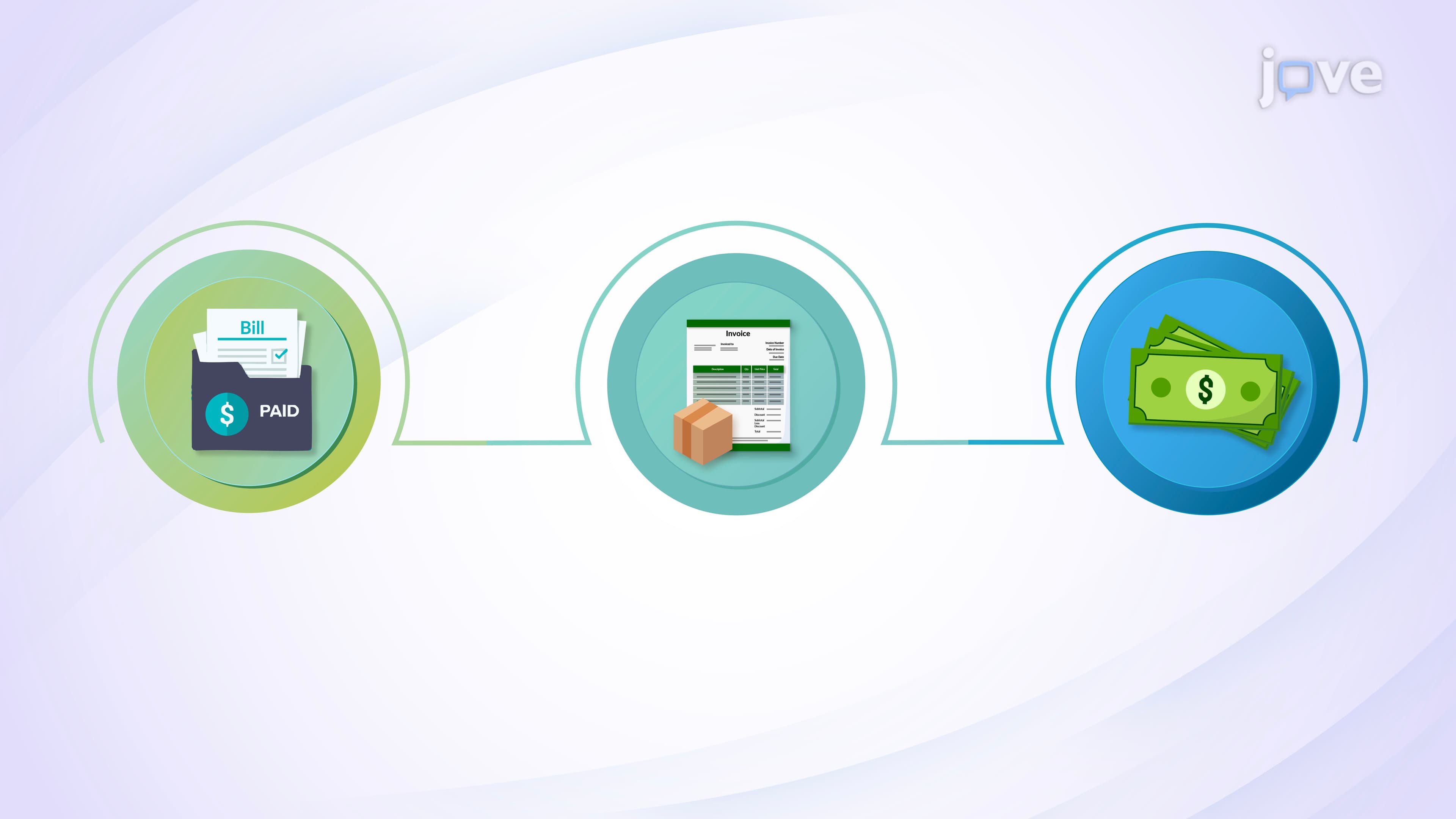
Picture this: your team closes a significant sale on credit terms, thirty days to pay, and the quarter ends looking strong on paper. But ninety days later, that payment still hasn't arrived. Reminders have gone unanswered. The finance team is now flagging the receivable as unrecoverable. For a manager, this moment reveals a gap that many overlook: the difference between recognizing revenue and actually collecting cash.
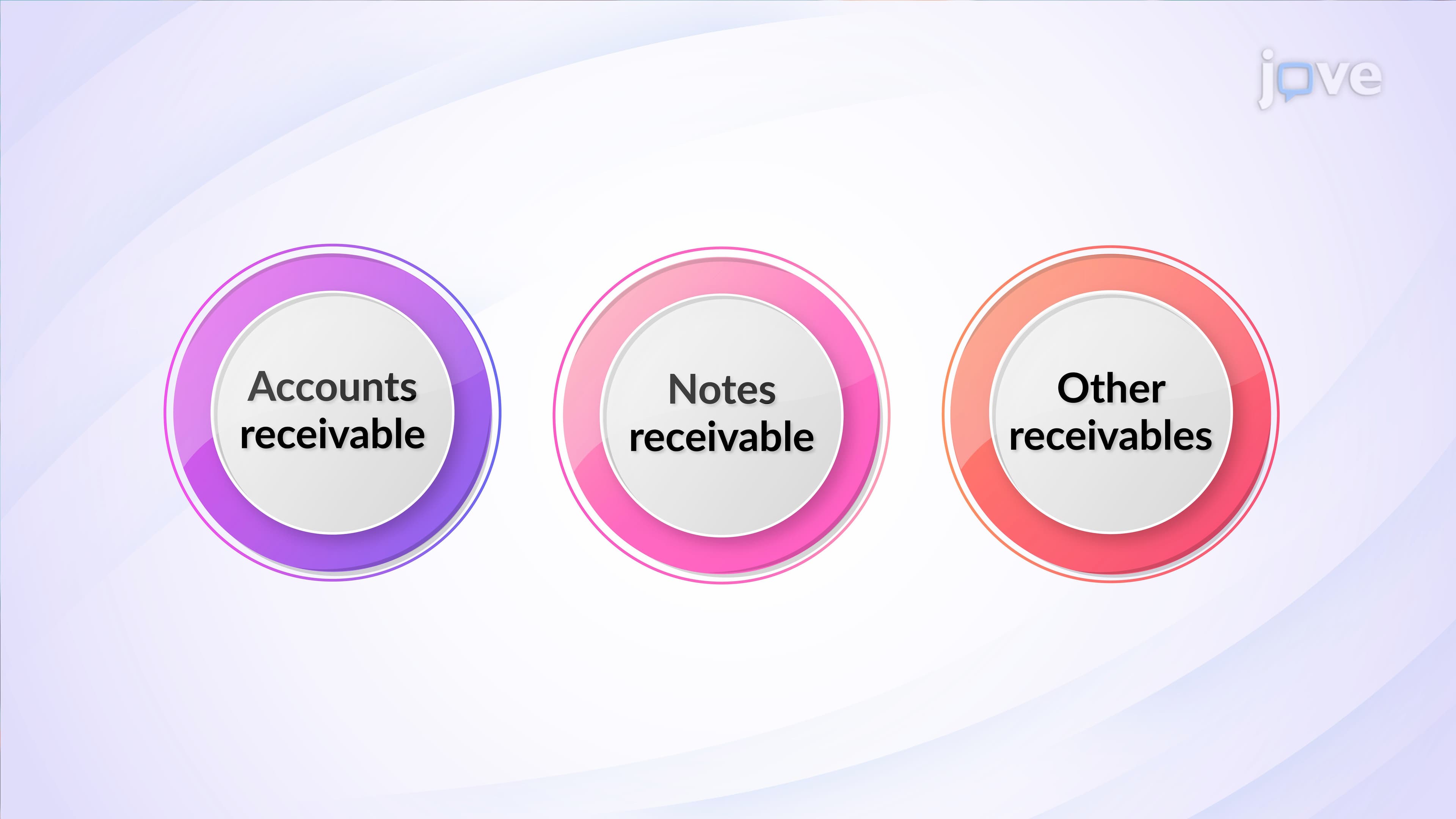
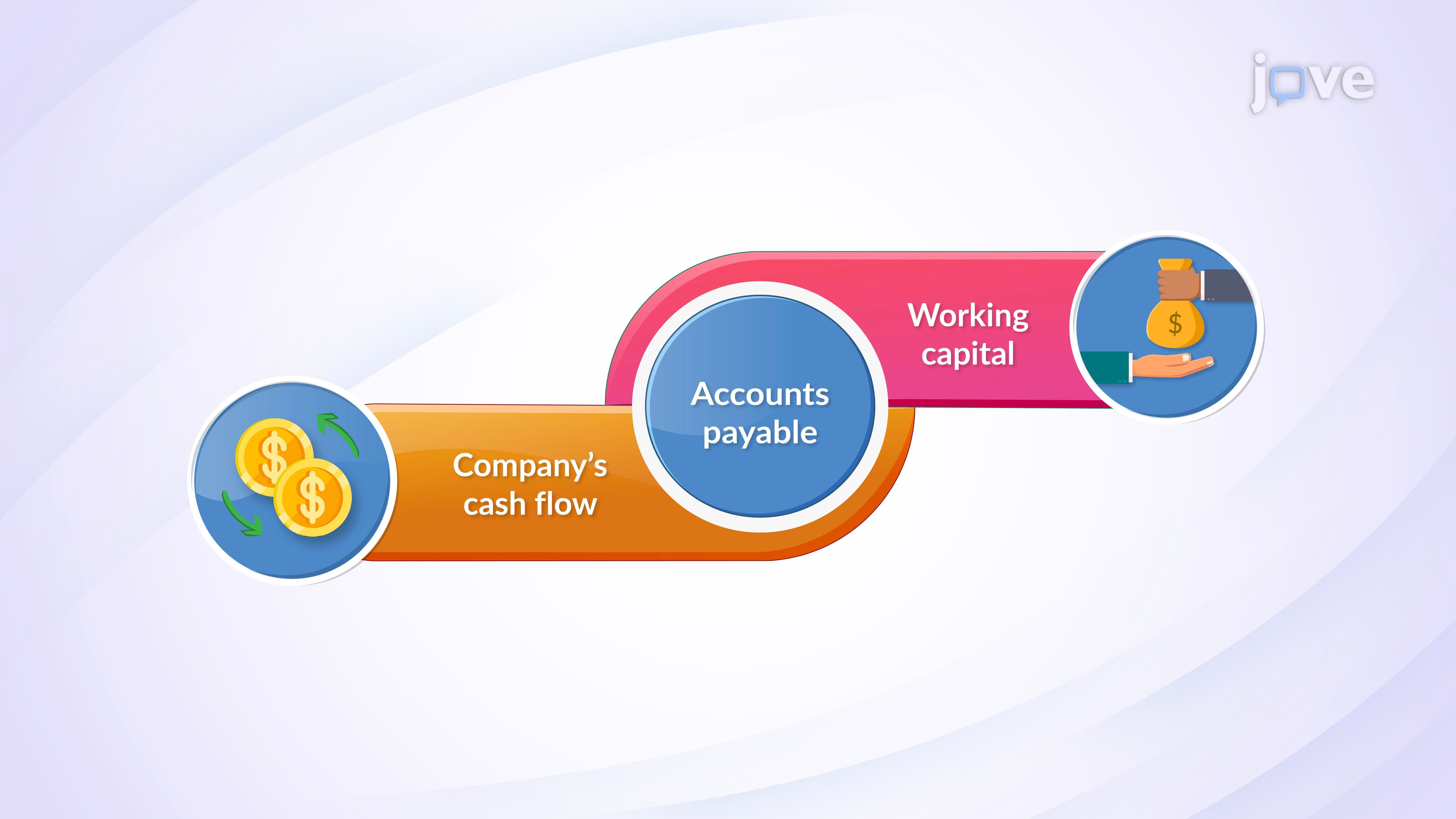
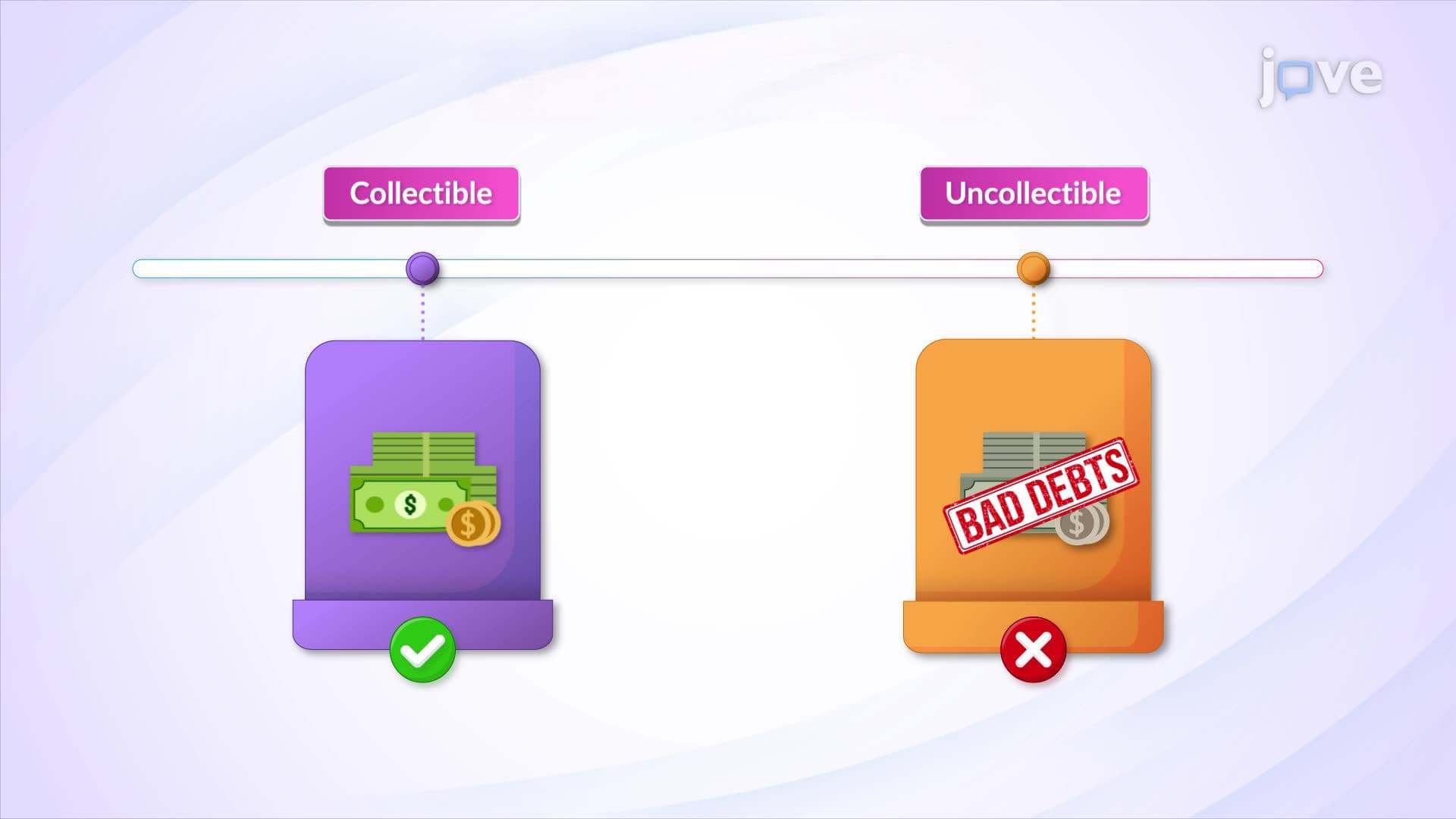
Most managers in non-finance roles treat accounts receivable as someone else's problem, until a write-off lands on their department's P&L. Uncollectible accounts, commonly referred to as bad debts, represent credit sales that a business extended in good faith but could not convert into actual payment. The operational risk here is real: when receivables go uncollected, working capital shrinks, headcount decisions get harder, and budget assumptions for the next quarter become unreliable.
The mistake most managers make is treating every booked sale as guaranteed income. Strong financial literacy means recognizing that revenue on credit carries inherent collection risk, and that risk must be accounted for proactively.
The Allowance Method is the globally accepted accounting approach for handling uncollectible accounts, guided by the Current Expected Credit Loss (CECL) model. Rather than waiting for a payment to fail, this framework requires businesses to estimate, in advance, what percentage of receivables are likely to go uncollected, and set aside a corresponding allowance.
For a manager, this translates directly into how you read financial statements. When you see an "allowance for doubtful accounts" line item, that's not a red flag, it's evidence of responsible financial planning. A business extending trade credit without such an allowance is, in effect, overstating its assets.
In practical terms, apply this thinking to your own team's operational context:
1. Identify exposure: Work with your finance business partner to understand what percentage of your team's credit-based revenue historically goes uncollected. 2. Monitor DSO actively: Days Sales Outstanding (DSO) is your early warning system. A rising DSO signals slowing collections before a write-off occurs. 3. Establish escalation triggers: Define clear timelines, 30, 60, 90 days overdue, as decision points for escalating accounts to a collections process or write-off review.
When you're in a quarterly review or annual planning cycle, use your understanding of uncollectible accounts to ask sharper questions: "What's our current DSO trend?" "Has the allowance estimate been updated to reflect current customer risk profiles?" "Are any large receivables at risk of write-off before year-end?"
These questions signal financial maturity to senior leadership. They also protect your team from over-committing resources against revenue that may never materialize. Factoring receivables, where a business sells its outstanding invoices to a third party at a discount to generate immediate cash, is another lever worth understanding, particularly in high-volume, credit-heavy business environments.
The broader principle here is disciplined working capital management: understanding not just what your team has sold, but what has actually been converted into cash. That distinction separates reactive managers from leaders who can plan with genuine confidence.
Related Micro-courses