Loading video…


 14 Concepts
 3.5K views


Video Summary: Disposal of Accounts Receivable
Disposal of accounts receivable basics becomes critical knowledge the moment a manager faces a cash flow shortfall or an unrecoverable client invoice that's quietly distorting team budgets. Understanding disposal of accounts receivable helps you make faster, smarter decisions, whether that means selling outstanding invoices to unlock immediate working capital or writing off bad debt before it skews your financial picture. Watch the full video on JoVE Coach to master this concept with expert-led visuals and step-by-step explanations.
Picture this: your team has delivered a significant project, invoiced the client three months ago, and the payment still hasn't arrived. Meanwhile, your budget is stretched, a new initiative needs funding, and finance is asking why your receivables balance looks inflated. This is the moment disposal of accounts receivable stops being an accounting abstraction and becomes a practical leadership decision.
Most managers wait too long. They hold onto the hope that a slow-paying client will eventually settle, treating the receivable as a reliable asset when it has effectively become a liability on the books. The problem compounds when days sales outstanding (DSO), a key metric tracking the average time it takes to collect payment, climbs silently without triggering a management review.
A useful discipline here is the Accounts Receivable Aging Report, a straightforward framework that buckets outstanding invoices by how long they've been unpaid: 0-30 days, 31-60 days, 61-90 days, and 90+ days. Managers who review this report monthly can intervene before a receivable reaches the point where disposal becomes the only option. Setting a clear escalation threshold, for example, any invoice past 60 days triggers a collections review, gives your team a structured, repeatable process rather than a reactive scramble.
When disposal becomes necessary, there are two distinct routes, each with different financial consequences.
Factoring receivables means selling the outstanding invoice to a third-party financial company at a discount. You receive immediate cash, typically a percentage of the invoice value, while the factoring company assumes the collection risk and keeps the remainder as its fee. This approach is particularly valuable when working capital is tight and the cost of waiting outweighs the cost of the discount. Think of it as a deliberate trade: liquidity now versus full value later.
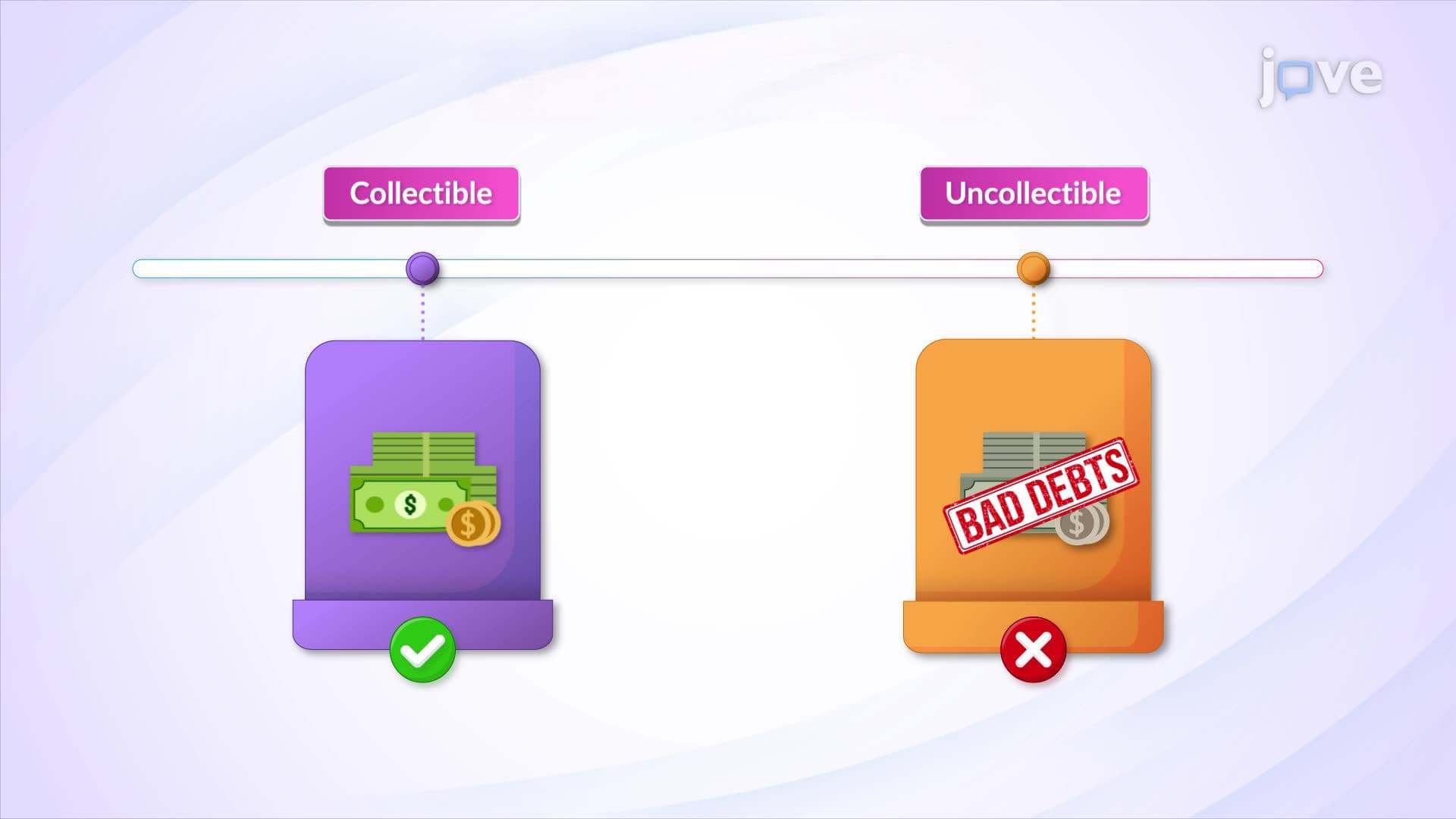
Writing off bad debt is the appropriate path when a client is genuinely unable to pay, due to insolvency, bankruptcy, or prolonged non-response. A write-off removes the receivable from your books and records it as a financial loss. This isn't a failure of management; it's responsible financial hygiene. Carrying an uncollectable receivable on your books artificially inflates your assets and distorts your team's financial performance metrics.
A practical framework for deciding between the two is the Recovery Probability Assessment: estimate the realistic likelihood of collection given the client's current circumstances, then weigh that against the cost of continued pursuit. If recovery probability falls below roughly 20-30%, a write-off is typically the more defensible decision. If recovery is plausible but timing is the issue, factoring may serve you better.
Strong managers embed receivables health into their regular operating rhythm rather than treating it as a finance-only concern. In practical terms, this means:
The broader principle is that disposal of accounts receivable is a working capital management decision first and an accounting action second. Managers who understand that distinction make better, faster calls, and keep their teams financially grounded.
Related Micro-courses