Loading concepts…


23 Concepts
21 Concepts
16 Concepts
20 Concepts
17 Concepts
14 Concepts
11 Concepts
7 Concepts
9 Concepts
 11 Concepts
 3.7K Views
 Popular topics
Inventory management is a critical operational discipline that directly shapes a manager's ability to control costs, maintain production flow, and meet customer commitments. When stock levels are mismanaged, teams face delays, budget overruns, and strained supplier relationships. This JoVE Coach micro-course equips working managers with practical frameworks, from valuation methods and ordering models to shrinkage controls, to make smarter, faster inventory decisions.
1. Introduction to Inventory Management
Inventory management is the operational process of ordering, storing, and tracking materials and goods across every stage of production or resale. For managers, it is not simply a logistics function, it is a direct lever on cash flow, cost efficiency, and customer satisfaction. When stock levels are poorly managed, teams either tie up capital in excess inventory or face production gaps and delayed deliveries. A manager overseeing a manufacturing or distribution operation needs to understand how forecasting, tracking, and replenishment decisions connect to the broader financial health of the business. Getting this right reduces waste and builds organizational reliability.
2. Types of Inventory
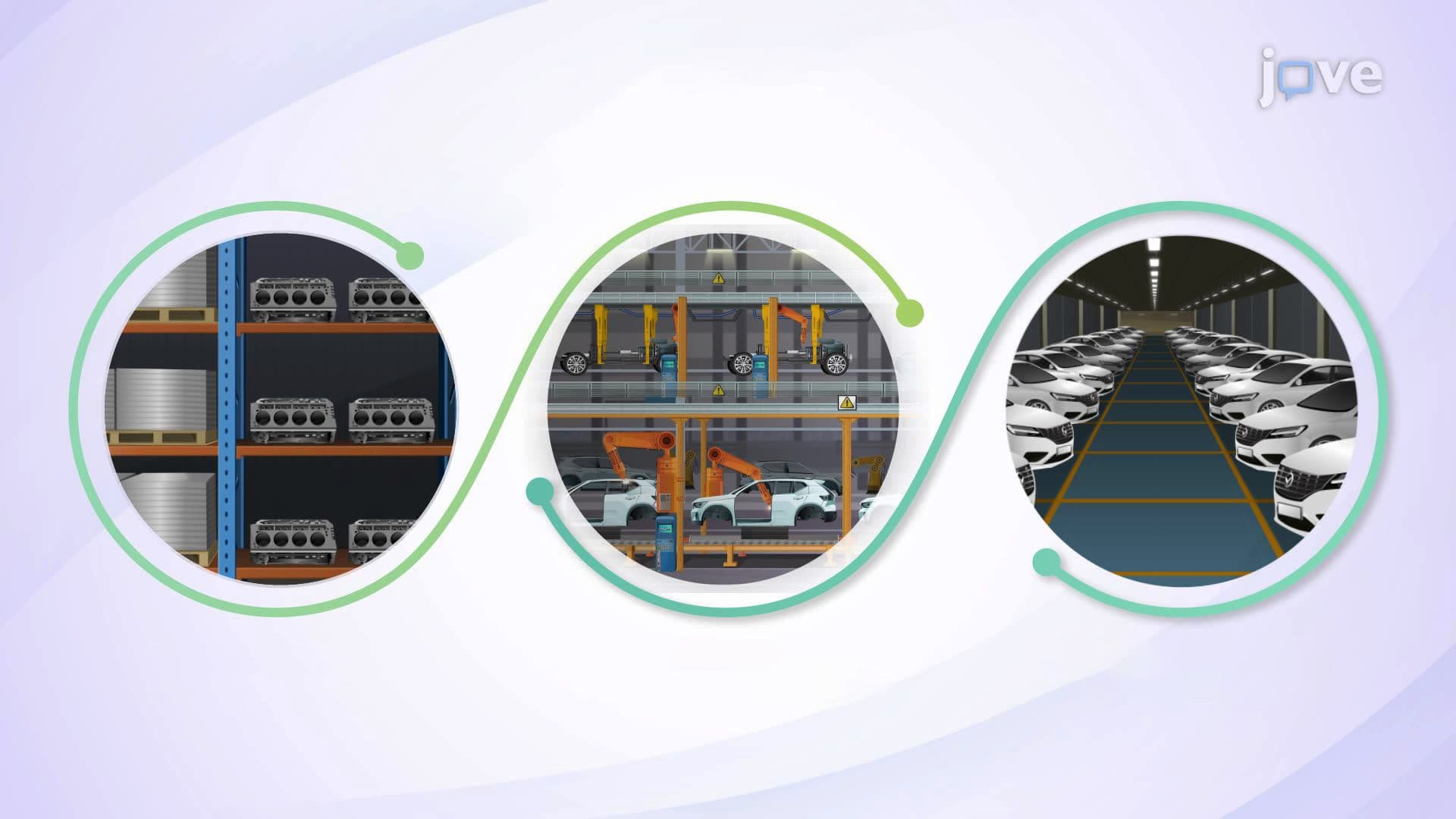
Businesses typically hold three categories of inventory: raw materials awaiting use, work-in-progress items moving through production, and finished goods ready for delivery. Each stage carries distinct costs and risks. For a manager overseeing a production team, misclassifying inventory or losing visibility into one category can create cascading delays. A partially assembled product line stuck in work-in-progress status, for example, signals a bottleneck that needs immediate attention. Understanding where inventory sits in the production cycle allows managers to monitor progress accurately, allocate resources effectively, and maintain financial statements that reflect actual operational status with precision.
3. FIFO and LIFO Inventory Valuation
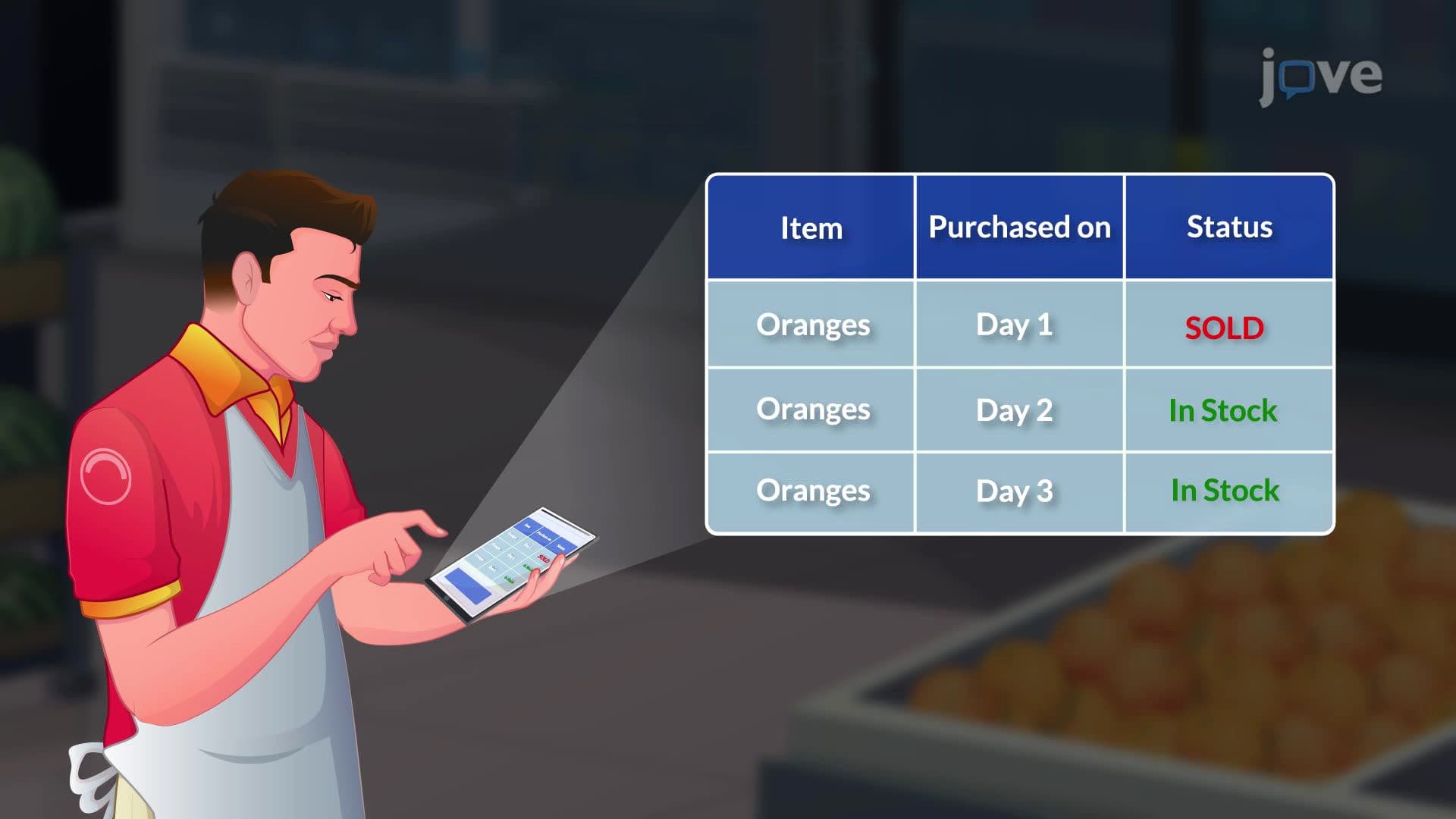
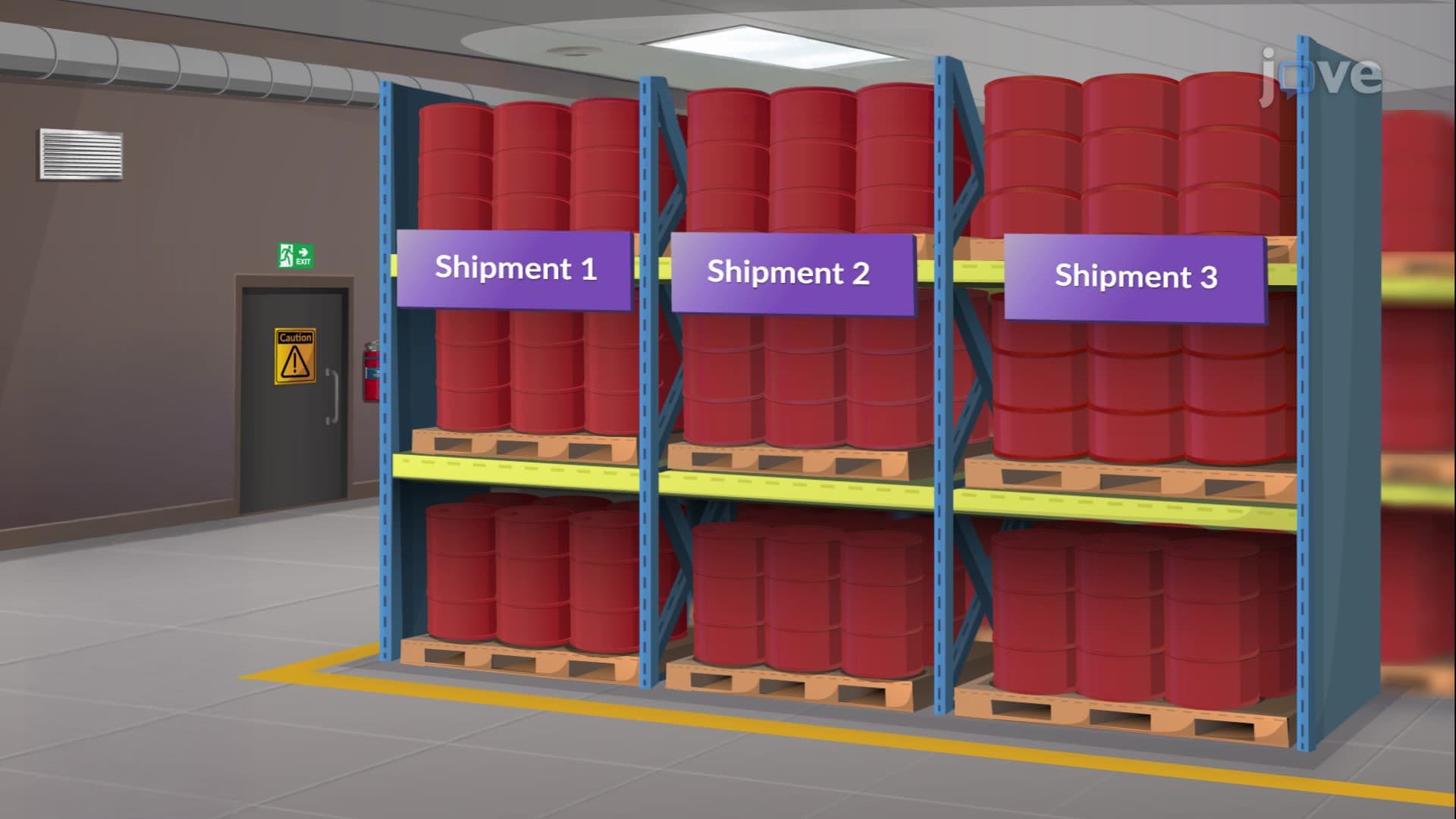
FIFO, First-In, First-Out, assumes that the oldest inventory is sold first, resulting in lower cost of goods sold and higher reported profit during inflationary periods. LIFO, Last-In, First-Out, assumes the newest inventory is sold first, increasing cost of goods sold and reducing taxable income when prices are rising. Both are accounting conventions that significantly affect how a business reports its financial performance. Managers involved in procurement, budgeting, or financial reporting need to understand which method their organization uses and how a shift in market prices will ripple through profitability figures, making performance comparisons across periods more or less meaningful.
4. Weighted Average Costing
Weighted Average Costing calculates a single average cost per unit across all inventory batches, smoothing out the effect of price fluctuations across different purchase cycles. This method is particularly useful when inventory units are indistinguishable from one another and prices vary across orders. For a manager overseeing procurement of standardized components, WAC simplifies valuation and reduces the administrative complexity of tracking individual batch costs. It provides a stable, defensible cost basis for reporting purposes. Understanding how the average is calculated, total cost of available inventory divided by total available units, helps managers interpret cost-of-goods-sold figures and evaluate supplier pricing strategies more accurately.
5. Perpetual Inventory System
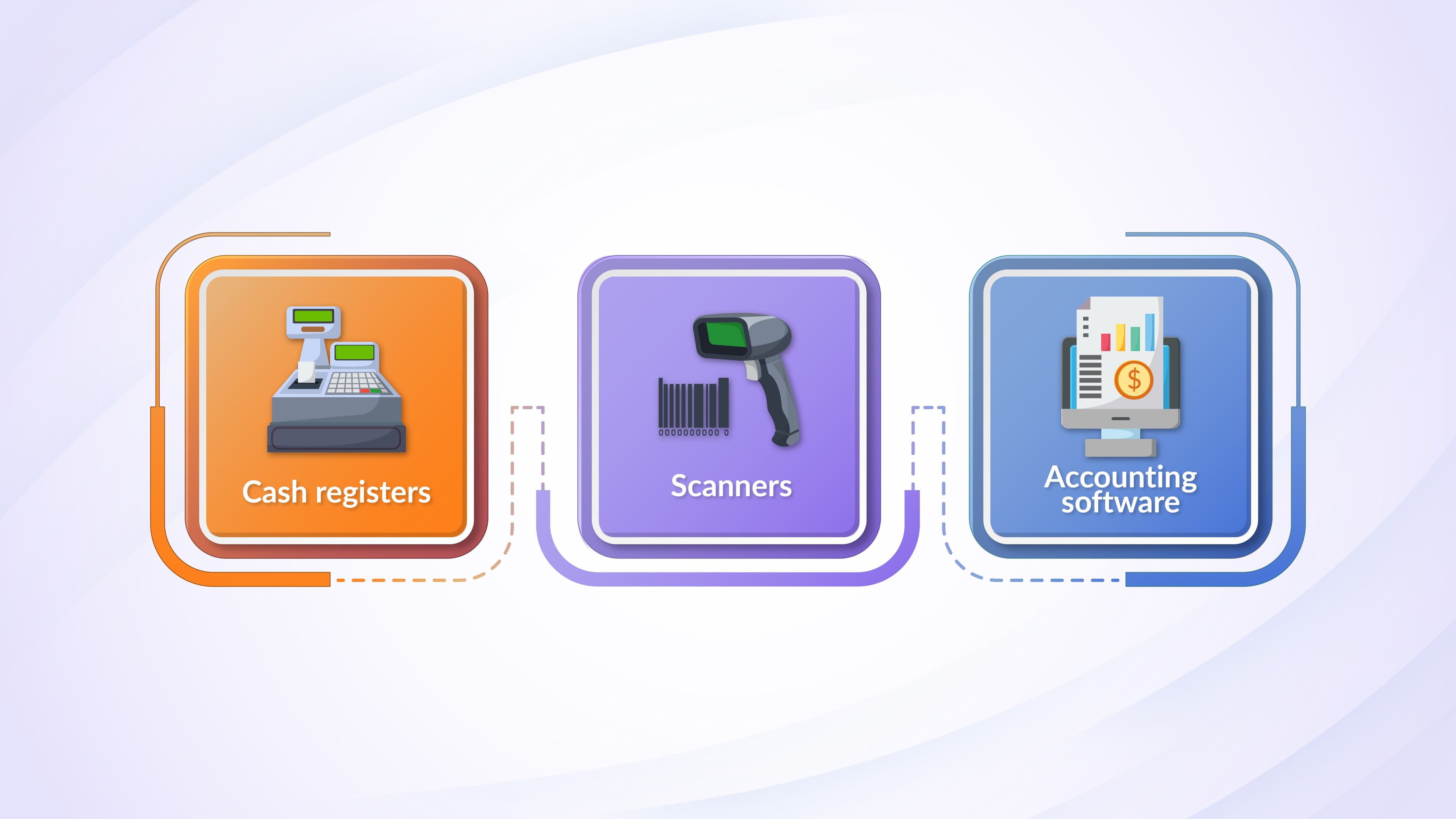
A perpetual inventory system updates stock records automatically and in real time with every transaction, whether a purchase, a sale, or a transfer. Unlike periodic counting, this system gives managers continuous visibility into current stock levels, enabling faster and more informed restocking decisions. For a team lead managing a high-turnover retail or distribution environment, real-time data reduces the risk of stockouts and excess ordering. However, managers should recognize that even automated systems require periodic physical counts to catch discrepancies caused by theft, damage, or data entry errors. The perpetual system is a tool for control, not a substitute for on-the-ground oversight.
6. Economic Order Quantity (EOQ)
The Economic Order Quantity model identifies the optimal reorder volume that minimizes the combined cost of placing orders and holding inventory. Ordering too frequently increases administrative and per-order costs; ordering in large volumes inflates storage and insurance expenses. EOQ provides a mathematically grounded middle ground. For an operations manager dealing with rising inventory costs and inconsistent order cycles, applying EOQ introduces discipline and predictability into procurement. The formula works best when annual demand, ordering costs, and holding costs are relatively stable. Managers who understand EOQ can challenge inefficient purchasing habits and build a more cost-effective replenishment strategy across their team.
7. Just-in-Time (JIT) Inventory
Just-in-Time inventory is a lean management approach in which materials are ordered and received precisely when needed for production, minimizing the amount of stock held at any given time. The result is lower holding costs, reduced storage requirements, and improved cash flow. However, JIT introduces significant supply chain risk. A single supplier delay can halt an entire production line. For managers considering or already operating under JIT principles, the key is assessing supply chain reliability, building strong vendor relationships, and maintaining accurate demand forecasts. JIT works well in stable, predictable environments but requires rigorous coordination and contingency planning to avoid costly disruptions.
8. ABC Analysis
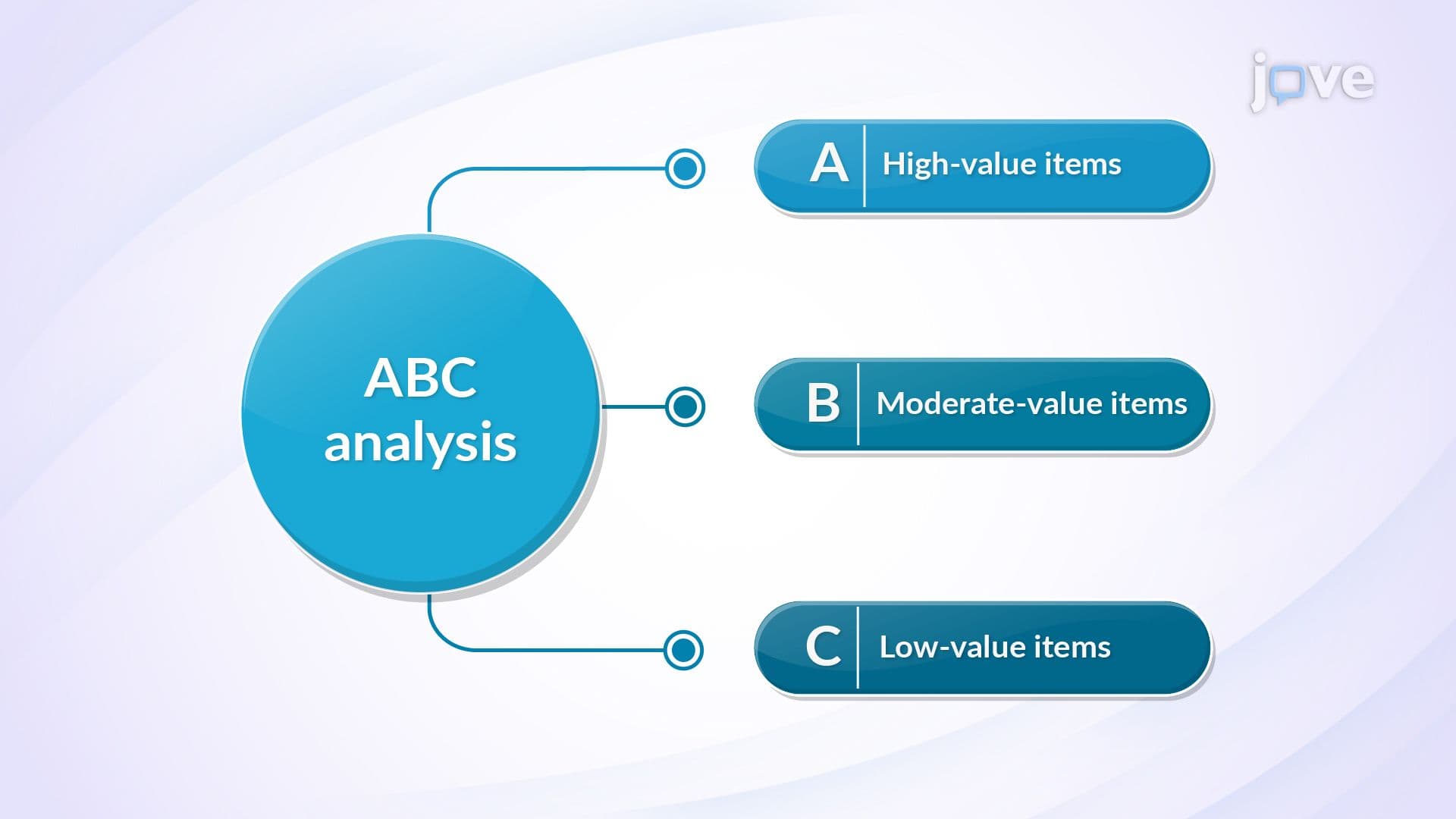
ABC analysis classifies inventory into three tiers based on value and management priority. Category A items are few in number but account for the largest share of total inventory value, requiring close monitoring. Category B items are moderate in both volume and value. Category C items are numerous but contribute minimally to overall value and can be managed with lighter oversight. For managers responsible for a wide product range or large parts catalog, ABC analysis prevents teams from spreading attention too thinly. By concentrating control efforts on high-value items, managers reduce waste, prevent costly stockouts on critical goods, and improve overall inventory efficiency without increasing workload.
9. Overstated and Understated Inventory
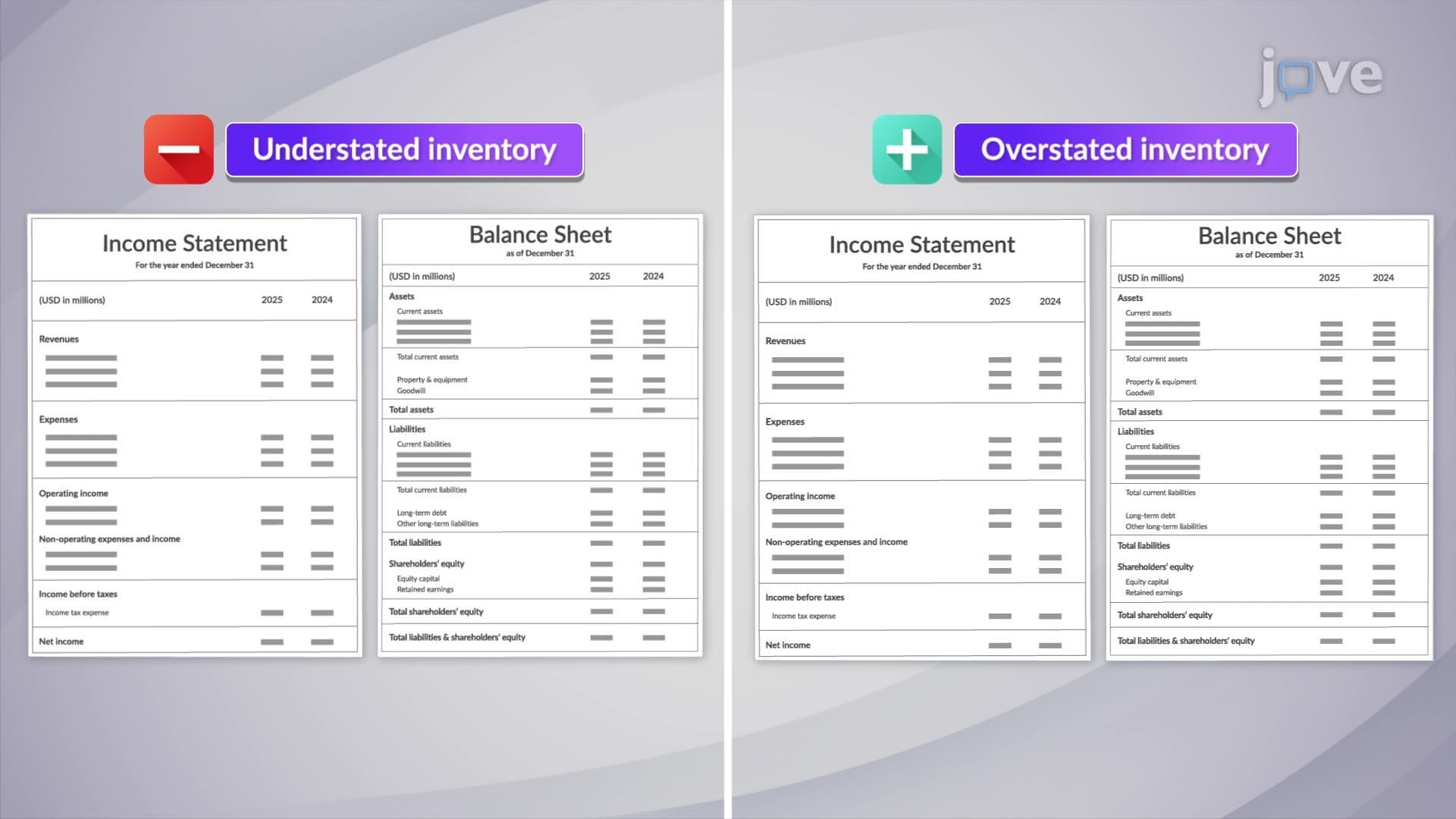
Inventory errors, whether overstated or understated, distort financial statements and lead to poor business decisions. Understated inventory inflates cost of goods sold and reduces reported profits, while overstated inventory does the opposite, creating a misleading picture of financial health. These discrepancies typically surface during physical inventory counts. For managers accountable for financial accuracy, understanding how ending inventory figures flow through to gross profit calculations is essential. A discrepancy of even a modest amount can trigger audit concerns or misalign budget planning. Recognizing the sources of these errors, data entry mistakes, theft, or miscounting, is the first step toward building a more reliable reporting process.
10. Shrinkage, Obsolescence, and Holding Costs
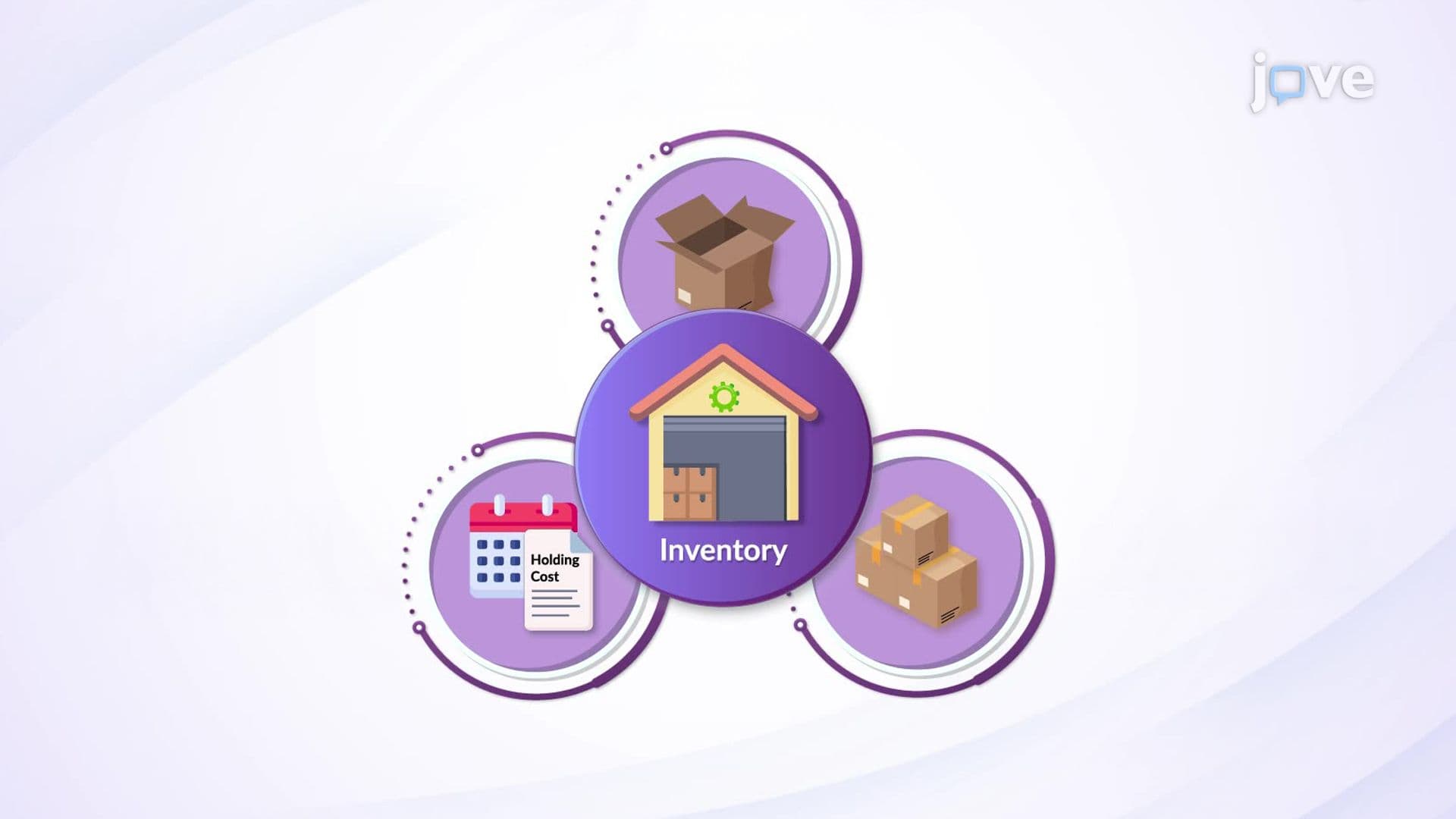
Three hidden costs consistently erode inventory profitability: shrinkage from theft or damage, obsolescence when products become unsellable before moving, and holding costs that accumulate through storage, insurance, and tied-up capital. Individually, each cost may appear manageable. Cumulatively, they can significantly compress margins. For a manager overseeing a product-heavy operation, identifying which of these costs is rising, and why, points directly to where operational controls need strengthening. Addressing shrinkage requires tighter access and tracking protocols. Managing obsolescence demands better demand forecasting. Reducing holding costs calls for smarter replenishment cycles. Together, these actions protect profitability and improve overall inventory discipline.