Loading video…

 9 Concepts
 2.7K views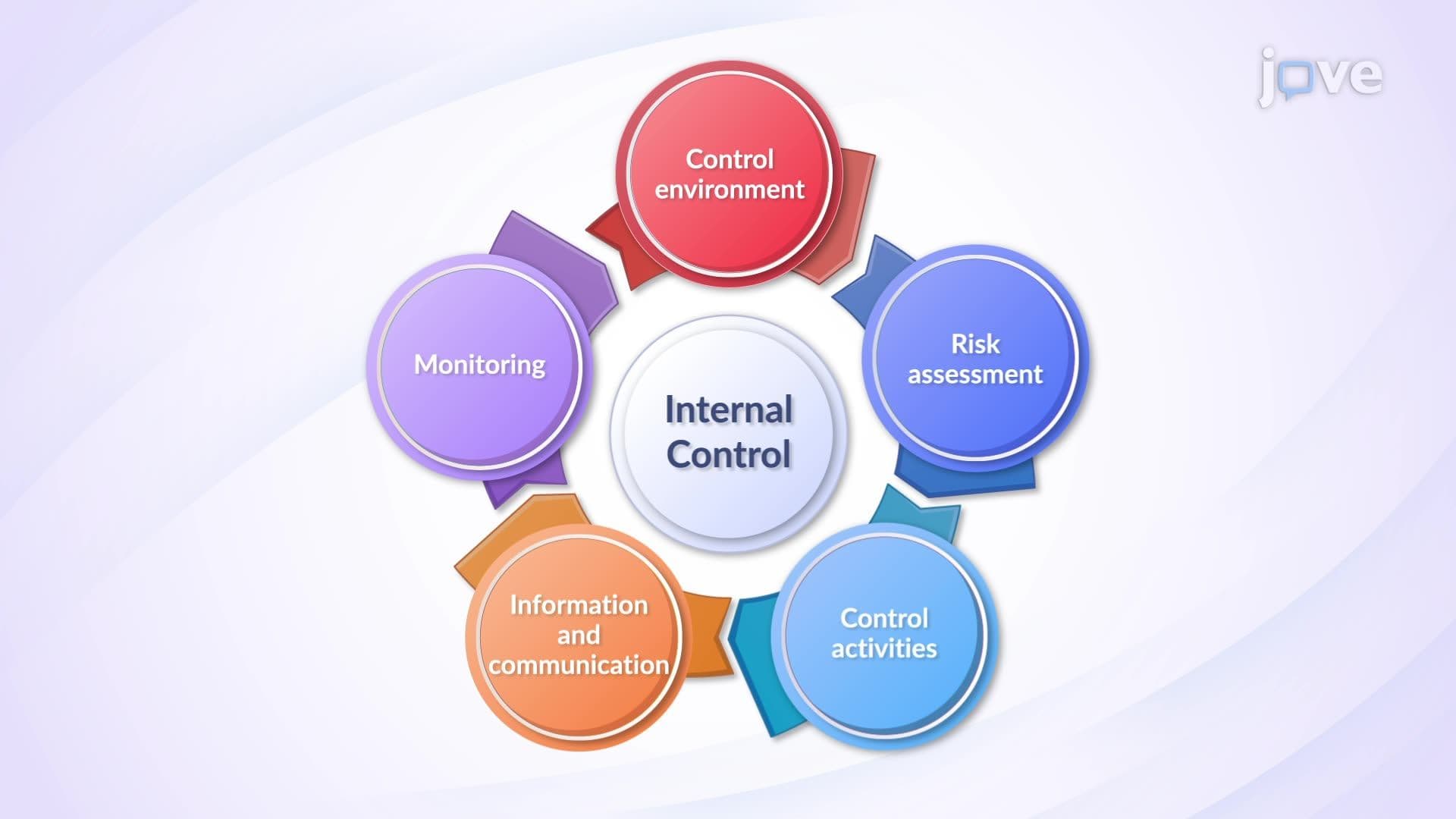

Video Summary: Internal Control Explained
Internal control is what separates organizations that catch problems early from those that discover them too late. Understanding what is internal control helps managers build teams where accountability, transparency, and risk awareness are built into daily operations, not treated as afterthoughts. When financial errors, compliance gaps, or process failures surface on your watch, a solid internal control system is your first line of defense. Watch the full video on JoVE Coach to master this concept with expert-led visuals and step-by-step explanations.
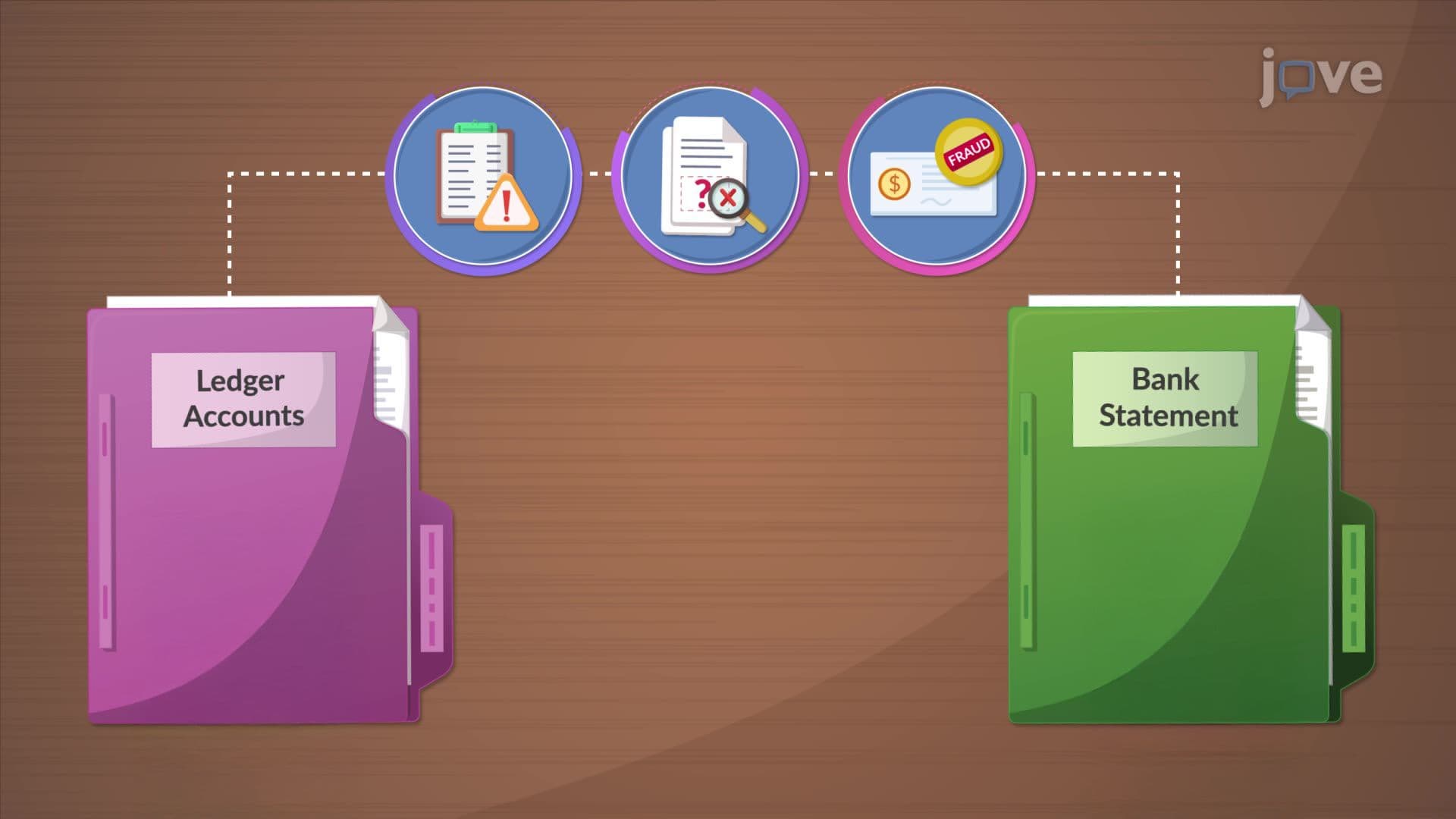
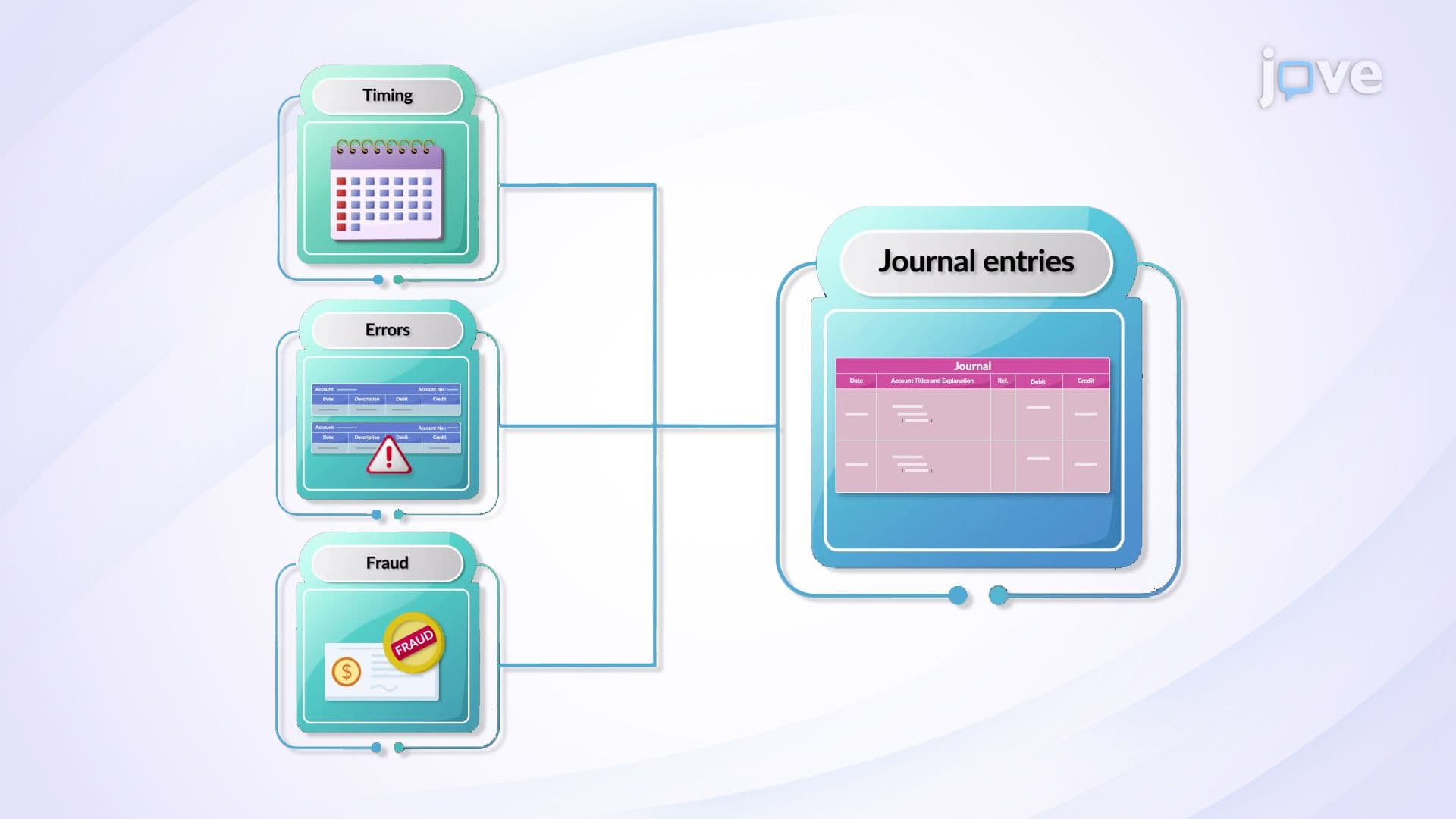
Picture this: a mid-level operations manager discovers that a vendor has been overpaid for three consecutive quarters. No single person was dishonest, but no single process caught it either. One employee was approving invoices, recording transactions, *and* reconciling accounts. There were no review checkpoints. No one had flagged it because no one was formally responsible for doing so. This is what an absence of internal control looks like in practice, and it plays out across organizations every day, at every level.
Most managers think of internal control as something Finance or Compliance owns. It isn't. The moment you oversee a team handling budgets, vendor relationships, inventory, data, or any operational process with financial consequences, internal control becomes your responsibility too. The risk isn't always fraud. More often it's ambiguity, unclear ownership, inconsistent processes, and poor information flow. By the time these weaknesses surface in an audit or a performance review, the damage is already done.
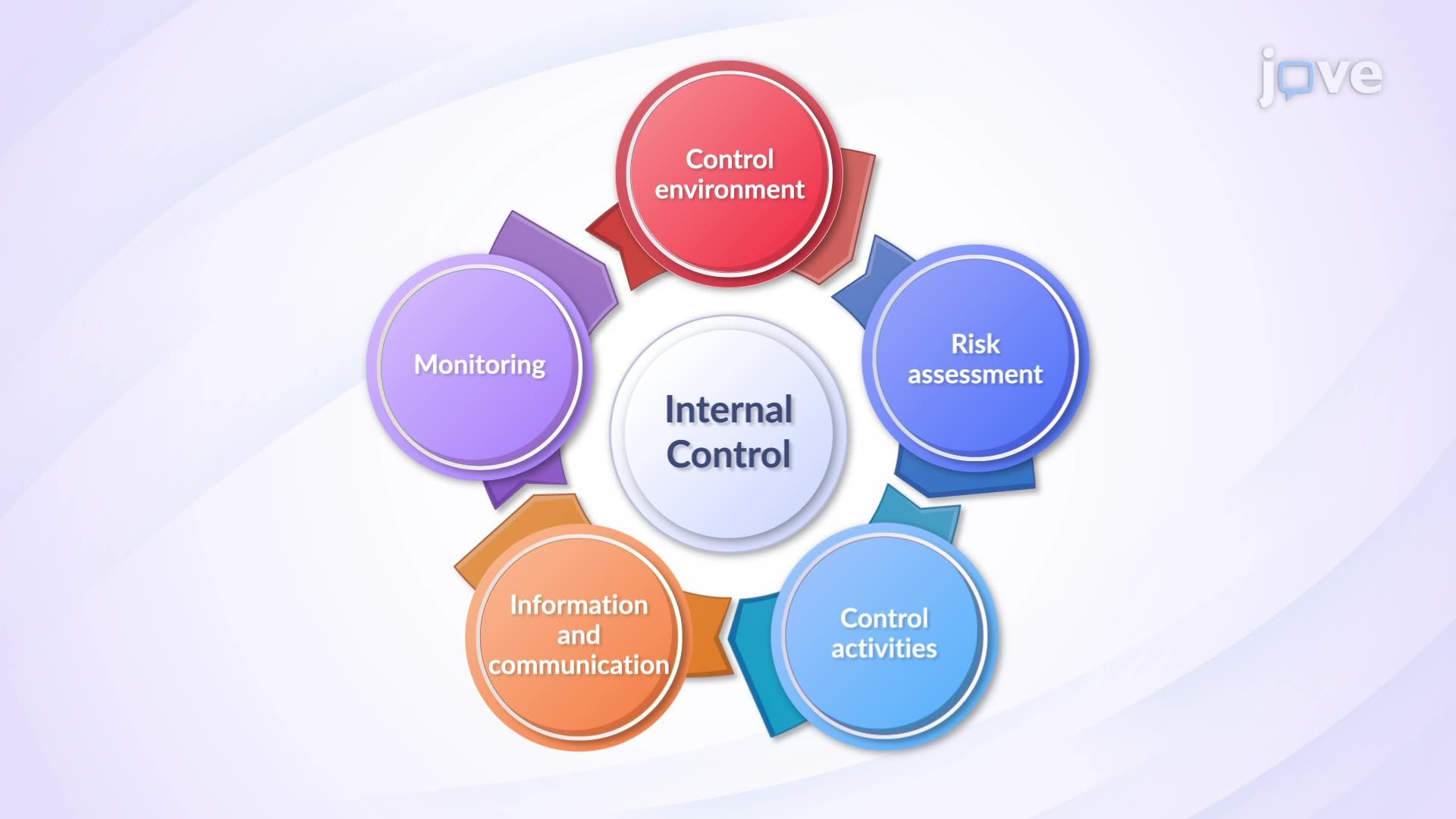
The COSO framework gives managers a five-component lens to assess and strengthen their team's internal control environment:
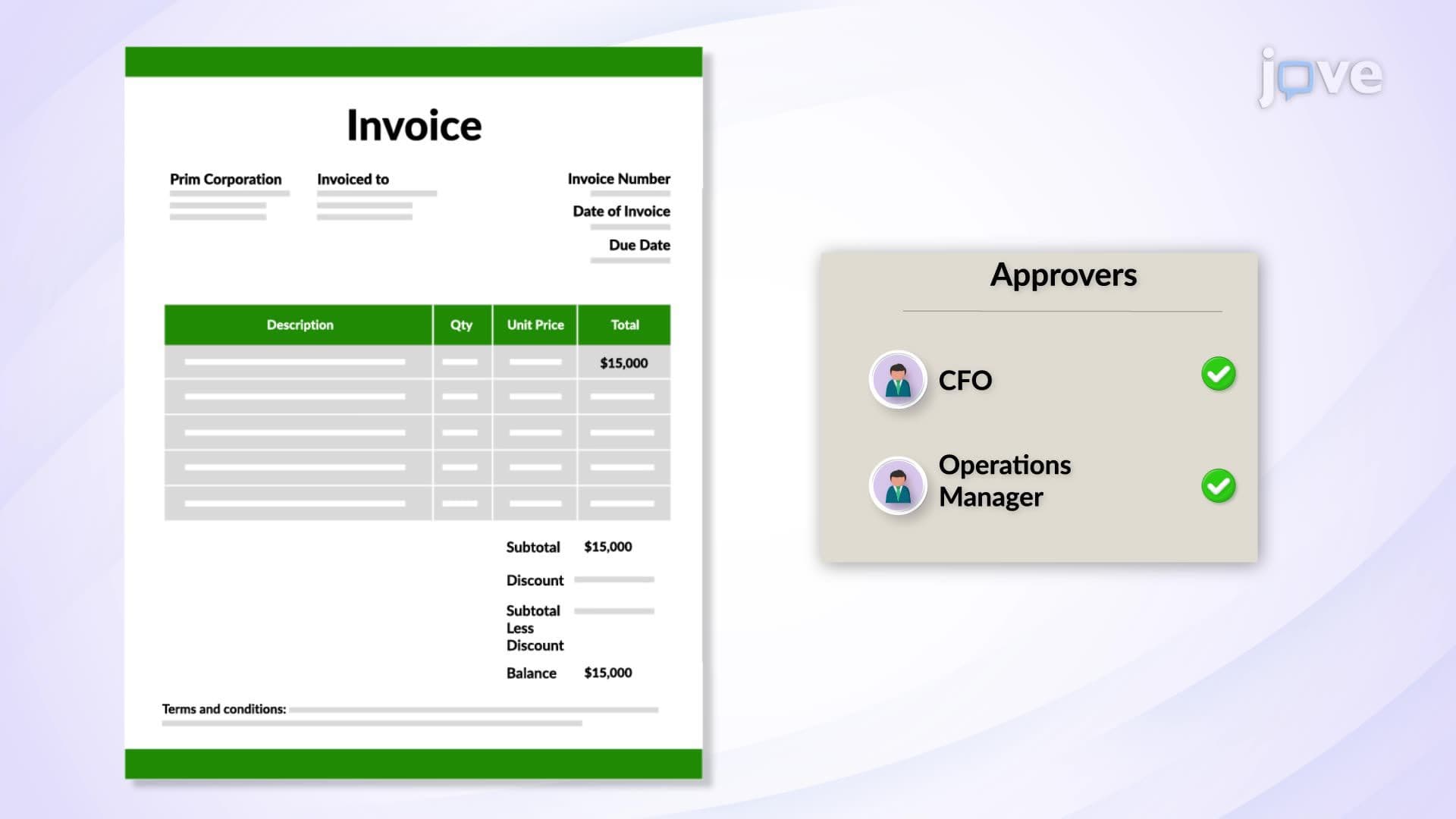
1. Control Environment, This is your leadership tone. How you model integrity, hold people accountable, and set expectations directly shapes whether controls are respected or bypassed. Think of it as the organizational culture at the team level. 2. Risk Assessment, Use structured conversations (quarterly reviews, pre-project planning sessions) to ask: *Where could this process break down? What's the financial or compliance impact if it does?* This mirrors the logic behind a RACI matrix, clarifying who is responsible and accountable before gaps appear. 3. Control Activities, These are your practical safeguards: segregating duties, requiring dual approvals for high-value decisions, implementing checklists, and setting authorization thresholds. A useful rule of thumb, if one person can both initiate and approve a financial transaction, that's a control gap worth addressing. 4. Information and Communication, Your team needs clear escalation paths. Are people confident raising concerns? Do financial updates reach stakeholders without distortion? This maps closely to psychological safety principles: when people fear speaking up, internal control failures go unreported. 5. Monitoring, Build periodic reviews into your team's operating rhythm. These don't need to be formal audits, a monthly process walkthrough or a brief retrospective can surface issues before they compound.
Start with a simple internal control audit of one process your team owns. Map the steps, identify where one person holds multiple control points, and ask whether exceptions are being tracked. Tools like a RACI chart help assign clear ownership across approval, execution, recording, and review functions. For ongoing monitoring, consider adapting a plan-do-check-act (PDCA) cycle, build the control, run it, check whether it's working, and adjust. This isn't about creating bureaucracy. It's about building a team that operates predictably, catches its own errors, and earns organizational trust.
The most frequent mistake managers make is treating internal control as a one-time setup rather than a living system. Controls become outdated as teams grow, processes change, and new risks emerge. A second common failure is neglecting the human side, training staff on *why* controls exist, not just *what* they must do. When people understand the purpose, compliance becomes habitual rather than enforced.
Related Micro-courses