Loading video…

 9 Concepts
 2.7K views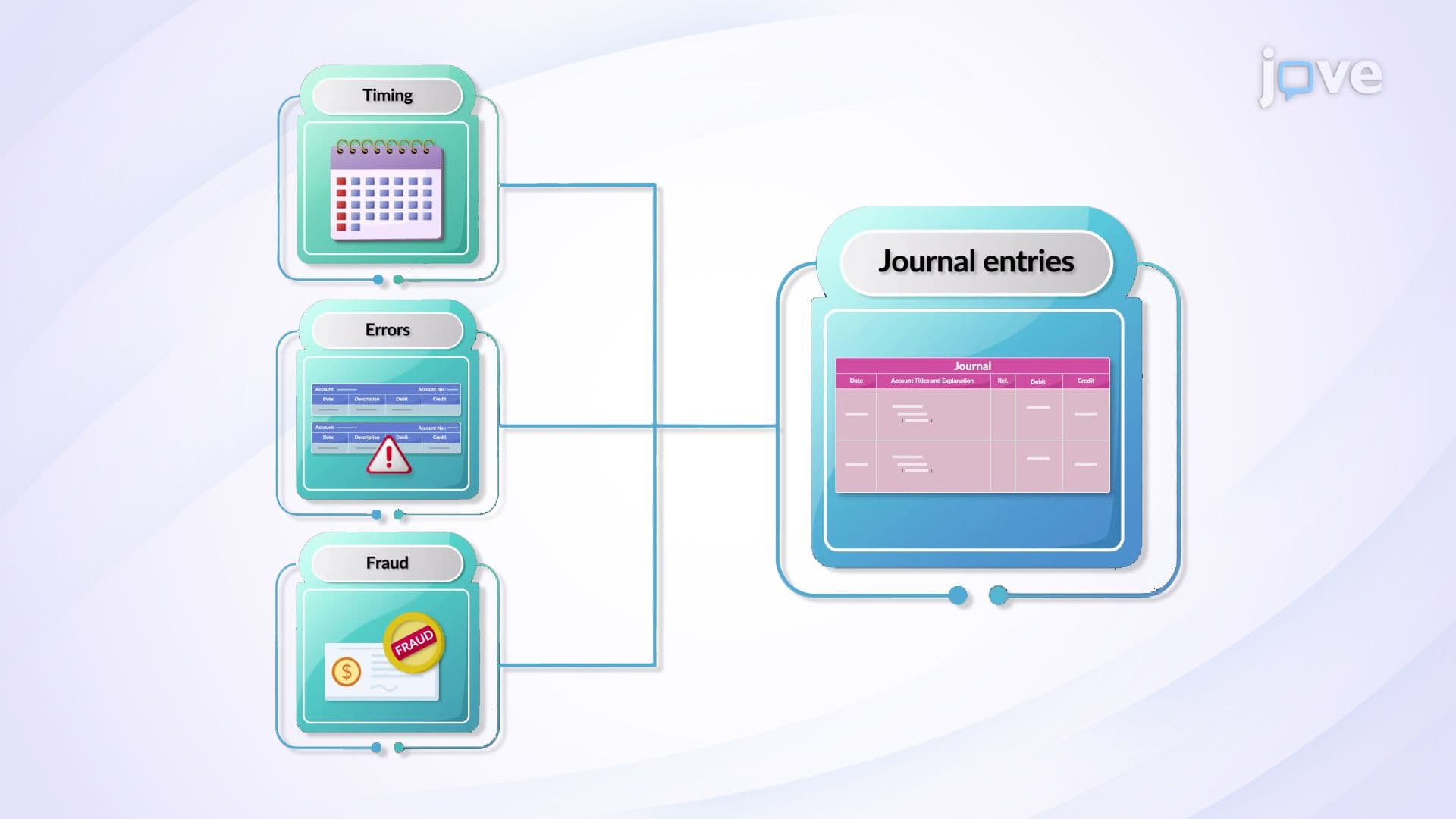

Video Summary: What are Entries From Bank Reconciliation
Bank reconciliation entries trip up many managers when finance teams flag discrepancies between internal records and bank statements, creating delays, audit risks, and cash flow blind spots. Understanding bank reconciliation entries and journal entries for bank reconciliation helps you catch timing gaps, unauthorized charges, and unrecorded deposits before they become bigger problems. Watch the full video on JoVE Coach to master this concept with expert-led visuals and step-by-step explanations.
Picture this: it's month-end, your finance team is closing the books, and someone flags that the company's cash balance is off by several hundred dollars. No one flagged a transaction. No one made an error, at least not an obvious one. This is the moment where bank reconciliation entries become critical. For managers overseeing finance functions or working closely with accounting teams, understanding how and why these entries are made is not optional, it's a core part of financial oversight.
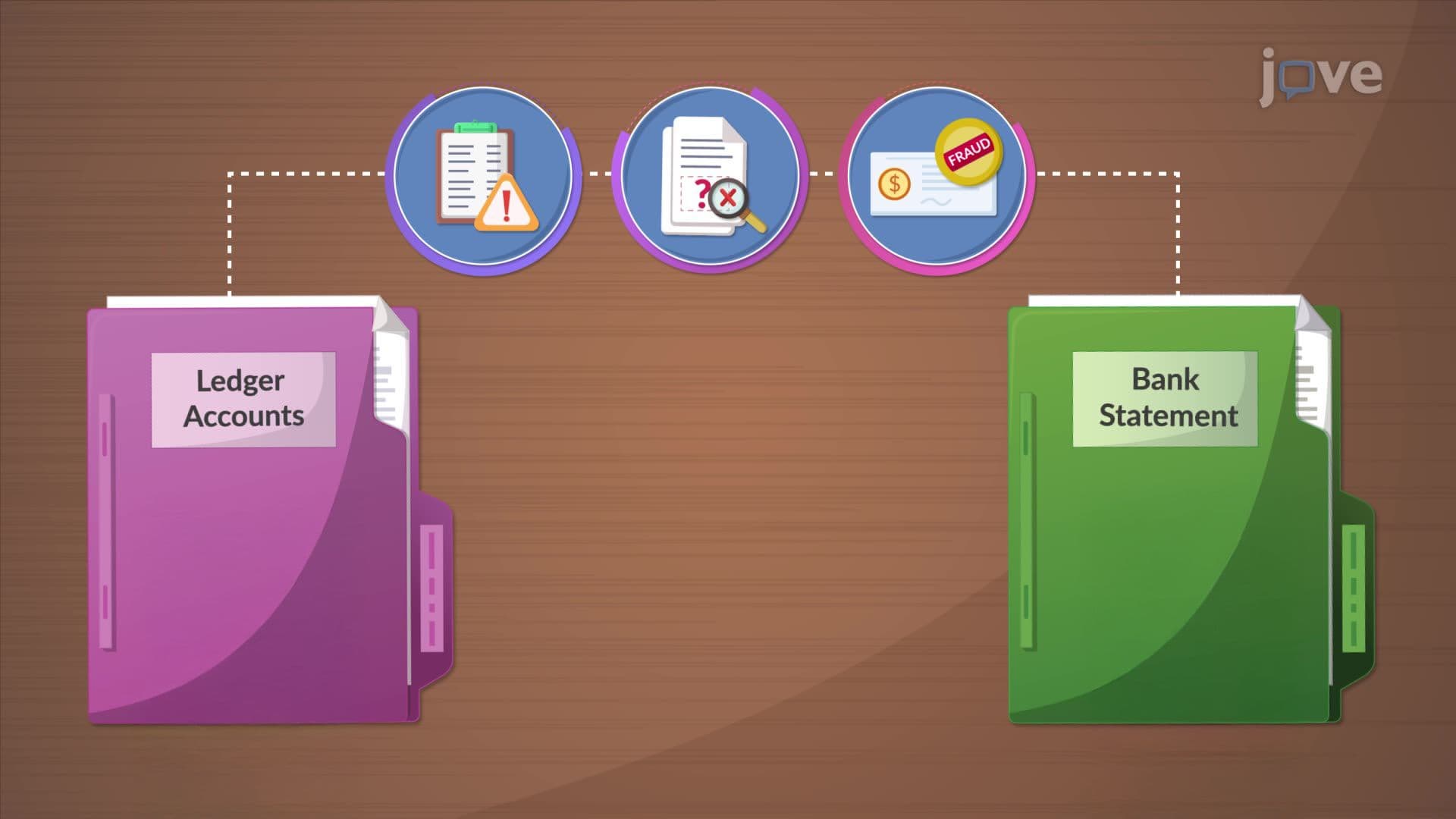
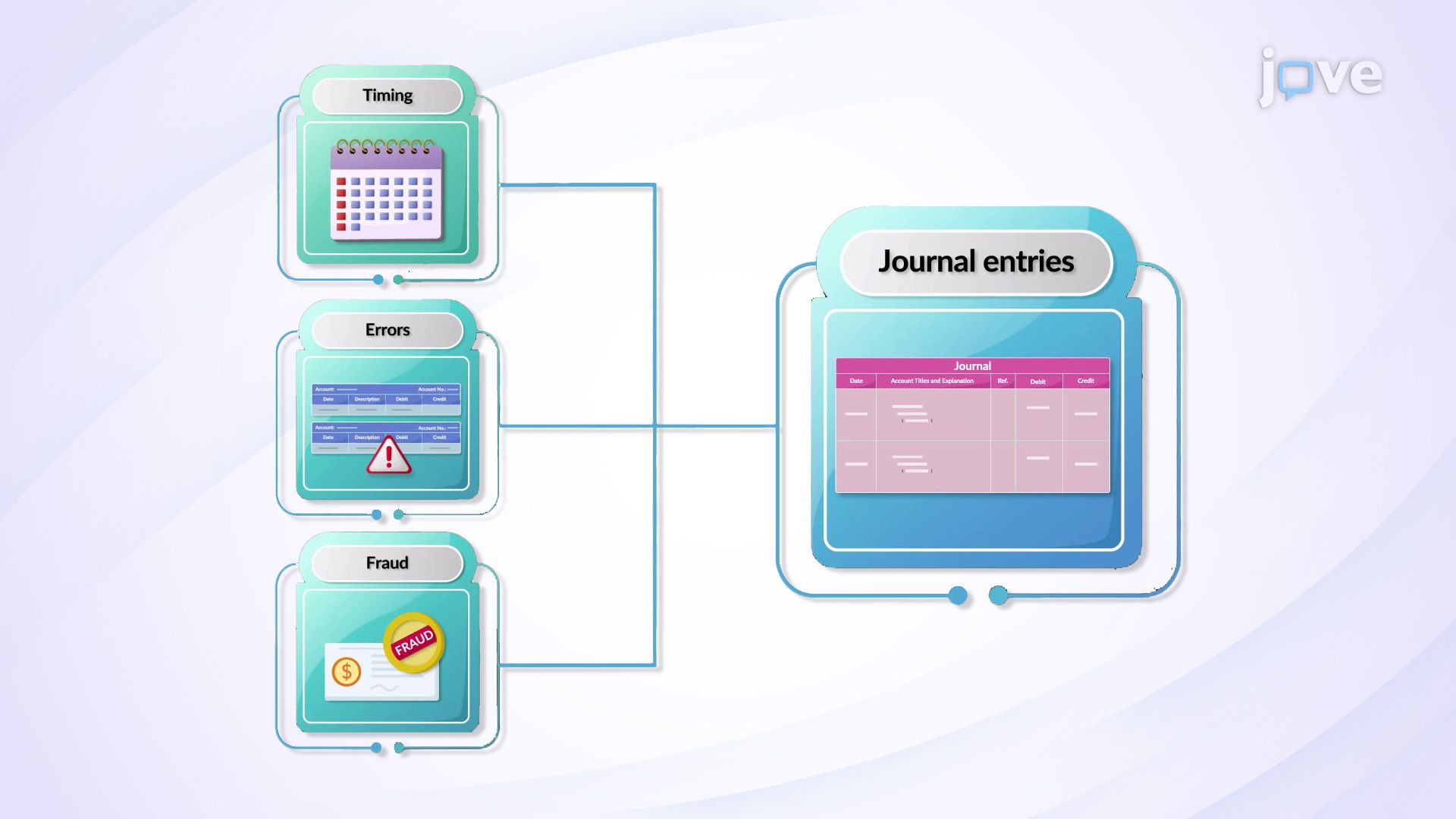
Most discrepancies between a company's internal cash records and its bank statement don't signal fraud or serious error, they reflect timing. A bank service charge posted on the 28th of the month may not appear in the company's ledger until the reconciliation is completed. A customer payment deposited directly into a lockbox account may clear the bank before the accounts receivable team processes it. These gaps are normal. What separates well-run finance teams from struggling ones is the speed and accuracy with which they close those gaps using correct journal entries for bank reconciliation.
The risk of inaction is real. Unrecorded charges overstate cash balances. Unrecorded deposits leave receivables uncollected on paper, distorting both working capital and customer account health. Left unresolved, these discrepancies compound, making the next reconciliation harder and creating noise in financial statements that auditors and senior leadership will notice.
When your team identifies a difference during reconciliation, the first question is: *whose records need to change?* Adjusting entries for bank reconciliation fall into two categories, entries the company needs to make in its own books, and items the bank needs to correct on its end.
For company-side entries, use this three-step approach:
1. Identify the source, Is it a bank fee, a direct deposit, an NSF (non-sufficient funds) check, or an interest credit? 2. Determine the financial impact, Does it increase or decrease the cash balance? Does it affect another account, like accounts receivable or bank charges expense? 3. Record the entry, Debit and credit the appropriate accounts to bring the books into alignment with the bank statement.
For example, a bank service charge reduces cash and creates an expense. A lockbox deposit increases cash and reduces the outstanding accounts receivable balance. Both require a precise, double-entry journal entry, no rounding, no assumptions.
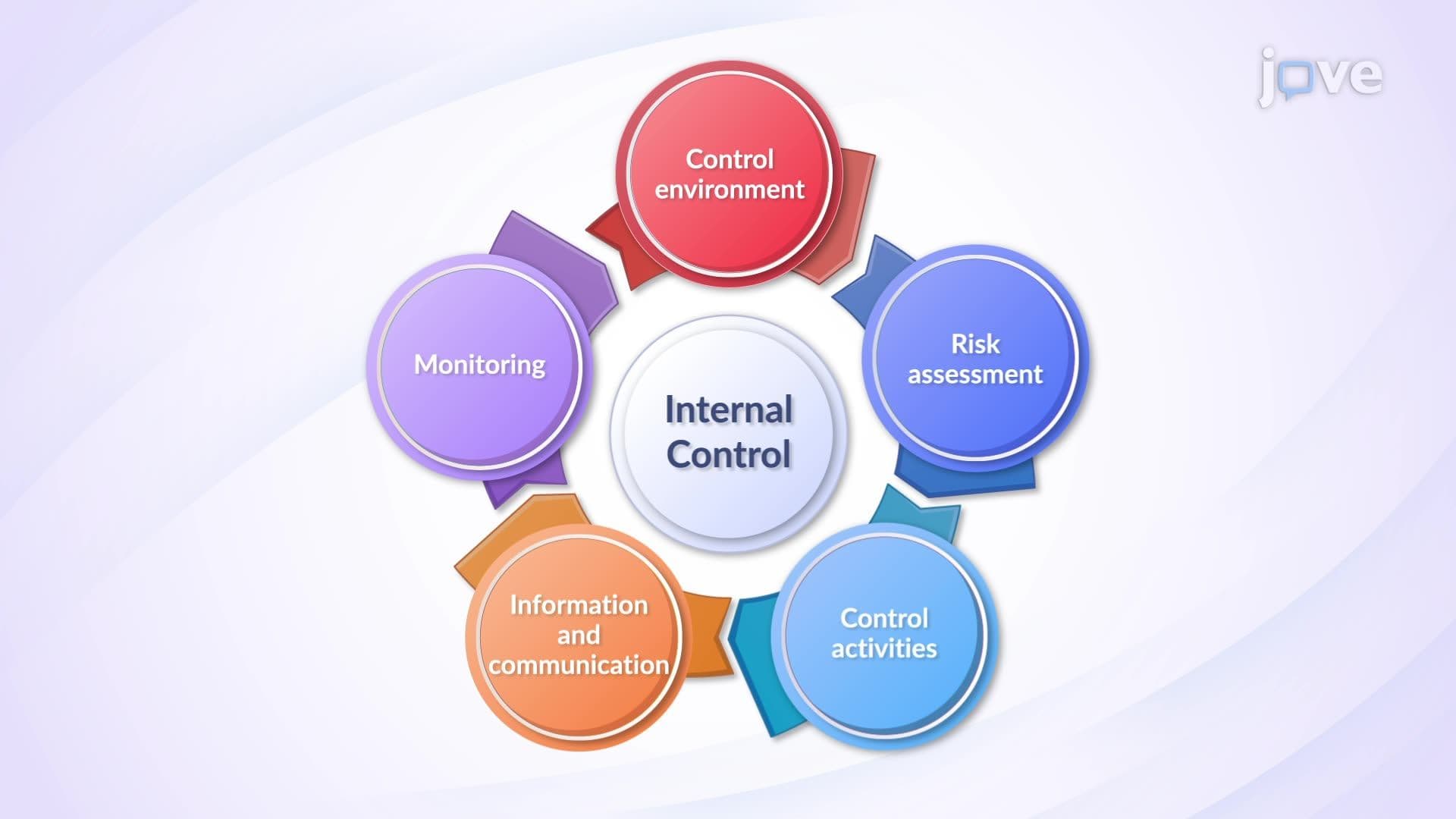
A useful internal control framework here is the account ownership model, similar in spirit to a RACI chart: assign clear *Responsible* and *Accountable* owners for each reconciliation step so nothing slips through at period close.
Even experienced teams make avoidable errors in the reconciliation process. The most frequent include:
As a manager, your role is to ensure your team has a documented process, a clear review cadence, and the judgment to escalate unusual items, particularly those that might indicate fraud or unauthorized transactions. A monthly reconciliation review meeting, even a brief 15-minute one, can surface issues before they become material.
Related Micro-courses