Loading subject page…

2,651 views

Video Summary: What Is Reconciliation Procedure
Reconciliation procedure is a critical financial discipline that trips up many new managers when they first take ownership of budget oversight or team cost centers. Understanding the account reconciliation process helps you catch discrepancies before they become costly reporting failures. Managers who can read and question financial records earn credibility with finance teams and senior leadership. Watch the full video on JoVE Coach to master this concept with expert-led visuals and step-by-step explanations.
Picture this: a mid-level manager is presenting monthly performance metrics to their director when the finance team flags a mismatch between the team's reported expenses and the company's ledger. The numbers don't reconcile, and no one on the team can explain why. This scenario plays out more often than most managers want to admit. Understanding the reconciliation procedure isn't just an accounting formality. For managers with budget responsibility, it is a core operational skill that directly affects your credibility, your team's financial hygiene, and your organization's ability to make sound decisions.
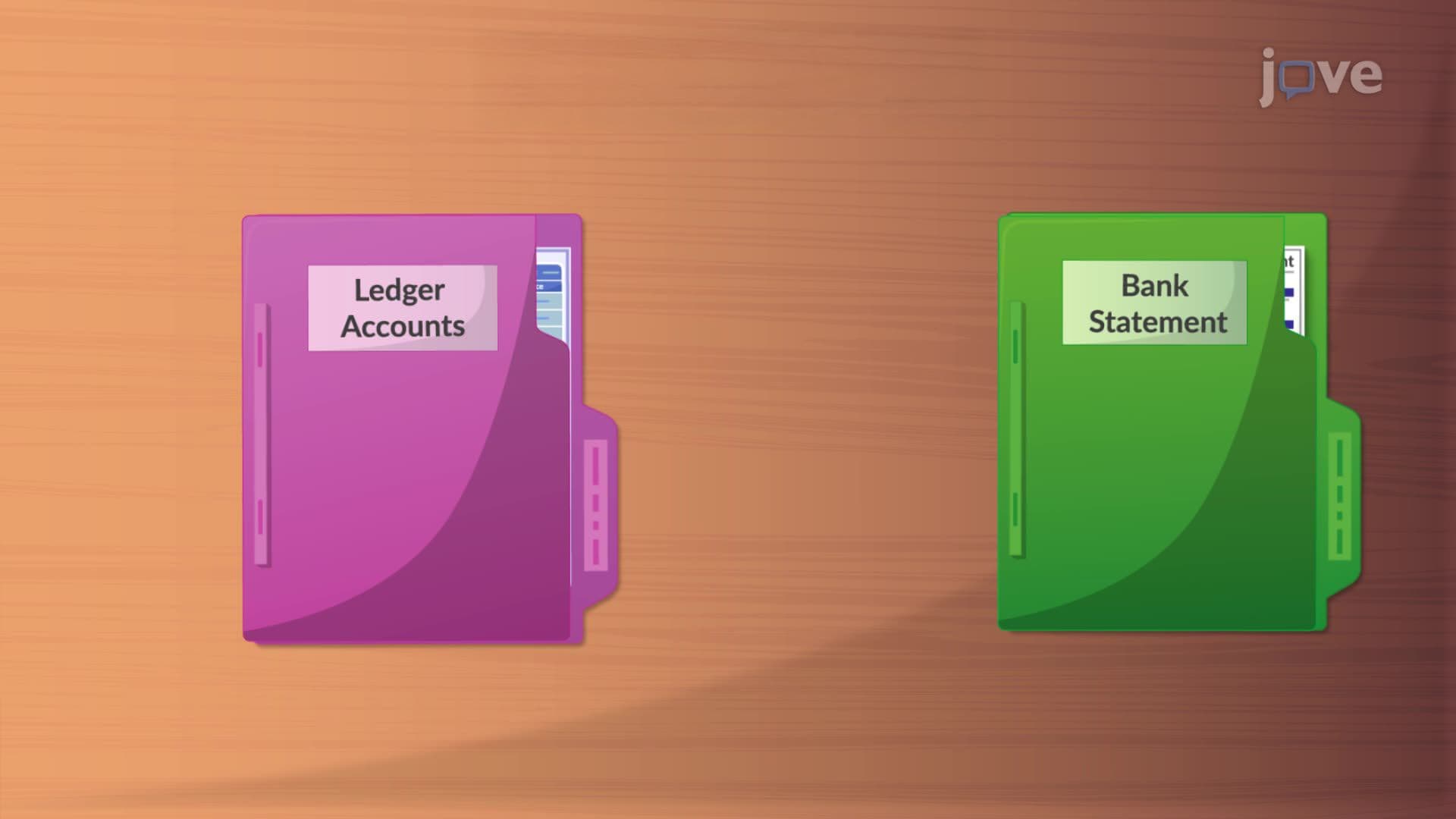
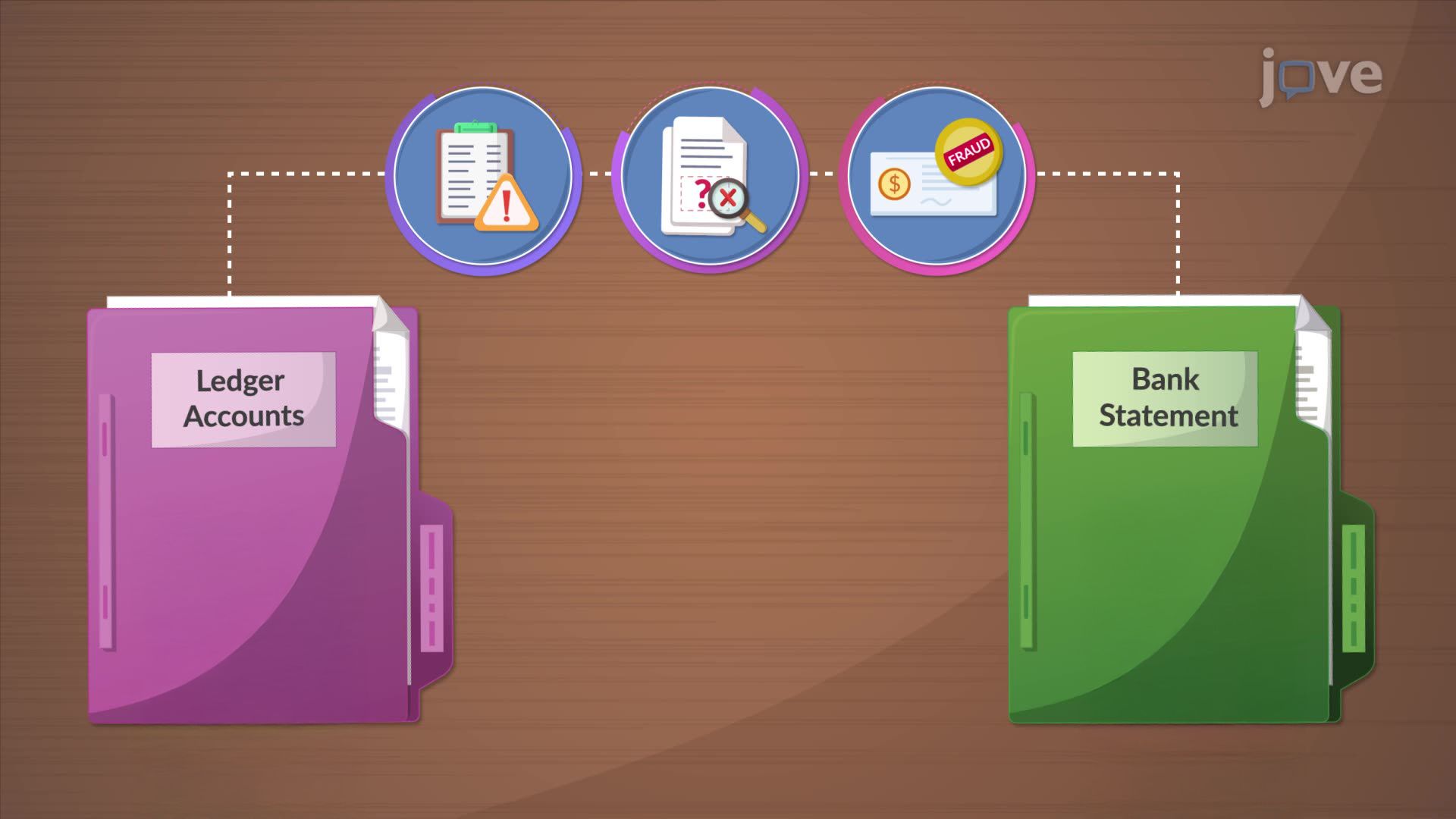
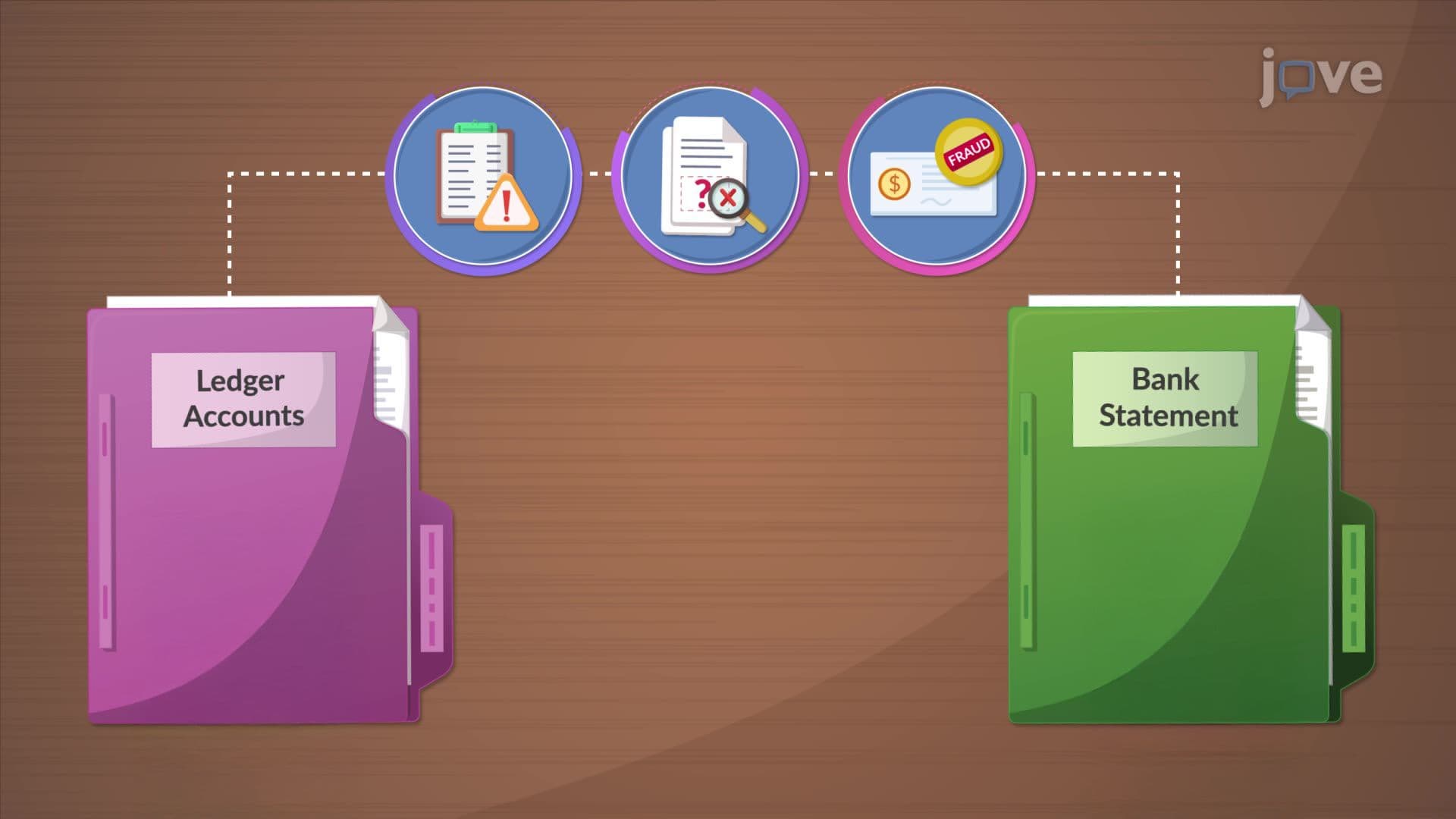
Most managers who are new to budget ownership treat reconciliation as a finance team problem, something that gets handled downstream. That instinct is understandable but dangerous. When you own a cost center, a project budget, or a team expense account, you are the first line of defense against errors and discrepancies. The account reconciliation process requires you to compare two independent sets of financial records, typically an internal ledger and an external bank or financial statement, and verify they tell the same story. If they don't, the gap needs a clear explanation. Leaving that gap to someone else means losing visibility into your own operational reality.
Applying reconciliation steps consistently is what separates managers who stay ahead of financial issues from those who get caught off guard. Here is a practical framework:
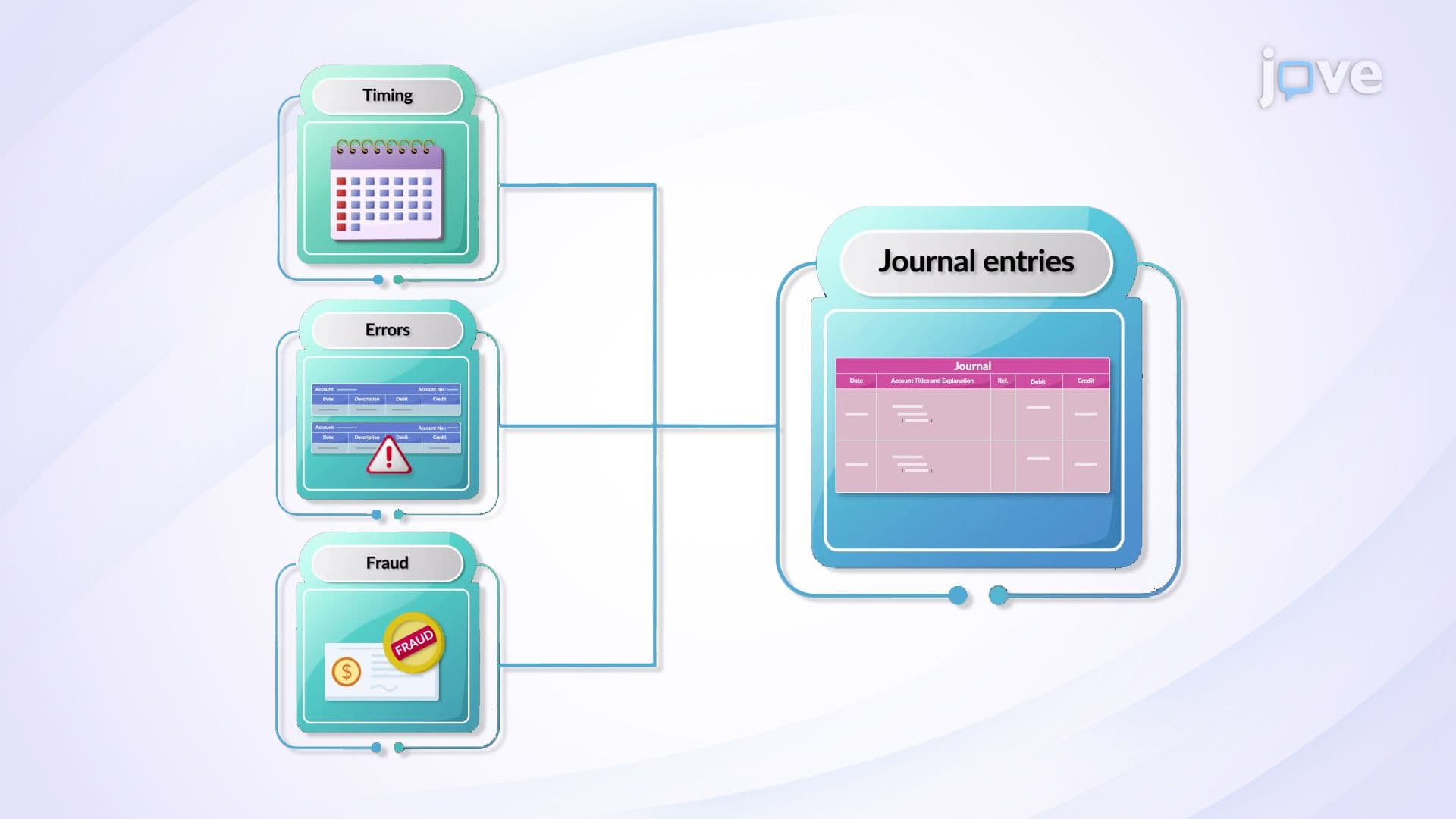
1. Gather both records, Obtain your internal ledger and the corresponding external statement for the same time period. Monthly cadence is standard practice. 2. Line-by-line comparison, Match each transaction systematically. Don't scan, compare. This is where errors hide. 3. Flag timing differences, An outstanding check or a payment initiated but not yet processed will appear in one record and not the other. Document these explicitly. 4. Adjust for missing items, Bank service fees, automatic debits, or interest credits that appear on the external statement but are absent from your internal record must be added. Similarly, correct any internal errors. 5. Confirm adjusted balances match, Both records, after adjustments, should reach identical figures. If they don't, investigation is required, not assumption.
This process mirrors a RACI-style ownership mindset: you are the *Accountable* party for your budget's accuracy. Delegating recording to a team member is fine; delegating ownership of accuracy is not.
The most effective managers don't treat how to reconcile accounts as a crisis response, they build it into the rhythm of regular operations. Set a recurring month-end checkpoint where budget holders review their records before finance closes the books. Use a simple two-column comparison template to make the process repeatable and trainable. When onboarding a team member into a financial responsibility role, walk them through the reconciliation procedure using a real prior-period example, not a theoretical one. This develops financial literacy at the team level and reduces the risk of errors accumulating undetected across quarters.
Three patterns consistently undermine the accounting reconciliation process at the managerial level. First, reconciling infrequently, waiting until quarter-end means errors compound and become harder to trace. Monthly, at minimum, is non-negotiable. Second, accepting "close enough", a difference of even a small amount is a discrepancy that requires explanation, not rounding. Third, treating reconciliation as a backward-looking exercise, smart managers use it as a forward signal. Patterns in discrepancies often reveal process gaps, control weaknesses, or team behaviors that need addressing before they create larger operational problems.
Related Micro-courses