Loading video…

 9 Concepts
 2.7K views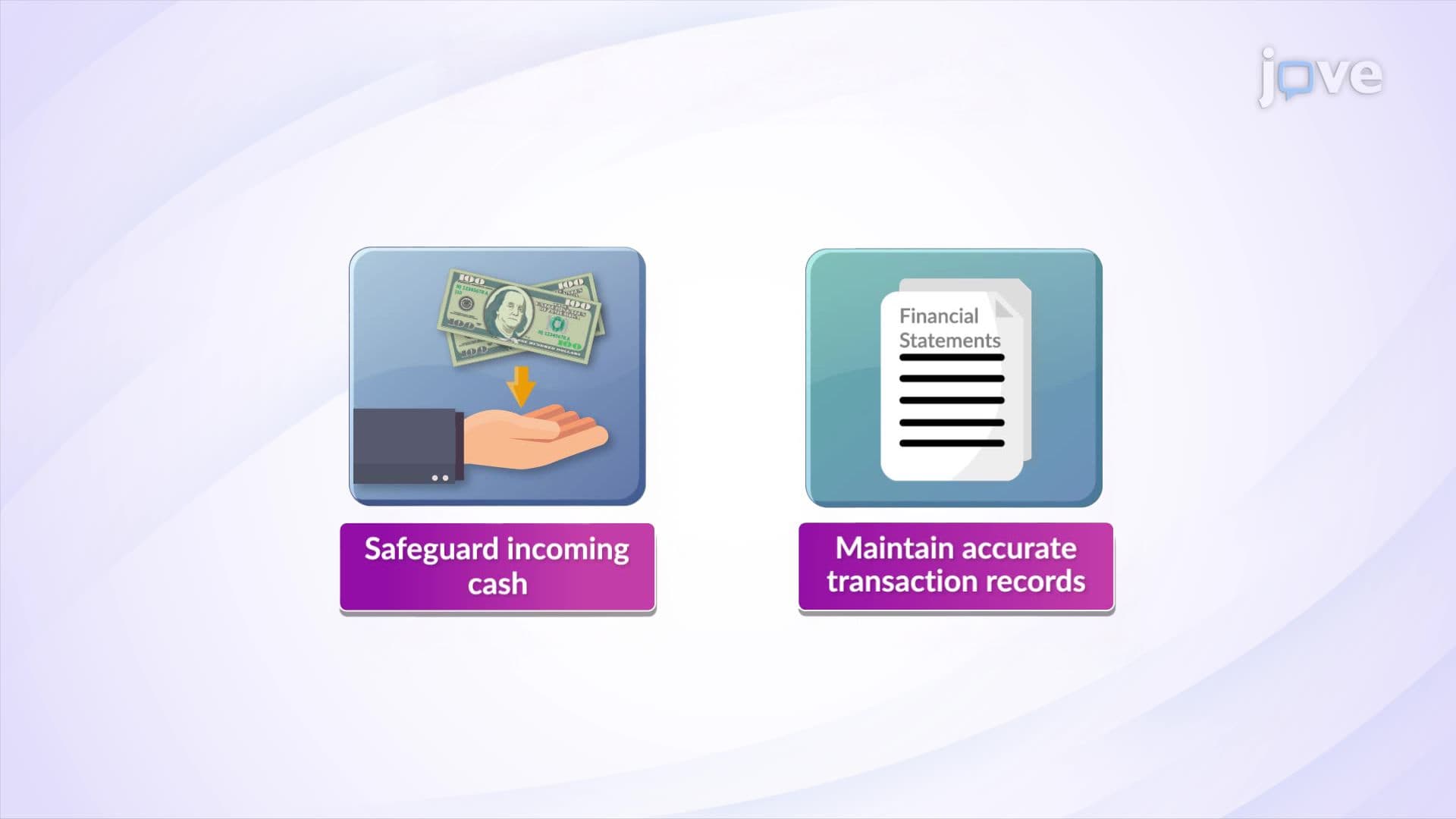

Video Summary: What are Cash Receipts Controls
Cash receipts controls are a critical gap for managers overseeing high-volume transaction environments, and mishandled cash processes can quietly erode both profitability and trust. Understanding internal controls for cash receipts means knowing how to separate duties, verify totals, and keep accurate records before discrepancies become serious problems. Managers who get this right protect their teams as much as their financials. Watch the full video on JoVE Coach to master this concept with expert-led visuals and step-by-step explanations.
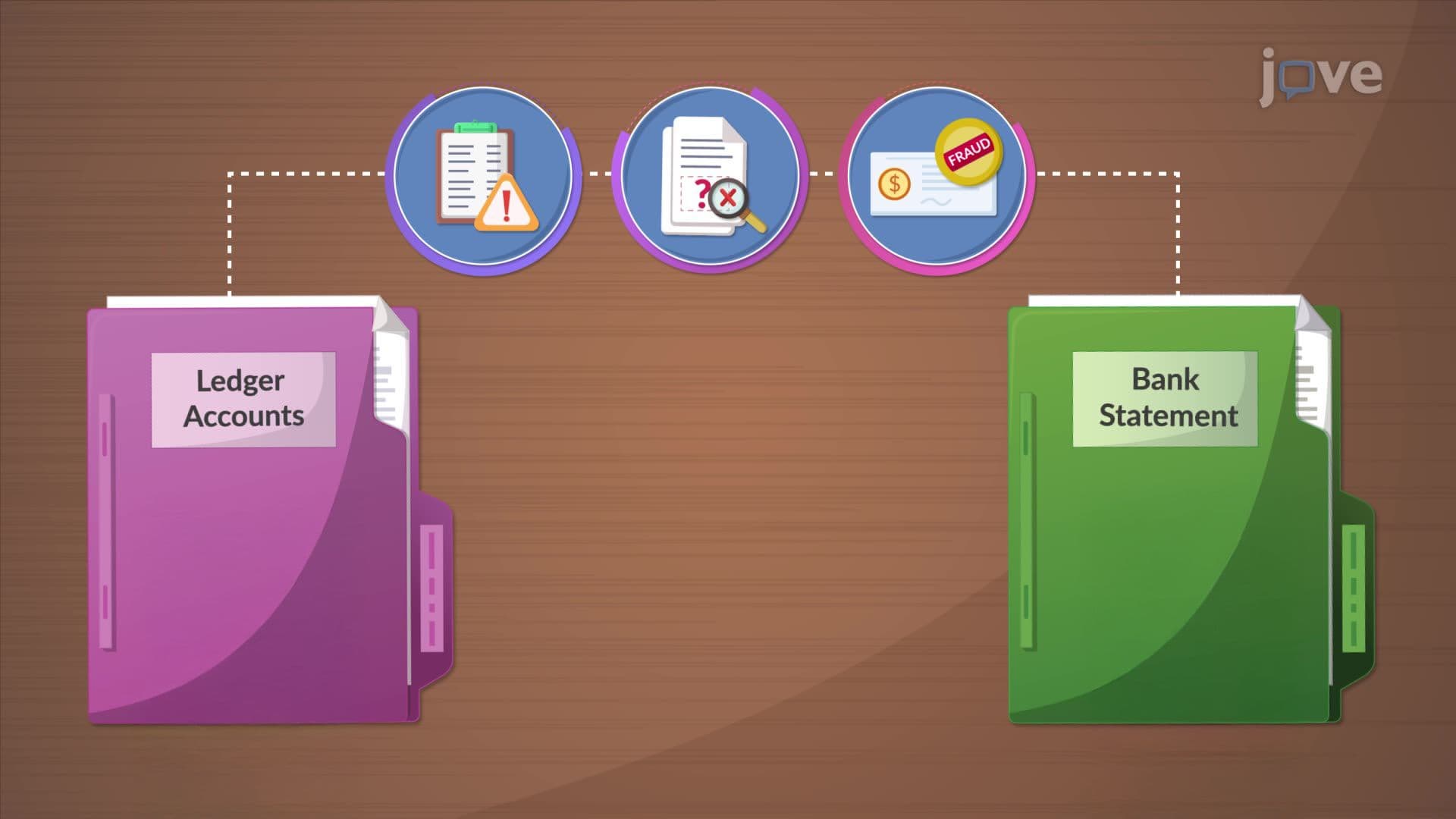
Imagine you're managing a busy retail operation. At the end of the week, cash totals don't reconcile, but you can't tell whether the gap is a counting error, a missed entry, or something more serious. The uncomfortable truth is that without structured cash receipts controls, you may never know. And as the manager, that ambiguity lands directly in your lap.
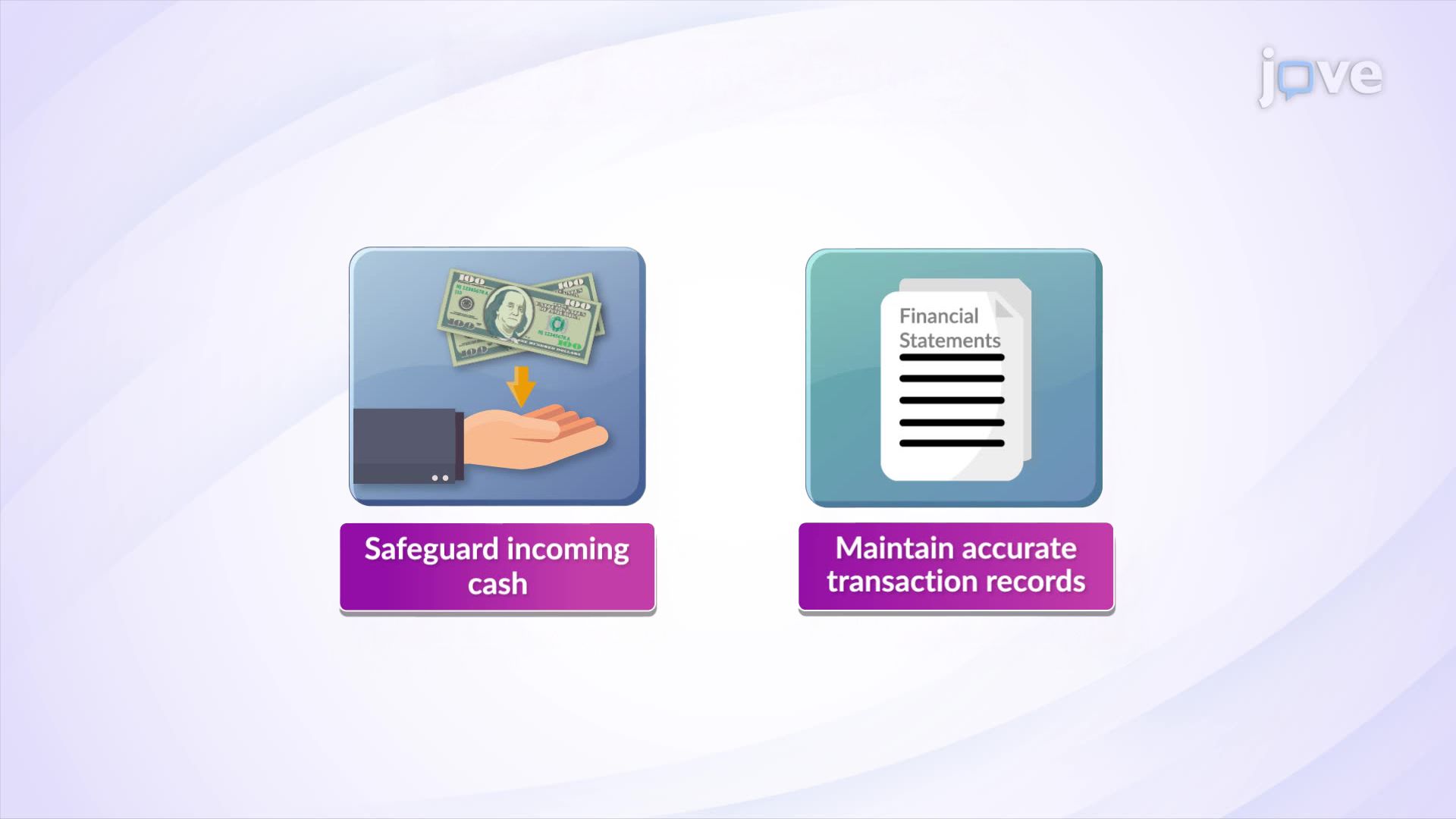
Cash receipts controls are the internal processes and safeguards that govern how incoming cash is received, verified, recorded, and deposited. They exist to protect the business, reduce theft risk, and ensure that the financial records your team produces can actually be trusted.
Most managers in cash-handling environments inherit processes rather than design them. The assumption is that "we've always done it this way" is good enough. It rarely is. When one person receives payments, counts the drawer, and enters figures into the system, the absence of oversight creates both risk and temptation, even in high-performing teams. The issue isn't distrust of individuals; it's that unchecked processes create gaps that errors and misconduct can slip through undetected.
The most reliable foundation for cash receipts controls is segregation of duties, a principle that no single person should handle all stages of a financial transaction. Pair this with a RACI matrix (Responsible, Accountable, Consulted, Informed) to make role clarity visible and explicit across your team.
In practice, this means:
This three-part separation ensures that any error or discrepancy is caught at a handoff point before it compounds. When you map this using RACI, every team member knows exactly where their responsibility ends and someone else's begins, which also makes accountability conversations far easier.
If you're stepping into a management role that includes cash oversight, your first action should be a process audit, not a policy announcement. Walk through the current cash receipts workflow end-to-end. Ask: who touches the cash, at what point, and who verifies what they've done?
From there, introduce or reinforce three non-negotiable controls:
1. Numbered receipt generation, every transaction produces a sequenced receipt, making gaps immediately detectable 2. Daily cash reconciliation, a supervisor compares physical cash to register totals before closing; discrepancies are documented and reviewed same-day, not carried forward 3. Independent recordkeeping, the person entering figures into the financial system should not be the same person who handled or verified the physical cash
These steps don't require a large team or sophisticated systems. A team of five can implement all three. The goal is creating a process your team follows consistently, and that you can audit quickly when something doesn't add up.
The most common managerial failure here isn't negligence, it's convenience. When teams are short-staffed, managers allow one person to handle multiple control points "just for today." That exception becomes the norm. Set a clear standard: controls apply even on busy days, especially on busy days. A missed reconciliation during a high-volume period is exactly when discrepancies are most likely to occur and hardest to trace.
Related Micro-courses