Loading subject page…

7,147 views

Video Summary: What are Intangible Assets
Intangible assets often get overlooked when managers review financial reports, yet they drive significant business value. Understanding intangible assets basics helps you interpret balance sheet components accurately and make smarter resource decisions. These non-physical assets, patents, trademarks, software, shape your organization's competitive edge in ways cash and equipment alone cannot. Watch the full video on JoVE Coach to master this concept with expert-led visuals and step-by-step explanations.
Picture this: your organization just invested heavily in proprietary software that streamlines how your team delivers work. No one can physically hand it to a client or put it on a shelf, yet it directly drives efficiency, competitive positioning, and revenue. When your finance lead references it on the balance sheet, it appears as a line item with real dollar value. That is an intangible asset in action. For managers who didn't grow up in finance, this concept can feel abstract, but understanding it changes how you read financial reports and advocate for your team's resources.
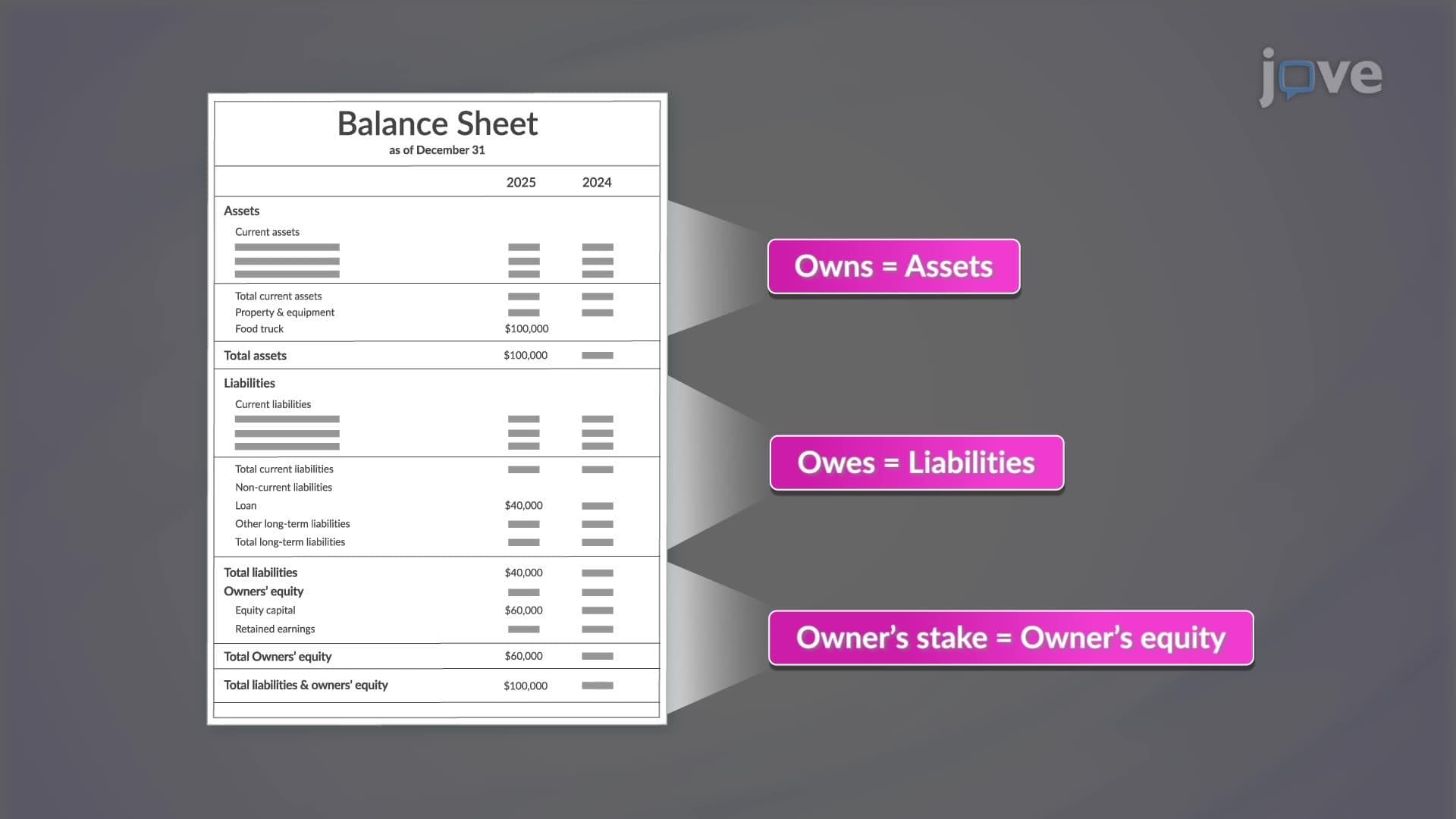
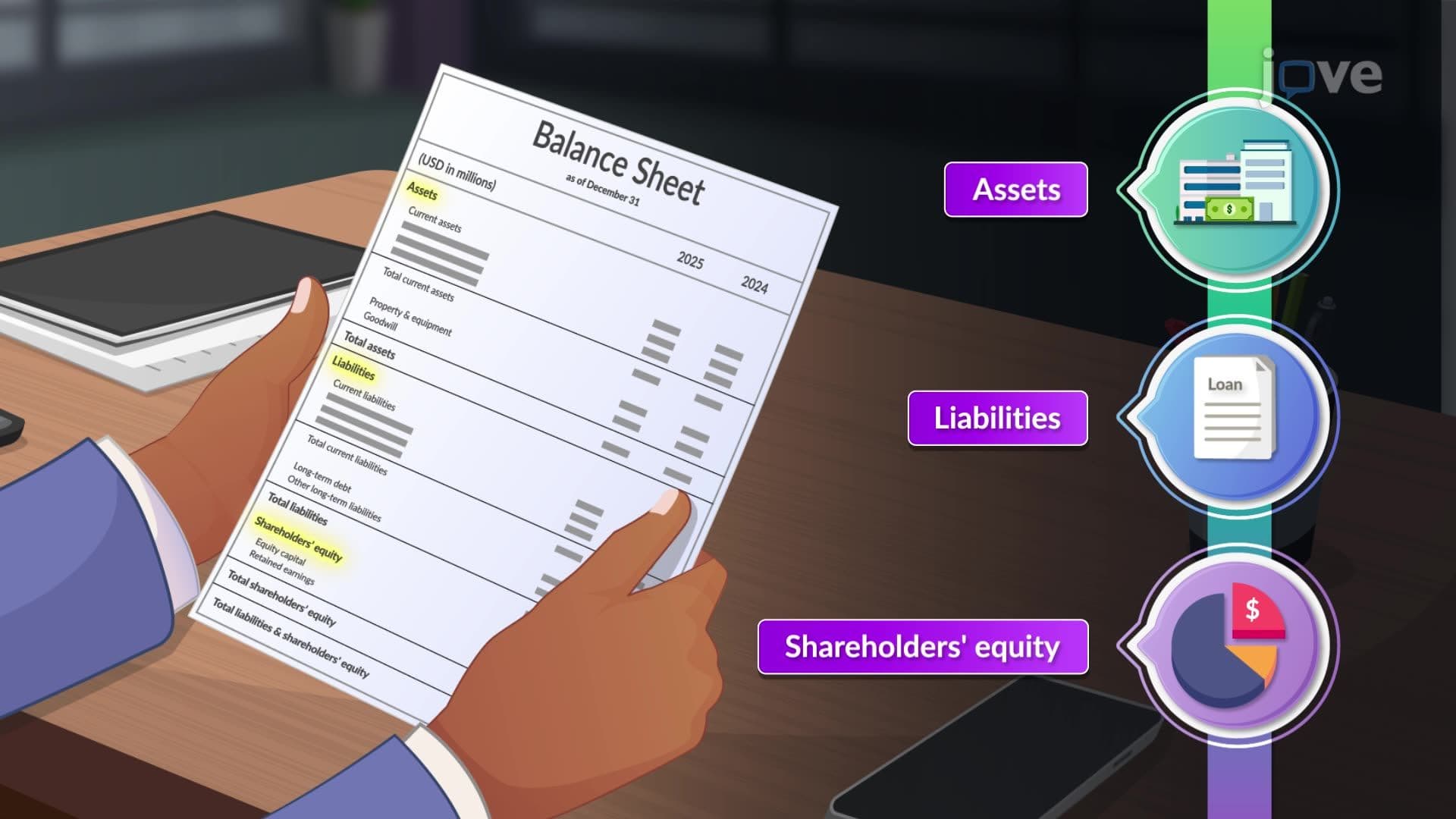
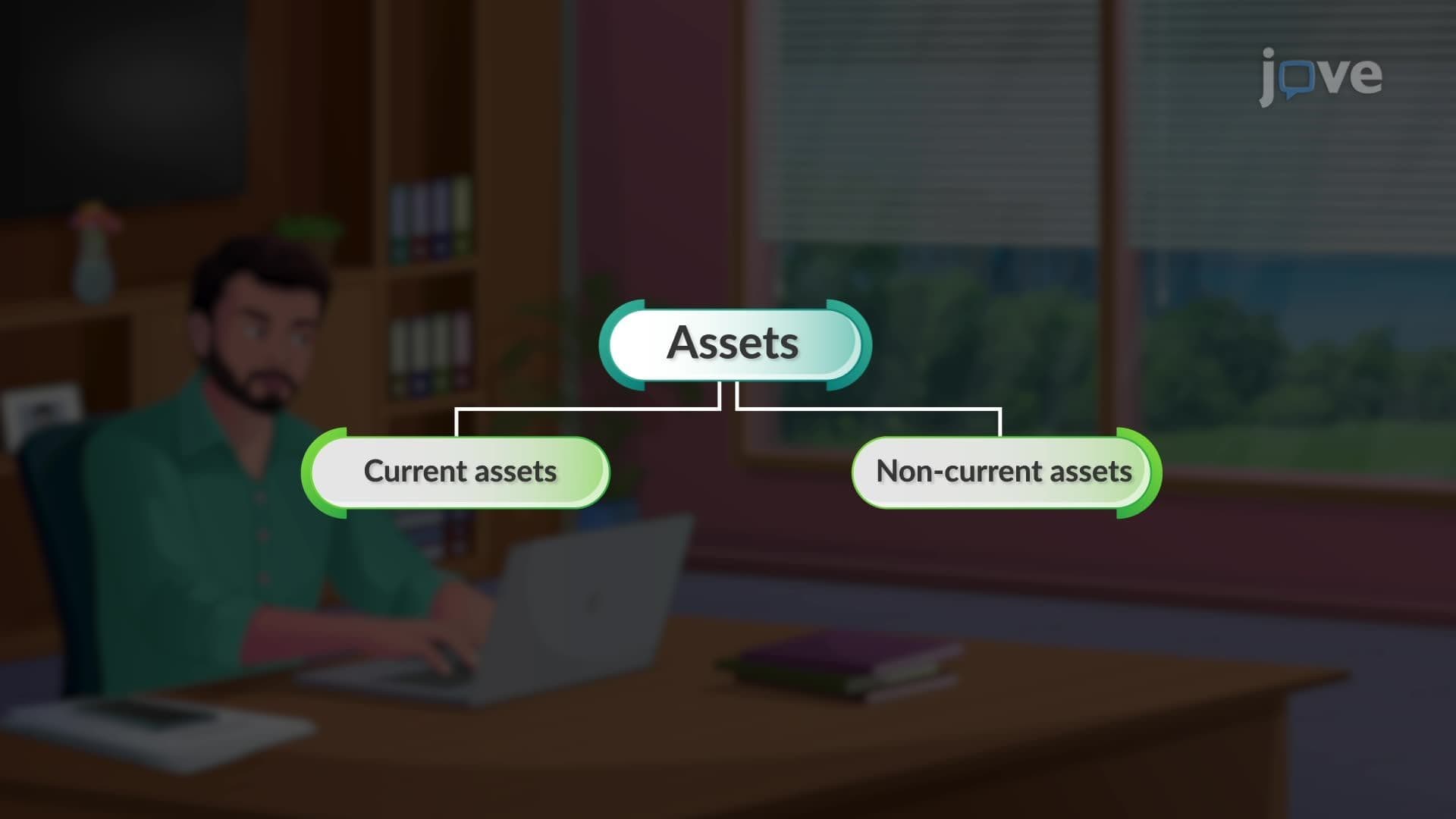
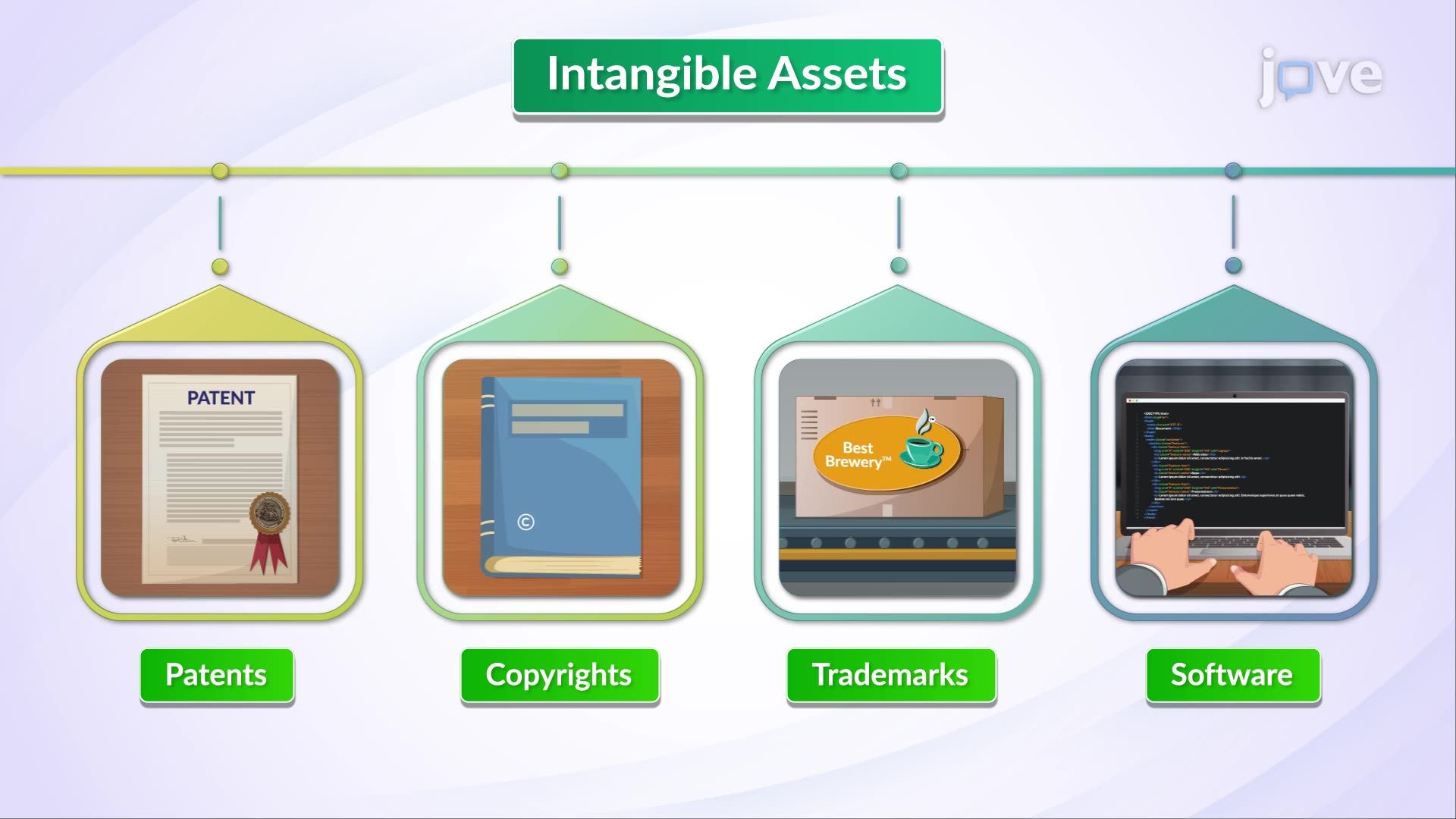
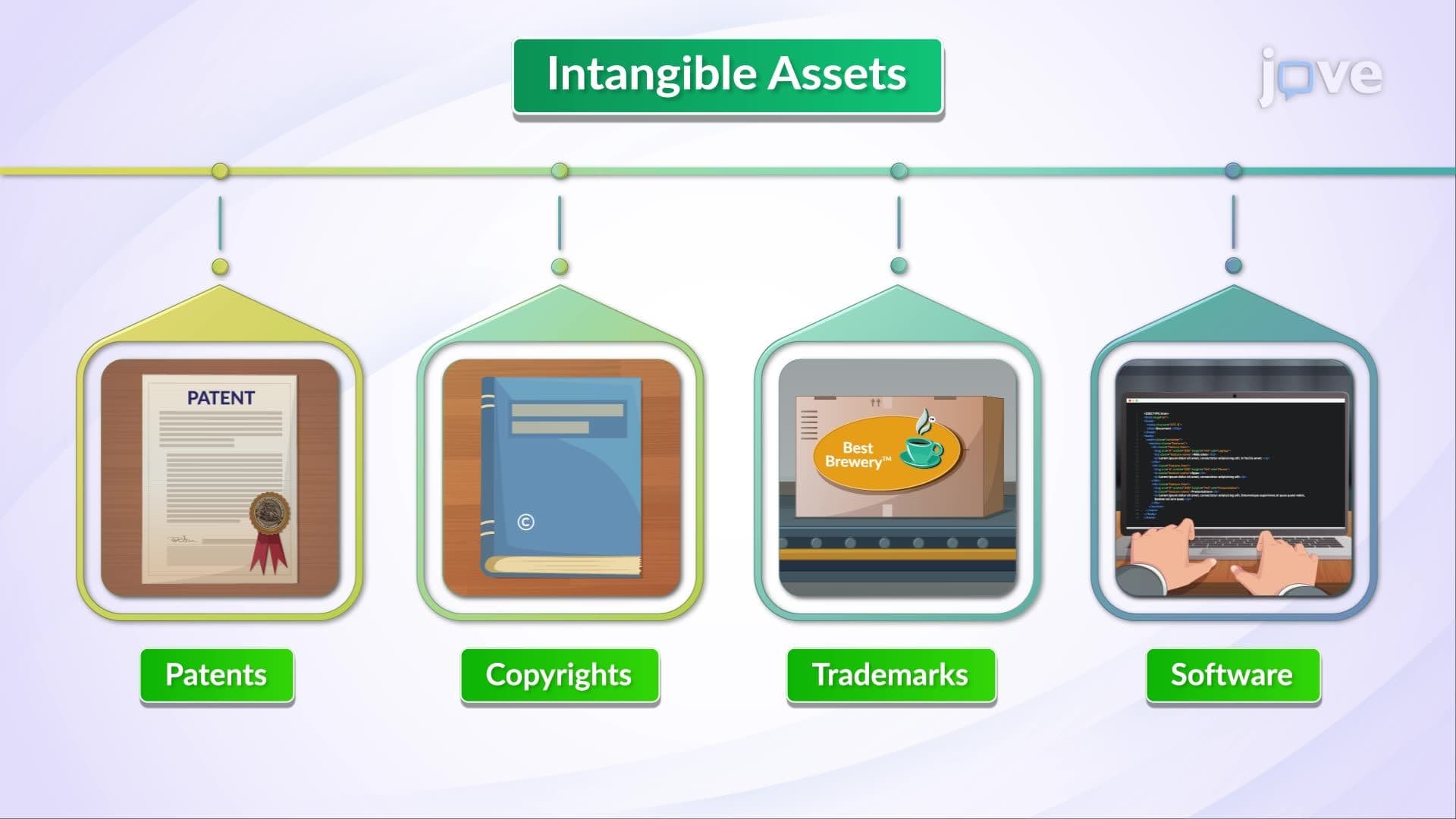
The challenge is visibility. Physical assets, equipment, inventory, office space, are easy to point to. Intangible assets are invisible, and that invisibility creates a mental gap when reviewing balance sheet components. Many managers either ignore these line items entirely or assume they're irrelevant to operational decisions. In reality, intangible assets such as patents, trademarks, copyrights, and proprietary software often represent some of the most strategically important value a business holds. Closing this gap requires a deliberate shift: learning to see value in what cannot be touched.
Another common stumbling block involves internally developed assets. A team might spend months building a process, methodology, or tool that becomes indispensable, yet it rarely appears on the balance sheet because its value cannot be reliably measured. This distinction matters when you're making the business case for internal initiatives versus recommending a purchased solution.
Use a simple two-column mental model when reviewing your organization's intangible assets:
Purchased Intangible Assets, These are recorded on the balance sheet at acquisition cost. If your organization paid for a software license, a patent, or a trademark, that cost is documented and then amortized over its useful life. Amortization means the cost is spread across the accounting period during which the asset provides value, similar to depreciation for physical assets. As a manager, this affects how costs flow through your department's budget over time.
Internally Generated Assets, These are typically not recorded on the balance sheet, regardless of how much time, talent, or effort produced them. Your team's proprietary knowledge, internally built tools, or homegrown processes carry real competitive value, but accounting standards generally don't allow organizations to assign a formal dollar figure to them. This is a critical point when explaining to senior leadership why certain team-driven innovations don't show up in financial reports.
When you're preparing for a budget discussion, quarterly business review, or senior leadership meeting, ask your finance partner three focused questions:
1. Which intangible assets are currently on the balance sheet, and what is their remaining amortization period? This tells you when those costs will stop being charged against the business, freeing up budget. 2. Are there intangible assets approaching full amortization? If a patent or software license is nearly fully amortized, leadership may need to decide whether to renew, replace, or retire it. 3. What internally generated capabilities does our team rely on that aren't formally documented? Surfacing these assets, even if they don't appear on a balance sheet, helps make the case for investment in tools, IP protection, or formal documentation.
This approach positions you as a financially fluent manager who bridges operational reality with financial reporting, a visible and valued leadership behavior.
Related Micro-courses