Loading video…

 20 Concepts
 7.1K views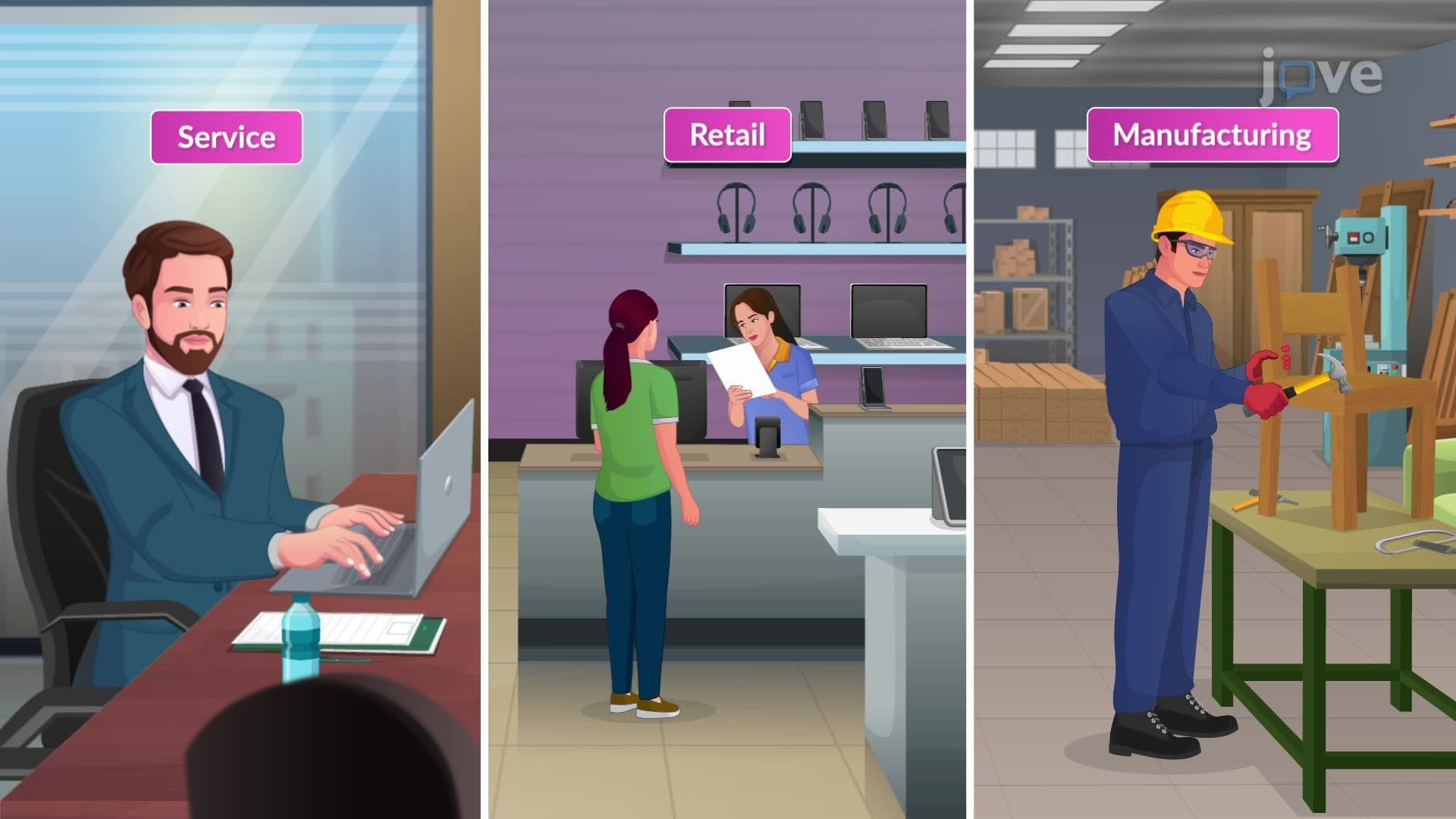

Video Summary: Service Vs Retail Vs Manufacturing in the Balance Sheet
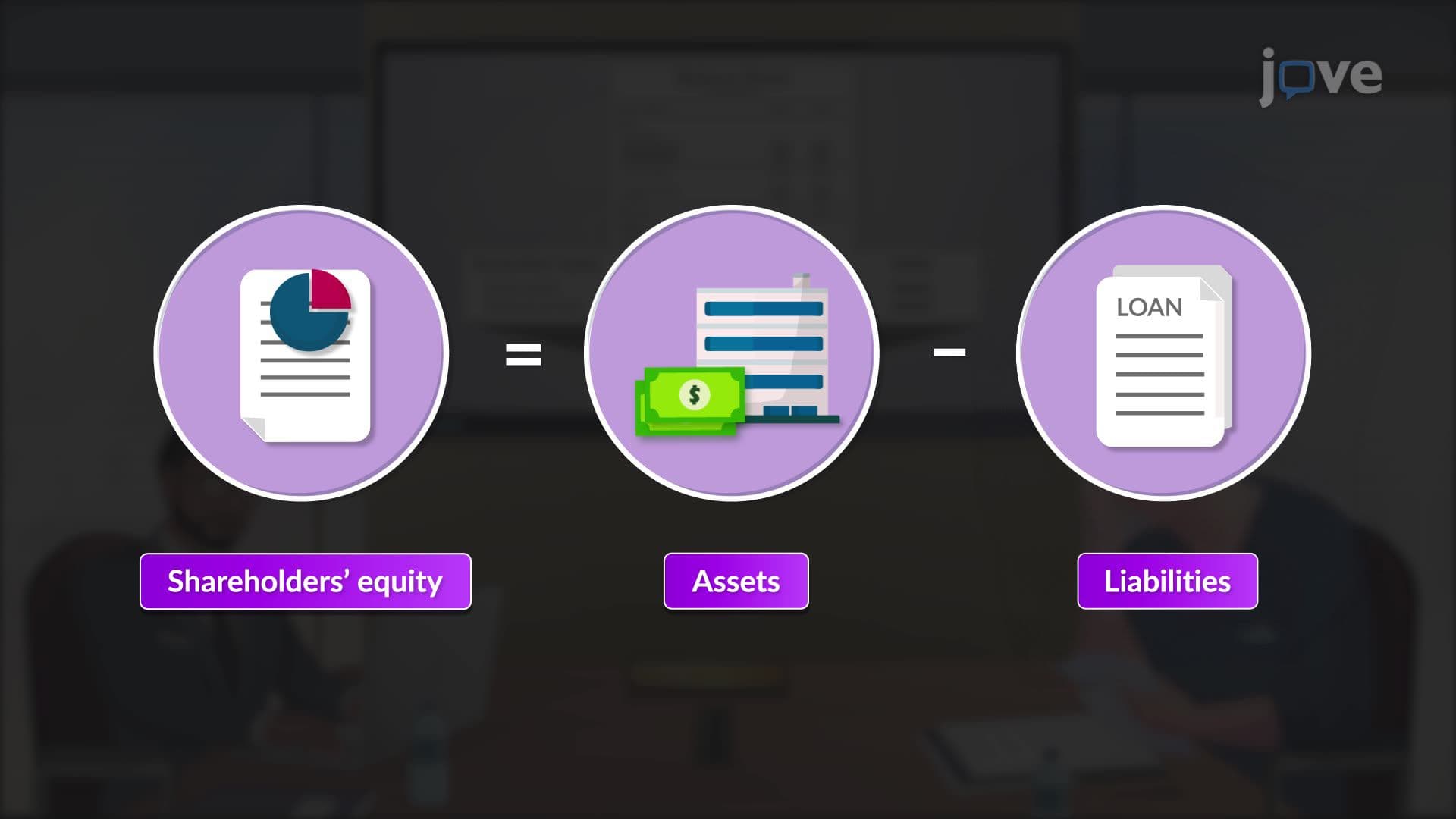
Service vs. retail vs. manufacturing in the balance sheet basics trip up even experienced managers when budget reviews, vendor negotiations, or investor briefings demand cross-industry financial literacy. Understanding service vs. retail vs. manufacturing in the balance sheet helps you read financial reports with sharper context, ask better questions, and make faster decisions under pressure. Watch the full video on JoVE Coach to master this concept with expert-led visuals and step-by-step explanations.
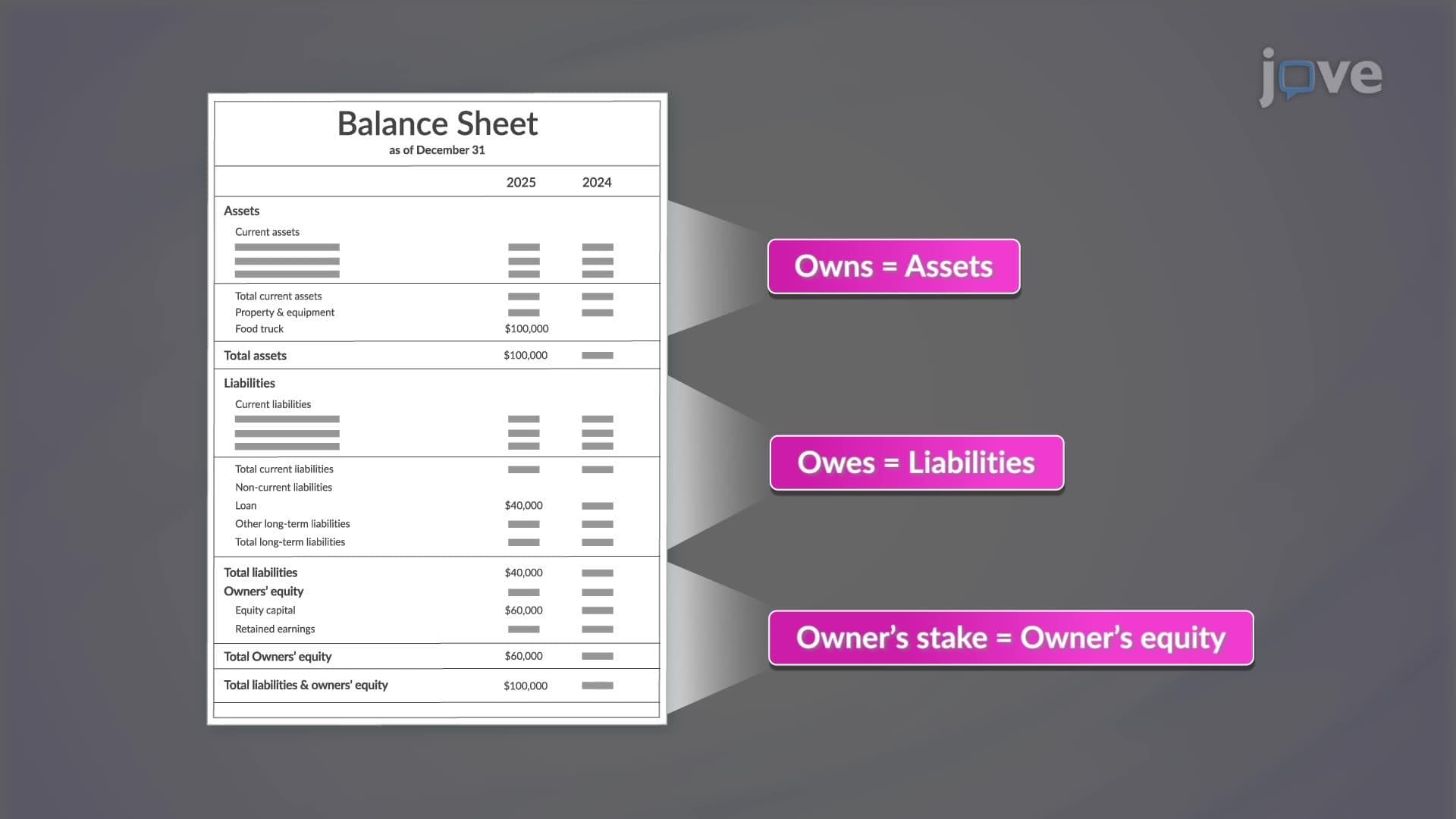
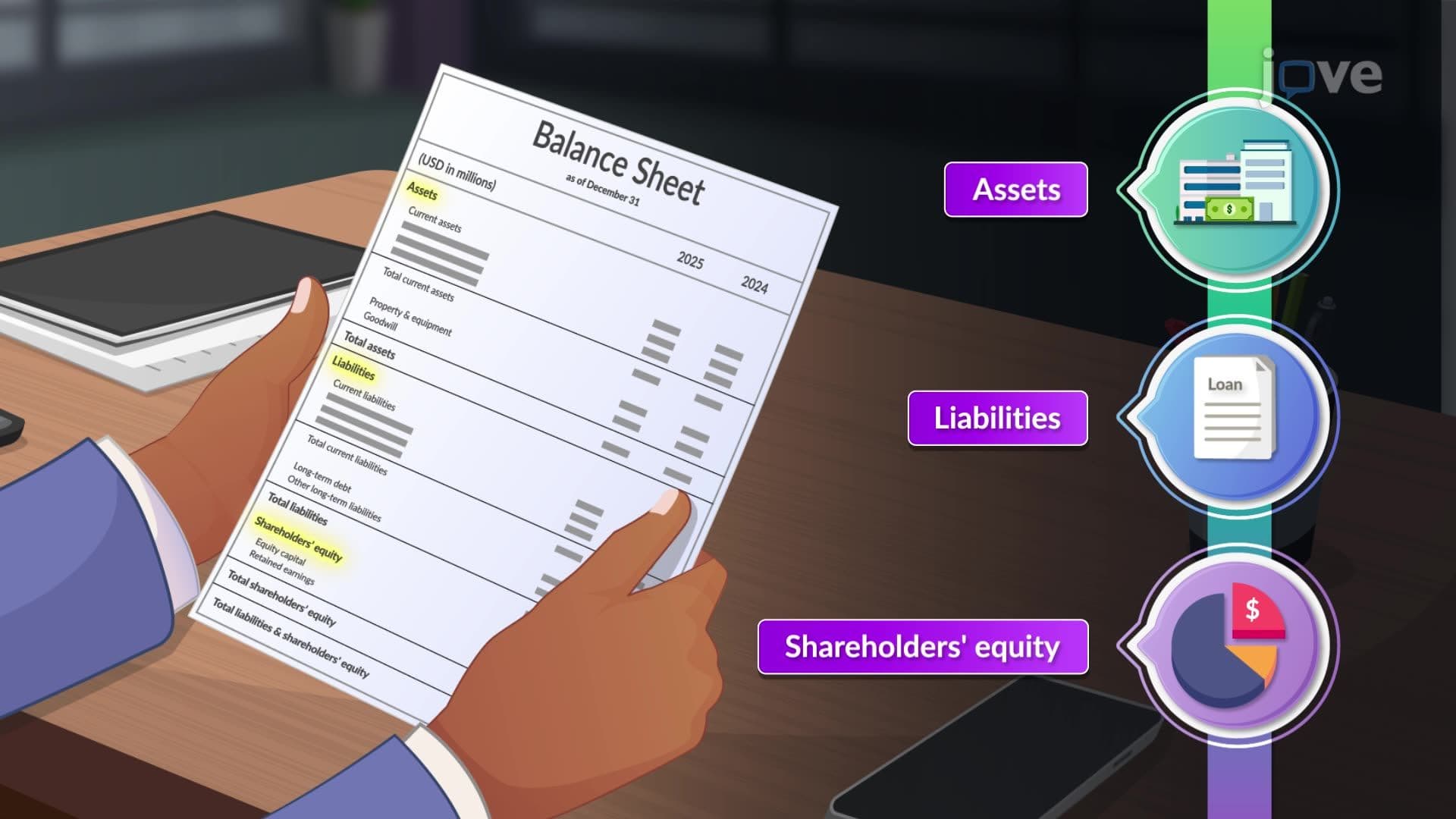
Picture this: you've just stepped into a senior management role, and your first cross-functional review requires you to assess financial health across two business units, one a professional services team, the other running a product distribution operation. The finance deck lands in your inbox. Both balance sheets follow the same structure, but the numbers look nothing alike. If you can't explain why, you lose credibility fast. This is precisely where understanding service vs. retail vs. manufacturing in the balance sheet becomes a practical leadership skill, not just a finance department concern.
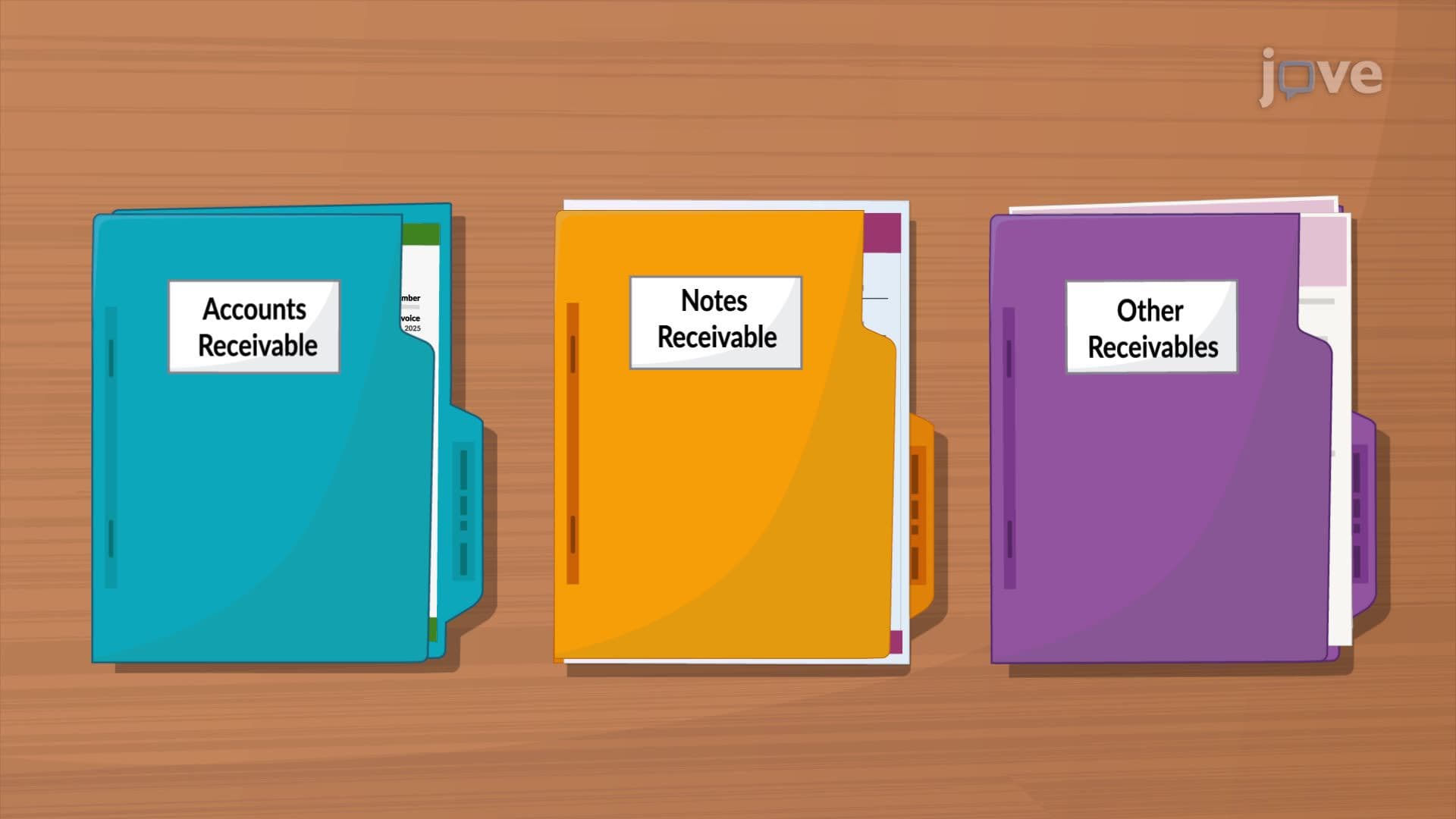
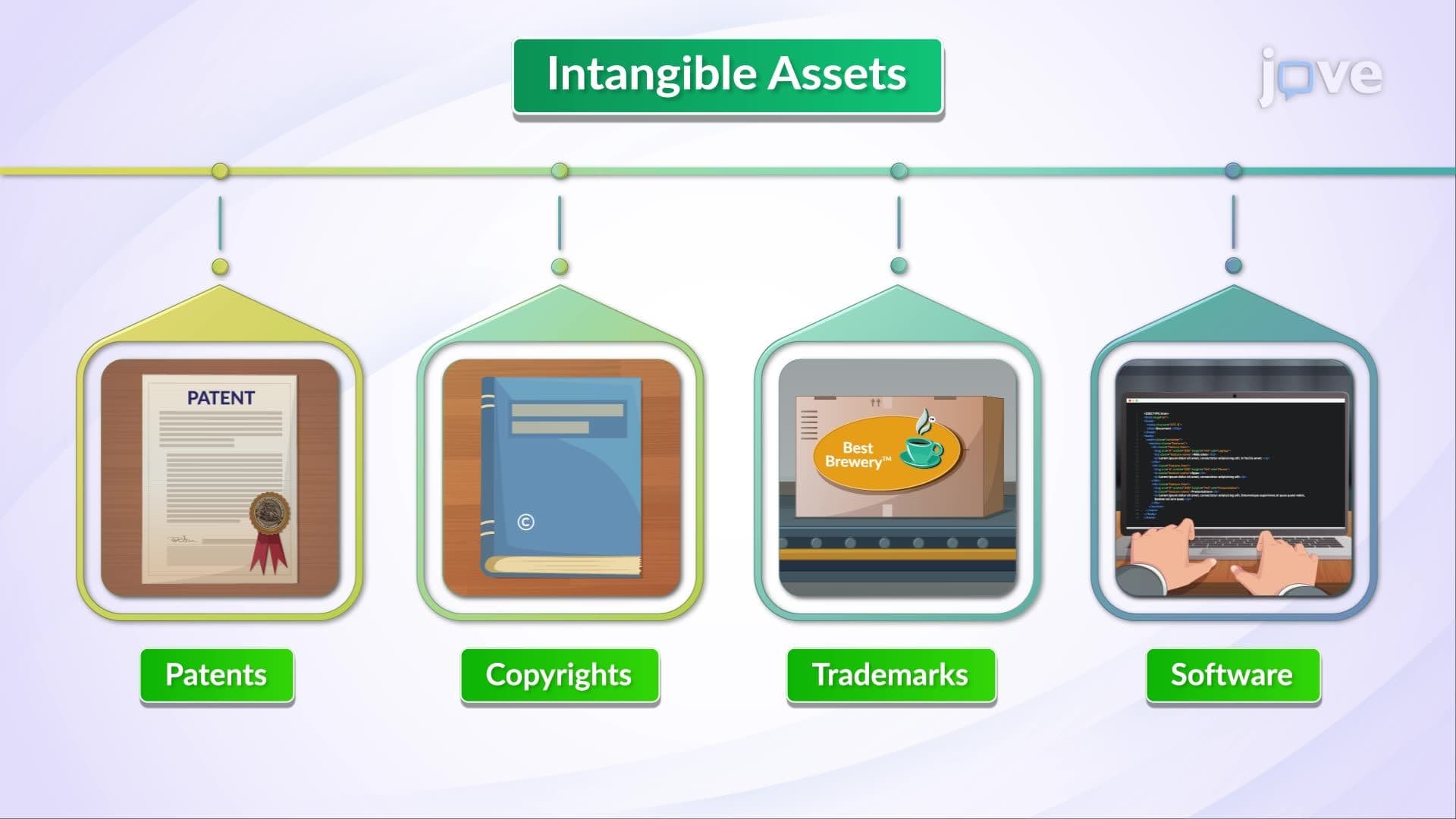
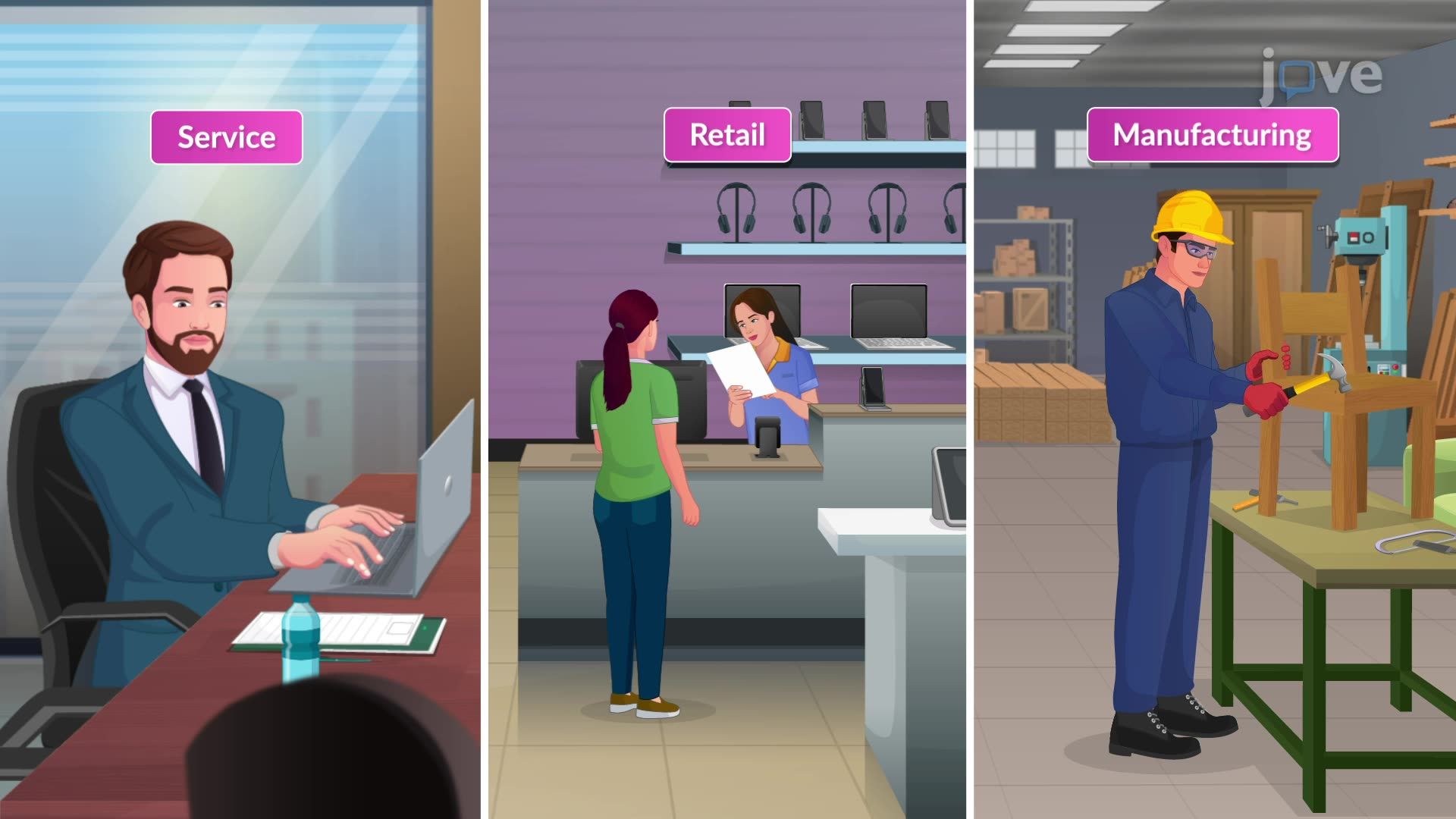
The most common mistake managers make is applying a single mental model to all balance sheets. A service business, think consulting, legal services, or IT support, carries minimal inventory. Its assets are weighted toward accounts receivable, work-in-process (billable hours not yet invoiced), and intangible assets like proprietary software or intellectual property. When managers from product-heavy backgrounds see a balance sheet dominated by receivables and few physical assets, they sometimes misread it as financially weak, when it may actually be extremely healthy.
Retail businesses tell a different story. Their balance sheets are inventory-heavy, with significant accounts payable tied to purchasing cycles. Understanding this helps you read seasonal fluctuations accurately and assess whether stock levels represent opportunity or risk during quarterly reviews.
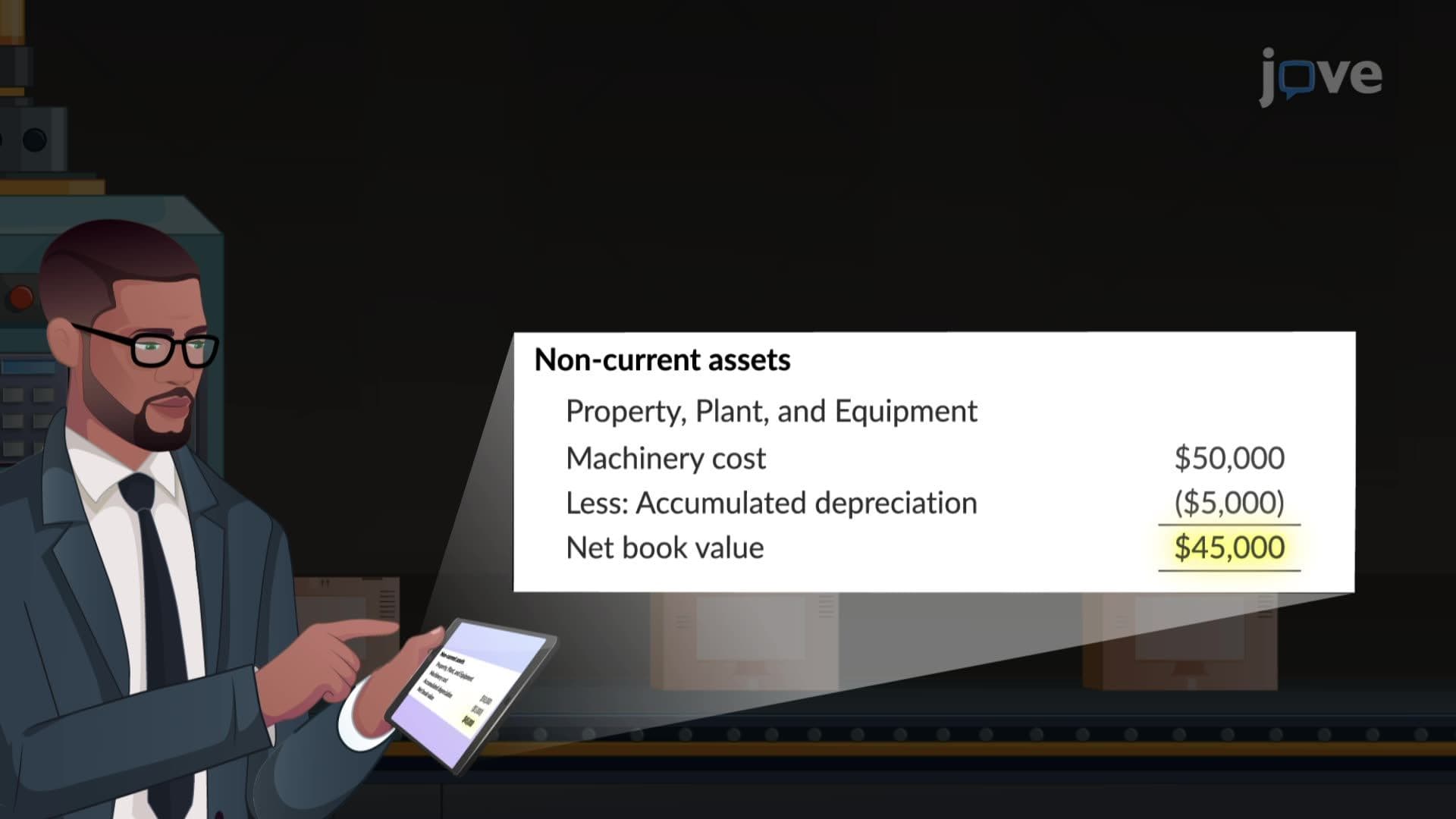
Manufacturing balance sheets are the most structurally complex. They hold raw materials, work-in-progress inventory, and finished goods simultaneously, each at a different stage of value creation. Add in heavy fixed assets like machinery and production facilities, and you're looking at a capital-intensive structure that demands a different lens on liquidity.
Before drawing any conclusions from a balance sheet, apply what you might call an Industry Context Filter, a three-step mental check:
1. Identify the business model, Is this a service, retail, or manufacturing operation? This determines what the dominant asset class should be. 2. Benchmark within sector, Compare liquidity ratios and capital structure against industry norms, not generic averages. A current ratio that signals weakness in retail may be perfectly normal in professional services. 3. Flag the outliers, Look for assets or liabilities that don't fit the expected profile. A service firm with unusually high inventory, or a manufacturer with almost no fixed assets, warrants a deeper conversation with finance.
This filter is particularly useful when you're preparing for skip-level conversations, presenting to senior stakeholders, or onboarding a new team member into a finance-adjacent role.
During your next budget review or business planning session, use the balance sheet structure as a conversation tool, not just a reporting artifact. Ask your finance partner: "What does the asset mix tell us about where we're exposed this quarter?" In a service business, that conversation might center on aging receivables. In retail, it might focus on inventory turnover. In manufacturing, it could be the depreciation schedule on capital equipment.
If you manage a cross-functional team that spans business units with different models, brief your team leads on these structural differences before joint financial reviews. Even a ten-minute pre-meeting alignment, explaining that the manufacturing unit's balance sheet will look capital-heavy compared to the services division, reduces confusion and elevates the quality of the discussion. Financial literacy at this level is a leadership multiplier: it sharpens decisions, strengthens stakeholder trust, and positions you as a manager who leads with business acumen, not just functional expertise.
Related Micro-courses