Loading video…

 20 Concepts
 7.1K views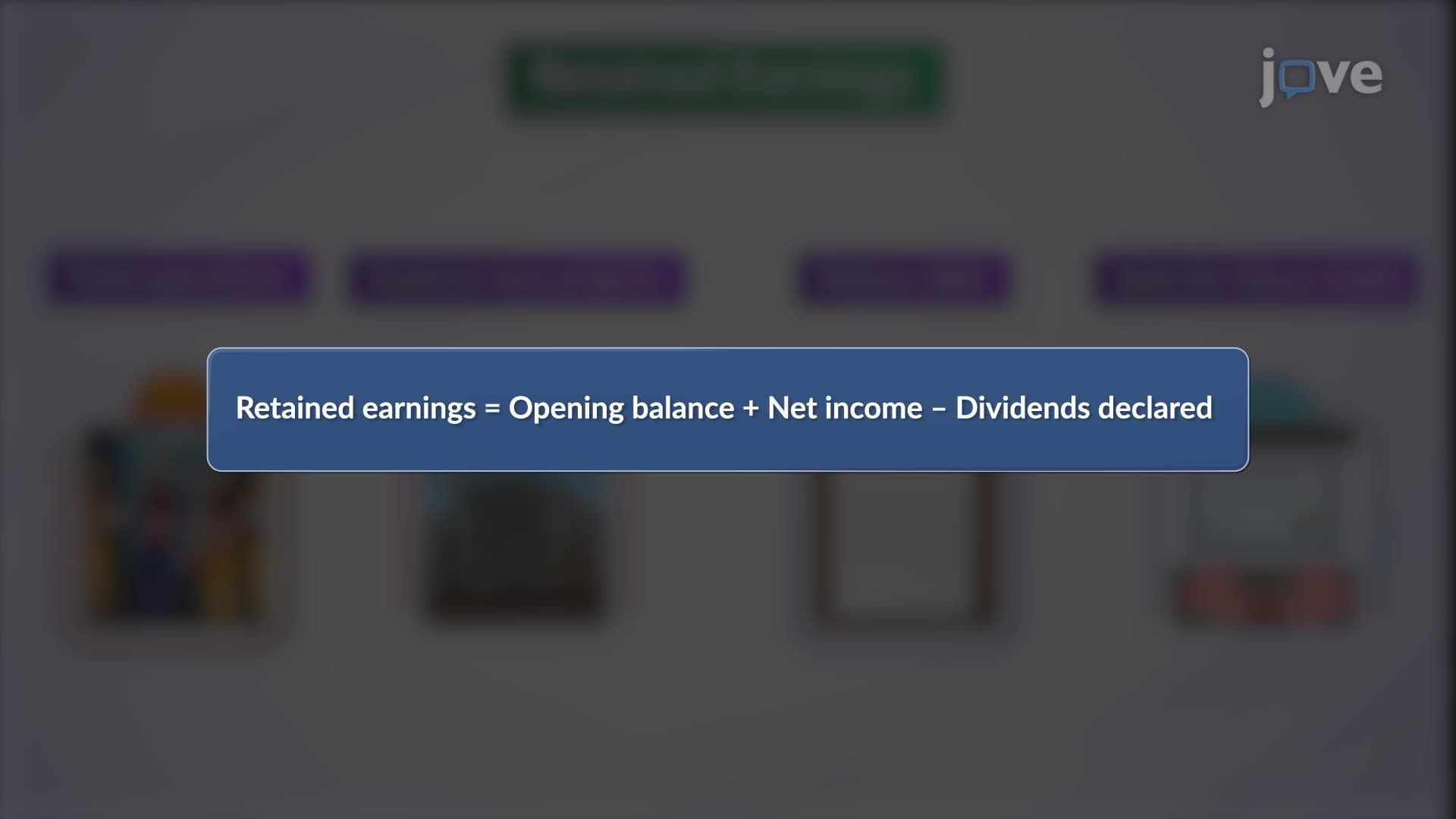

Video Summary: What are Retained Earnings
Retained earnings basics can feel abstract until a budget conversation exposes a gap in your financial fluency. Understanding retained earnings, how profits are reinvested versus distributed, sharpens how you read business performance and make resourcing decisions. Managers who grasp this concept communicate more credibly with finance partners and senior stakeholders. Watch the full video on JoVE Coach to master this concept with expert-led visuals and step-by-step explanations.
Picture this: you're preparing a business case to expand your team's headcount. Finance pushes back, not because the idea lacks merit, but because you haven't demonstrated awareness of where the organization currently stands financially. Retained earnings sit at the heart of that conversation. They represent the cumulative net income a business keeps after paying dividends, money that gets channeled back into operations, new projects, or debt reduction rather than paid out to shareholders. For a manager, understanding this concept transforms you from someone who submits requests into someone who builds compelling, financially grounded arguments.
Most managers think of financial literacy as a finance team problem. That mindset creates blind spots. When retained earnings are high, it often signals that leadership is prioritizing reinvestment and long-term growth over short-term payouts. When they're low or declining, it may indicate financial strain or an aggressive dividend policy. If you can't read those signals, you risk proposing initiatives at the wrong moment, misreading organizational priorities, or losing credibility in budget conversations. The gap isn't intelligence, it's exposure. Most management development focuses on people skills and largely ignores balance sheet fluency.
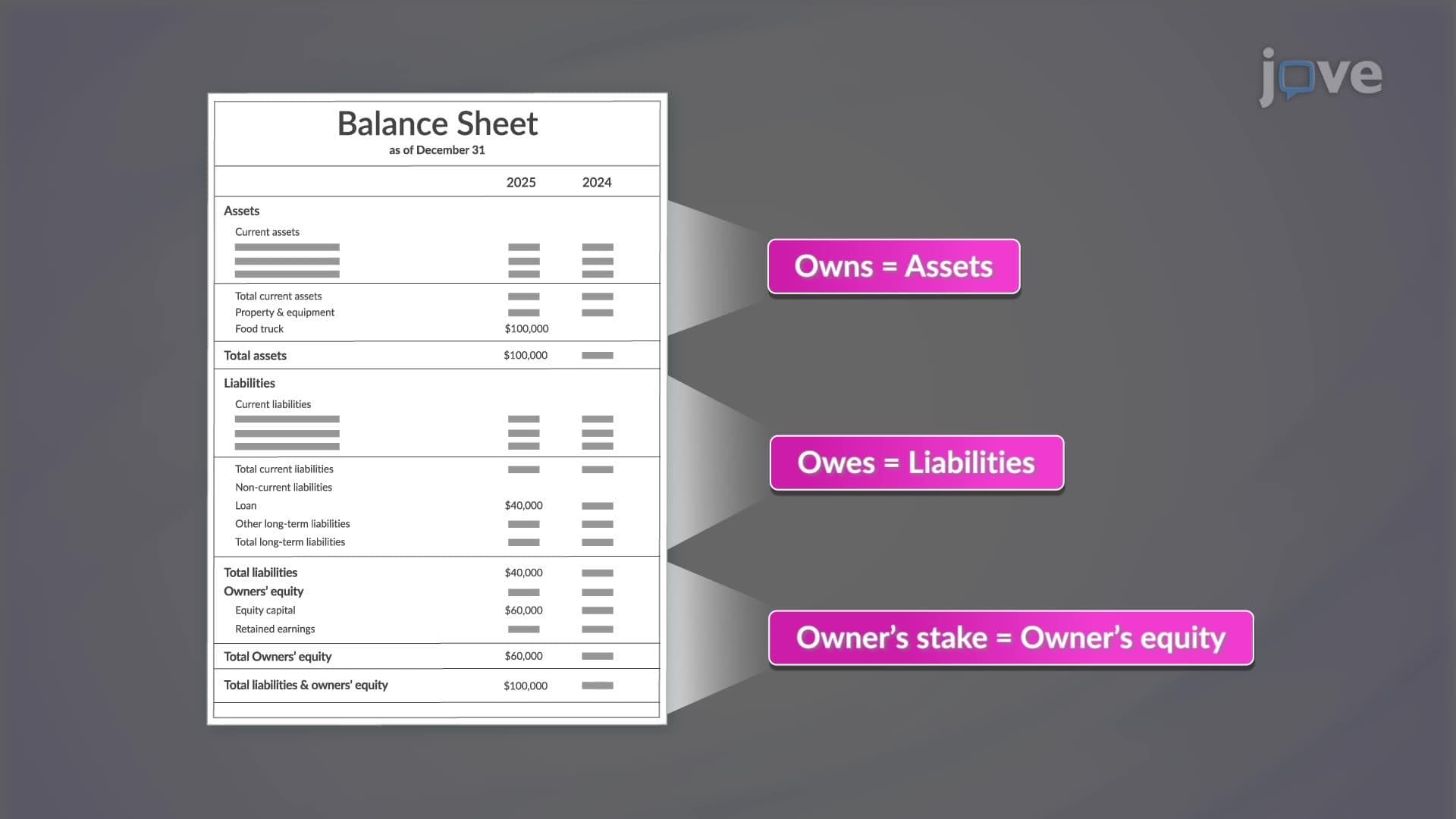
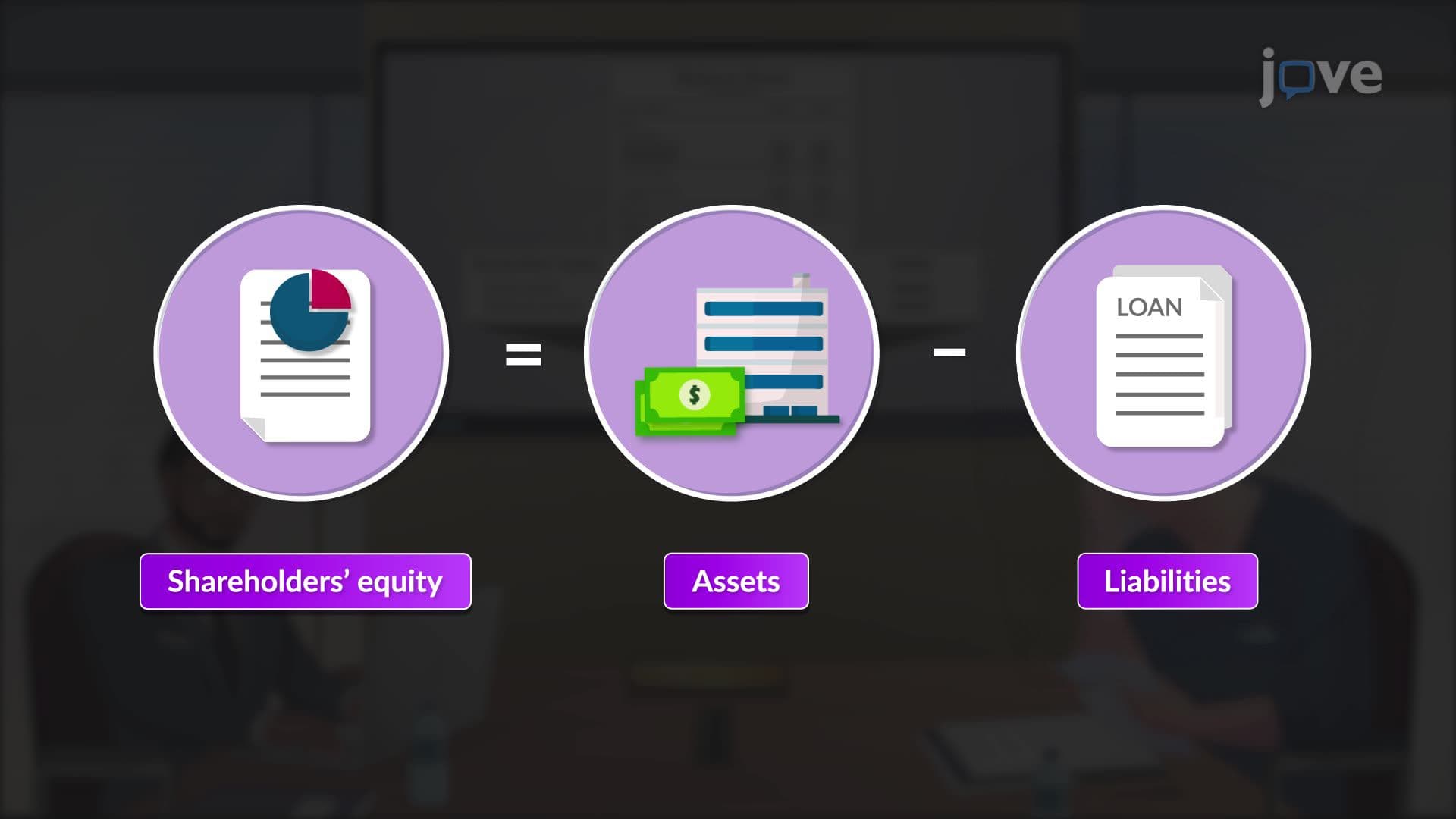
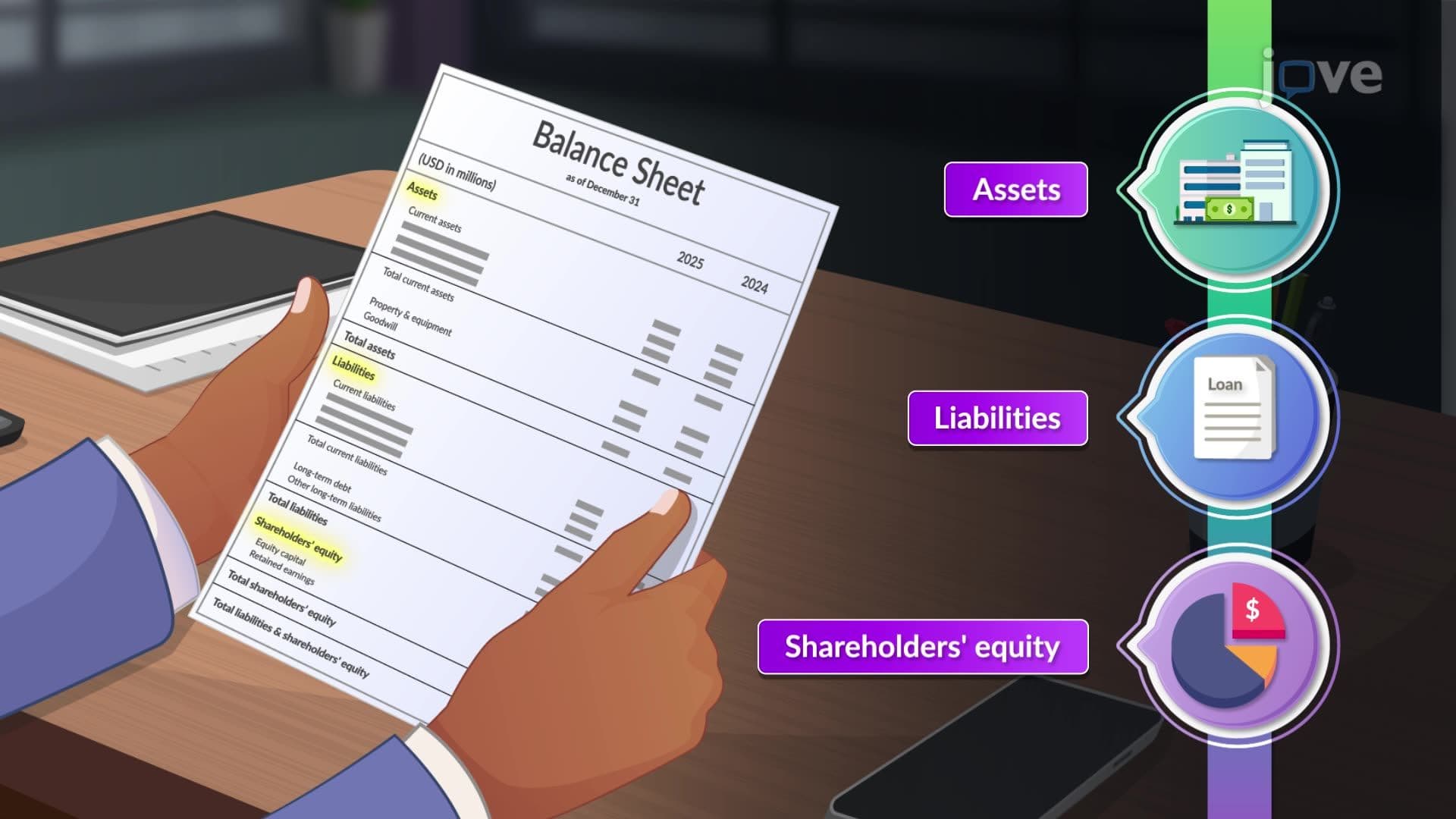
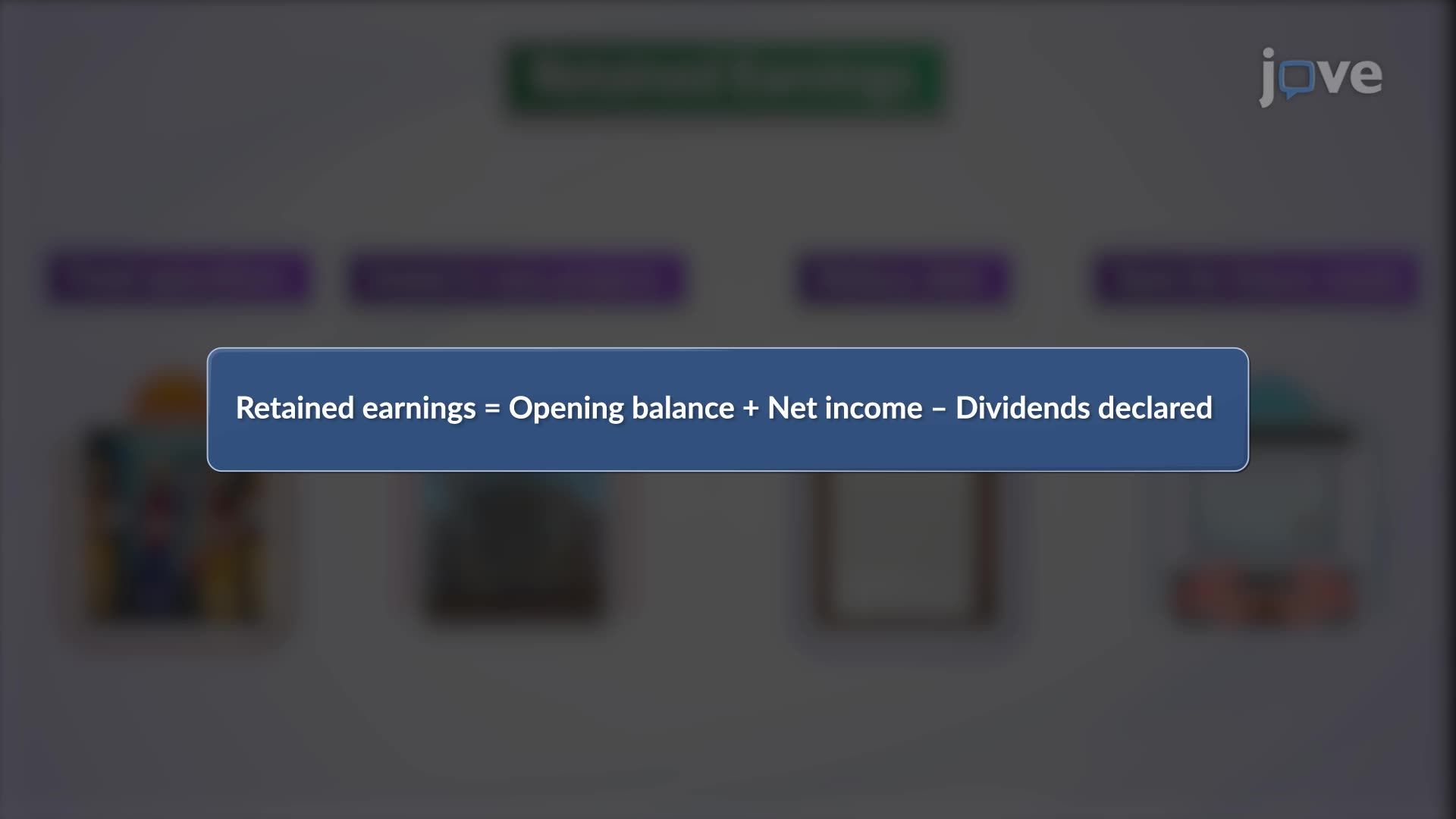
The retained earnings formula is straightforward: Opening Retained Earnings + Net Income − Dividends Declared = Closing Retained Earnings. Apply this across accounting periods and you begin to see a trend line, not just a number. Managers who track this trend alongside their team's cost centers start to understand how operational efficiency directly feeds organizational financial health. Use this as a conversation framework in your next stakeholder meeting: reference the balance sheet components (assets, liabilities, equity), ask where retained earnings are trending, and position your team's work as a direct contributor to that trajectory. This reframes your team from a cost center to a value driver.
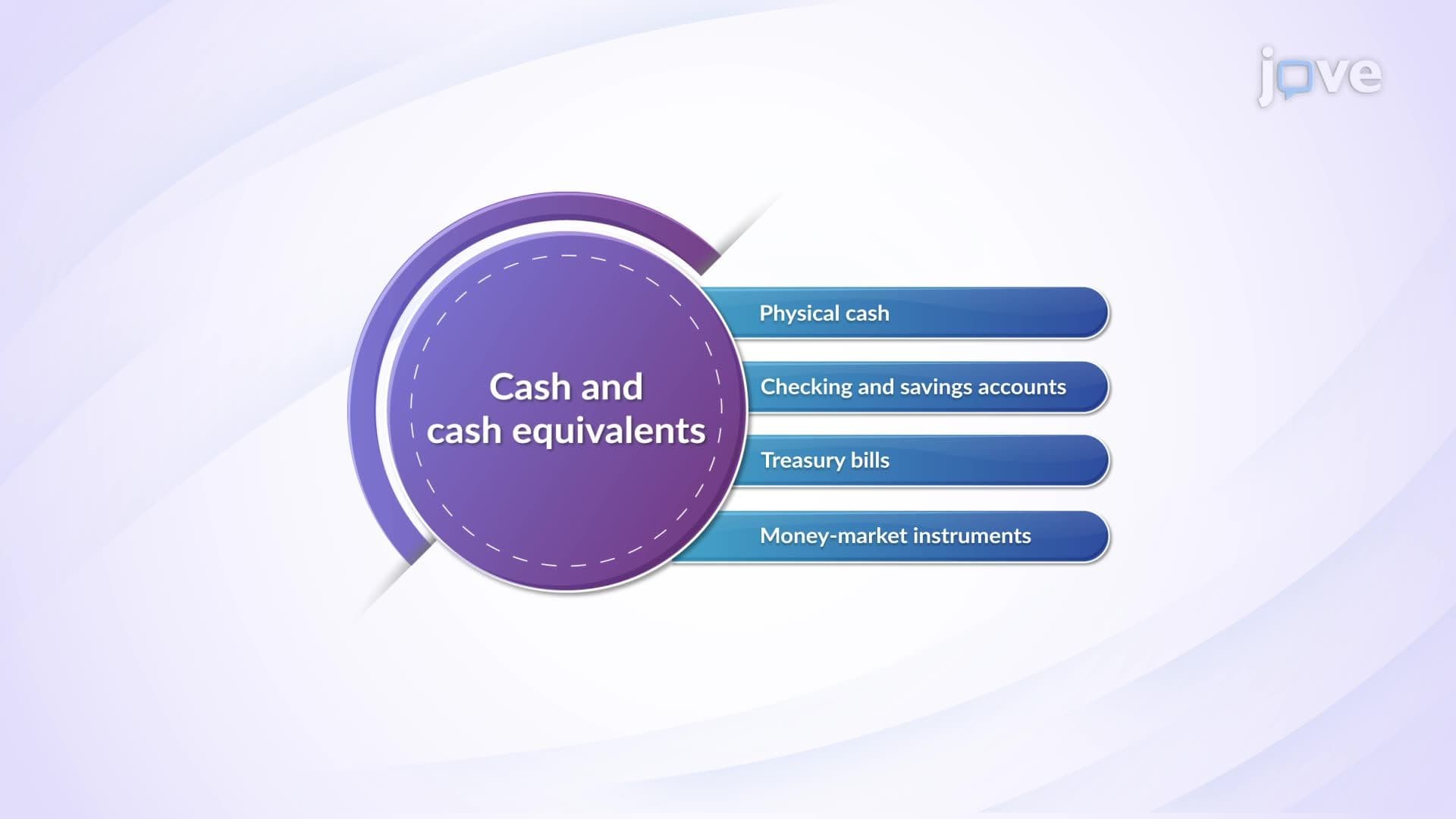
The most common mistake is treating high retained earnings as unconditionally good news. In reality, sustained high balances without dividend distribution can signal that leadership is hoarding capital rather than deploying it, a concern for investors seeking regular income and a potential red flag for organizational momentum. A second mistake is ignoring the relationship between retained earnings and liquidity ratios. A business can show strong retained earnings on paper while still facing cash flow pressure, because retained earnings don't equal cash on hand. Always cross-reference the balance sheet with cash flow data before drawing conclusions. In practical terms: if you're making workforce or project decisions, consult both. A third mistake is treating retained earnings as a static snapshot rather than a dynamic story. Use the trial balance and prior accounting period data together to trace the arc of financial decision-making, that's where the real strategic insight lives.
Related Micro-courses