Loading video…

 16 Concepts
 5.7K views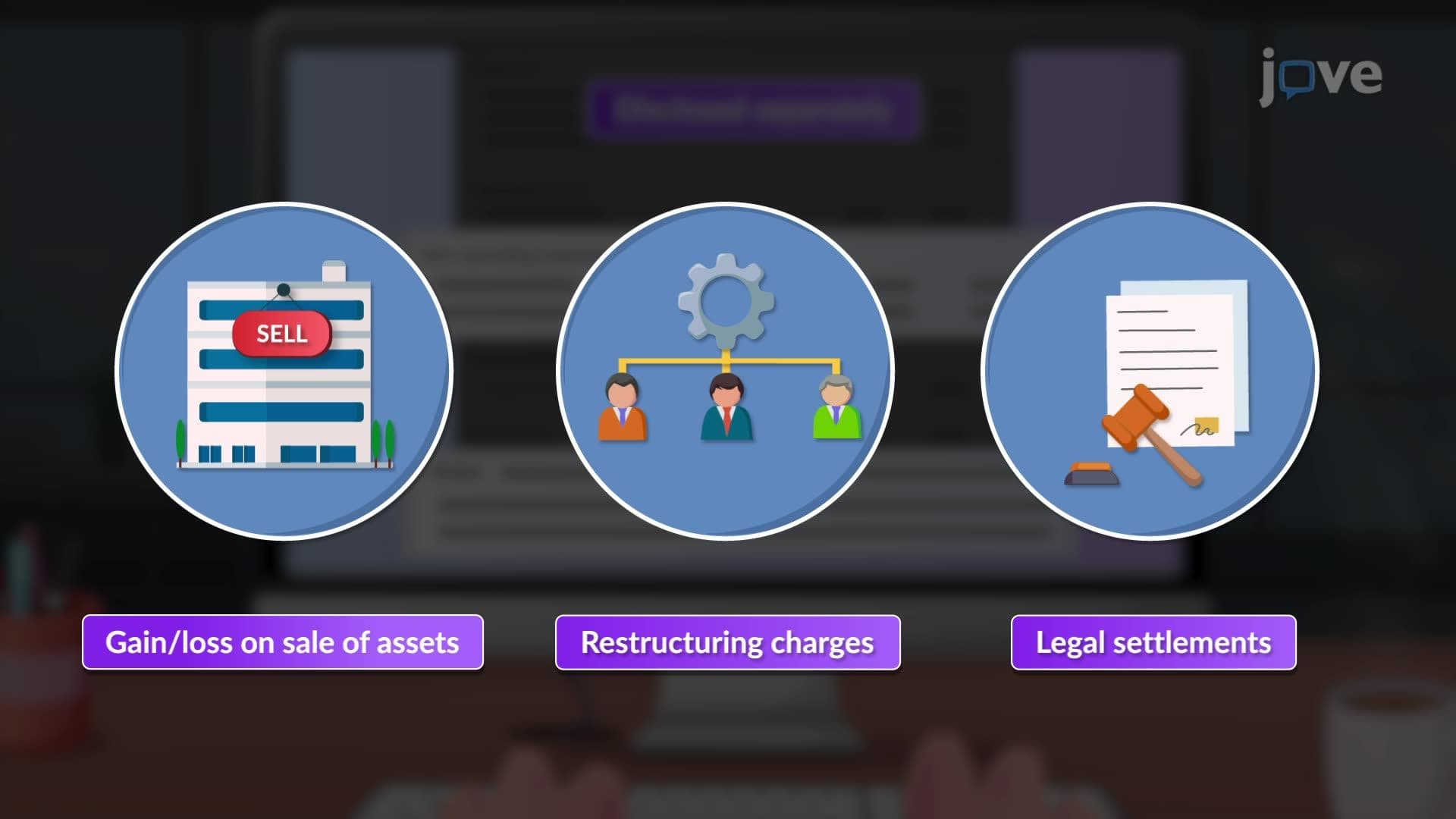

Video Summary: Unique Items in Different Industries Explained
Unique items in different industries basics trip up managers when reviewing financial reports, especially when one-time charges distort the true picture of team or business performance. Understanding unique items in different industries helps you separate genuine operational results from temporary disruptions like disaster losses or legal settlements. Strong leaders read past the noise in financial data. Watch the full video on JoVE Coach to master this concept with expert-led visuals and step-by-step explanations.
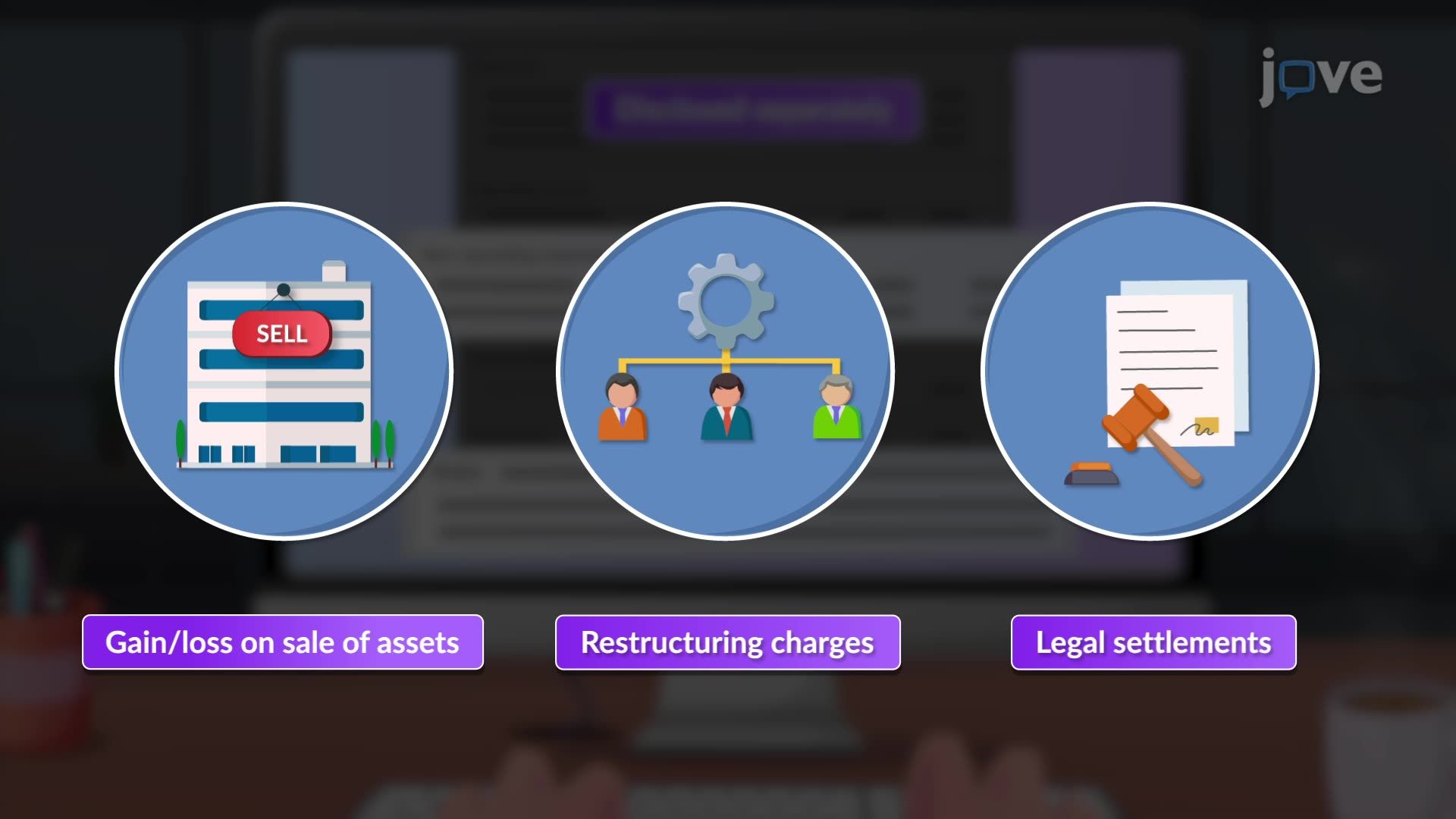
You're sitting in a quarterly business review when the numbers look dramatically worse than last quarter. Revenue is flat, but the loss column has spiked. Your instinct is concern, but before you react, there's a critical question every sharp manager asks: *Is this a real operational problem, or is something nonrecurring distorting the picture?* That question sits at the heart of unique items in different industries.
Most managers are trained to track revenue, expenses, and net income as continuous trend lines. The problem is that a single unusual event, a legal settlement, an asset write-down, a natural disaster recovery cost, can make a high-performing quarter look like a failure or mask a structural decline. When reviewing a profit and loss statement, managers who don't distinguish between recurring and nonrecurring items risk making operational decisions, headcount freezes, budget cuts, investment pauses, based on noise rather than signal. The skill gap isn't financial literacy per se; it's the habit of asking, *"Would this item appear again next quarter under normal conditions?"*
A reliable approach is the Recurring vs. Nonrecurring Filter, applied in three steps:
1. Flag the item, Does this line item appear in prior periods? If it's isolated to one reporting period, treat it as a candidate for reclassification in your analysis. 2. Assess operational relevance, Is this item tied to core business activity (like Cost of Goods Sold or standard operating expenses) or to a discrete external event (like a flood, acquisition, or legal judgment)? 3. Adjust your lens, Strip the item out mentally when evaluating true EBITDA and net margin performance. Most finance teams will do this formally, but as a manager, doing it instinctively makes you a sharper conversation partner in any business review.
For example, if a logistics disruption forces your division to write off damaged inventory and absorb emergency repair costs in one quarter, your net margin will look anomalous. A stakeholder reading the headline number without context will draw the wrong conclusions. Your job as a manager is to proactively frame the adjusted picture before the question is asked.
Unique items don't stay in one department. A large charge in operations, say, a facilities write-off, can cascade into how a finance team accounts for credit risk, how a procurement team adjusts supplier terms, and how HR plans resource allocation. Understanding how provision for credit losses works in a lending context, for instance, helps operations and commercial managers anticipate how financial partners will respond to disruption. This cross-functional awareness is what separates reactive managers from strategic ones.
When briefing upward or laterally, use the Context-Cause-Impact (CCI) frame: explain the *context* of the unusual item, the *cause* that triggered it, and the *impact* on forward-looking performance expectations. This keeps stakeholders informed and prevents misinterpretation of revenue recognition anomalies or one-time expense spikes.
The most frequent error managers make is treating unusual items as confirmation of a trend, either catastrophizing a one-time loss or dismissing a genuine structural problem by labeling it nonrecurring when it isn't. The second mistake is staying silent in financial reviews rather than asking clarifying questions about what's included in reported figures. Strong managers ask the finance team directly: *"Are there nonrecurring items in this period that we should adjust for before drawing conclusions?"* That single question signals financial acumen and earns credibility in leadership conversations. The ability to read past surface-level numbers, and communicate what they really mean, is a tangible differentiator at every level of management.
Related Micro-courses