Loading video…

 21 Concepts
 7.4K views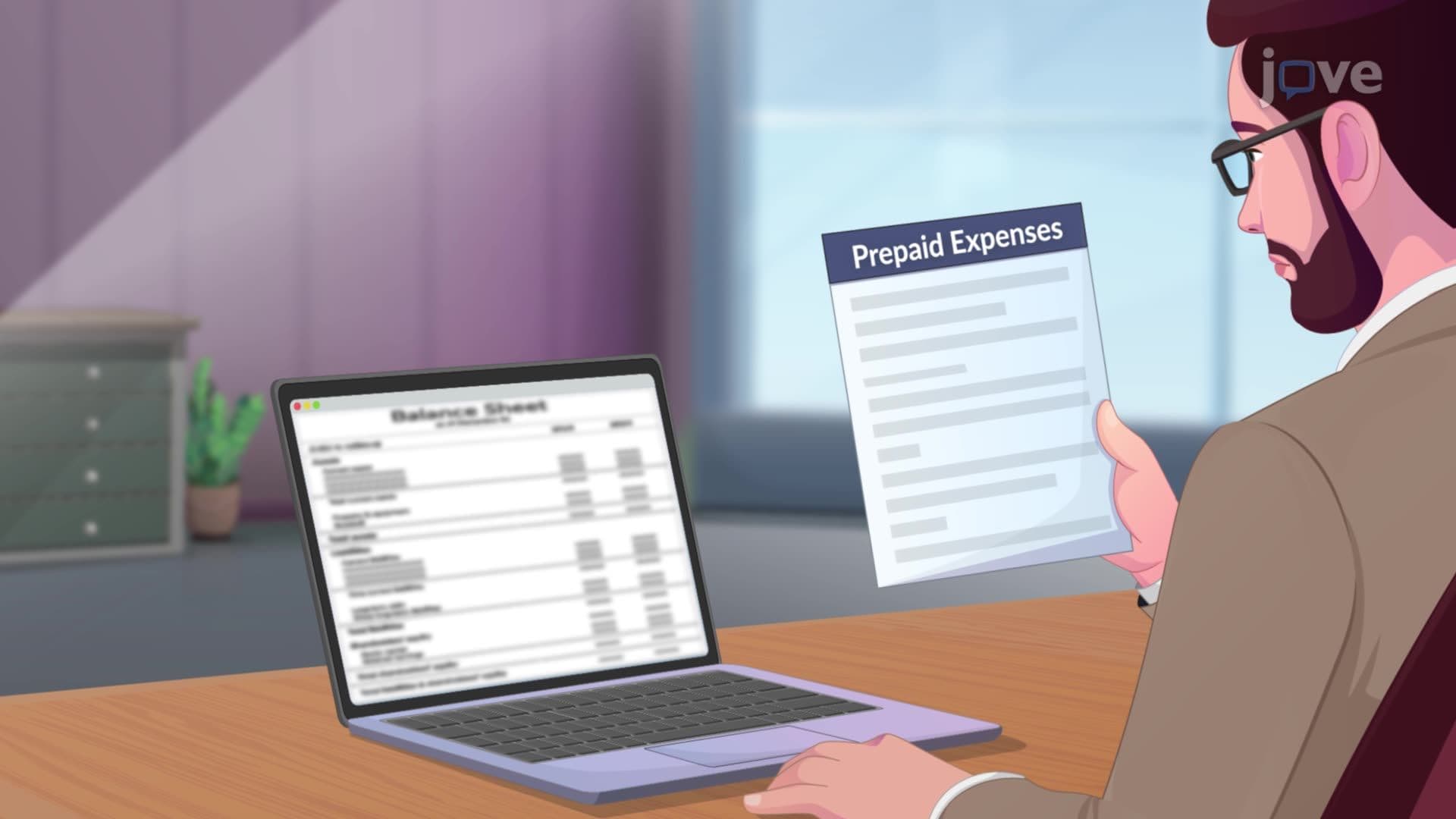

Video Summary: What are Prepaid Expenses
Prepaid expenses basics trip up many managers when they first own a budget or sign off on vendor contracts. Understanding what are prepaid expenses, and how they move from asset to cost over time, sharpens how you read financial reports and catch billing errors before they distort your team's numbers. Watch the full video on JoVE Coach to master this concept with expert-led visuals and step-by-step explanations.
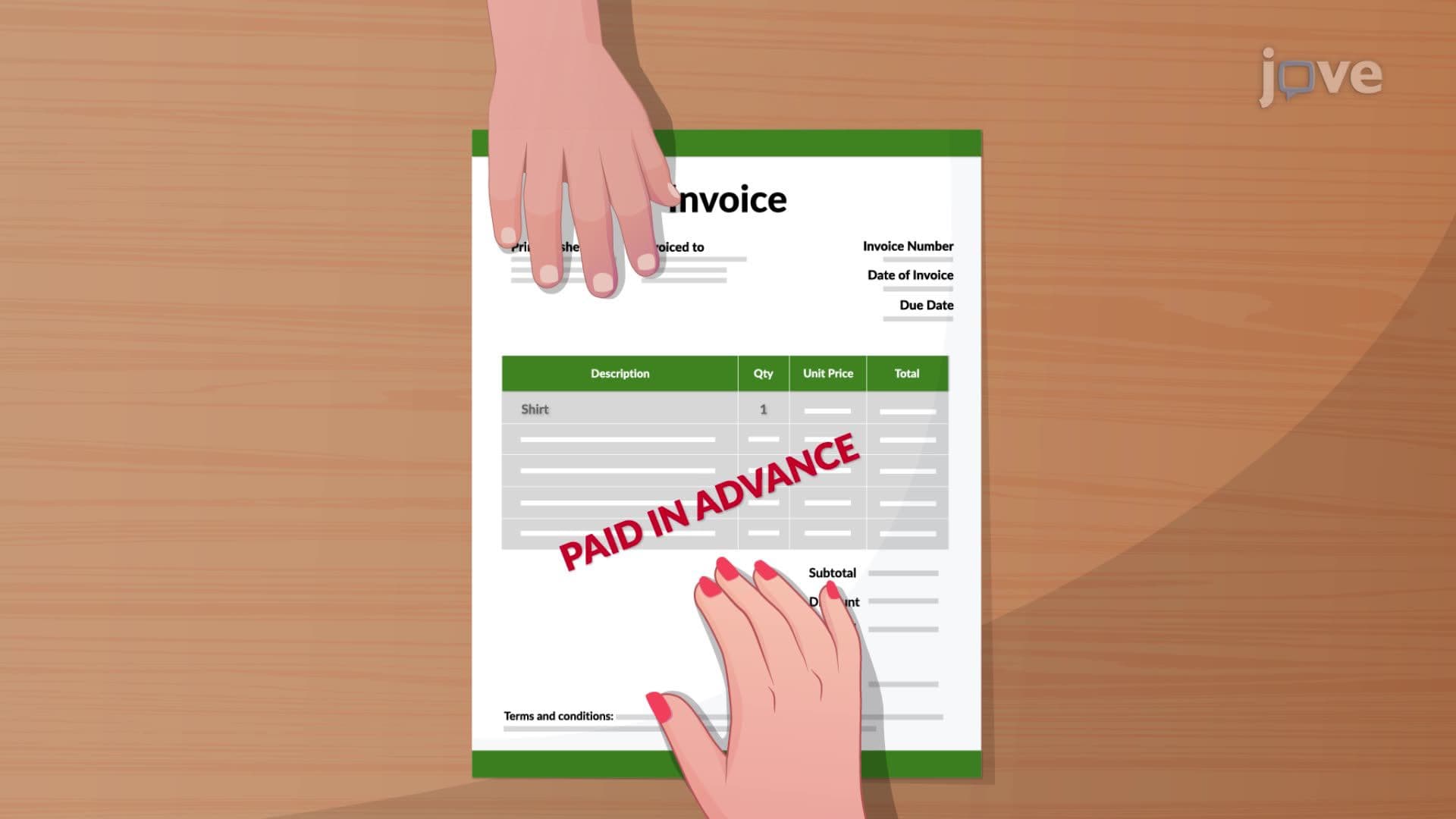
Picture this: your team just renewed an annual software subscription and the invoice, covering the next twelve months, lands on your desk for approval. You sign off, the payment goes out, and a week later you check the monthly budget report expecting to see a large expense line. Instead, it barely registers. Your finance partner explains the payment was recorded as a prepaid asset. If that explanation left you nodding politely while feeling uncertain, you are not alone. Most managers encounter prepaid expenses regularly without ever fully understanding the mechanics, and that gap can quietly undermine your ability to manage a budget with confidence.
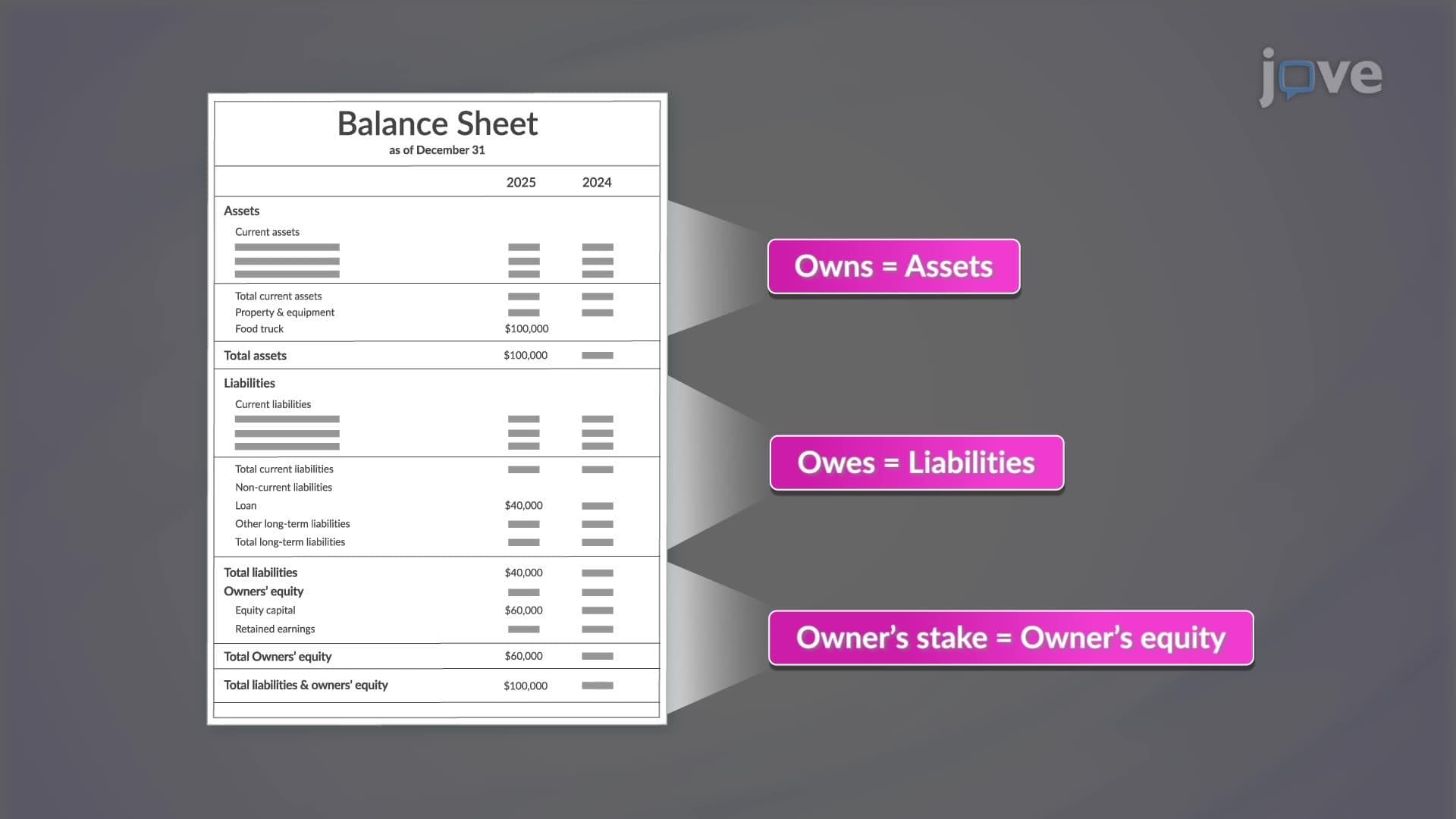
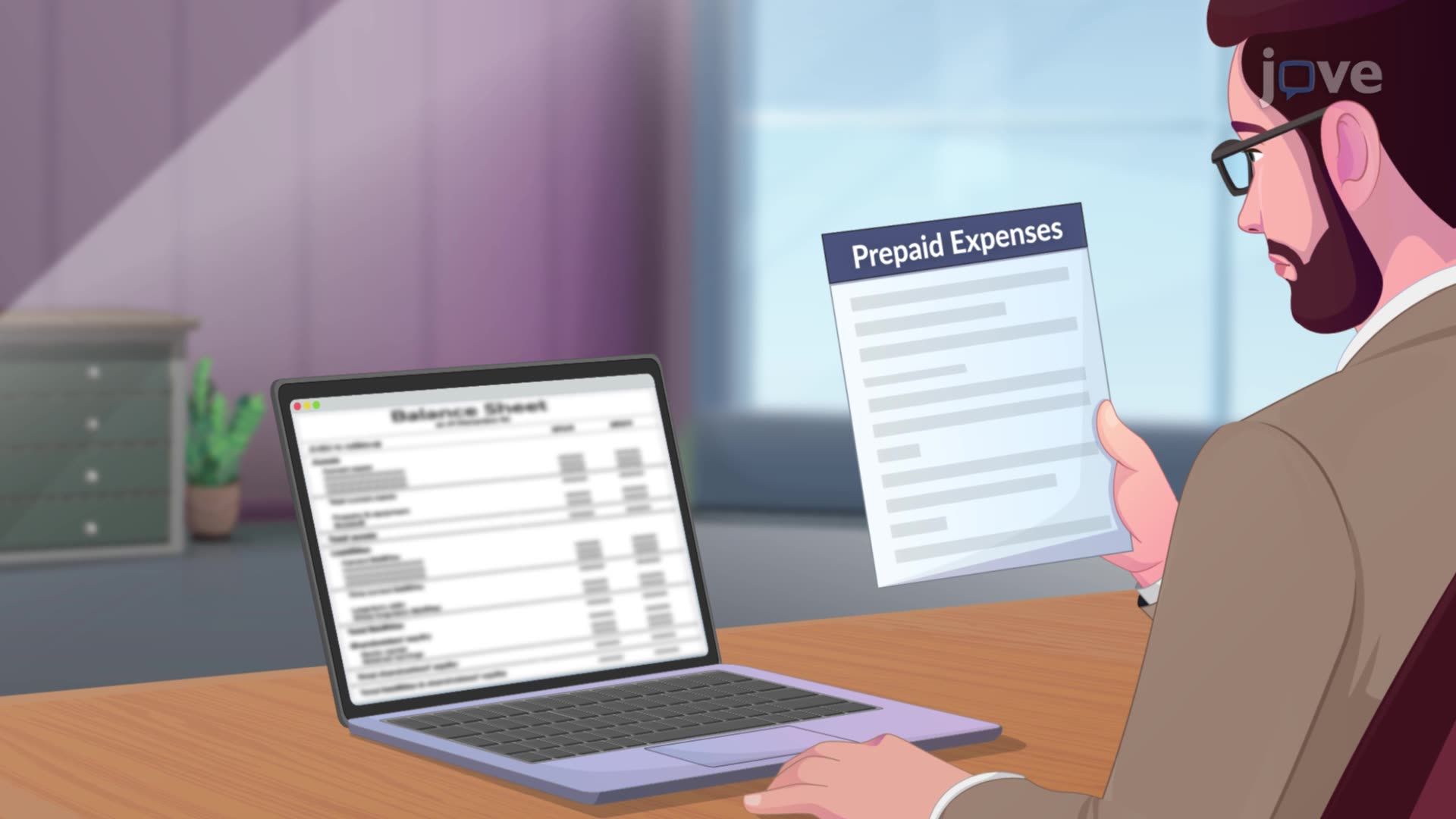
The core confusion is intuitive: you paid the money, so why isn't it an expense yet? The answer lies in a foundational principle of accrual accounting, expenses are recognized in the period when the benefit is received, not when the cash leaves the account. A prepaid expense sits on the balance sheet as a current asset because the business has paid for something it has not yet used. As time passes and the benefit is consumed, month by month, the asset is gradually reduced and an expense is recognized. Managers who miss this logic often misread budget reports, mistake a healthy cash position for low spending, or question finance teams unnecessarily.
Apply a simple three-step mental model whenever you approve an advance payment:
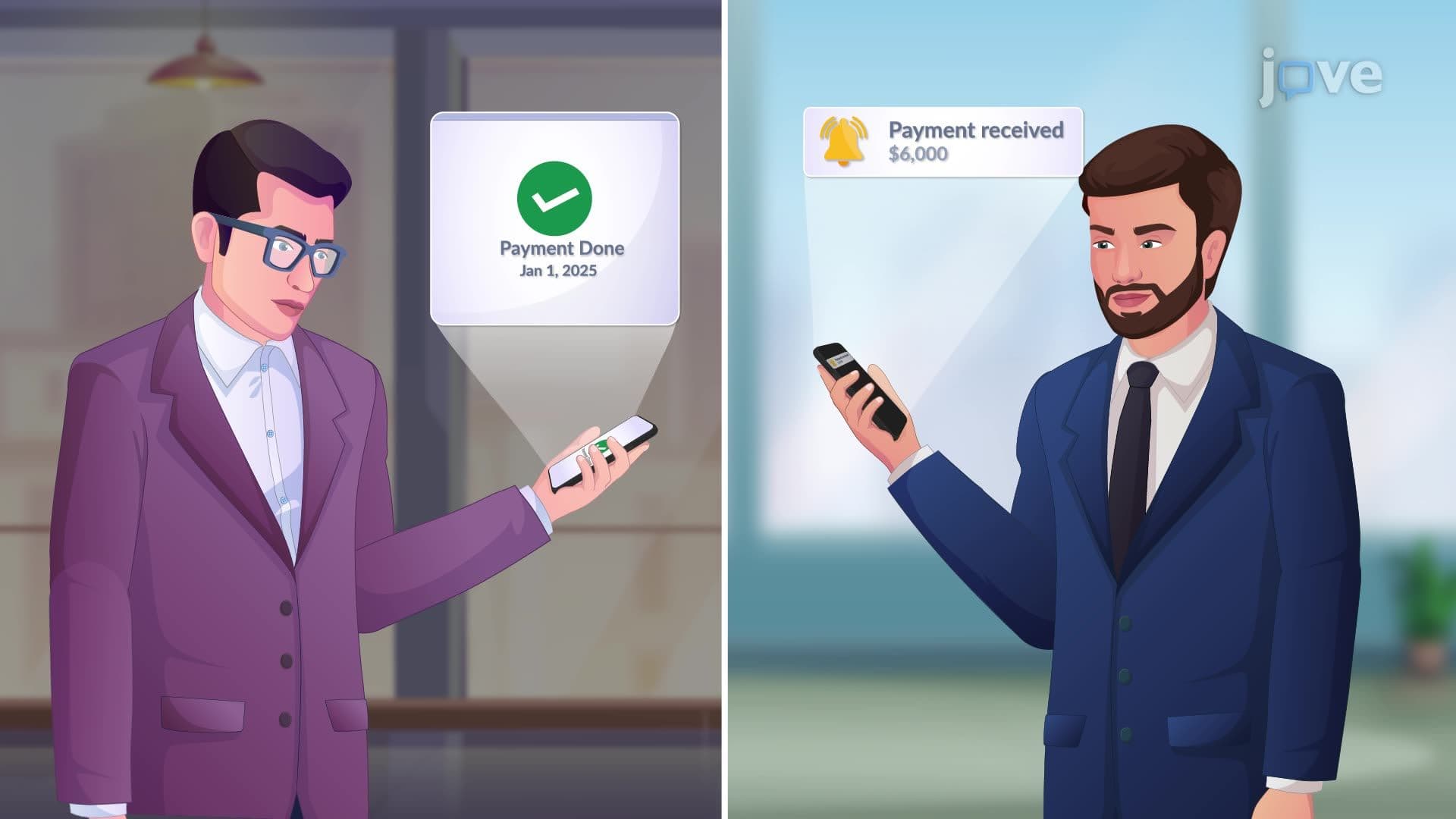
1. Payment date, Cash leaves the account; a prepaid asset is created on the balance sheet. Nothing hits the profit-and-loss statement yet. 2. Amortization period, The asset is expensed in equal installments across the periods of benefit. A twelve-month insurance policy worth six thousand dollars, for example, generates five hundred dollars of recognized expense each month for twelve months. 3. Full consumption, Once the benefit period ends, the prepaid balance reaches zero and the full cost has been recognized as an expense.
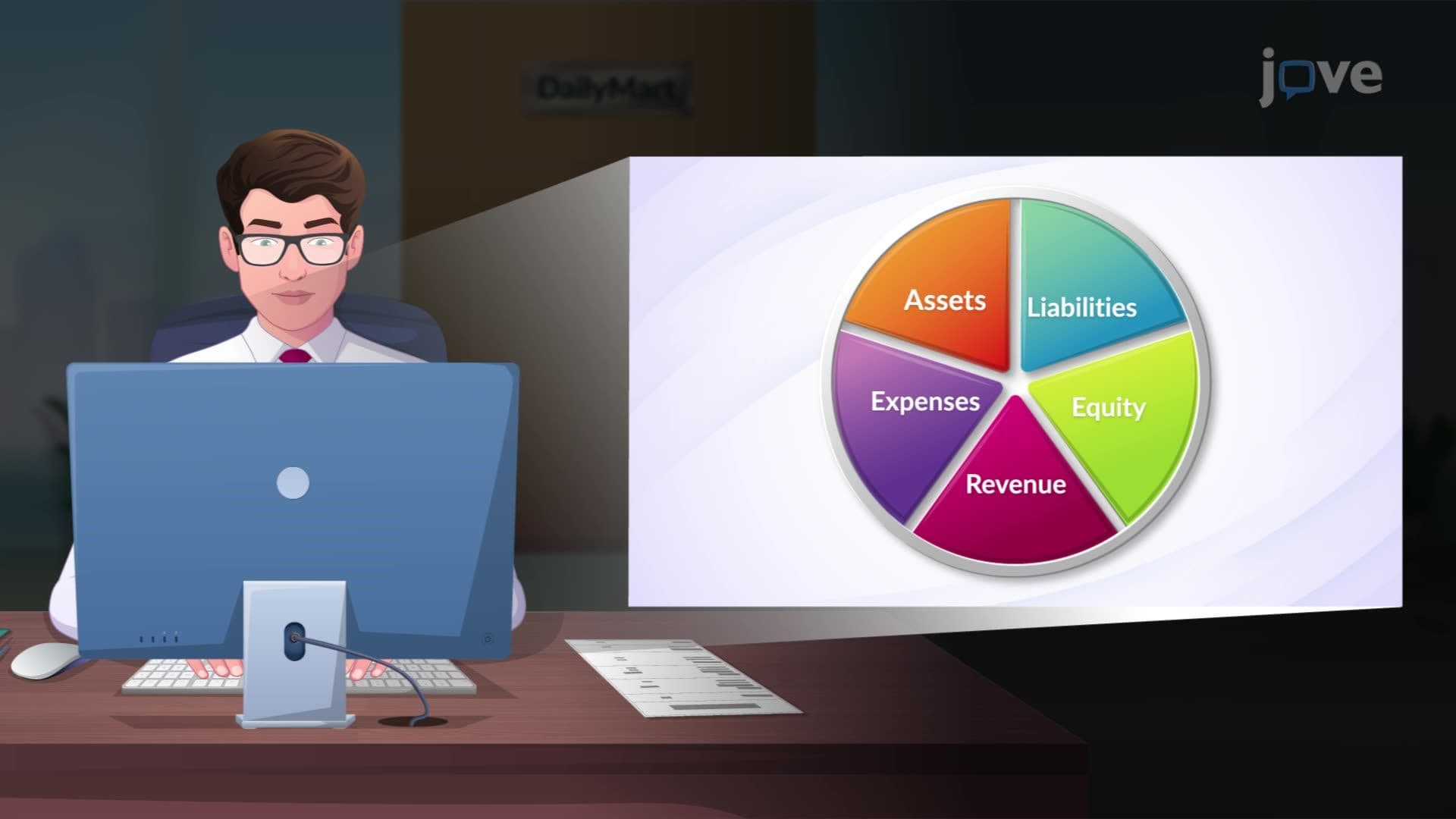
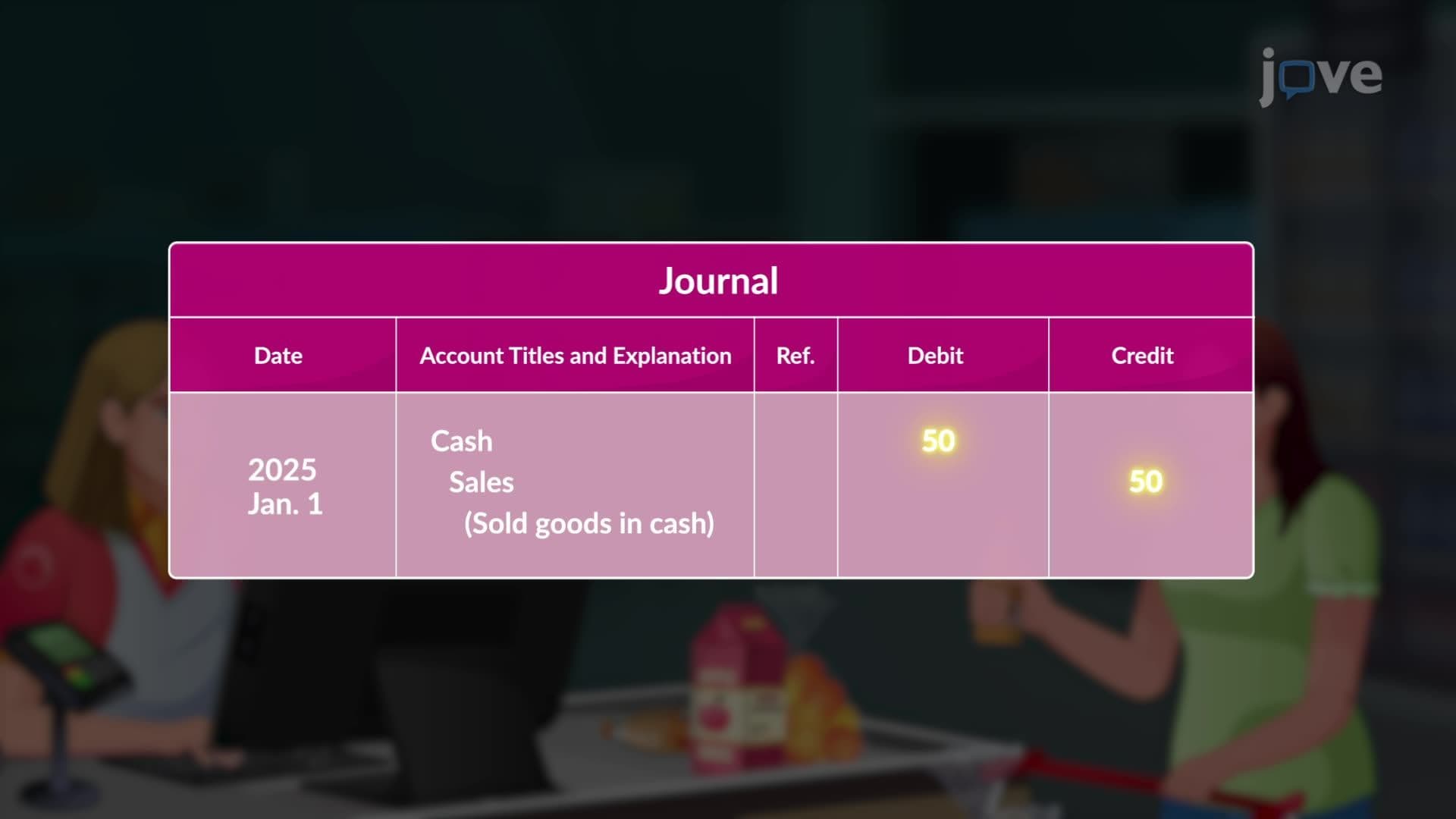
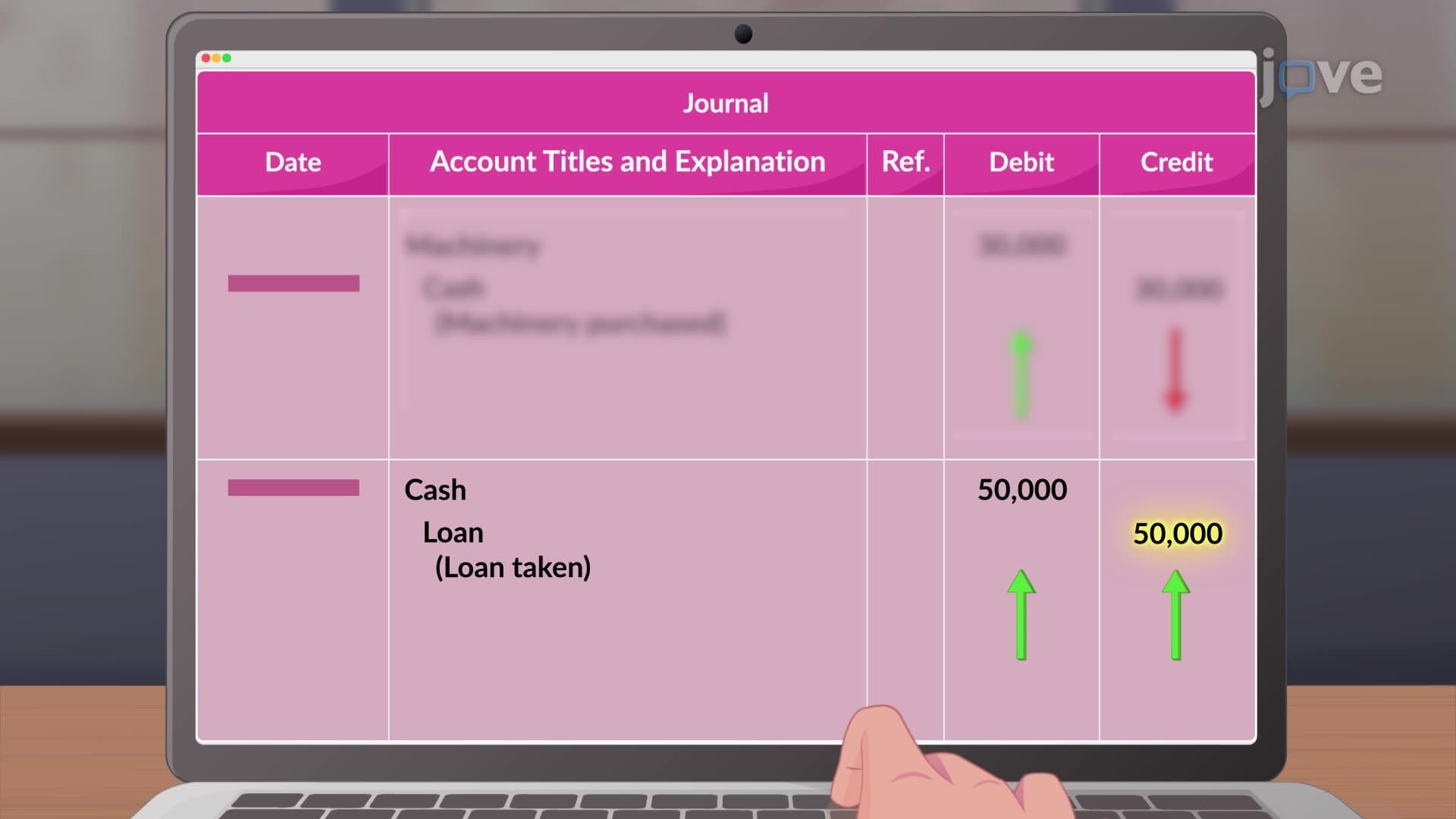
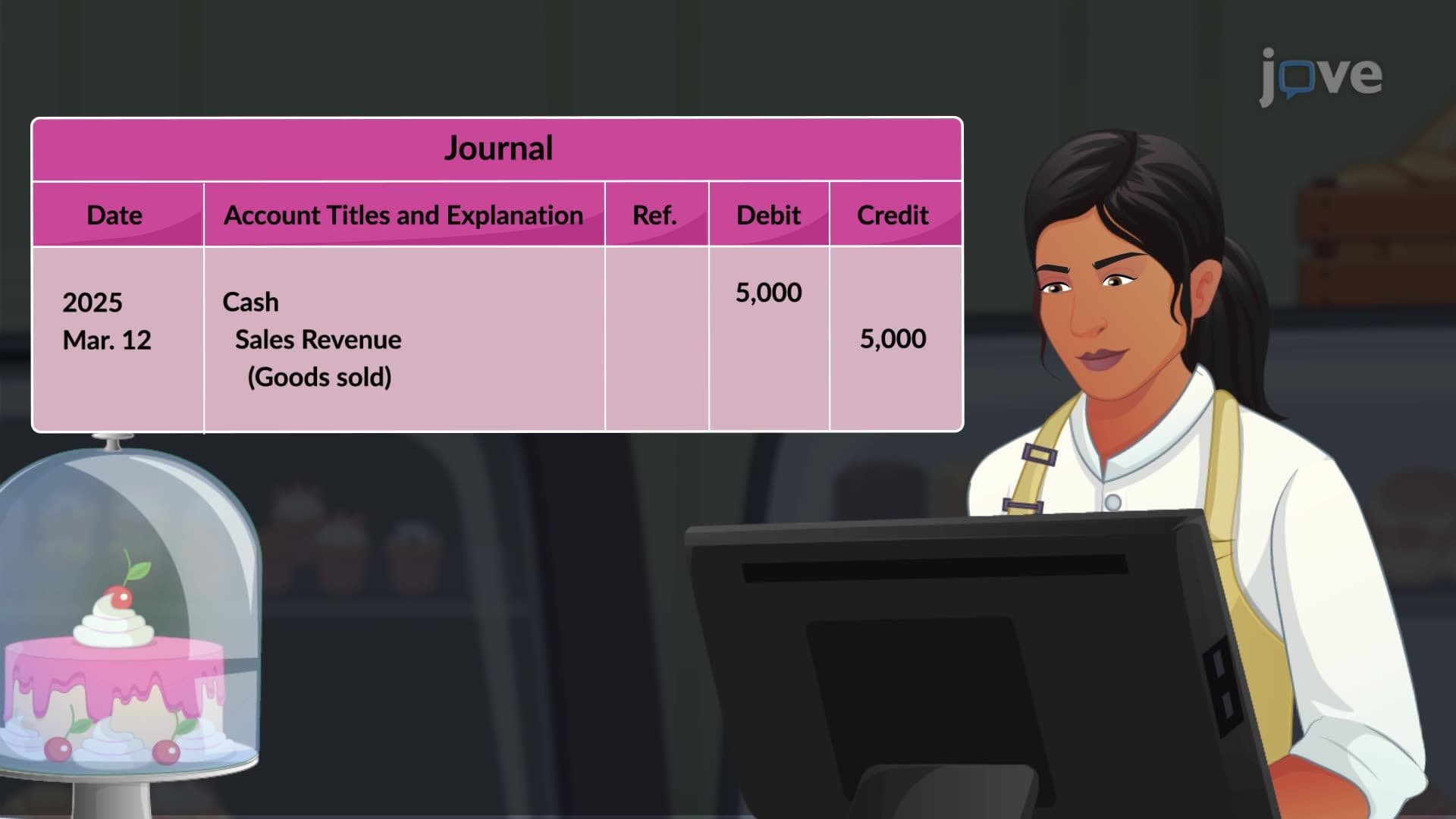
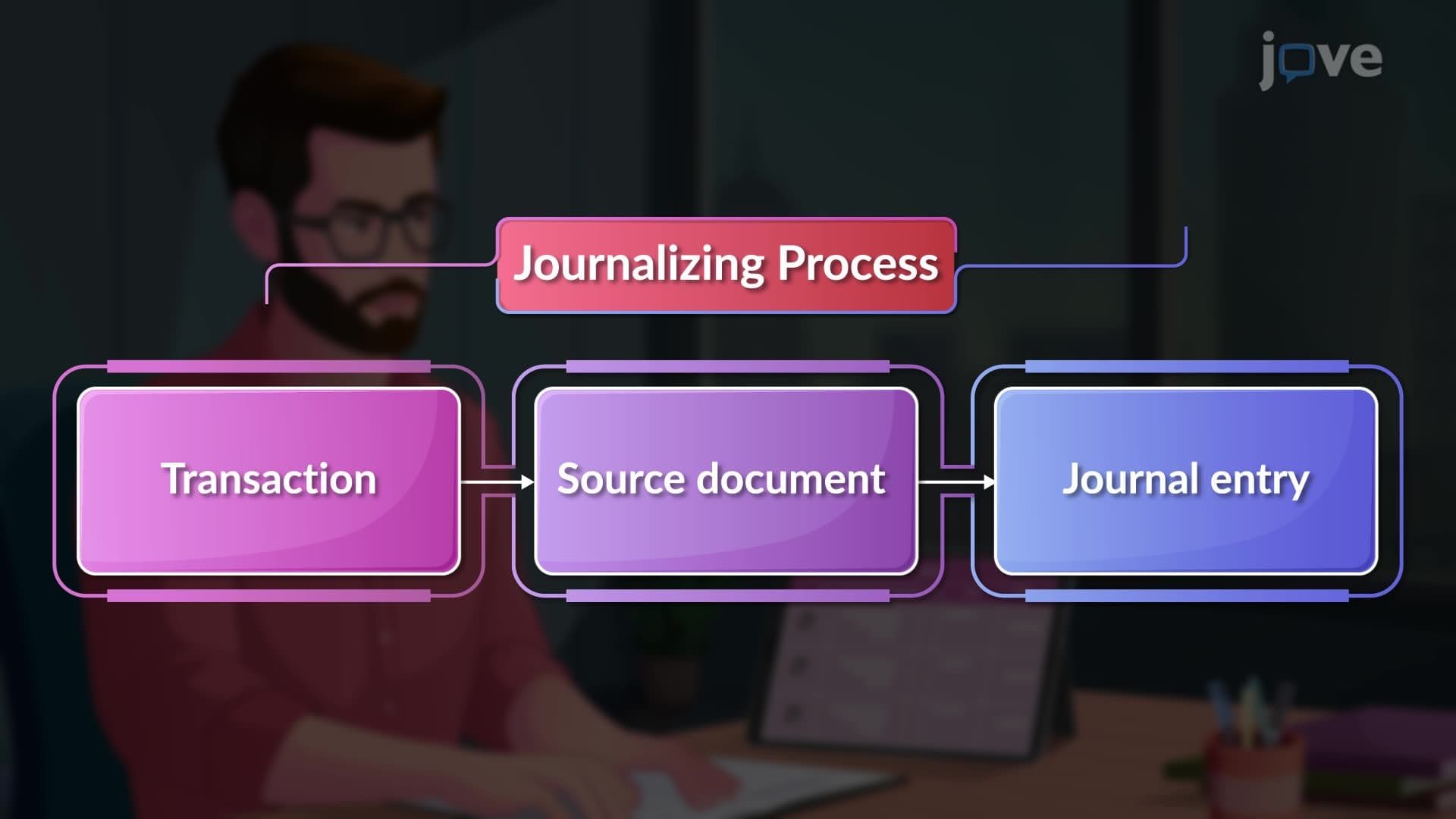
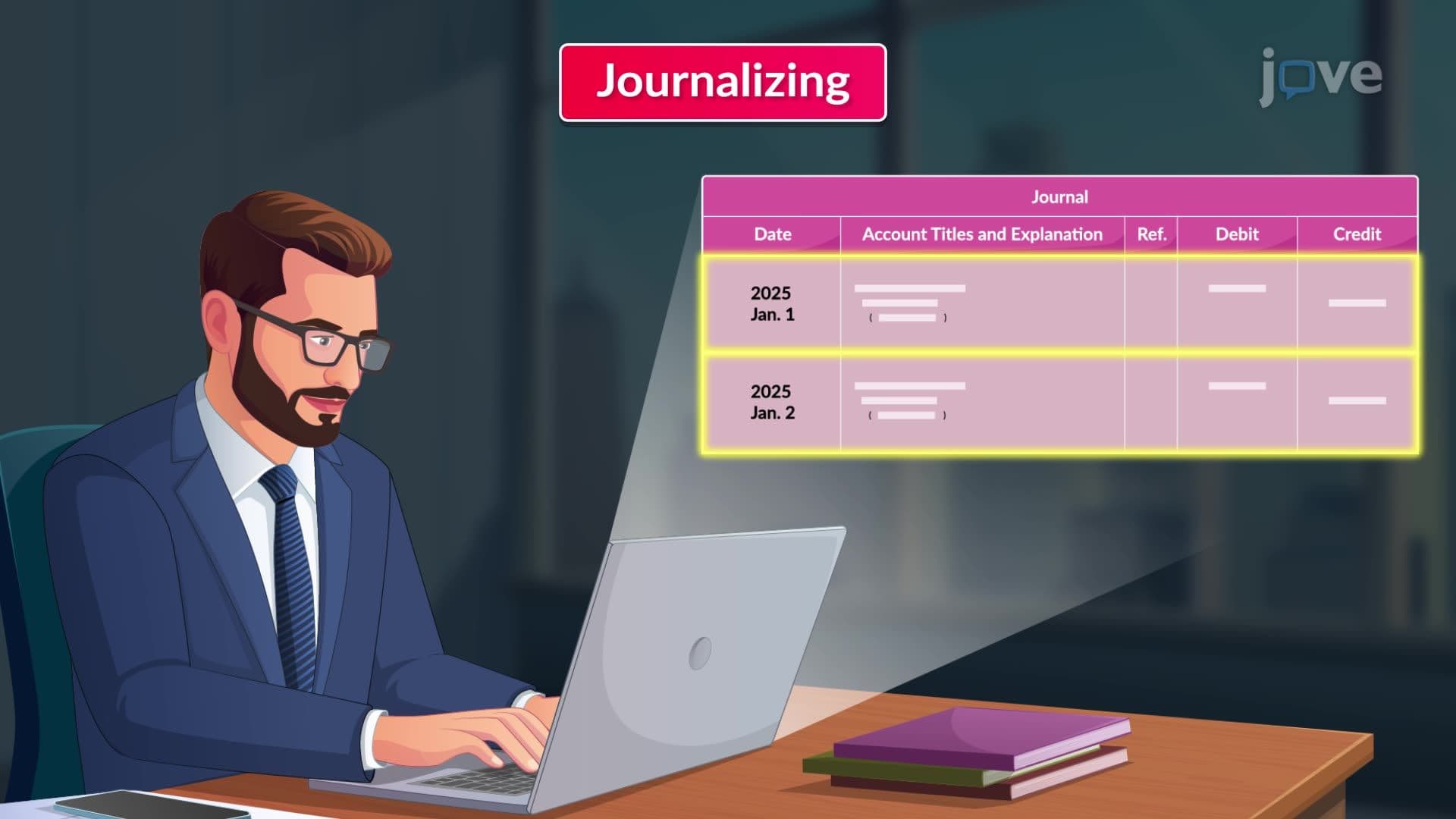
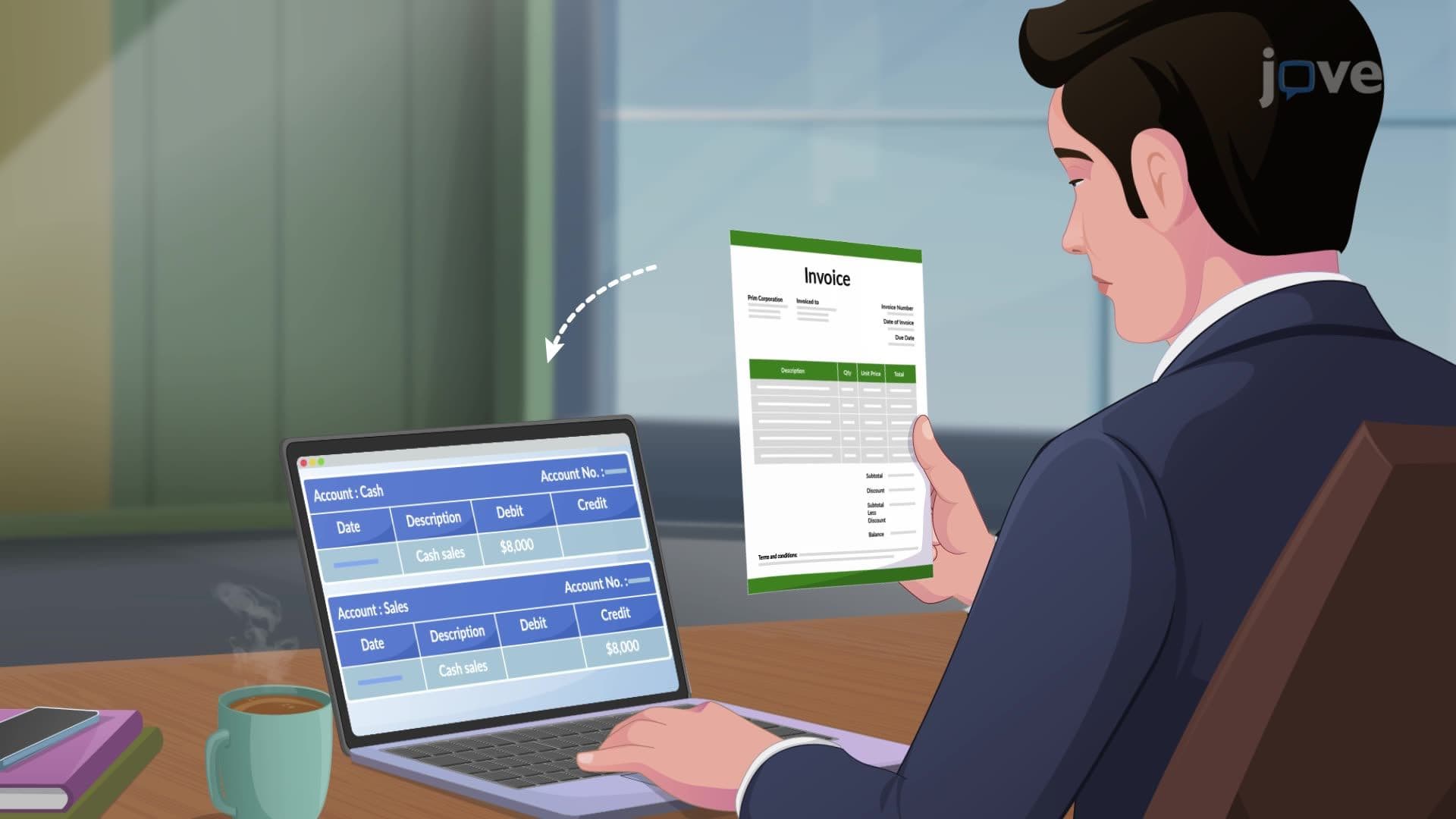
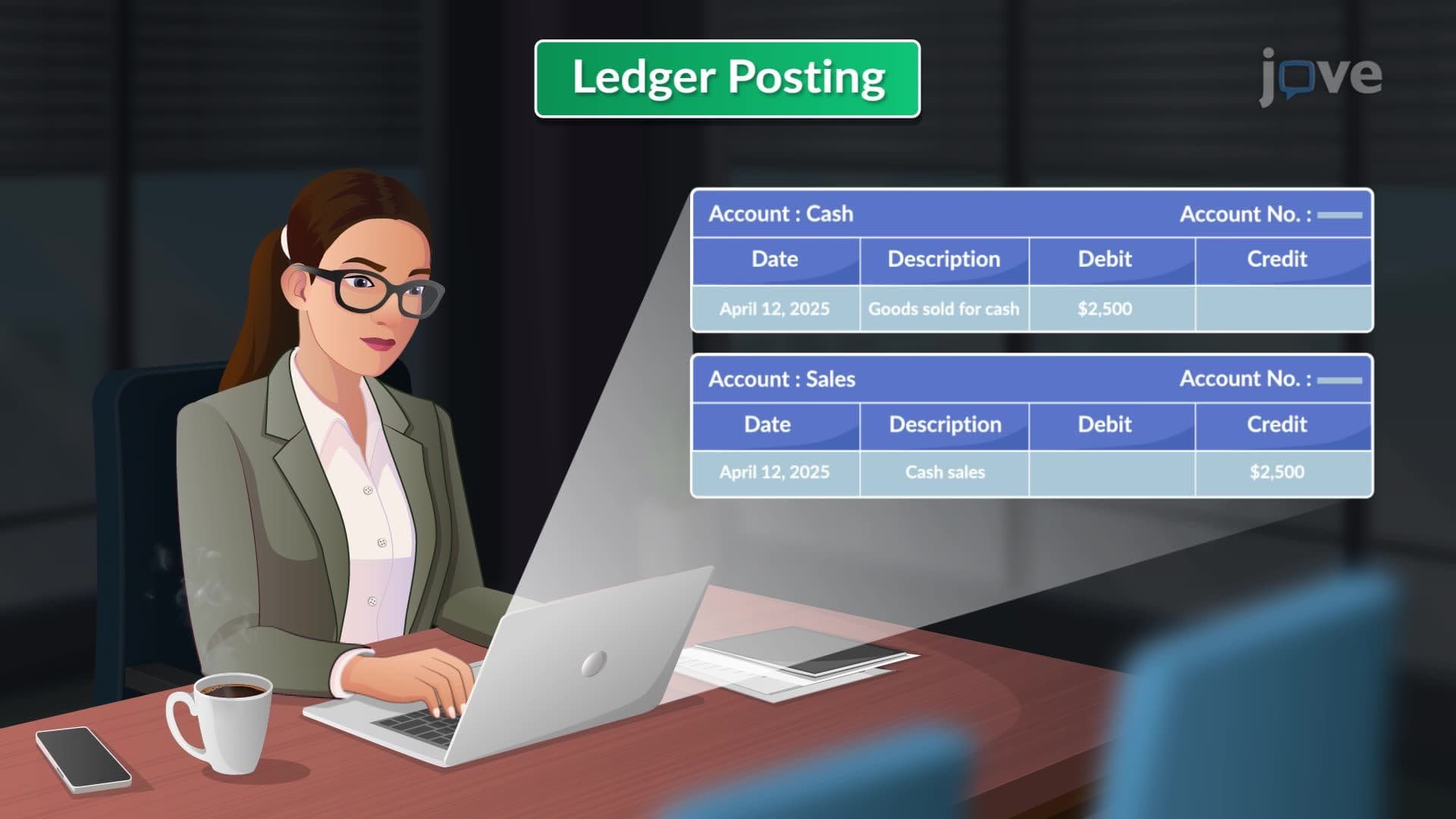
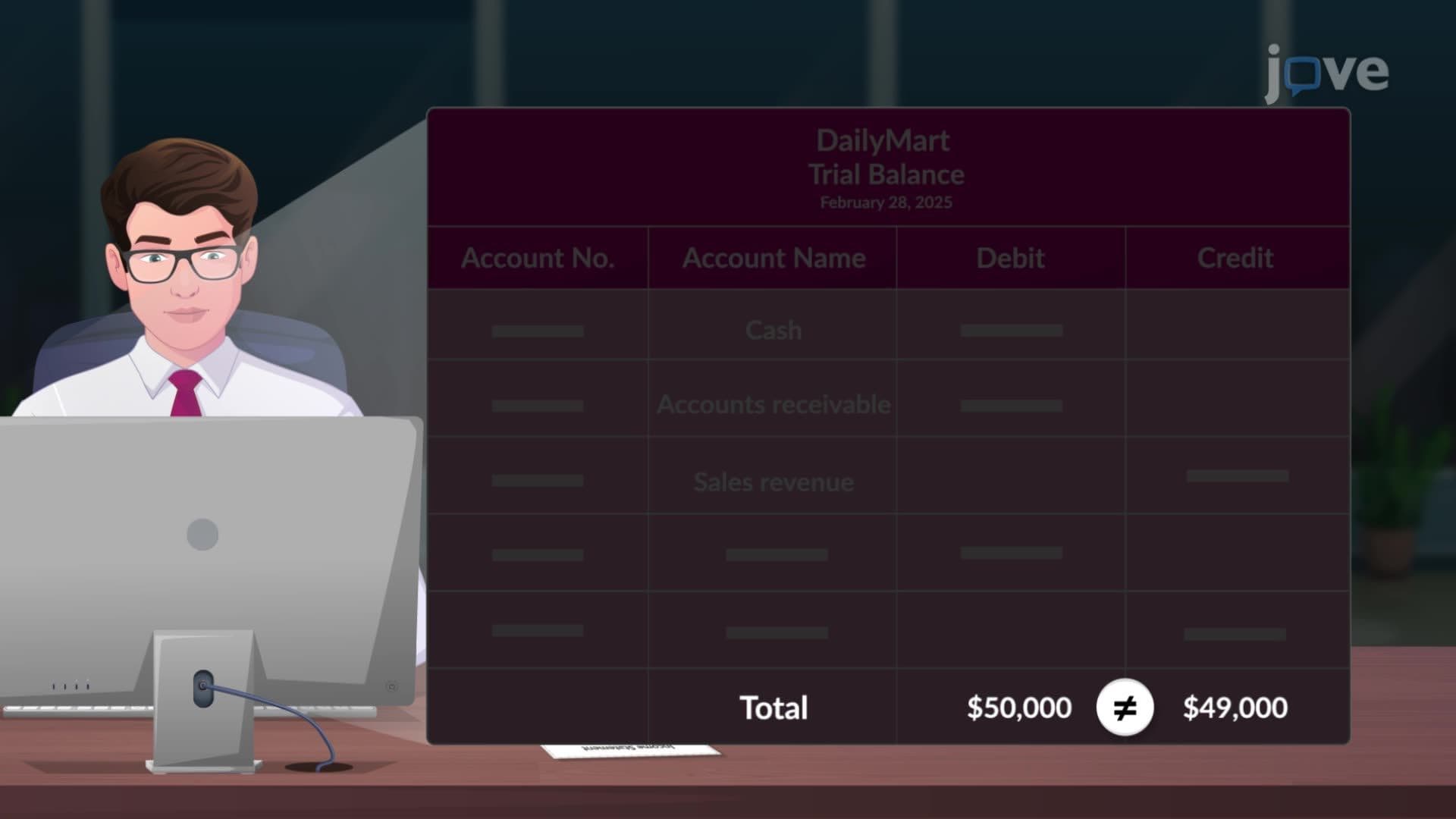
This maps closely to how double entry accounting works: every transaction affects at least two accounts. When a prepaid is initially recorded, you debit the prepaid asset account and credit cash. Each period, you debit the expense account and credit the prepaid asset, gradually transferring value from the balance sheet to the income statement. Understanding this flow helps you read a trial balance or general ledger summary without needing your finance team to translate every line.
Practically speaking, prepaid expenses matter most in three management situations. First, during budget planning: if your team commits to annual contracts paid upfront, your cash outflow and your reported expenses will not align month-to-month. Build your forecasts with both views in mind. Second, during monthly or quarterly reviews: check whether any prepaid balances are aging unexpectedly, an unrecognized prepaid could signal a contract that was cancelled or a service not yet delivered. Third, in vendor negotiations: understanding prepaid mechanics gives you leverage. Paying annually may offer a discount, but it also ties up cash and creates a prepaid asset your business must track. Knowing the trade-off makes you a sharper negotiator.
Avoid treating all upfront payments as immediate expenses, this overstates costs in the current period and understates them later. Equally, never assume a prepaid asset on the balance sheet means the money is recoverable; once the service period begins, those costs will be recognized regardless of whether you actively use the benefit. Finally, do not skip the periodic adjustment conversation with your accounting team. Missed adjustments, where prepaid balances are not expensed on schedule, are a common source of inaccurate financial statements and can surface uncomfortably during audits or leadership reviews.
Related Micro-courses