Loading video…

 21 Concepts
 7.4K views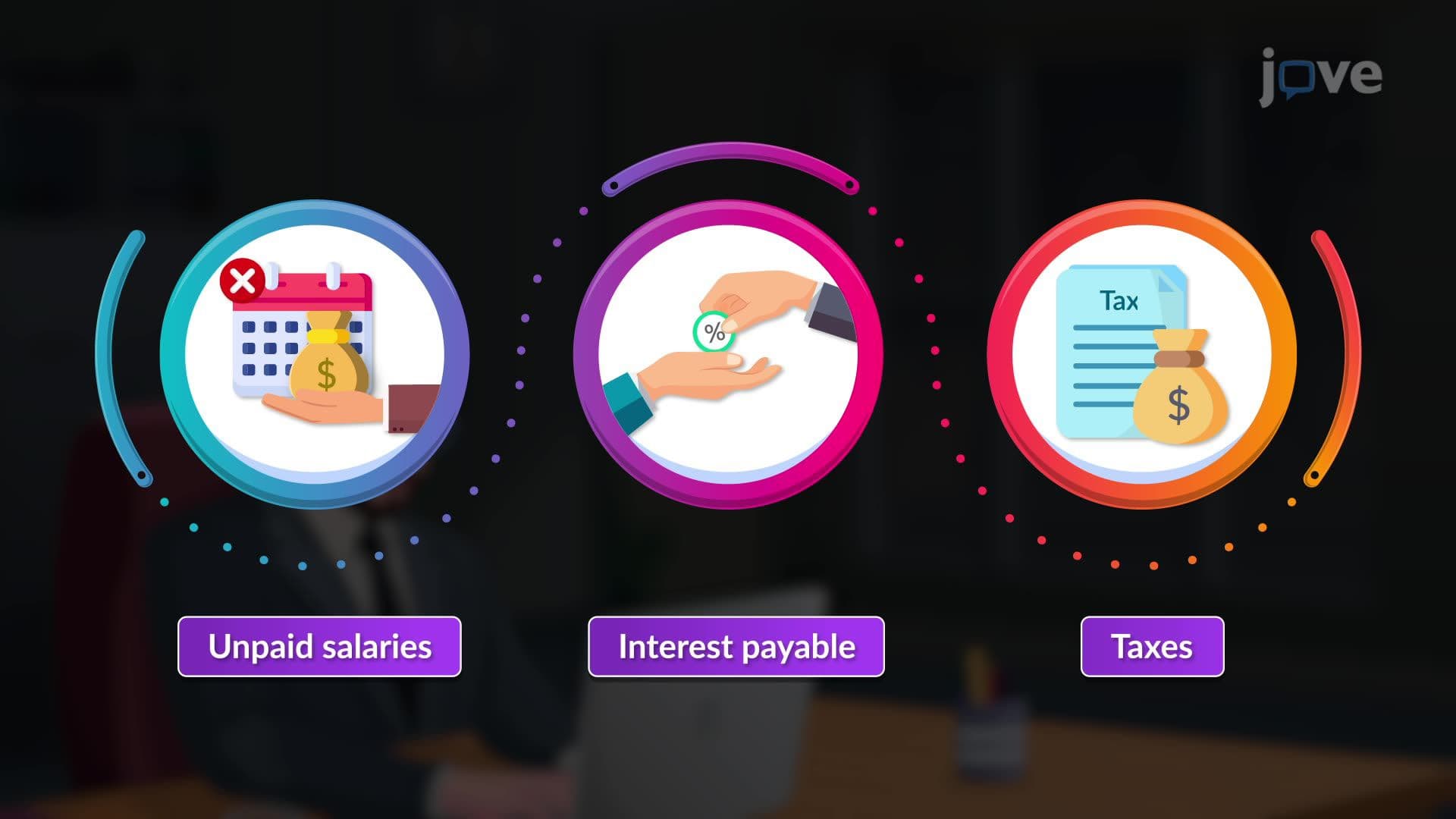

Video Summary: What are Accrued Expenses
Accrued expenses catch many managers off guard when budget reviews reveal costs that were never formally recorded, making financials look healthier than they actually are. Understanding accrued expenses basics helps you spot gaps between what your team has consumed and what's been billed. Missing these entries distorts your true cost picture and undermines sound resource decisions. Watch the full video on JoVE Coach to master this concept with expert-led visuals and step-by-step explanations.
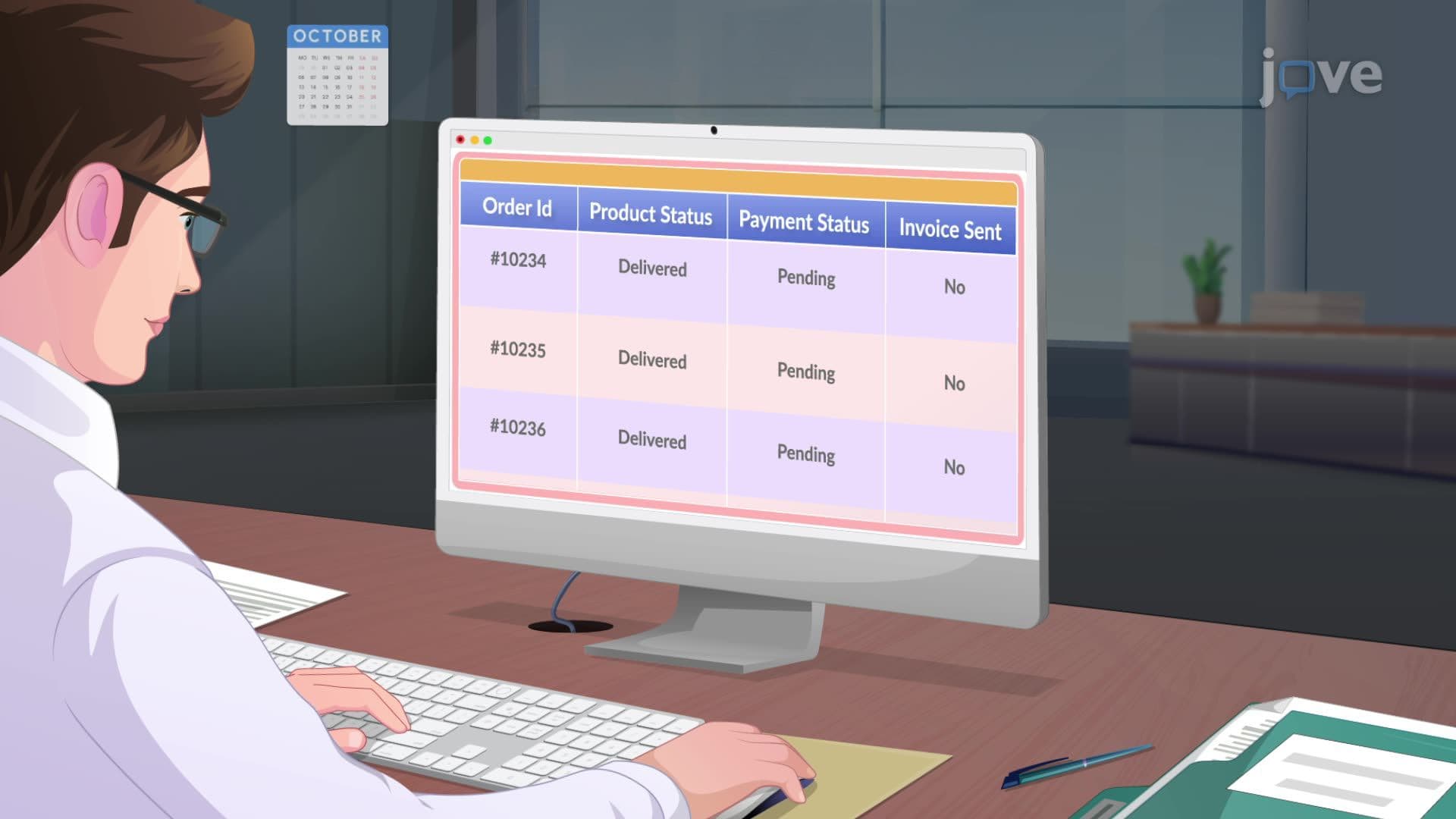
Picture this: it's the final day of your reporting period. Your team has been running at full capacity, operational resources consumed, staff hours logged, and vendor services delivered. Yet when you review the financials, several of those costs simply aren't there. No invoice has arrived. No payment has been processed. So nothing was recorded. The result? Your department looks more profitable than it is, until reality catches up next month in a very uncomfortable conversation with your finance director.
This is exactly the problem that accrued expenses are designed to solve.
Most managers operating outside of a dedicated finance function assume that if there's no invoice, there's no expense. That's cash-basis thinking, and it's one of the most common financial blind spots in operational management.
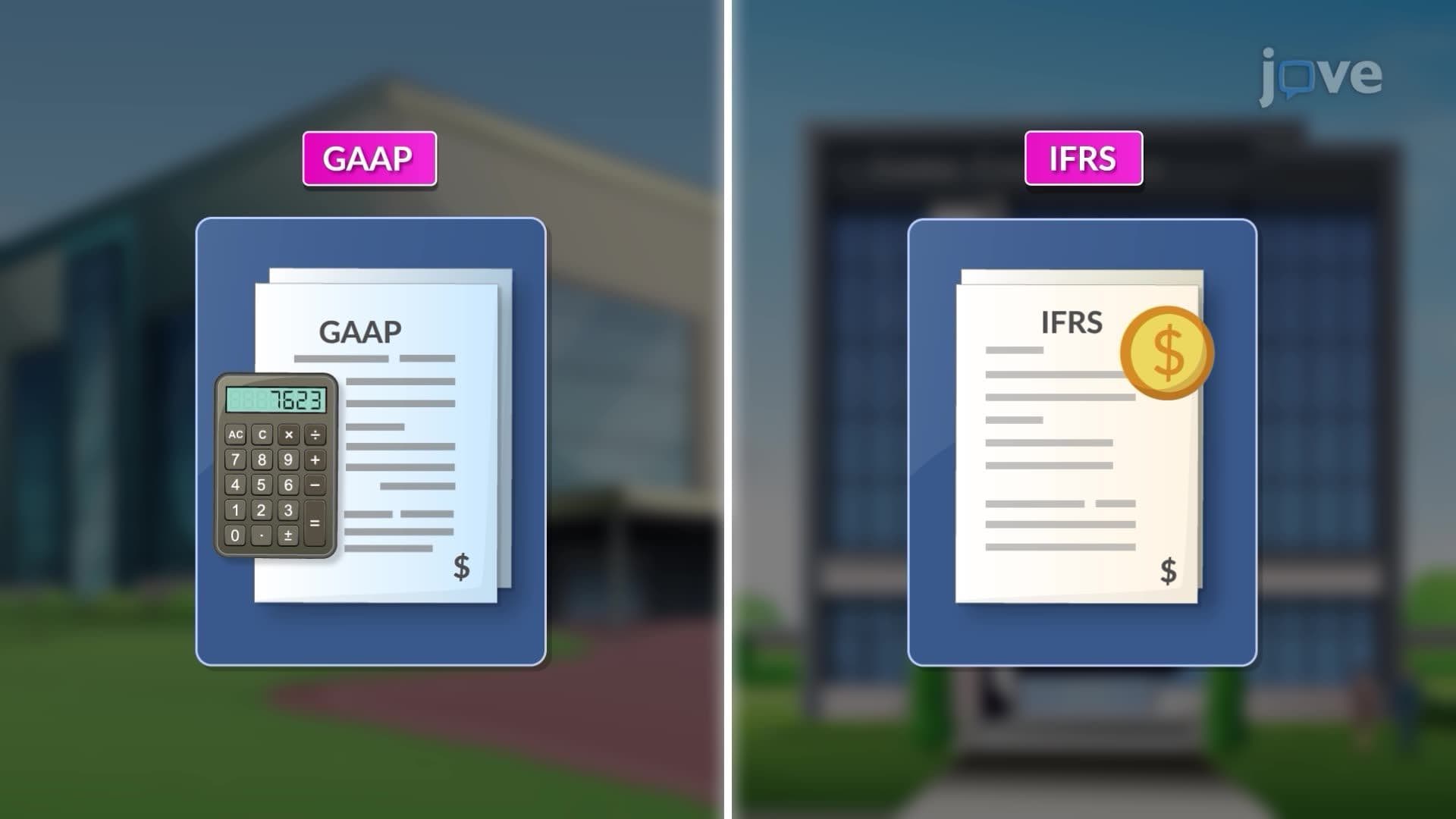
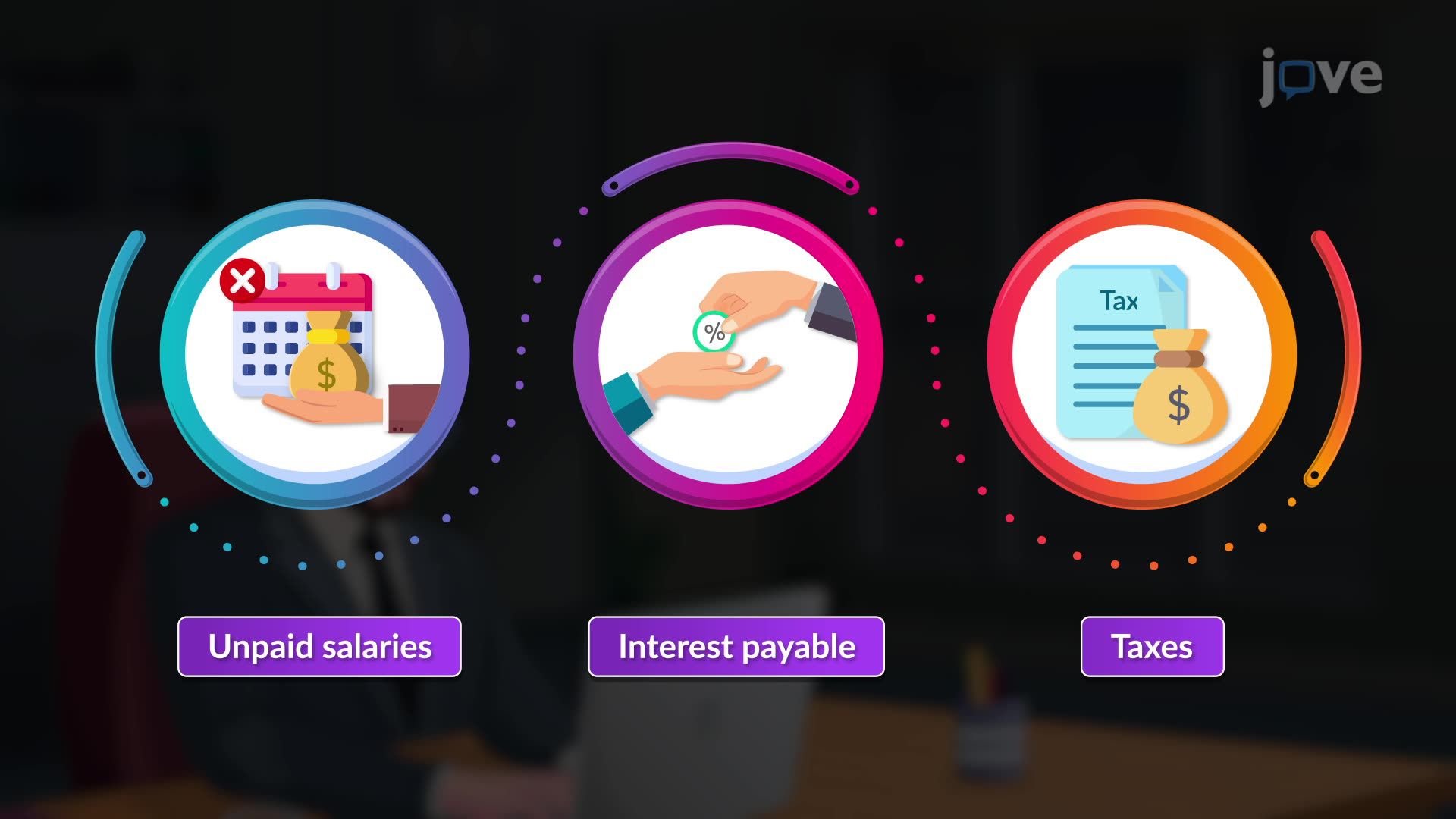
Accrued expenses are real costs your team has already incurred, unpaid salaries, interest accumulating on a credit facility, utilities consumed but not yet billed, that must be recognized in the period they occurred, not the period they're paid. This is the foundation of accrual accounting, and it's the global standard for business financial reporting.
When these costs go unrecorded, two problems compound quickly: liabilities are understated and profits are overstated. Any decision you make on headcount, procurement, or resource allocation based on those numbers is built on a flawed foundation.
The core logic of accrual accounting follows a simple principle called the Matching Principle, expenses must be recorded in the same period as the revenue or activity they support, regardless of when cash moves.
In practice, this means applying a consistent period-end review process:
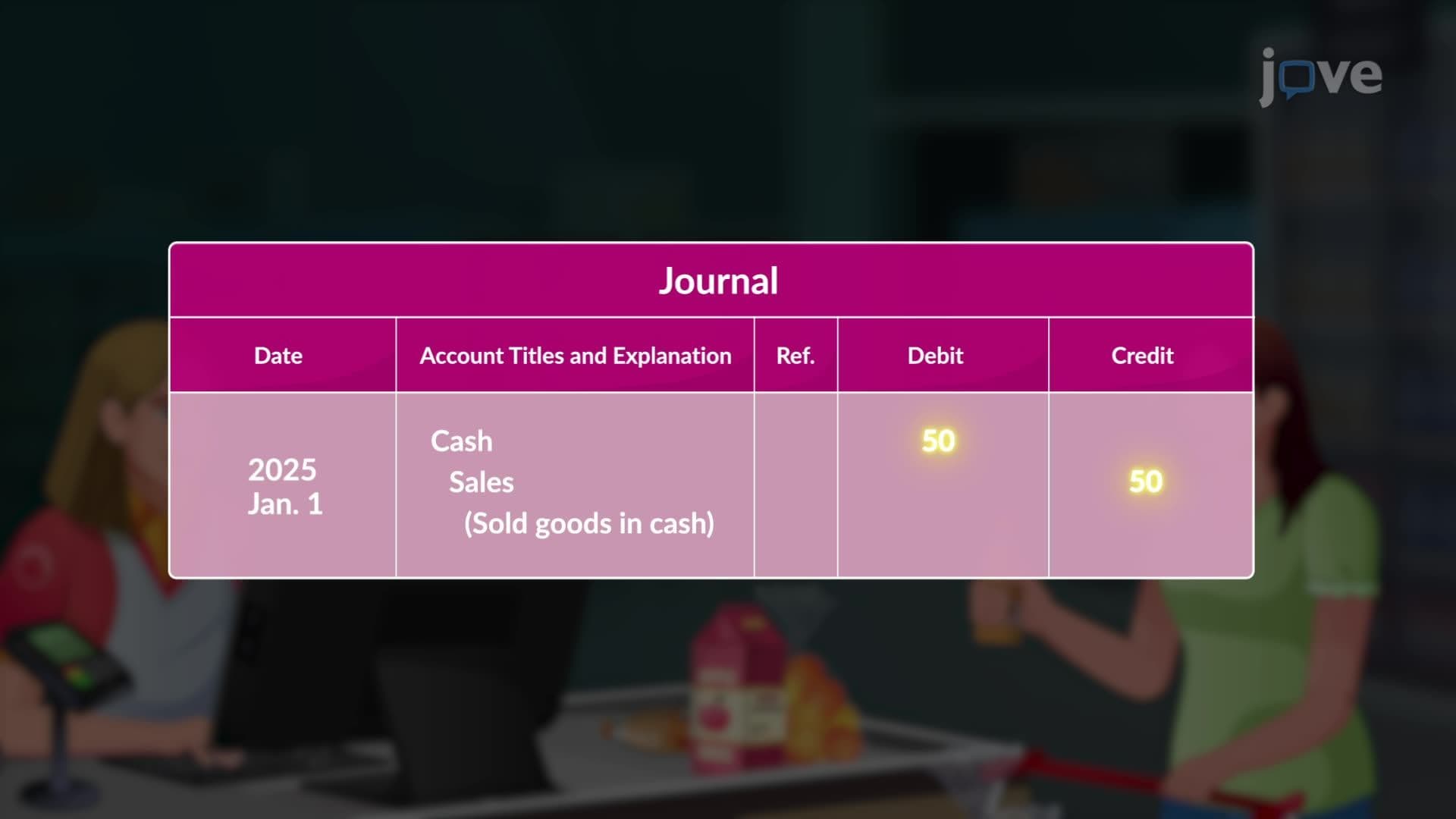
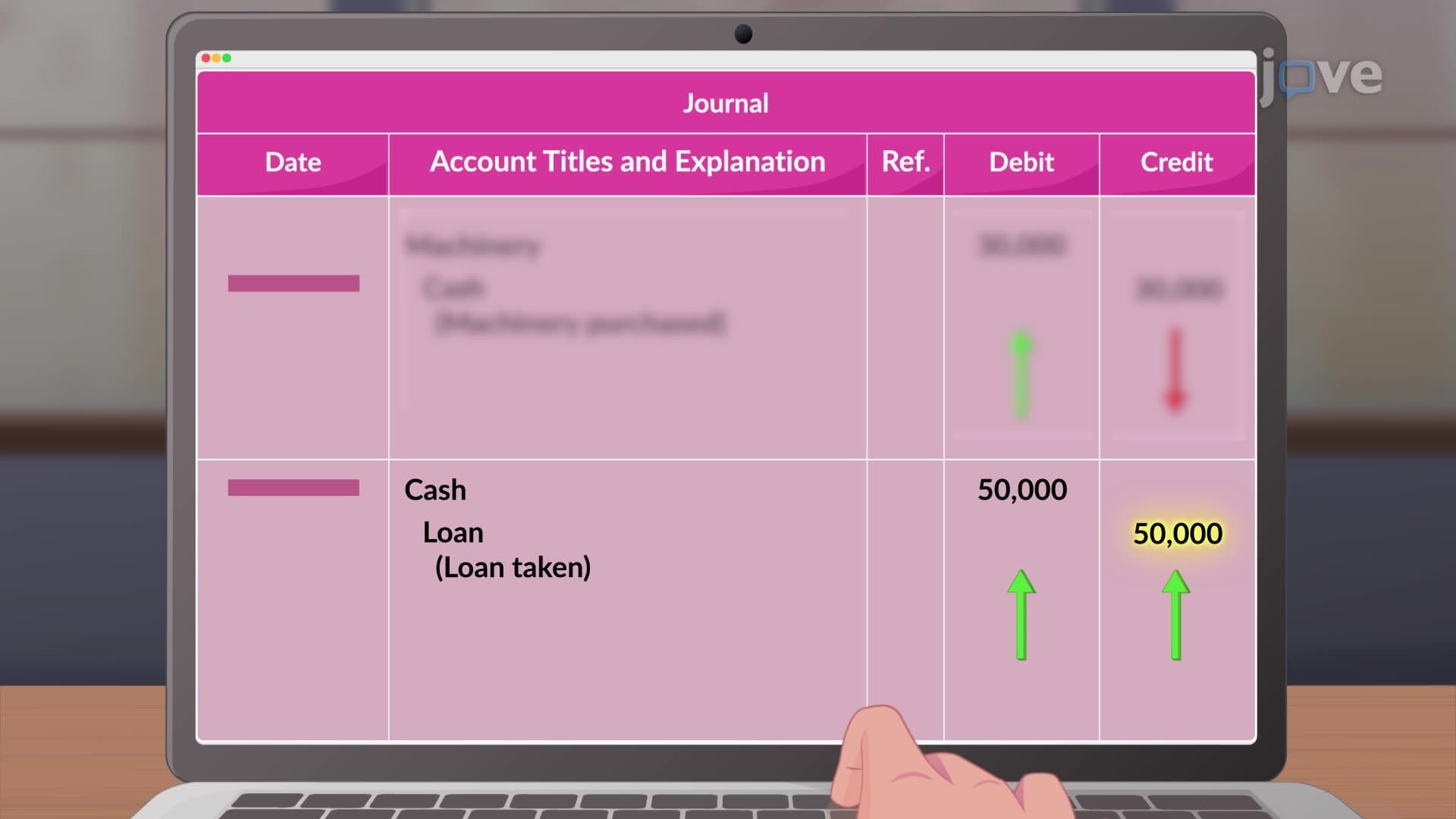
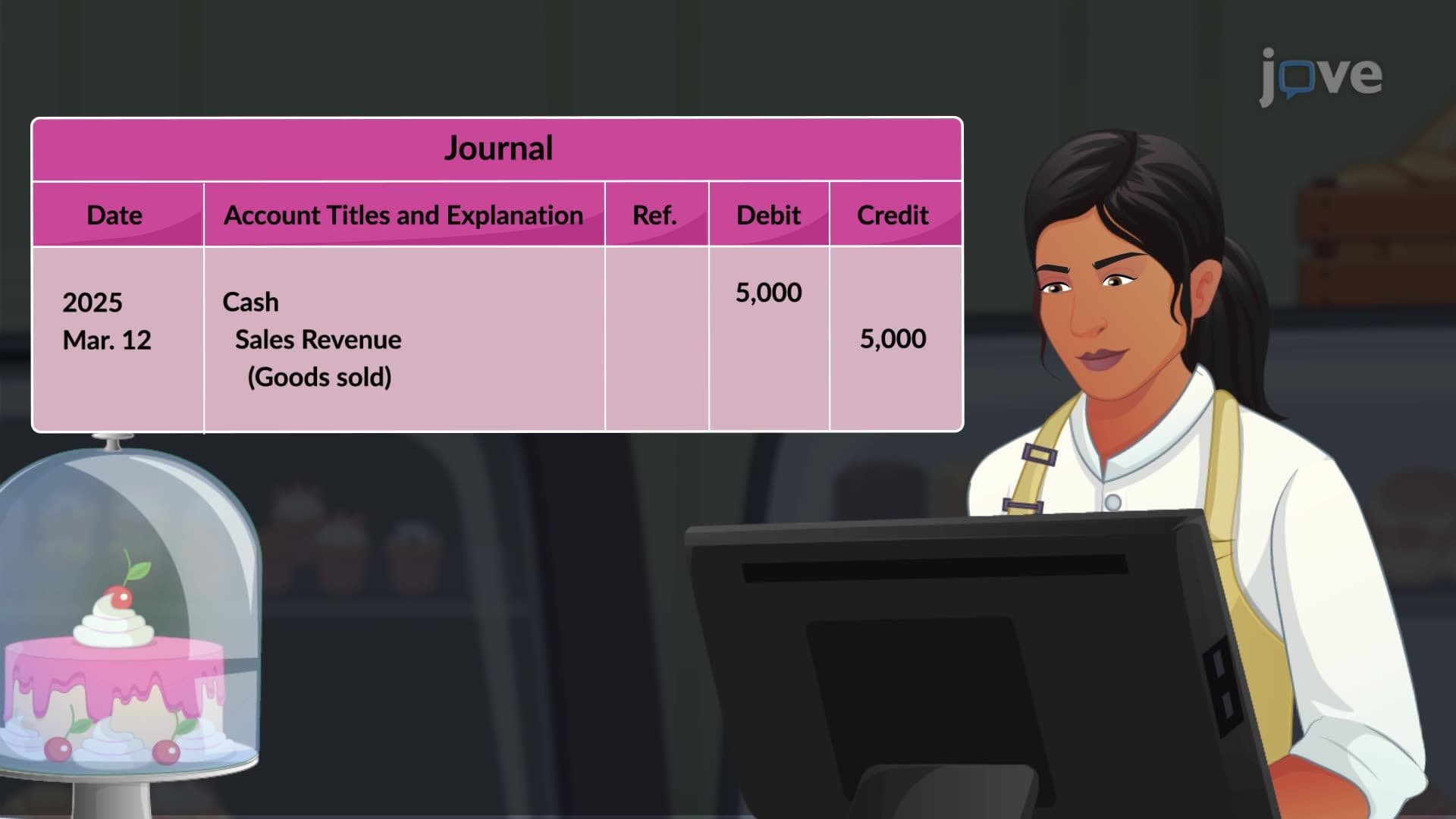
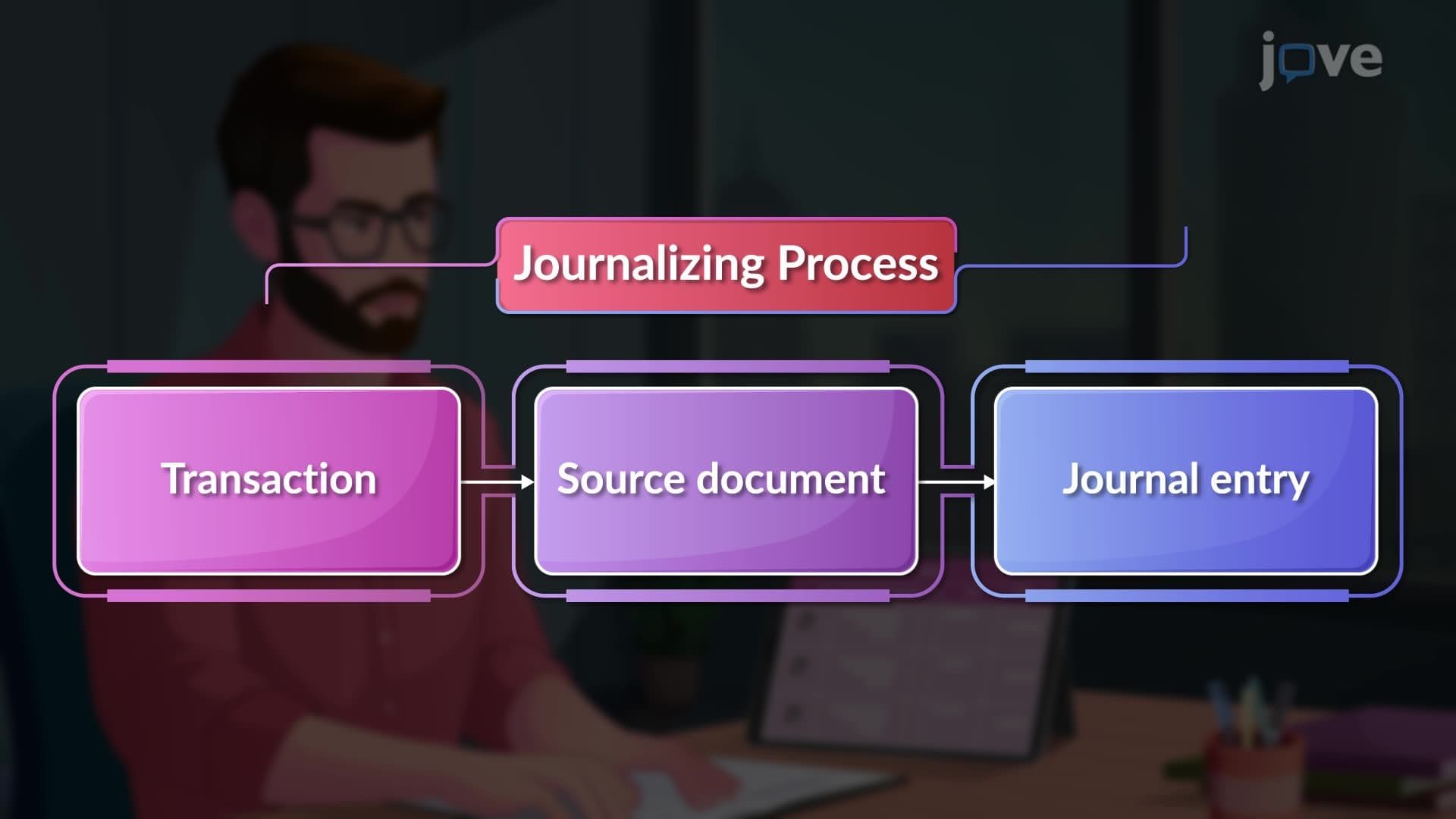
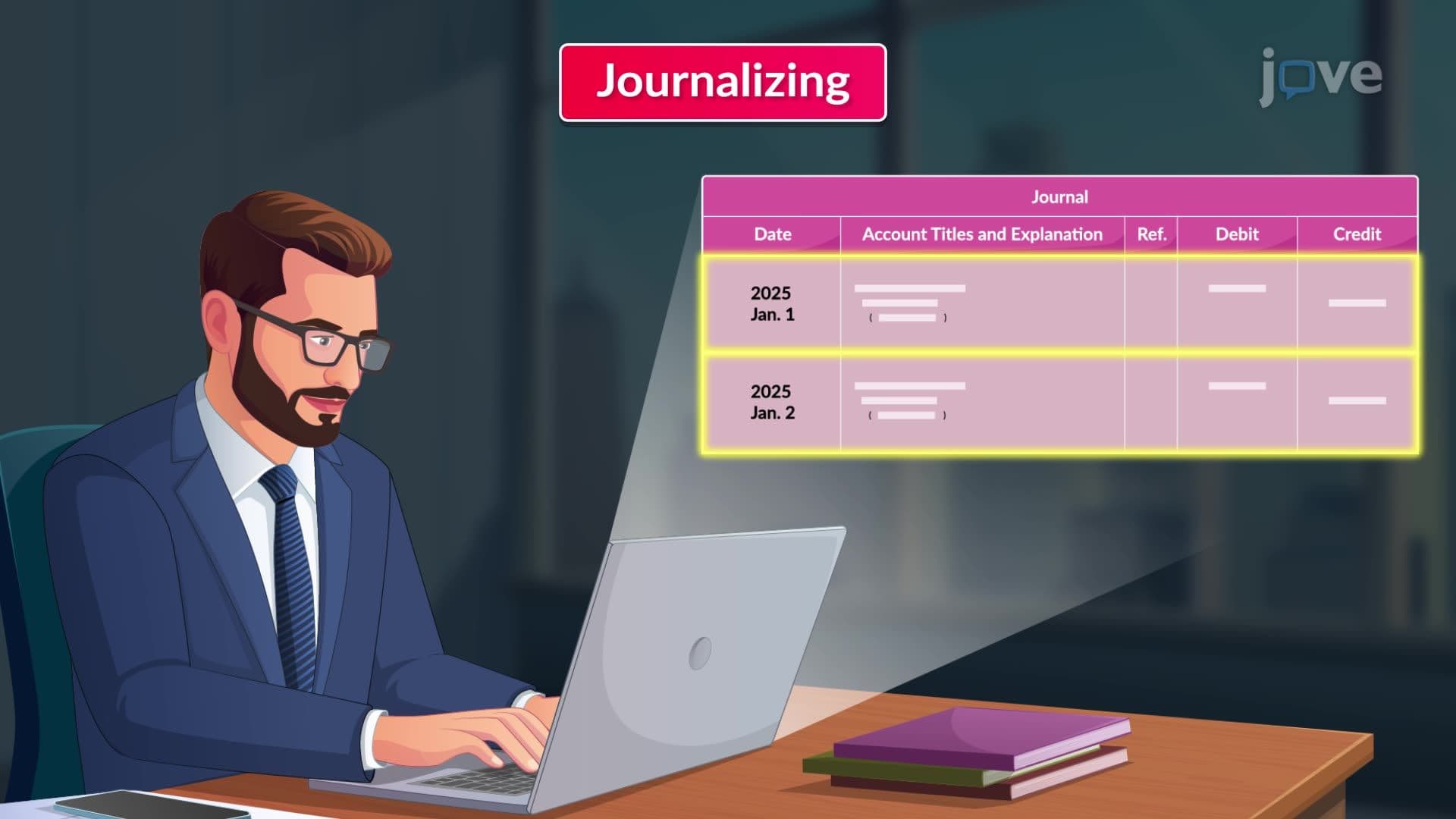
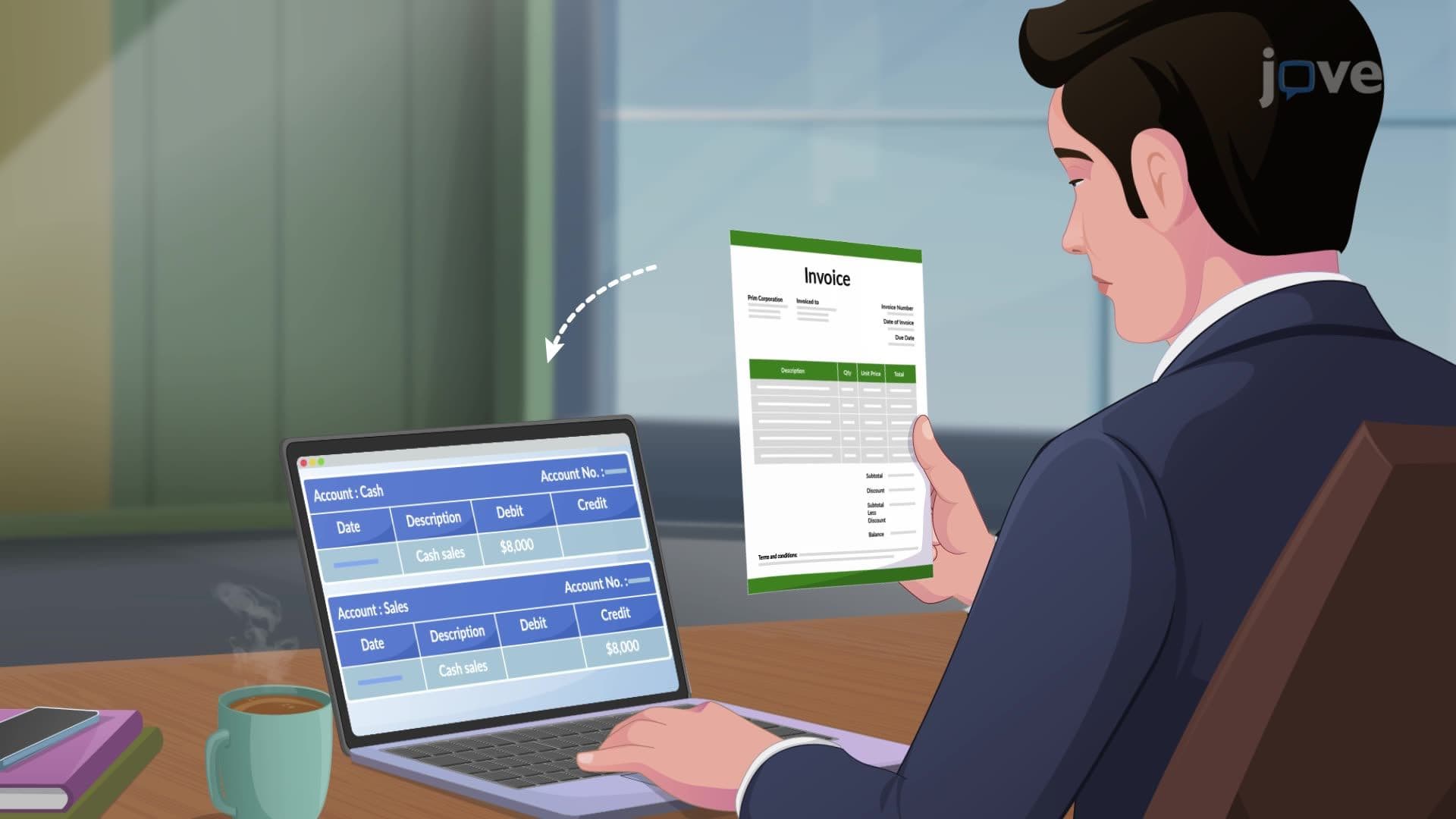
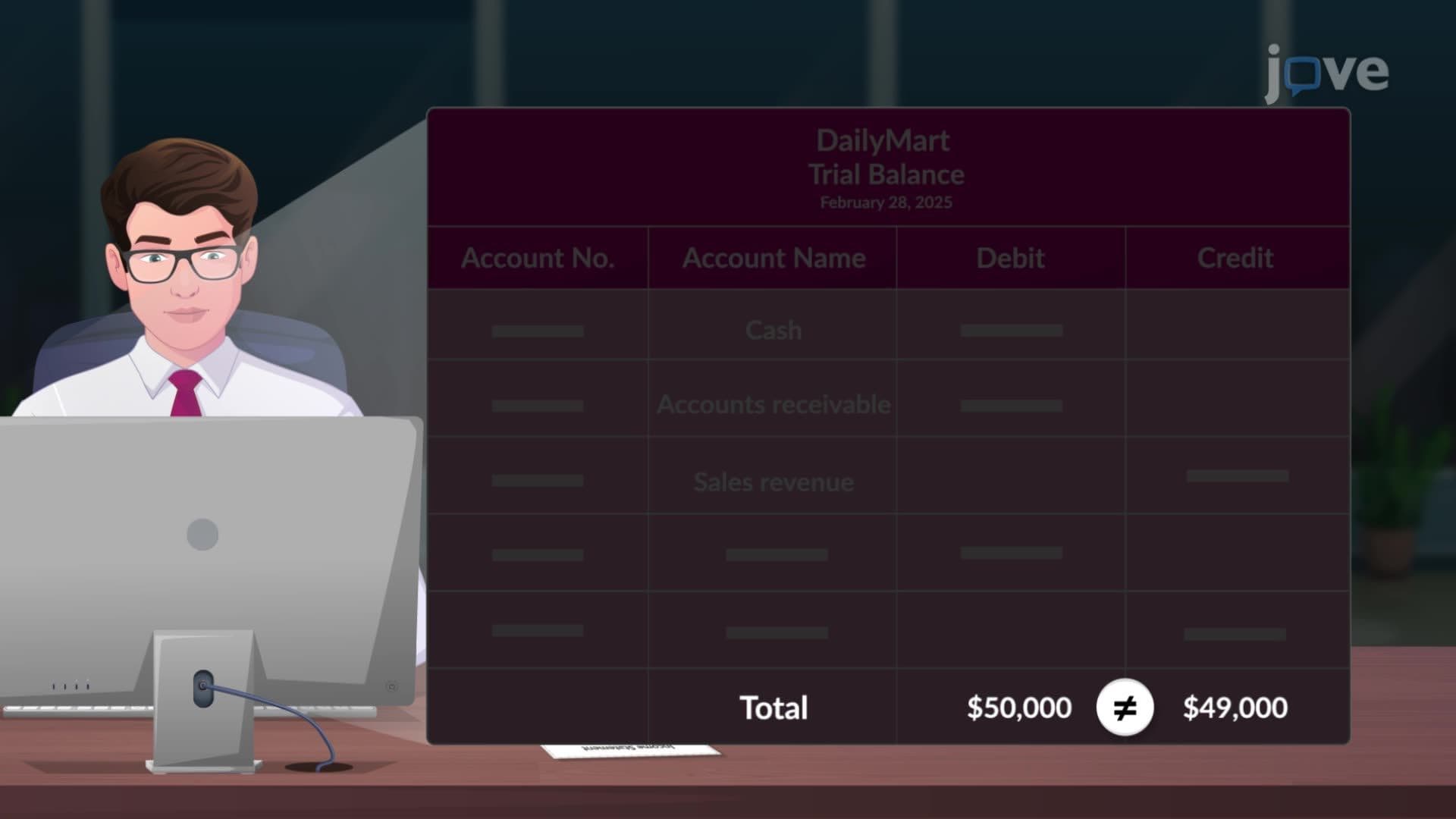
1. Identify all services, utilities, or labor consumed within the period that don't yet have an invoice or payment record 2. Estimate the amount based on contracts, historical bills, or accrual schedules provided by your finance team 3. Record an adjusting journal entry, debit the expense account, credit the corresponding payable account in the general ledger 4. Verify the entry appears correctly in the trial balance before sign-off
Think of this as a financial RACI applied to period-end close: your finance team is accountable for posting entries, but you as the operational manager are responsible for surfacing the underlying cost data they need to do it accurately.
Waiting for the invoice. Invoices and expenses are not the same thing. Train yourself to think about consumption, not paperwork.
Ignoring recurring accruals. Costs like monthly salaries, lease obligations, and utility consumption are predictable. These should be templated into your close process, not rediscovered each month.
Leaving it entirely to finance. Finance can't record what they don't know exists. If your team consumed resources, contract labor, equipment time, third-party services, and no PO or invoice exists yet, that information needs to come from you.
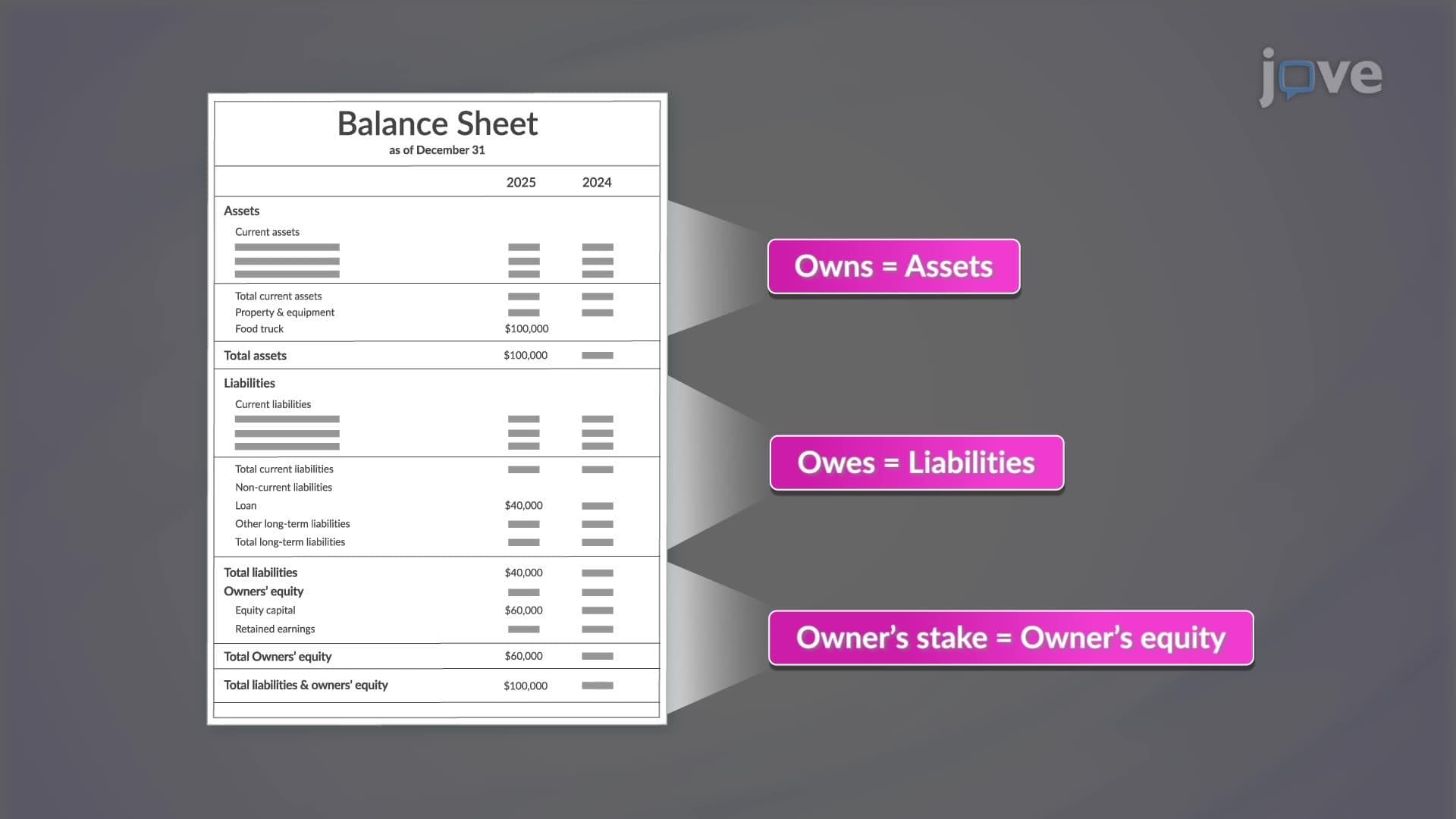
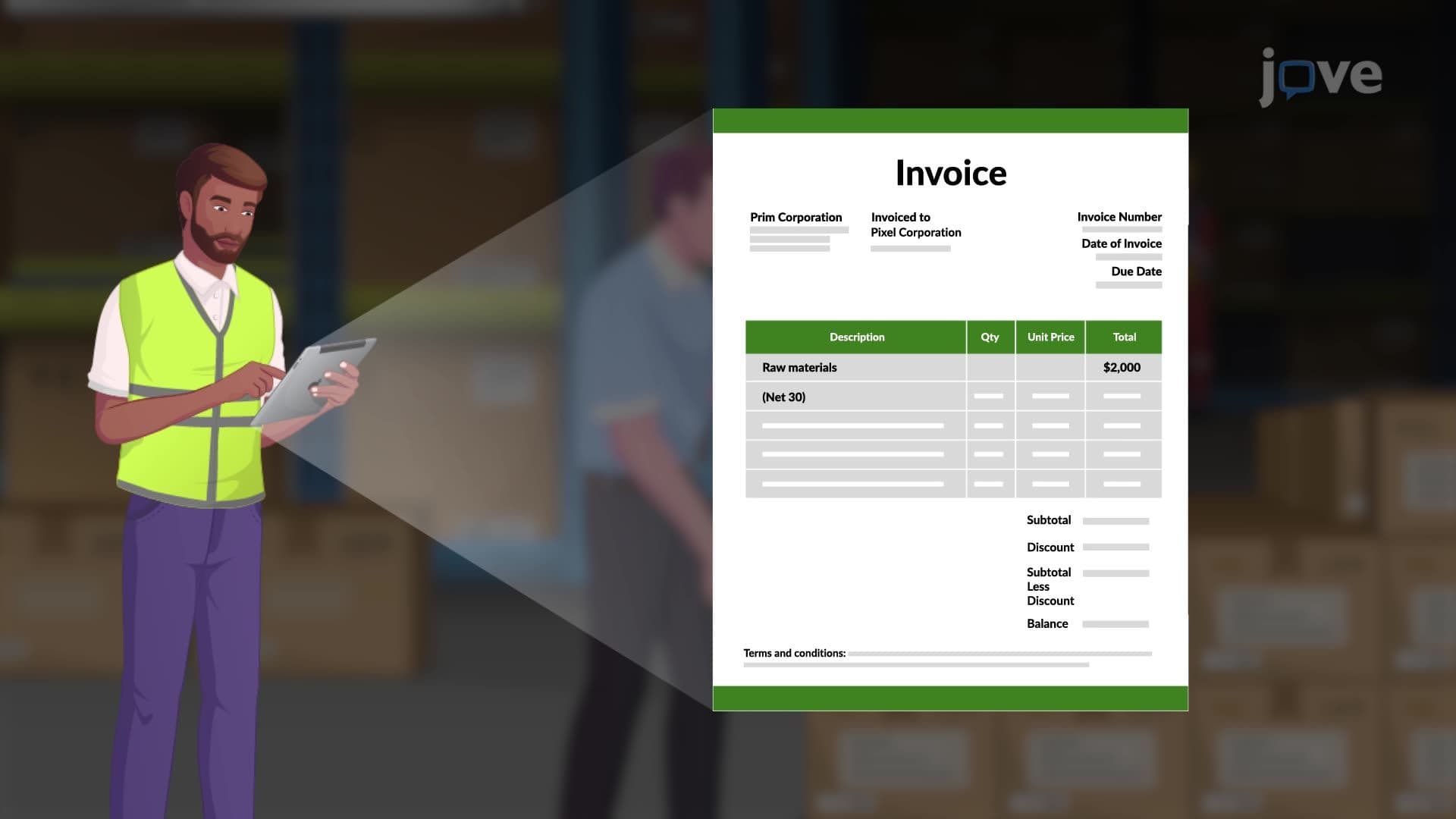
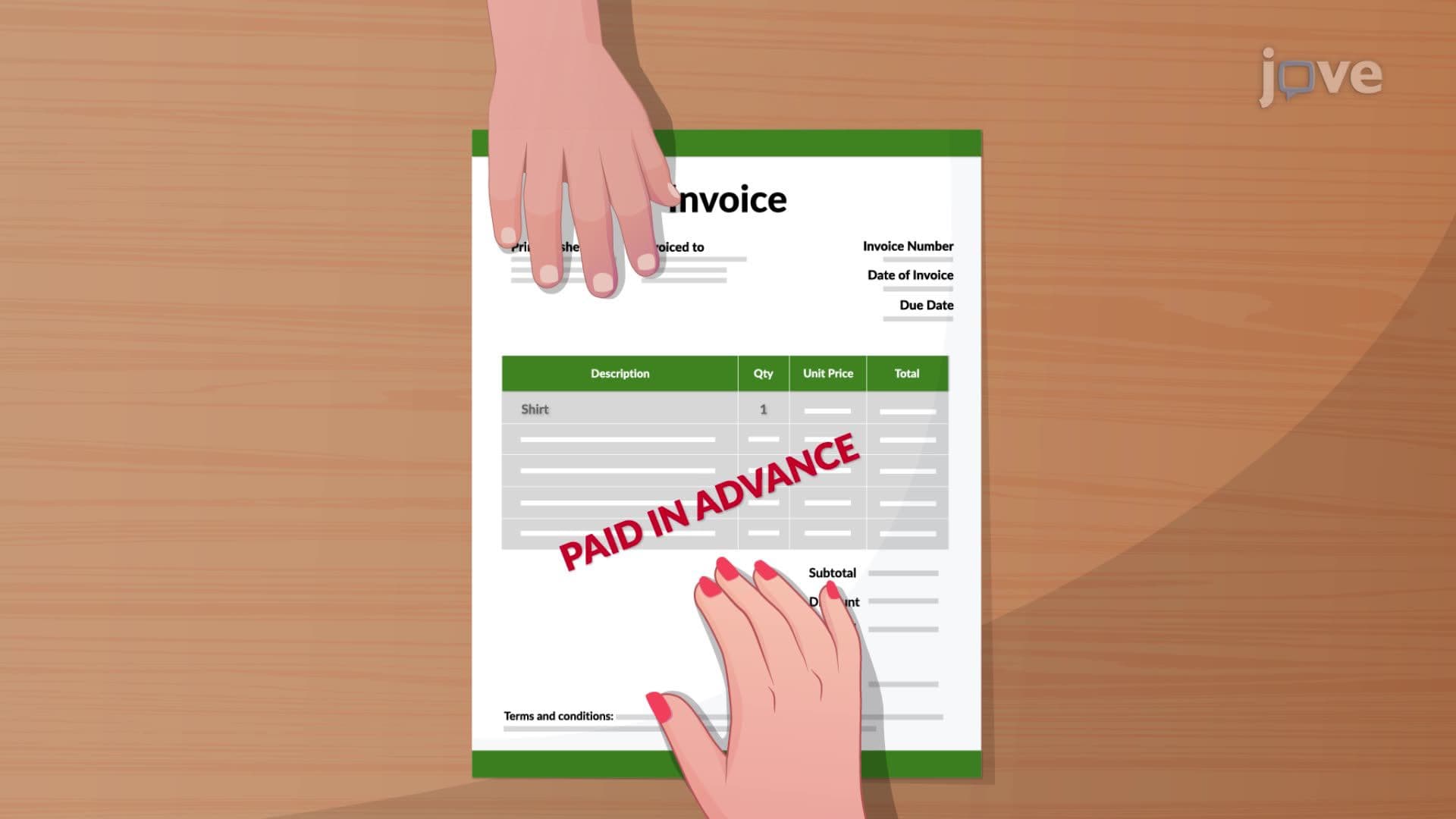
Conflating accrued expenses with accounts payable. Accounts payable relates to invoices already received but unpaid. Accrued expenses are costs incurred where no invoice has arrived yet. Both are liabilities. Both matter. They live in different parts of the general ledger and serve different roles in double entry accounting.
Understanding this distinction positions you as a more credible operational leader, one who can walk into a budget review, interrogate a trial balance, and ask the right questions about what's missing, not just what's there.
Related Micro-courses