Loading subject page…

7,374 views

Video Summary: What Is the Journal
The journal basics are foundational to understanding how financial decisions get recorded, tracked, and interpreted, a gap that trips up many managers when they're reviewing budgets, approving expenses, or questioning finance reports. Mastering the journal explained means you can read a transaction trail with confidence, ask sharper questions, and hold your team accountable to financial accuracy. Watch the full video on JoVE Coach to master this concept with expert-led visuals and step-by-step explanations.
Picture this: your finance team sends over a monthly expense summary and one line item looks off. You're not sure whether it's a data entry error, a misclassified account, or a timing issue. You escalate, but you can't articulate what's wrong. That moment of uncertainty is exactly what understanding the journal basics is designed to prevent. When you know how transactions are originally recorded and why, you stop being a passive recipient of financial reports and start being an active, informed decision-maker.
Most managers in non-finance roles assume that bookkeeping is someone else's job. That's true for execution, but not for oversight. When you manage a team or a cost centre, you're accountable for the numbers whether or not you personally enter them. The journal is where the accounting cycle begins. Every transaction, a vendor payment, a reimbursement, a capital injection, starts here before it ever reaches a dashboard or P&L report. If the original entry is wrong, every downstream report built from it is wrong too. The journal is not an administrative detail; it's the first line of financial truth.
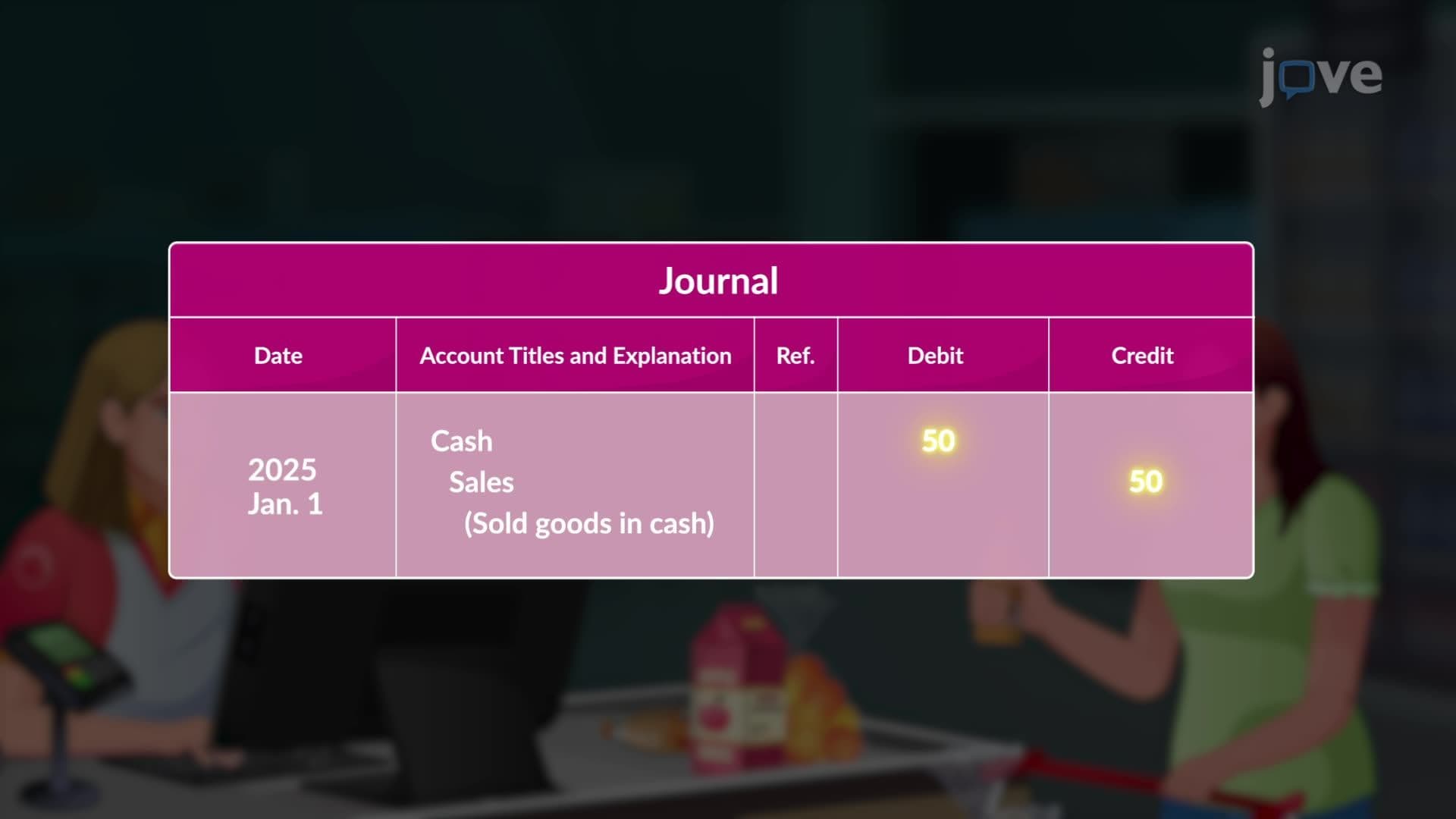
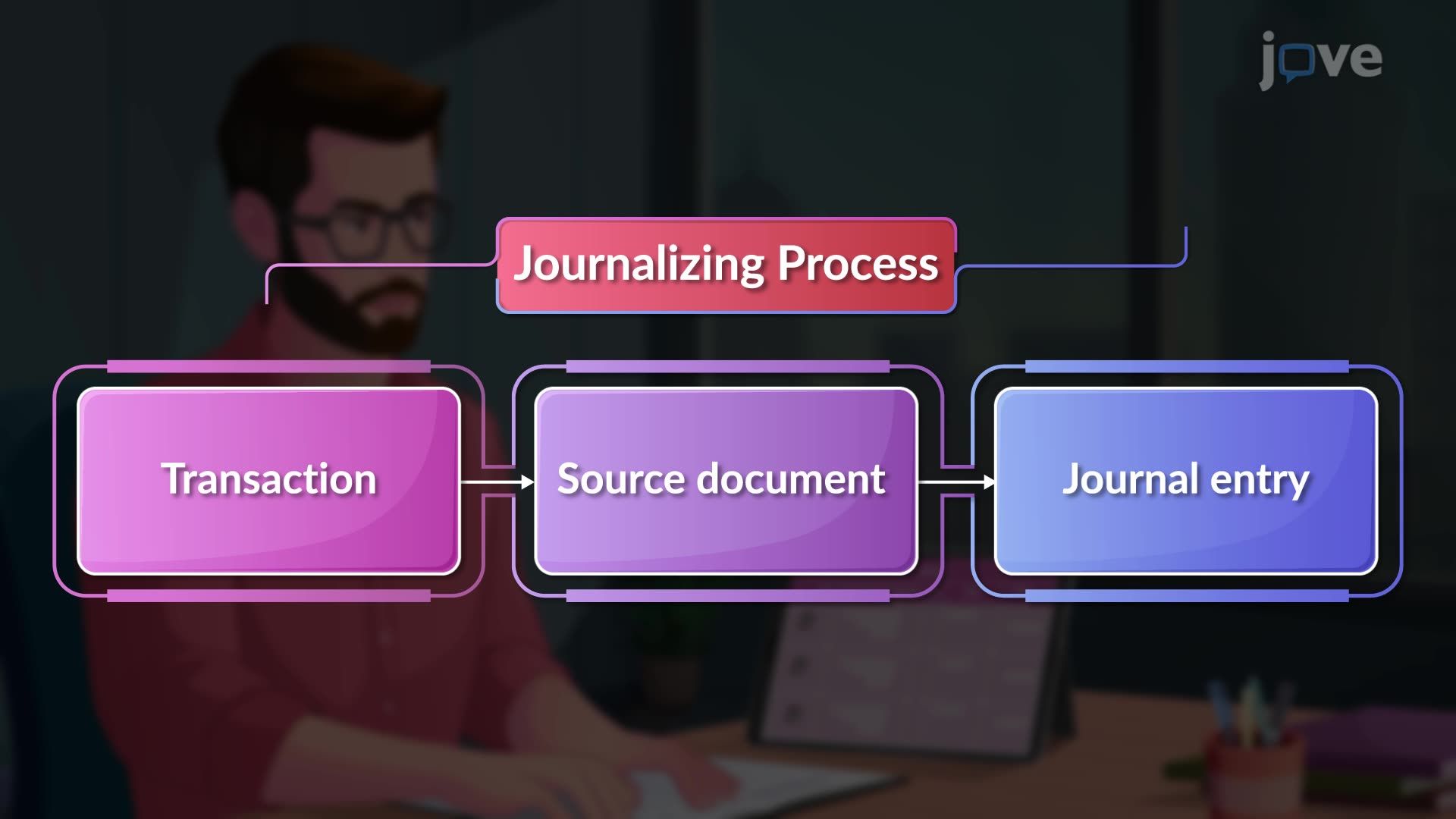
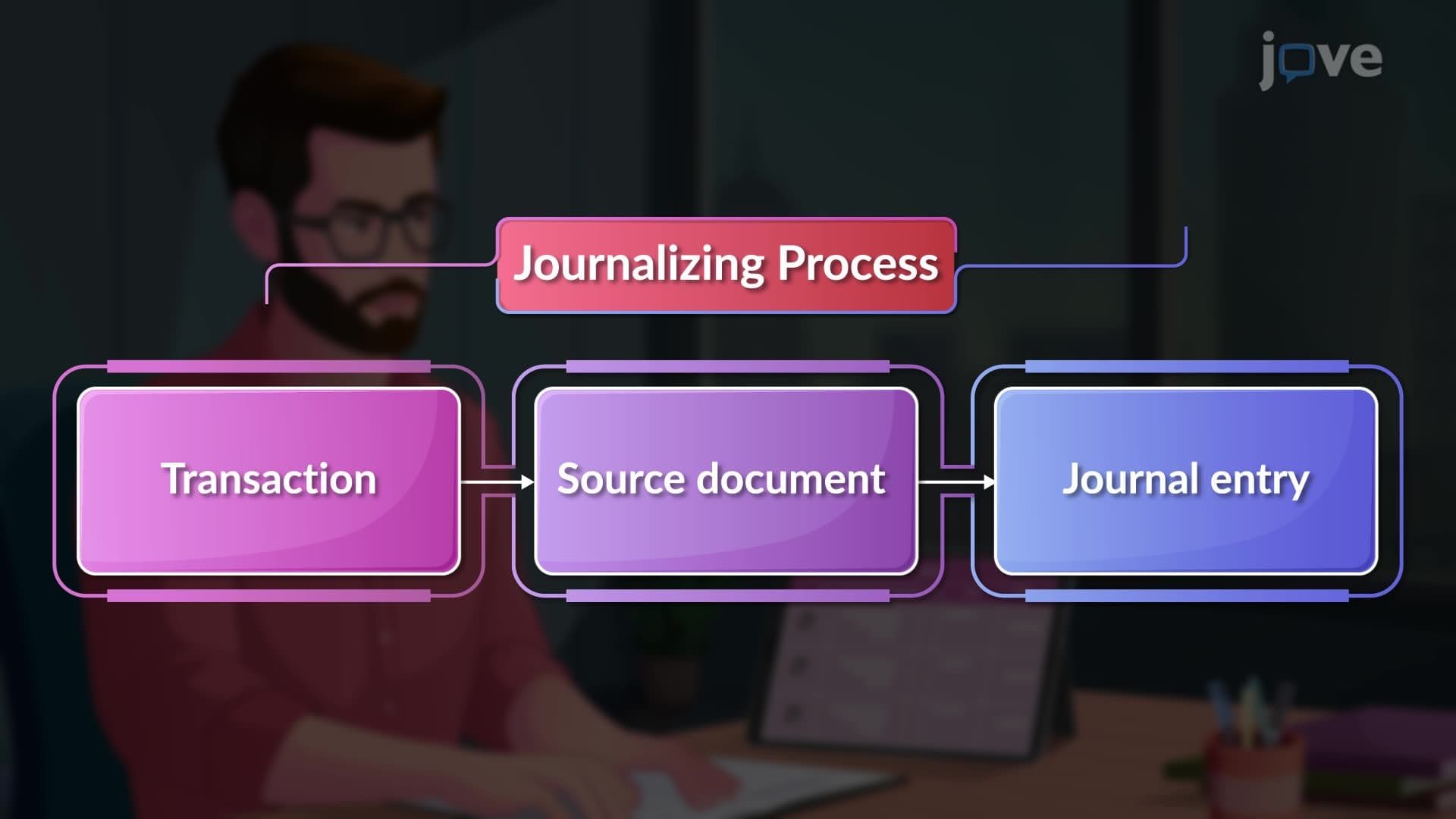
The process of recording transactions is called journalizing, and it follows a consistent three-step logic that managers can use as a mental checklist when reviewing financial activity:
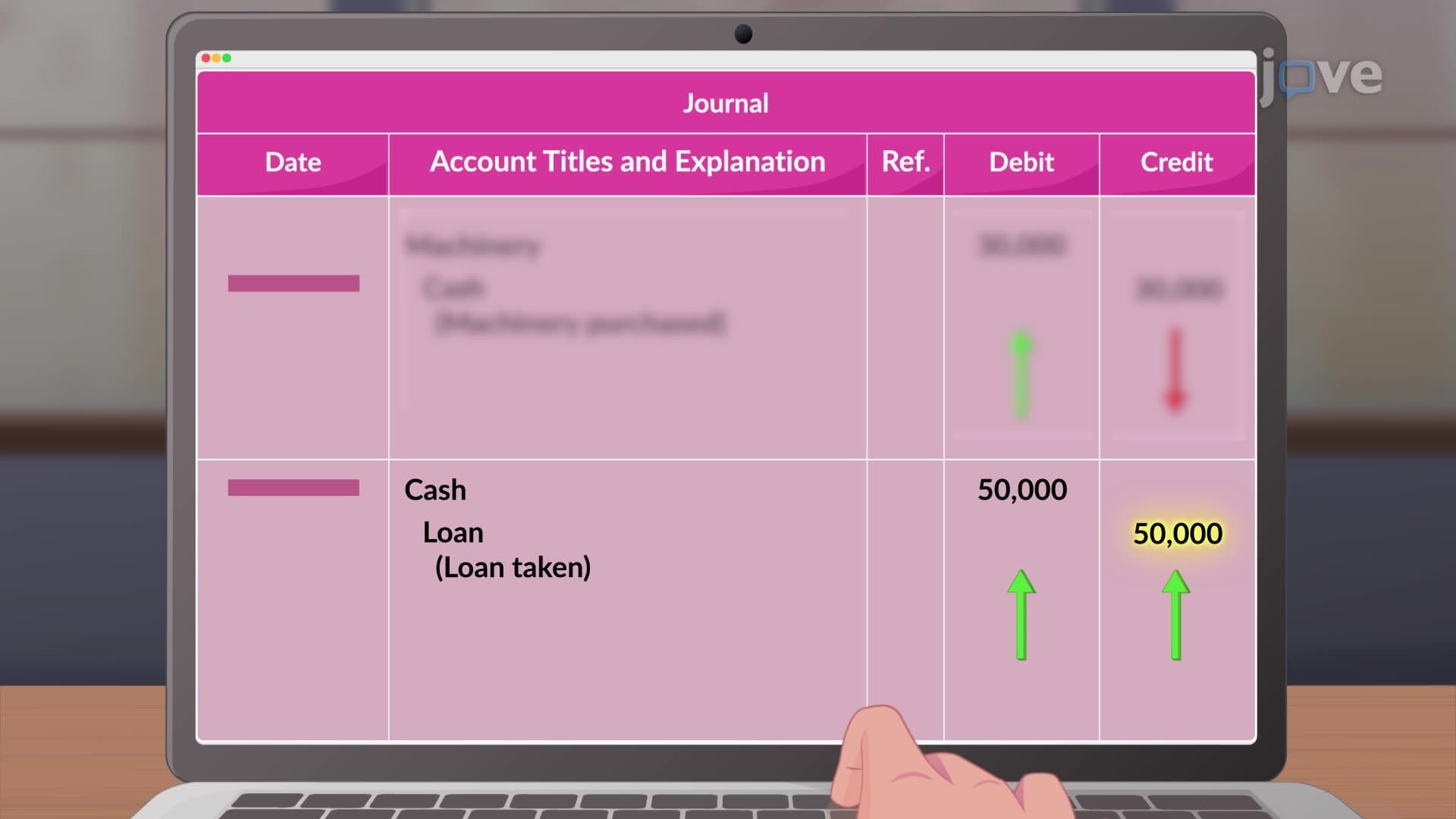
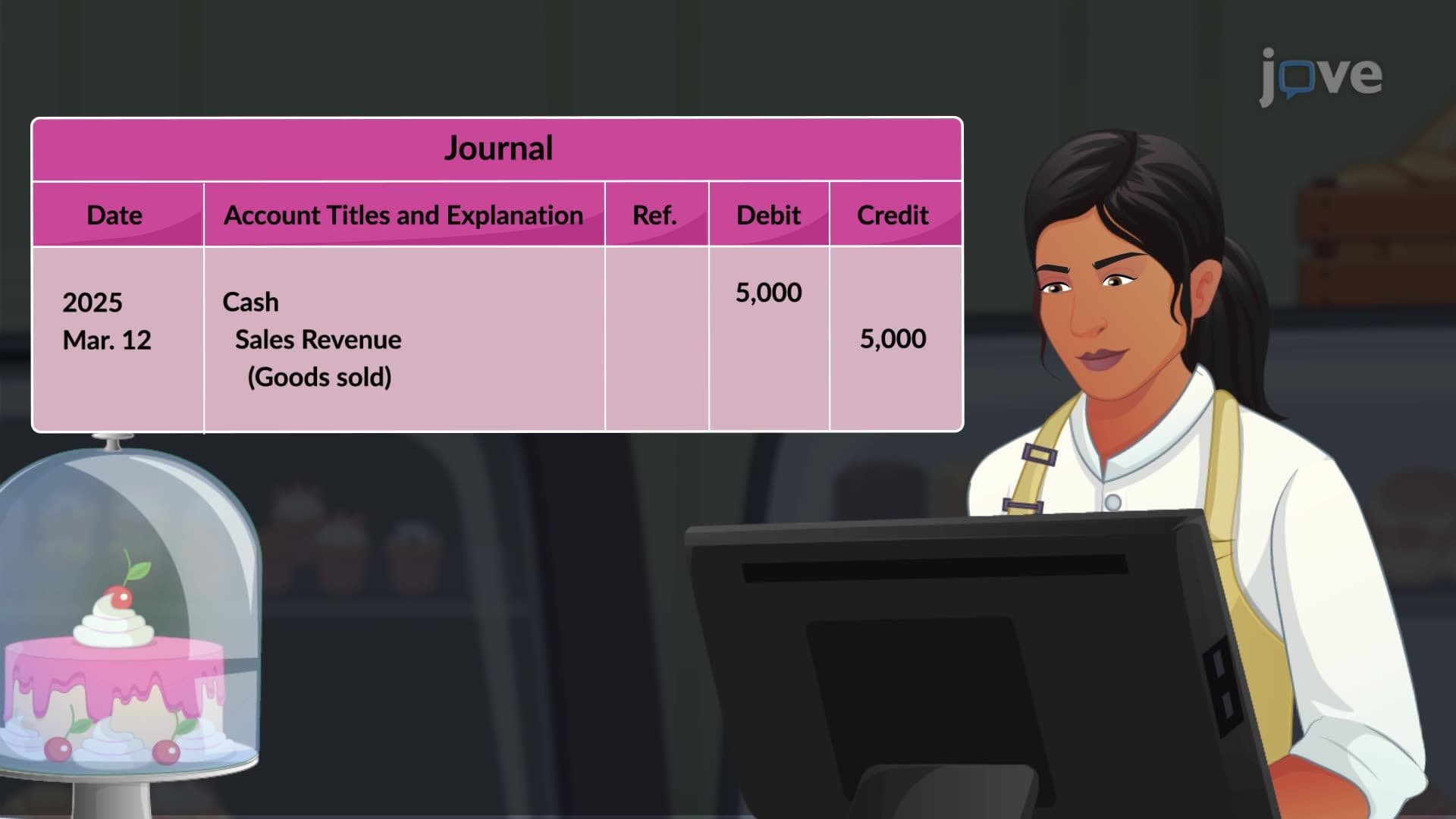
1. Identify the accounts affected, Which buckets of money are touched? Cash, capital, expenses, revenue? 2. Apply the rules of debit and credit, Debits and credits don't mean "good" or "bad." They describe direction. Cash received gets debited; the corresponding source gets credited. This is the double-entry accounting principle: every transaction affects at least two accounts equally. 3. Confirm the narration, A proper journal entry includes a short written explanation of what happened and why. If a narration is vague or missing, that's a red flag worth raising.
Think of this as a version of the RACI model applied to financial recording, someone is responsible for the entry, someone accountable for its accuracy, and the narration provides the audit trail that consultants or leadership need during reviews.
You don't need to be an accountant to use this knowledge effectively. Here's how to put it to work immediately:
The most frequent error managers make is treating financial records as someone else's domain until something goes wrong. By then, the paper trail is cold and accountability is blurry. A second common mistake is accepting vague narrations on journal entries without question. If you can't tell from the description what the transaction was for, neither can anyone reviewing it six months later. Build a culture on your team where clarity in financial documentation is a non-negotiable standard, not a box-ticking exercise.
Related Micro-courses