Loading subject page…

7,374 views

Video Summary: Recording Process Under Gaap and Ifrs Explained
Managing cross-border operations or working with international teams means navigating financial reports built on different rules. The recording process under GAAP and IFRS basics directly impacts how inventory values are reported, compared, and interpreted across jurisdictions. Understanding these frameworks helps managers make sharper decisions when evaluating financial performance. Watch the full video on JoVE Coach to master this concept with expert-led visuals and step-by-step explanations.
Picture this: your organization operates across two regions, one reporting under GAAP and another under IFRS. The same inventory, purchased at the same price, hit by the same market downturn, produces two entirely different balance sheet figures. Your finance team is fielding questions from senior leadership, and as the manager in the room, you need to explain why the numbers don't match. This is exactly where a working understanding of the recording process under GAAP and IFRS stops being an accounting technicality and becomes a leadership essential.
Most managers outside of finance encounter GAAP and IFRS as background noise, acronyms on reports they didn't author and rarely question. The challenge sharpens when leading cross-functional teams, managing vendor relationships across borders, or presenting consolidated financial performance to senior stakeholders. Without a grounding in how inventory is recorded under each framework, managers risk misreading profitability signals, making flawed resource decisions, or losing credibility in finance-heavy conversations. The core tension is simple but consequential: GAAP locks in a write-down permanently, while IFRS allows for reversal under specific conditions.
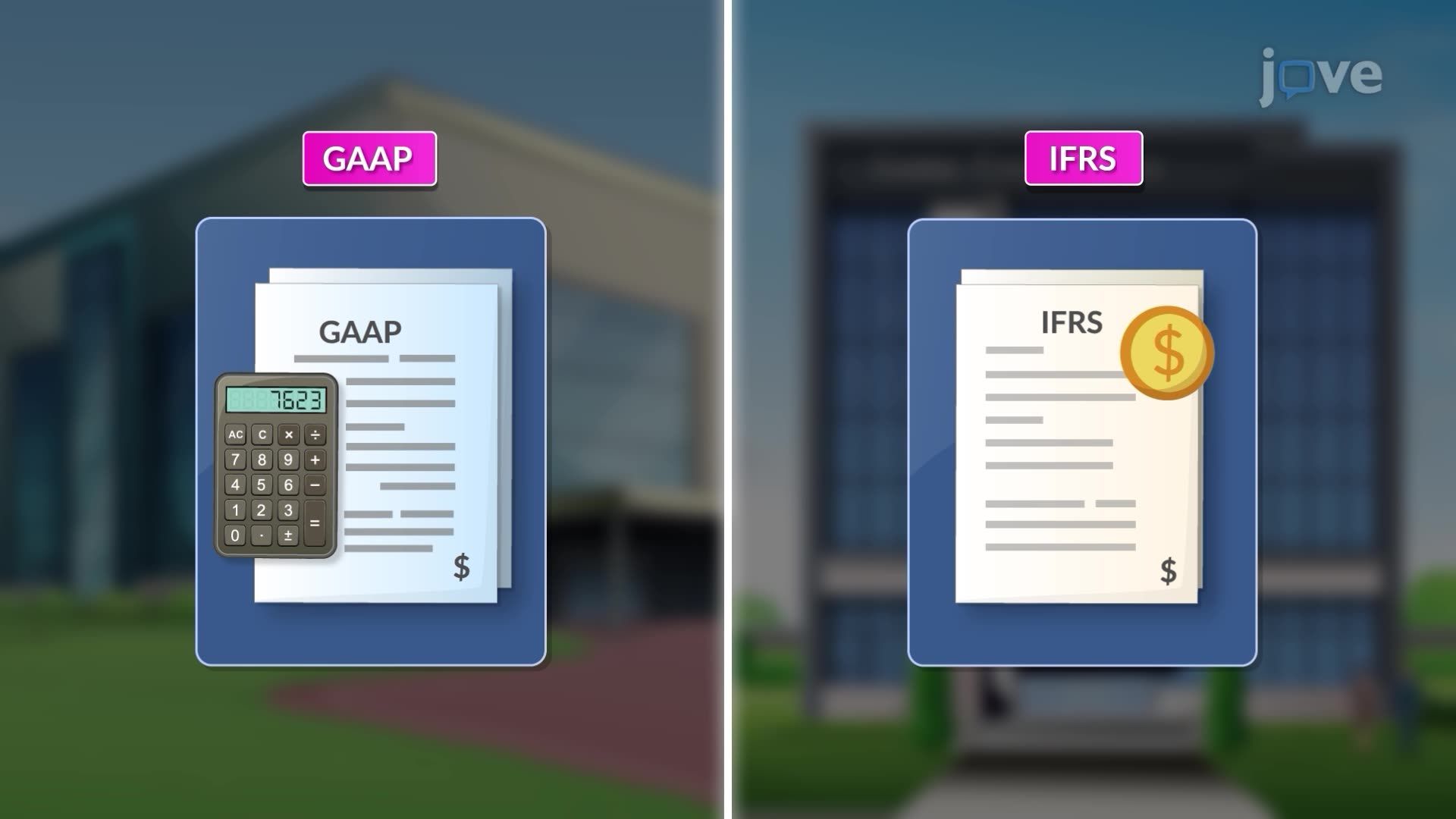
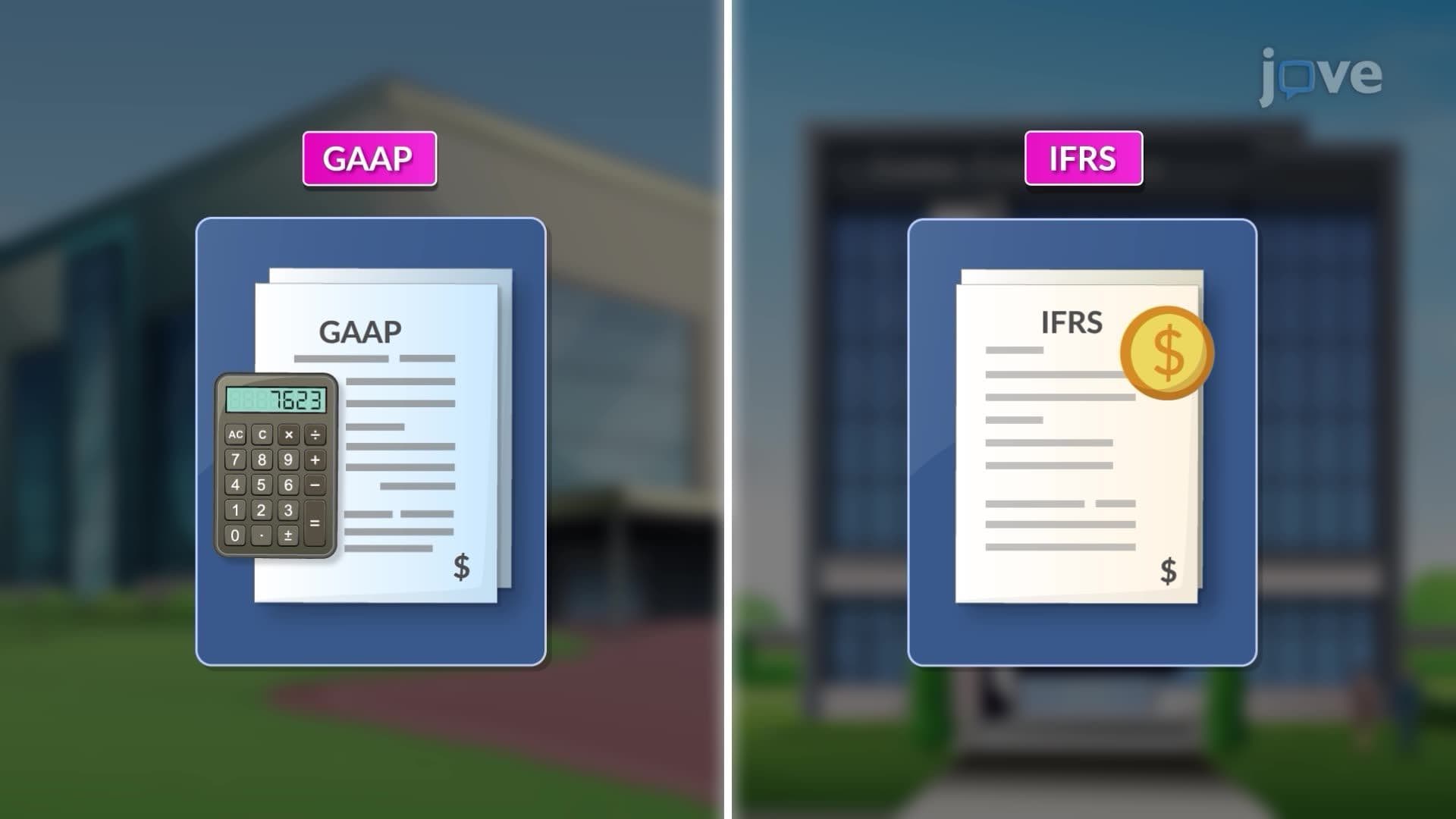
Think of inventory valuation under these two frameworks as a decision tree with a clear fork. Under GAAP, the lower of cost or market rule applies. If inventory drops in value, it is written down, and that lower value becomes the new permanent cost basis. No reversal is permitted, regardless of future recovery. Under IFRS, inventory is measured at the lower of cost or net realizable value. Net realizable value reflects the expected selling price, less any costs still needed to complete and sell the item. Critically, if market conditions improve and net realizable value recovers, IFRS permits a partial reversal, up to the original cost ceiling, never beyond it.
A useful mental model here borrows from risk management thinking: treat GAAP write-downs as a one-way gate and IFRS write-downs as a two-way valve. Both frameworks demand a write-down on the way down. IFRS adds the option, not obligation, to recover value on the way back up. Mapping this distinction visually in a team briefing or stakeholder update clarifies what would otherwise look like inconsistent reporting.
Managers don't need to prepare journal entries. They do need to ask sharper questions. When reviewing inventory-related financial data, ask: which framework governs this report, and have any write-downs occurred this period? If so, is a reversal possible or already reflected? These three questions immediately signal financial literacy and help surface assumptions baked into the numbers.
For teams operating across jurisdictions, introduce a lightweight RACI-style clarity check: who is responsible for flagging framework differences, who is accountable for consistent reporting decisions, who needs to be consulted when values shift, and who should be informed of the impact on margins. This prevents the common failure where GAAP and IFRS differences surface only during audits or leadership reviews, too late to course-correct.
The most frequent managerial misstep is treating these two frameworks as interchangeable. Assuming that an inventory write-down under one system behaves identically under the other leads to flawed performance comparisons, especially in organizations going through mergers, international expansions, or reporting consolidations. A second mistake is delegating framework awareness entirely to the finance function without building any working knowledge at the management level. When your team operates closer to inventory, in supply chain, procurement, or product operations, even a surface-level grasp of these recording rules sharpens judgment and reduces escalation lag.
Related Micro-courses