Loading video…

 7 Concepts
 2.1K views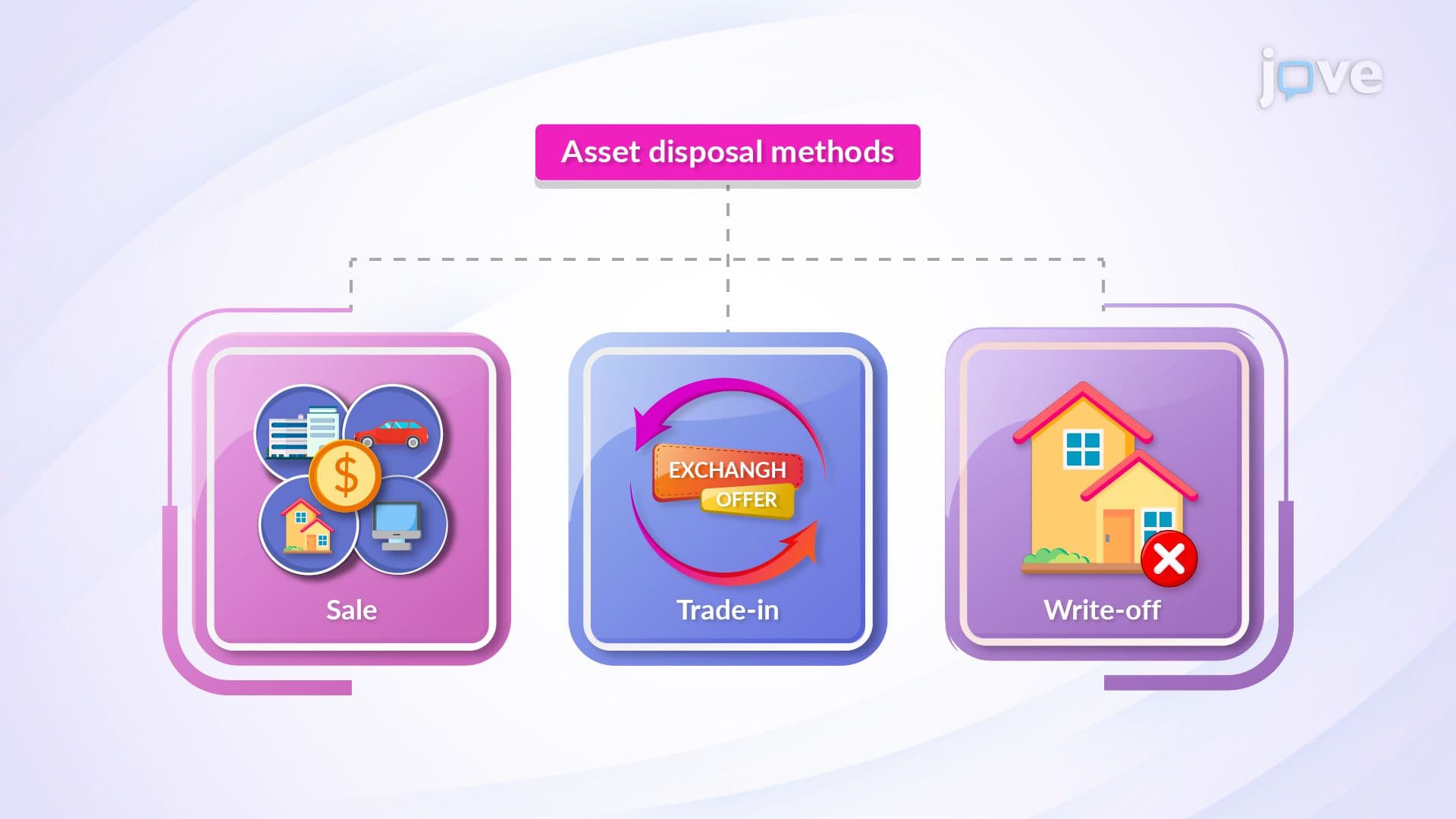

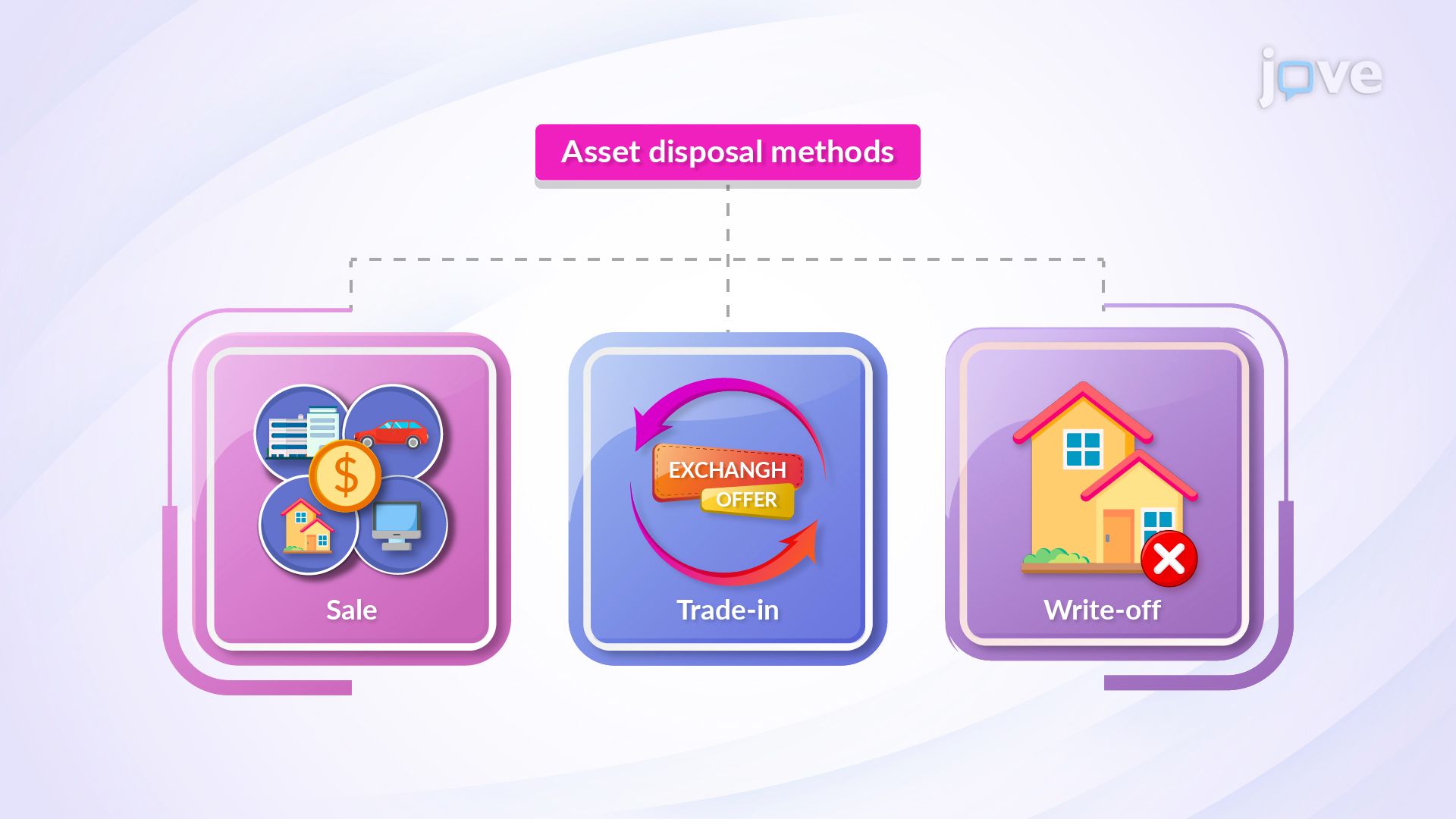
Video Summary: Sales Trade Ins and Write Offs in Asset Disposal
Sales, trade-ins and write-offs in asset disposal become critical decisions when aging equipment starts draining budgets or slowing operations. Understanding sales, trade-ins and write-offs in asset disposal basics helps managers make faster, more defensible decisions about retiring underperforming assets, without waiting on finance to interpret the numbers. Mishandling these moments creates costly errors in your team's budget and reporting accuracy. Watch the full video on JoVE Coach to master this concept with expert-led visuals and step-by-step explanations.
Picture this: your team has been operating with aging equipment for over a year. The maintenance costs keep climbing, productivity is slipping, and leadership is asking why your department's operating costs are above target. The real issue isn't performance, it's that nobody has formally assessed the asset lifecycle or initiated a disposal process. This is where understanding sales, trade-ins, and write-offs in asset disposal becomes a direct management competency, not just an accounting formality.
Most managers treat asset disposal as a back-office function, something finance handles after the fact. In reality, the decision to sell, trade in, or write off an asset starts on the operational floor, not in a spreadsheet. When managers lack basic fluency in how asset disposal affects financial records, they either delay necessary replacements or approve them without understanding the downstream budget impact. This creates friction with finance partners and erodes credibility in budget reviews.
The asset lifecycle framework, acquisition, deployment, maintenance, and disposal, makes this clearer. Disposal isn't the end of a process; it's a strategic inflection point. Managers who understand where their assets sit in that lifecycle make faster decisions with fewer escalations.
Not every aging asset qualifies for the same exit route. Use this practical decision tree:
Understanding this distinction also helps you have sharper conversations with finance during quarterly reviews, where asset turnover ratios and maintenance-to-value comparisons often surface.
The most frequent error managers make is confusing book value with market value, assuming that because something appears on the asset registry, it holds real operational worth. Book value is an accounting figure, not a market assessment. Acting on book value alone without checking actual condition or resale potential leads to poor disposal decisions.
A second mistake is delaying write-offs out of reluctance to show a loss. Carrying damaged or non-functional assets on the books inflates your fixed asset register and skews depreciation calculations. Finance teams increasingly use asset turnover ratios, calculated as net revenue divided by average total assets, to evaluate departmental efficiency. Bloated asset registers work against you in those reviews.
Finally, avoid initiating trade-ins or sales without coordinating with your finance and procurement teams early. Each disposal method triggers specific journal entries, approval workflows, and potentially tax implications. Managers who loop in the right stakeholders from the start move faster and avoid costly reversals.
Related Micro-courses