Loading subject page…

5,288 views


Video Summary: Preparation of Investing Activities
Preparation of investing activities is a critical financial skill managers overlook until capital decisions come back to bite them. When your team spends on equipment, infrastructure, or long-term assets, understanding how those decisions hit your cash position separates reactive managers from strategic ones. Master preparation of investing activities basics to lead smarter budget conversations. Watch the full video on JoVE Coach to master this concept with expert-led visuals and step-by-step explanations.
Picture this: your operations team has just approved the purchase of new equipment to scale production. Separately, your division offloaded an older asset to free up space. Two weeks later, finance flags a significant drop in cash reserves, and leadership wants answers. If you cannot explain the difference between what was spent, what was recovered, and what the net impact on cash looks like, you are not just underprepared. You are a liability in that room.
That is precisely why preparation of investing activities deserves serious attention from anyone in a management role who touches budgets, capital planning, or operational scaling.
Most managers conflate profitability with cash availability. A business can be profitable on paper and simultaneously cash-poor, and investing activities are a primary reason why. When your organization acquires long-term assets like machinery, technology infrastructure, or property, that cash leaves the business immediately, even if the asset delivers value over five to ten years.
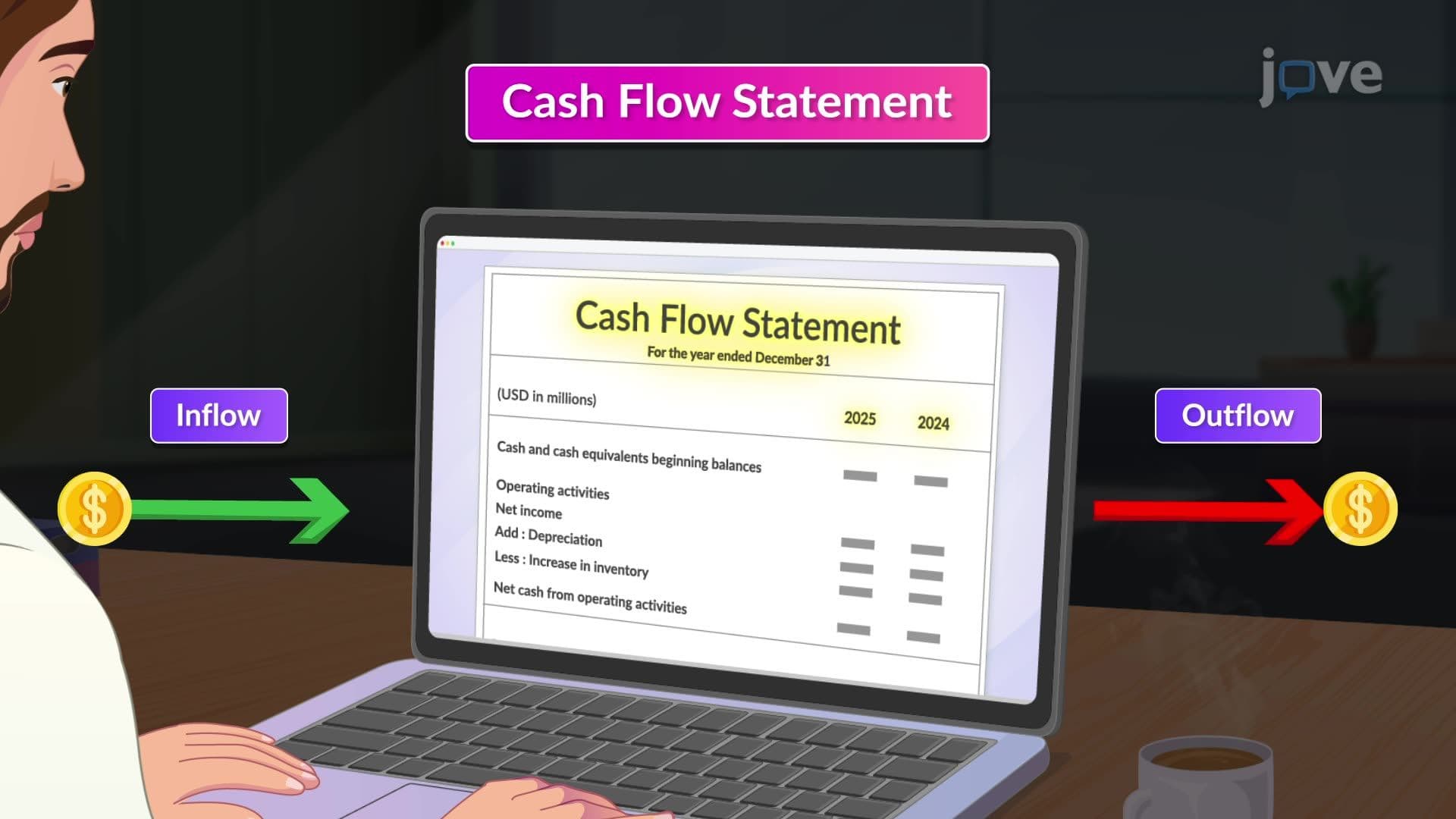
The disconnect happens because managers are often trained to think in P&L terms, revenue versus cost. The cash flow statement, and specifically the investing section, operates on a different logic: when did cash actually move, and in which direction? Confusing these two creates poor timing in capital decisions and miscommunication with finance partners.
A practical approach is to build what finance professionals call an Inflow-Outflow Map for every significant capital decision under your purview. Here is how to apply it:
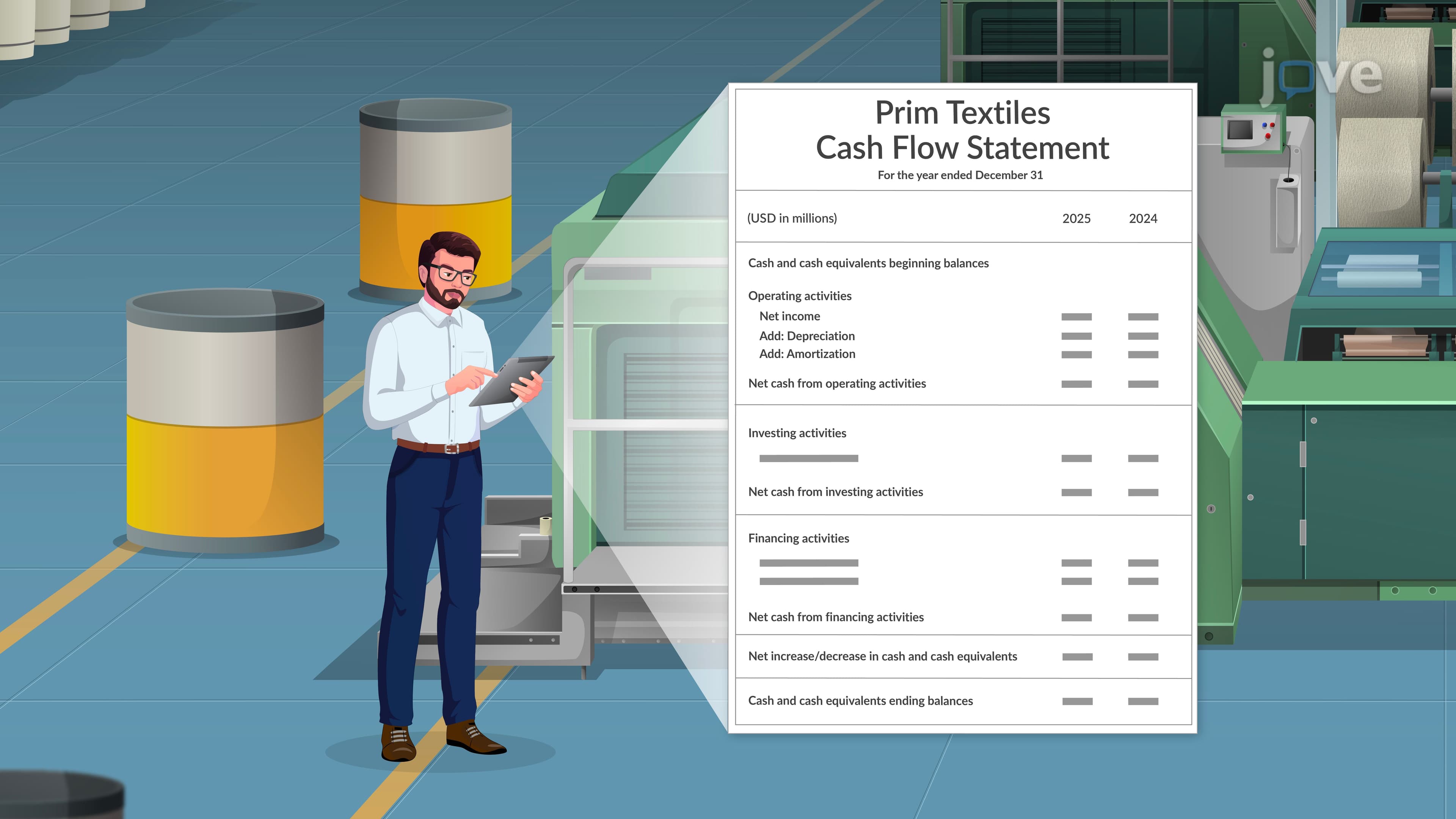
1. List every planned asset purchase for the period, equipment, software systems, vehicles, infrastructure. Each is a cash outflow. 2. List every planned asset disposal or sale, old equipment being retired, surplus property, decommissioned tools. Each is a cash inflow. 3. Calculate the net position: Total Outflows minus Total Inflows equals Net Cash Used in Investing Activities. 4. Contextualize the net figure: Is this net outflow sustainable given current operating cash generation? Does it align with financing plans?
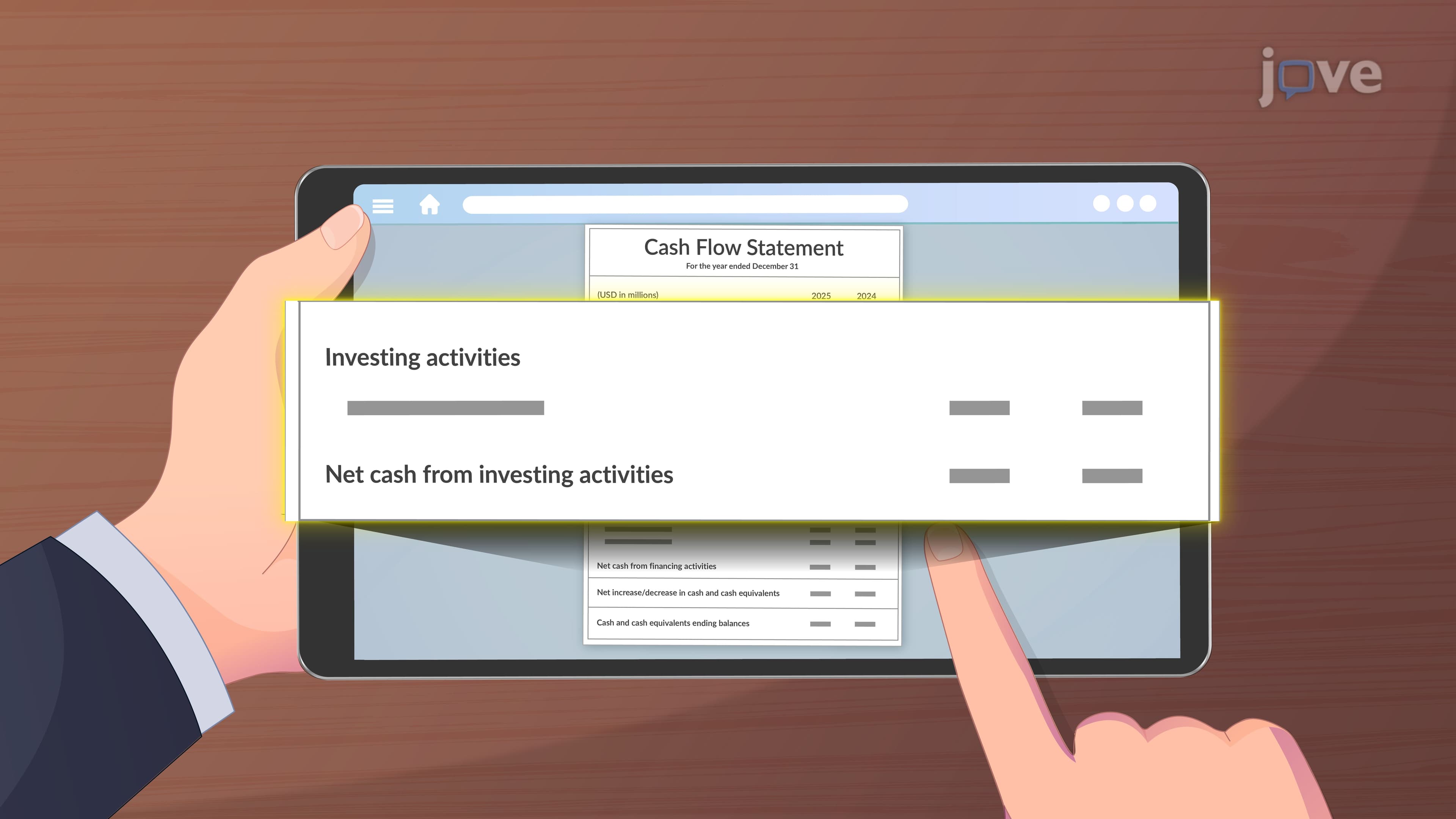
This framework maps directly onto the formal preparation of investing activities used in financial reporting, and it gives you a language that finance, the CFO, and the board already use. Speaking that language is a credibility multiplier in leadership conversations.
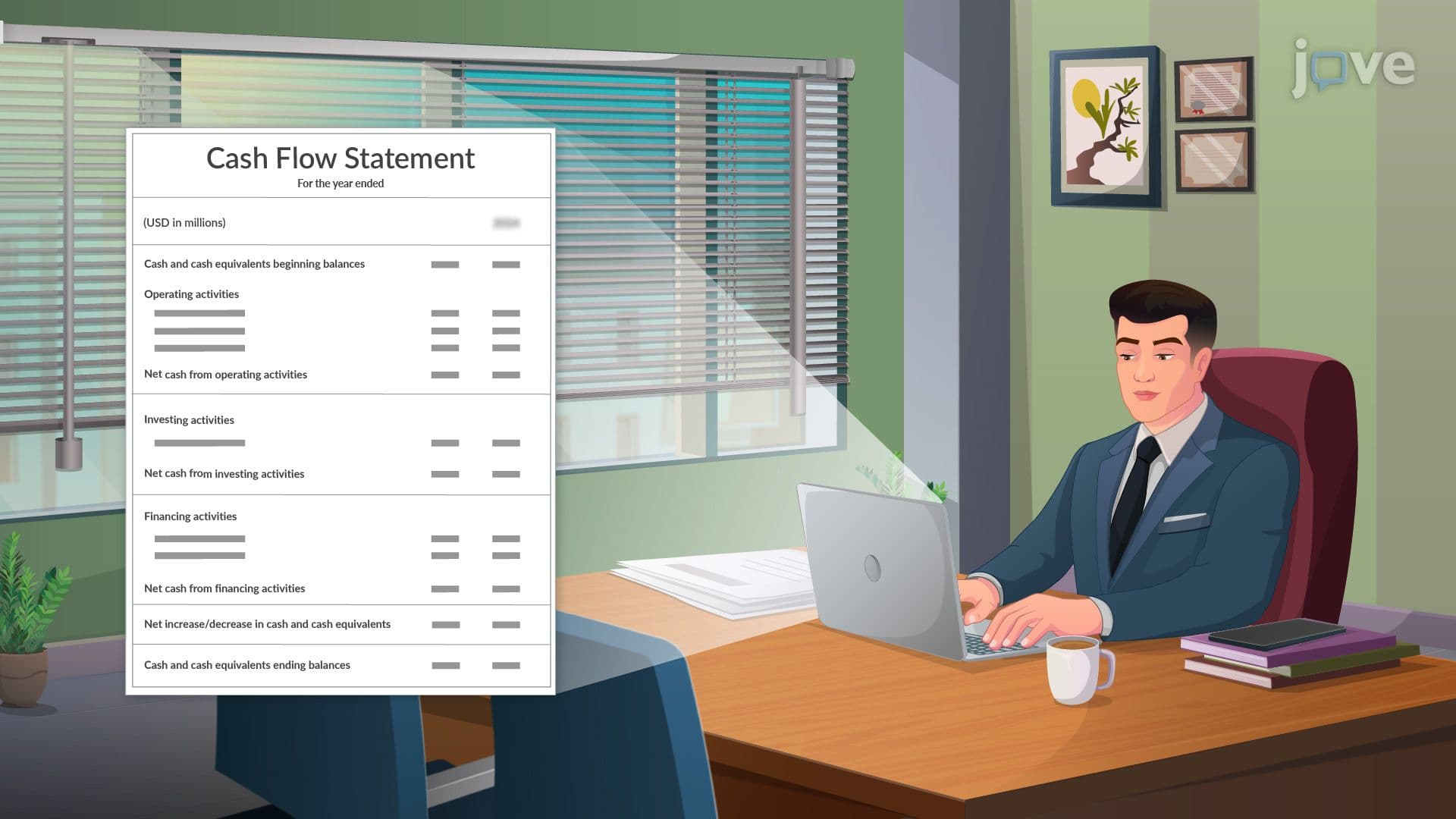
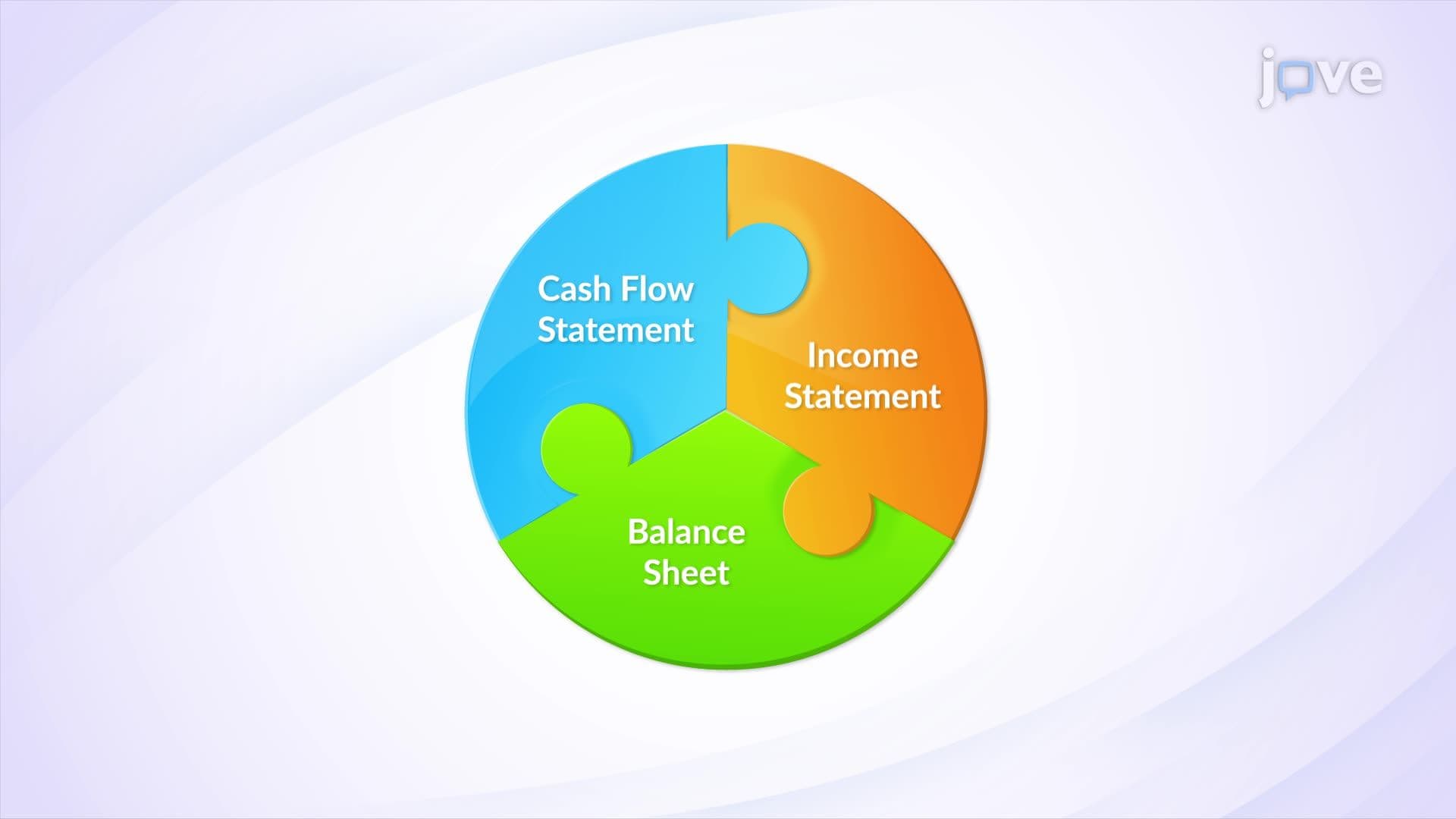
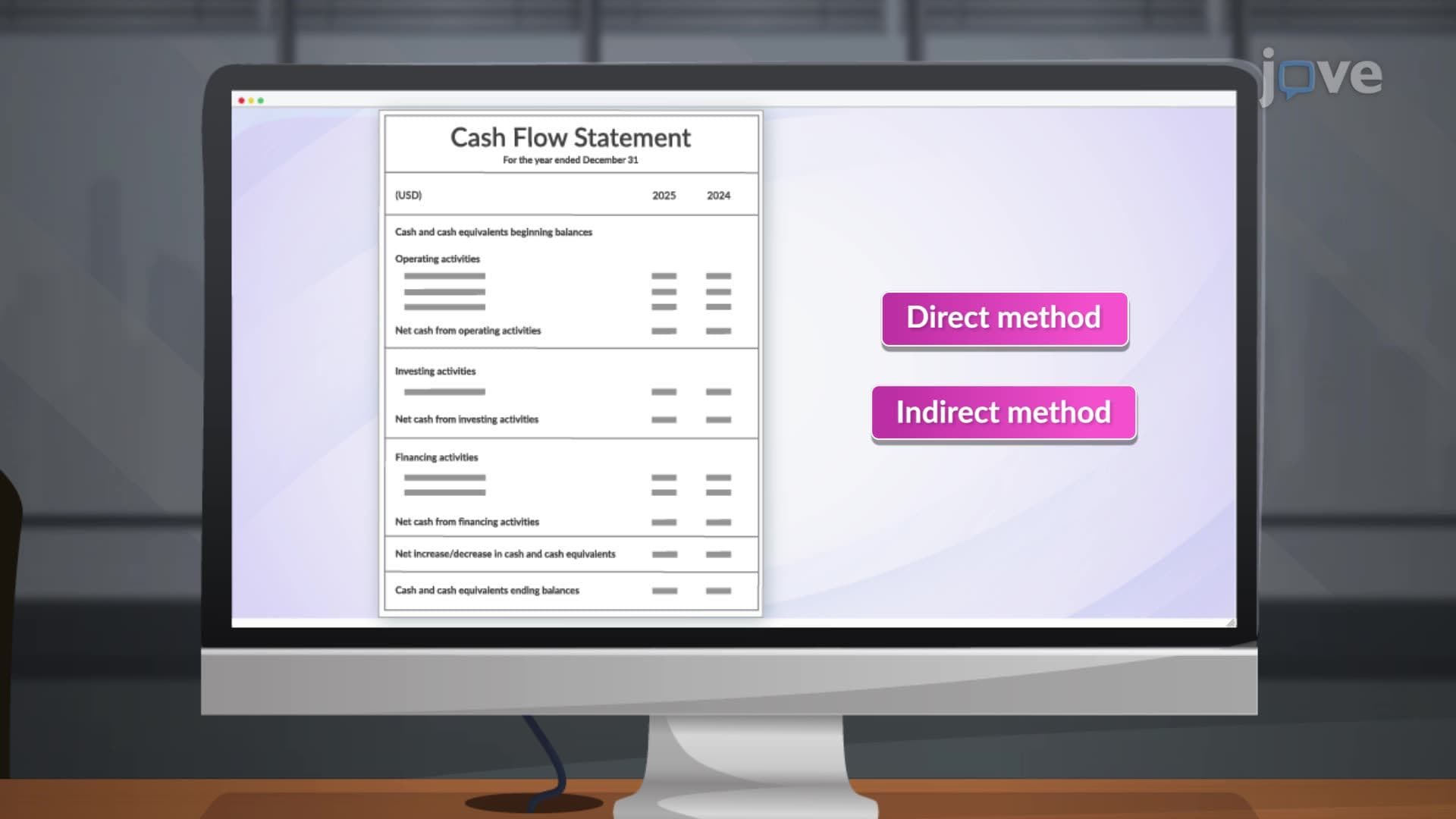
Investing activities do not exist in isolation. They sit alongside operating activities, which reflect day-to-day cash from core business, and financing activities, which reflect debt, equity, and dividends. Understanding how all three interact is what separates a manager who reads financial reports from one who can influence them.
For instance, a heavy net cash outflow from investing (large equipment purchase) may be entirely appropriate if operating activities are generating strong positive cash flow. But if operating cash is already tight, that same investment creates a compounding problem. Managers who understand this interplay make better timing decisions, they know when to push for capital expenditure and when to defer.
Managers who build fluency in preparation of investing activities do not just pass the finance literacy test, they earn a seat at the strategic planning table.
Related Micro-courses