Loading video…

 17 Concepts
 5.3K views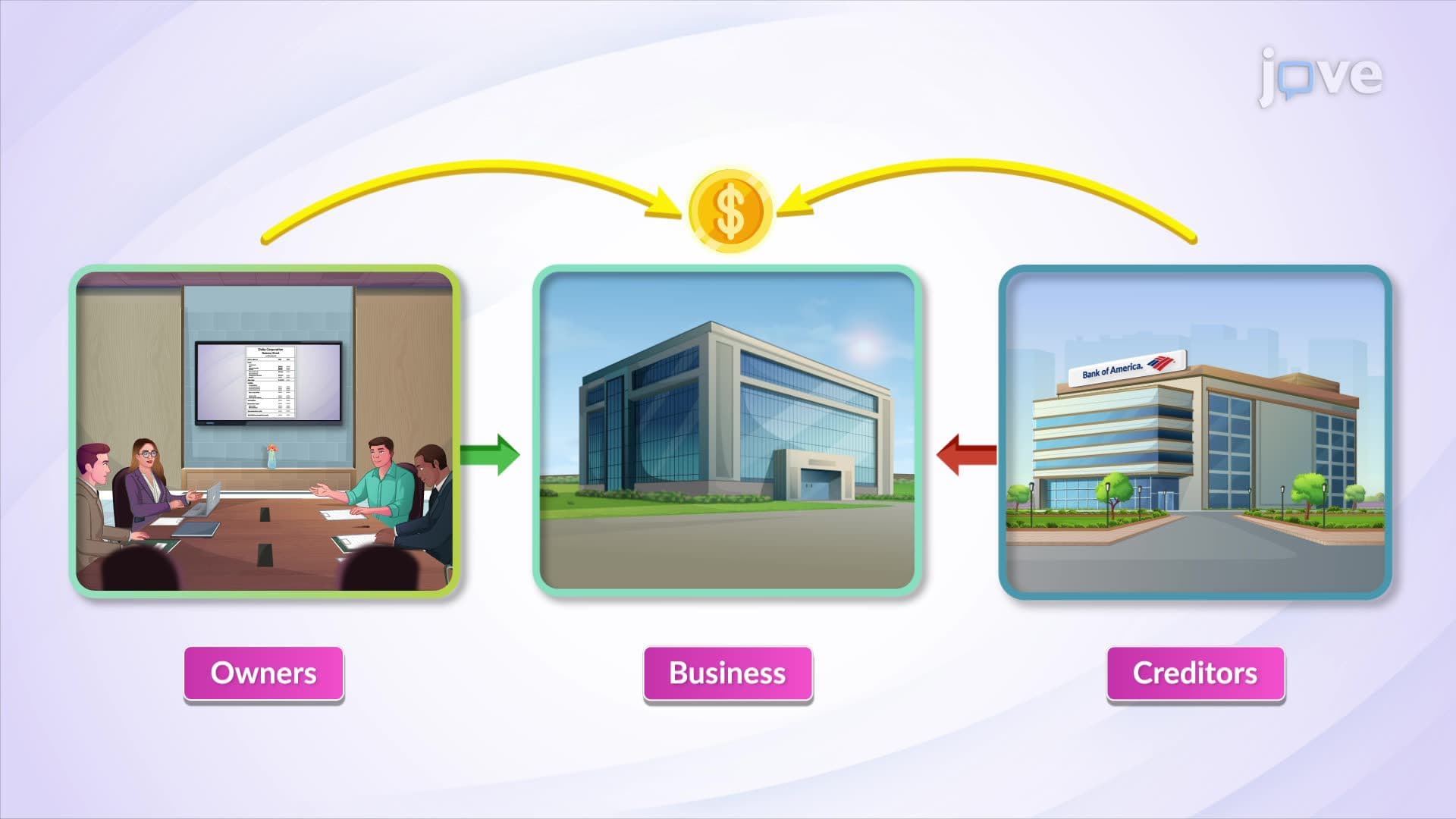

Video Summary: Preparation of Financing Activities
Preparation of financing activities becomes critical when managers need to explain capital decisions to their teams or justify resource allocation to senior leadership. Understanding this concept helps you decode how your organization funds growth, repays obligations, and returns value to stakeholders. Misreading these signals leads to flawed planning decisions. Watch the full video on JoVE Coach to master this concept with expert-led visuals and step-by-step explanations.
A mid-level manager is building a business case for a new initiative. The budget looks healthy on paper, but leadership keeps pushing back. What the manager doesn't realize is that the organization has recently taken on significant debt and is actively managing repayment obligations, signals clearly visible in the financing activities section of the cash flow statement. Without this context, even well-reasoned proposals land flat. Understanding the preparation of financing activities isn't just an accounting skill, it's a strategic leadership competency.
Most managers are comfortable with revenue targets and operating budgets but rarely engage with the financing section of a cash flow statement. This gap creates a blind spot: decisions get made without understanding whether organizational growth is being funded through new equity, borrowed capital, or internal reserves. The result is misaligned planning, under-resourced initiatives, and avoidable friction with finance teams. Financing activities reveal the structural health of an organization's capital strategy, and managers who can read those signals operate at a higher strategic level.
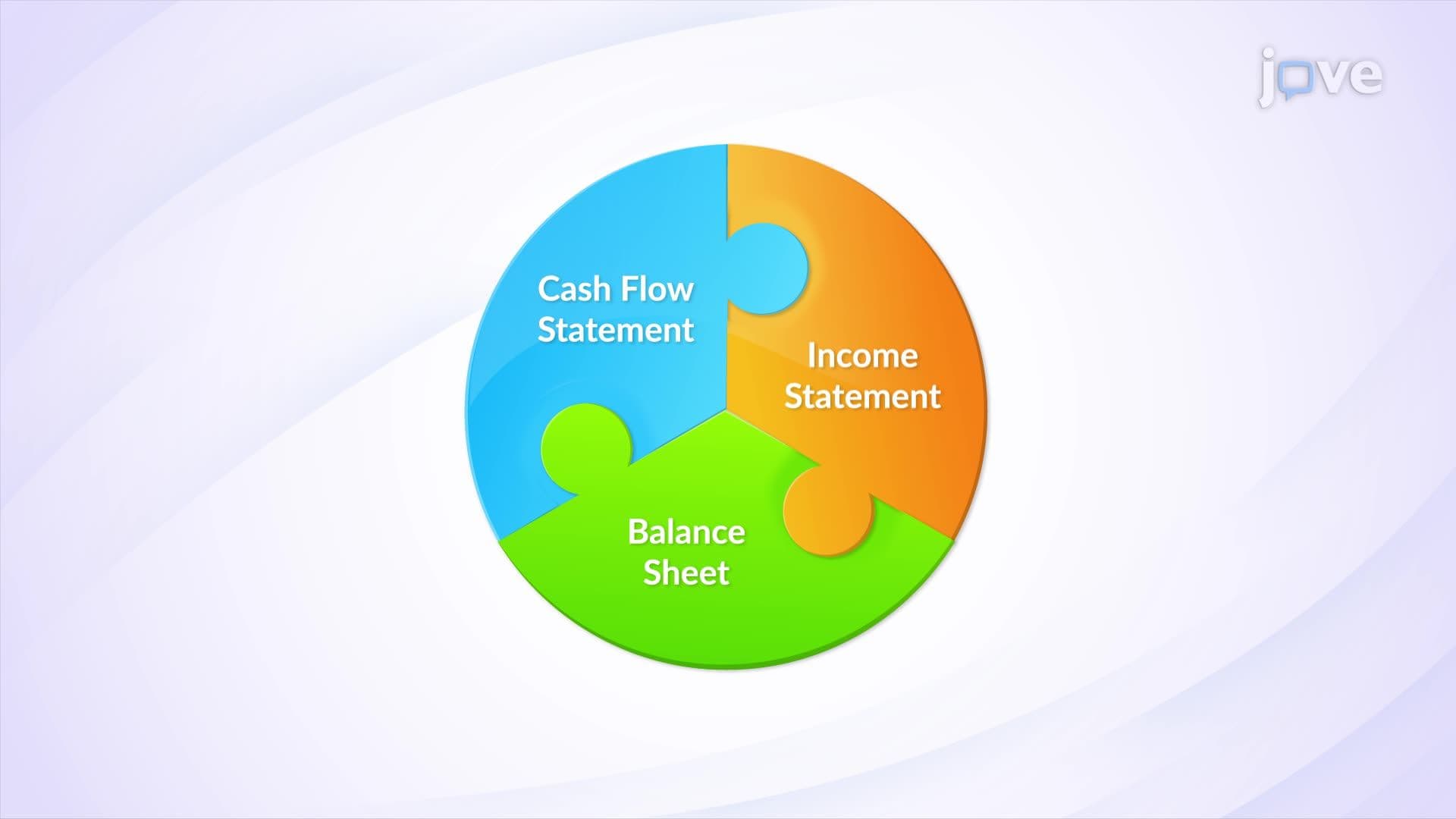
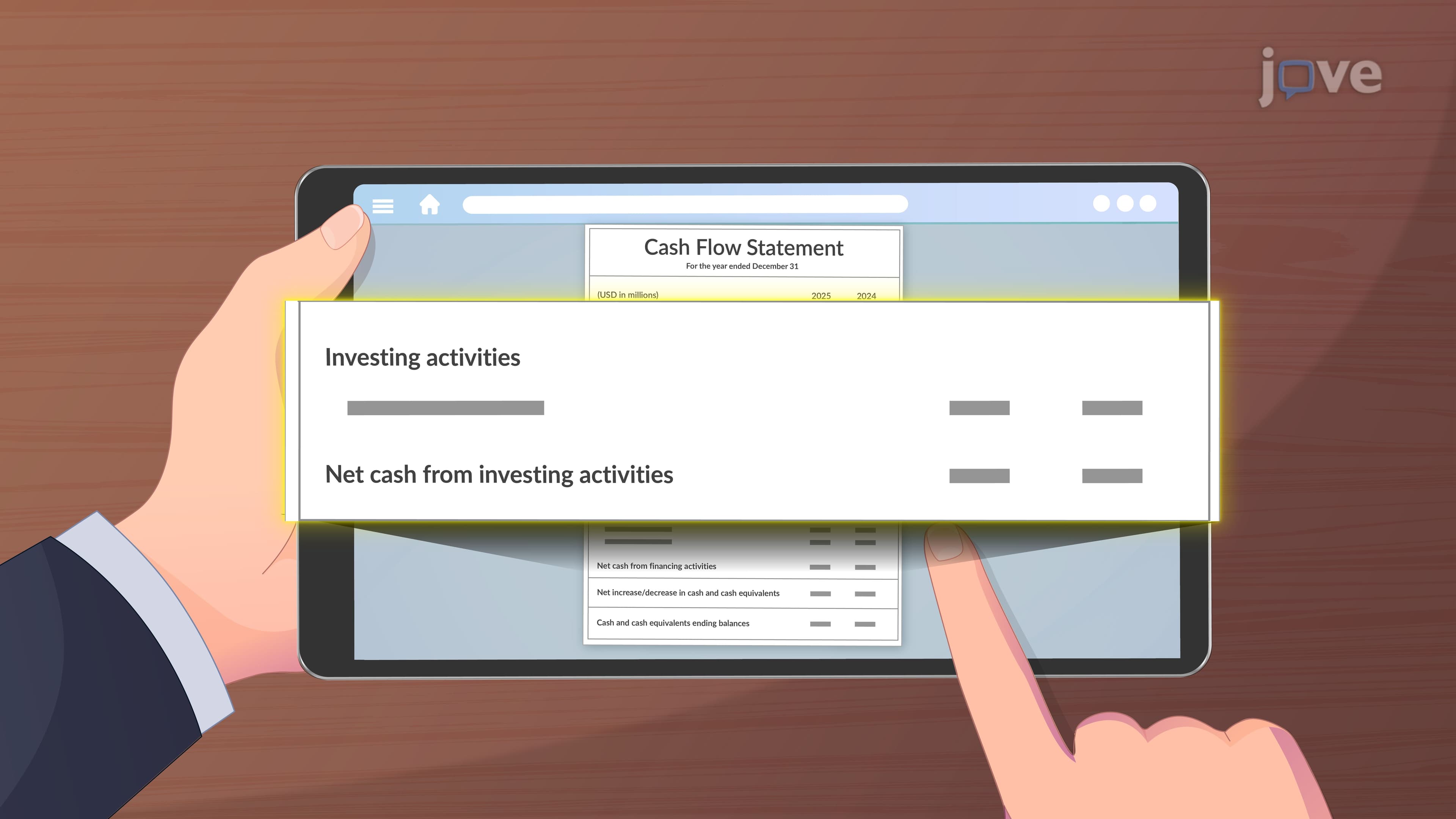
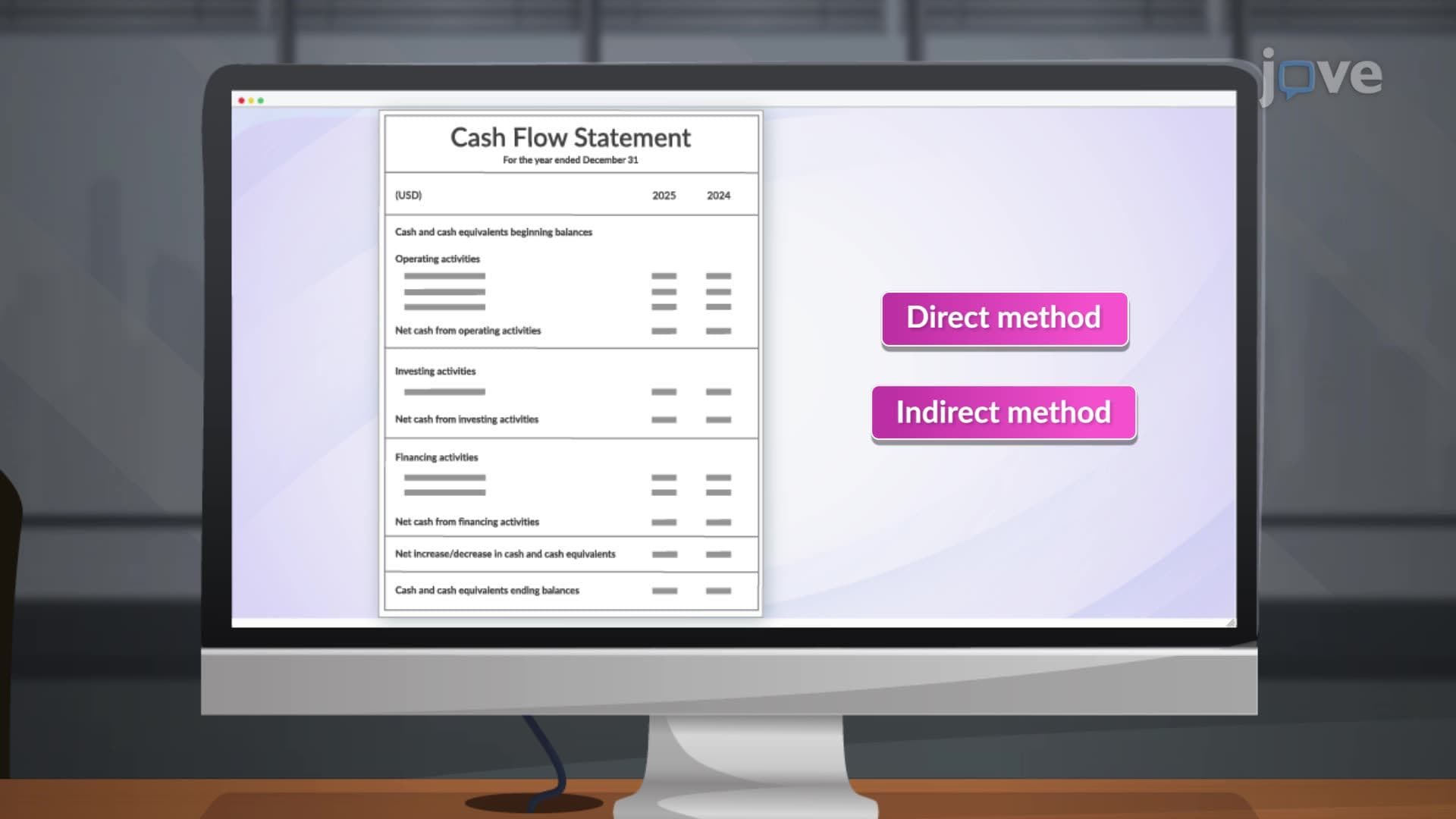
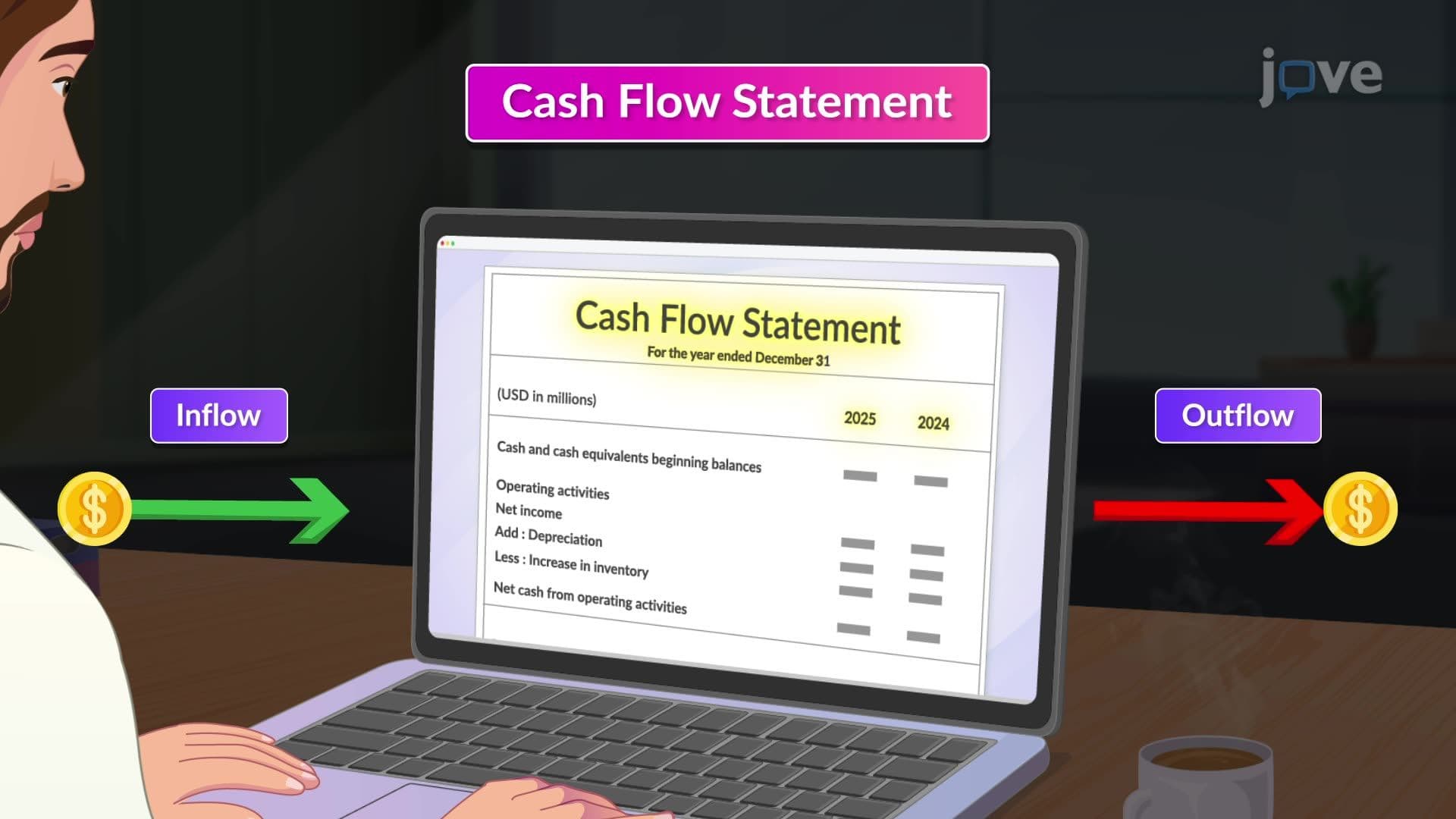
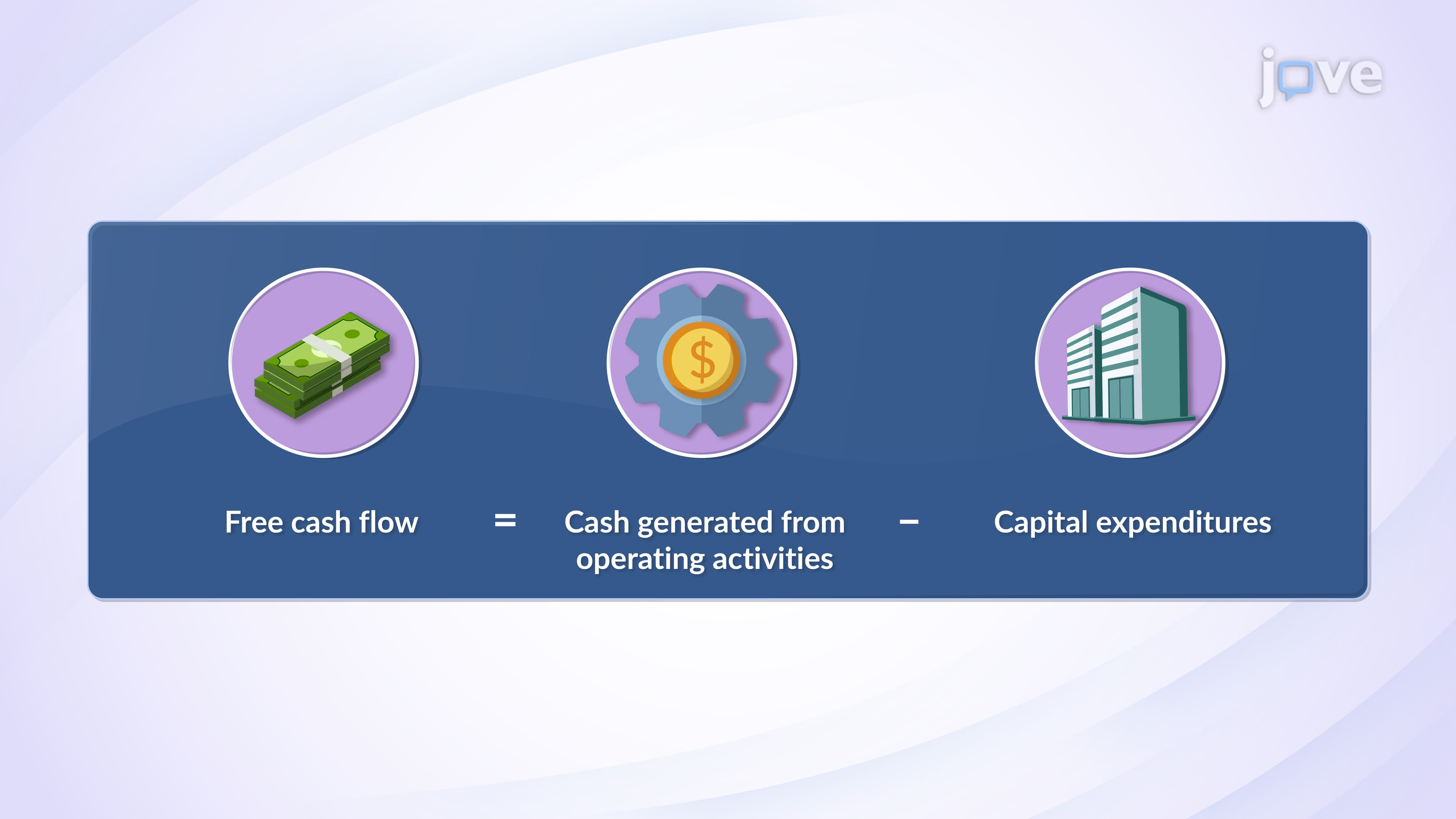
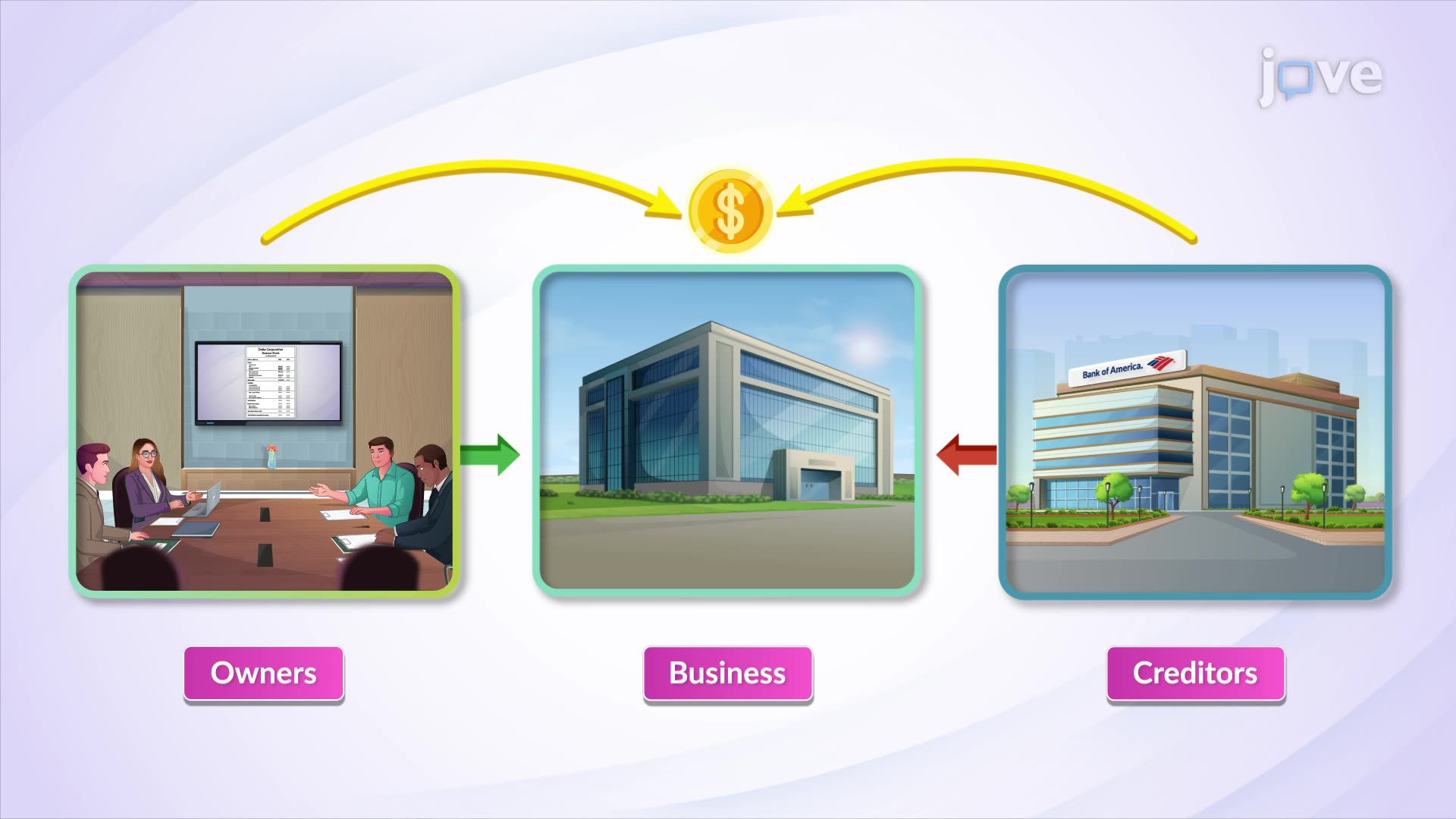
Think of financing activities in three categories: raising capital (share issuances, new loans), returning capital (dividend payments, share buybacks), and repaying obligations (loan repayments, debt settlements). This tripartite lens maps directly onto your organization's growth posture. When inflows significantly exceed outflows, a positive net cash flow from financing activities, the organization is actively investing in expansion. When outflows dominate, it signals debt reduction or capital return to shareholders. Apply this framework when reviewing quarterly financial updates or preparing budget justifications. Pair it with the broader cash flow statement, which also includes operating activities (day-to-day business performance) and investing activities (asset acquisitions and disposals), for a complete picture.
When you're preparing for a business review, a headcount request, or a strategic planning cycle, pull up the most recent cash flow statement and look specifically at the financing activities section. Ask three questions: Is the organization raising new capital? Is it repaying existing obligations? Is it distributing returns to shareholders? These answers reframe your request in terms leadership actually uses. If the organization just secured significant debt financing, frame your initiative around growth enablement. If dividend payments and loan repayments dominate, position your request around efficiency and cost optimization. This approach, aligning your language with the organization's capital reality, dramatically increases the credibility of your proposals.
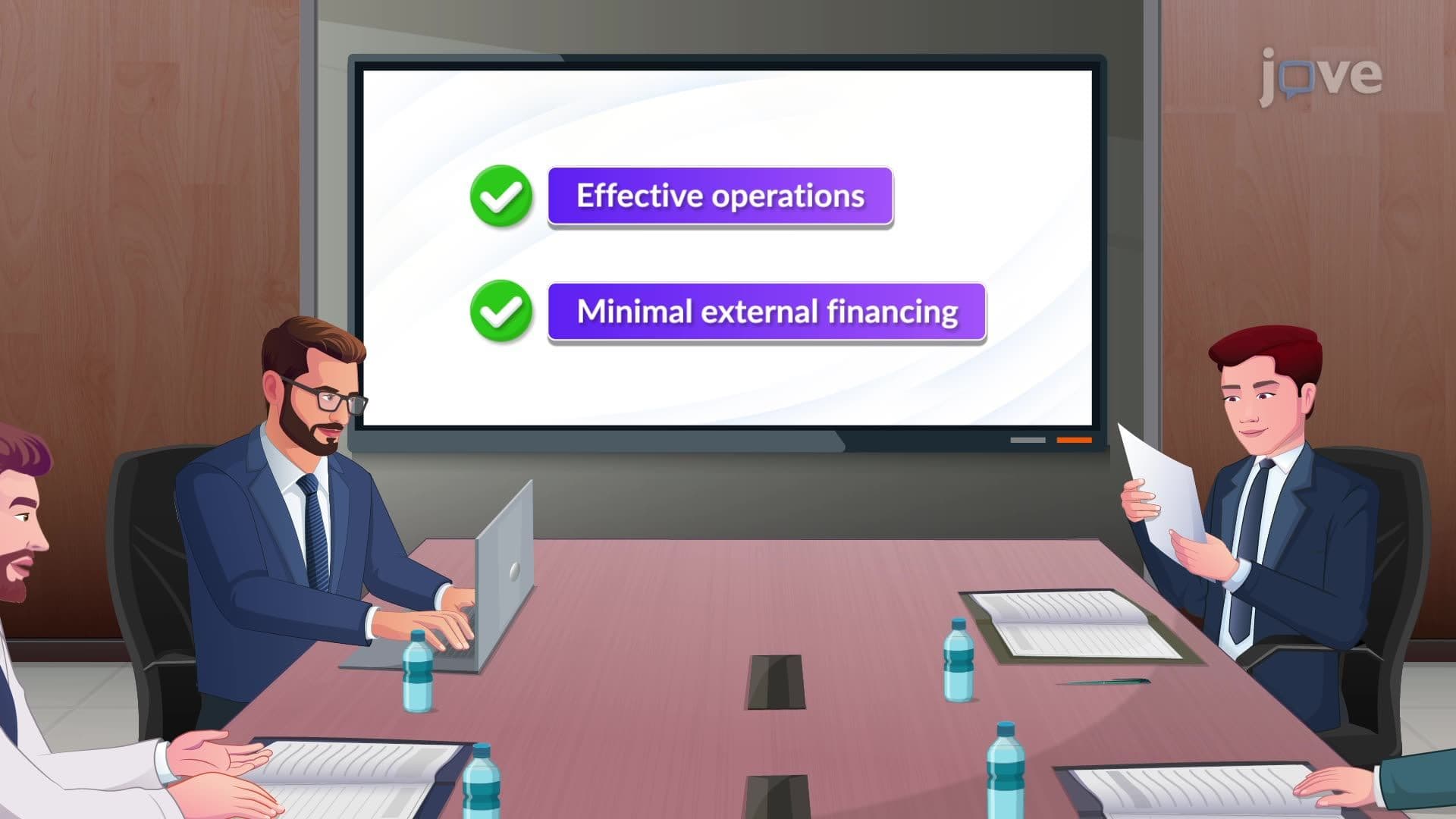
The most common mistake is treating financing activities as purely an accounting concern. A second mistake is conflating profit with cash availability, an organization can be profitable while simultaneously cash-constrained due to heavy debt repayment schedules. This is why cash flow analysis, including the direct and indirect methods of preparing cash flow statements, matters more than income statements alone for understanding operational liquidity. A third mistake is ignoring the relationship between financing activities and working capital changes, when debt is raised to cover operational shortfalls rather than fund growth, that's a warning signal that affects team planning at every level.
Related Micro-courses