Loading video…


 17 Concepts
 5.3K views

Video Summary: Importance of the Cash Flow Statement Explained
Understanding the importance of the cash flow statement basics is a skill many managers underestimate, until a profitable quarter suddenly can't cover payroll. Profit on paper means nothing if cash isn't moving. This concept helps you read beyond the income statement, spot liquidity gaps early, and make smarter operational decisions before they become financial emergencies. Watch the full video on JoVE Coach to master this concept with expert-led visuals and step-by-step explanations.
Picture this: your department just closed its strongest quarter. Revenue targets hit. The income statement looks impressive. Then, two weeks later, finance puts a freeze on discretionary spending because the business is short on operating cash. Sound familiar? This disconnect, between profit and cash, is exactly why understanding the importance of the cash flow statement is a non-negotiable skill for managers who want to lead with financial credibility.
Most managers are trained to read revenue and profit figures. The income statement gets all the attention in leadership reviews. But income statements record revenue when it is *earned*, not when cash actually arrives. A sale made in Q3 might not convert to cash until Q4, or later. Meanwhile, supplier invoices, payroll, and operational costs don't wait. This is the liquidity trap, and managers who don't read cash flow statements walk into it blind.
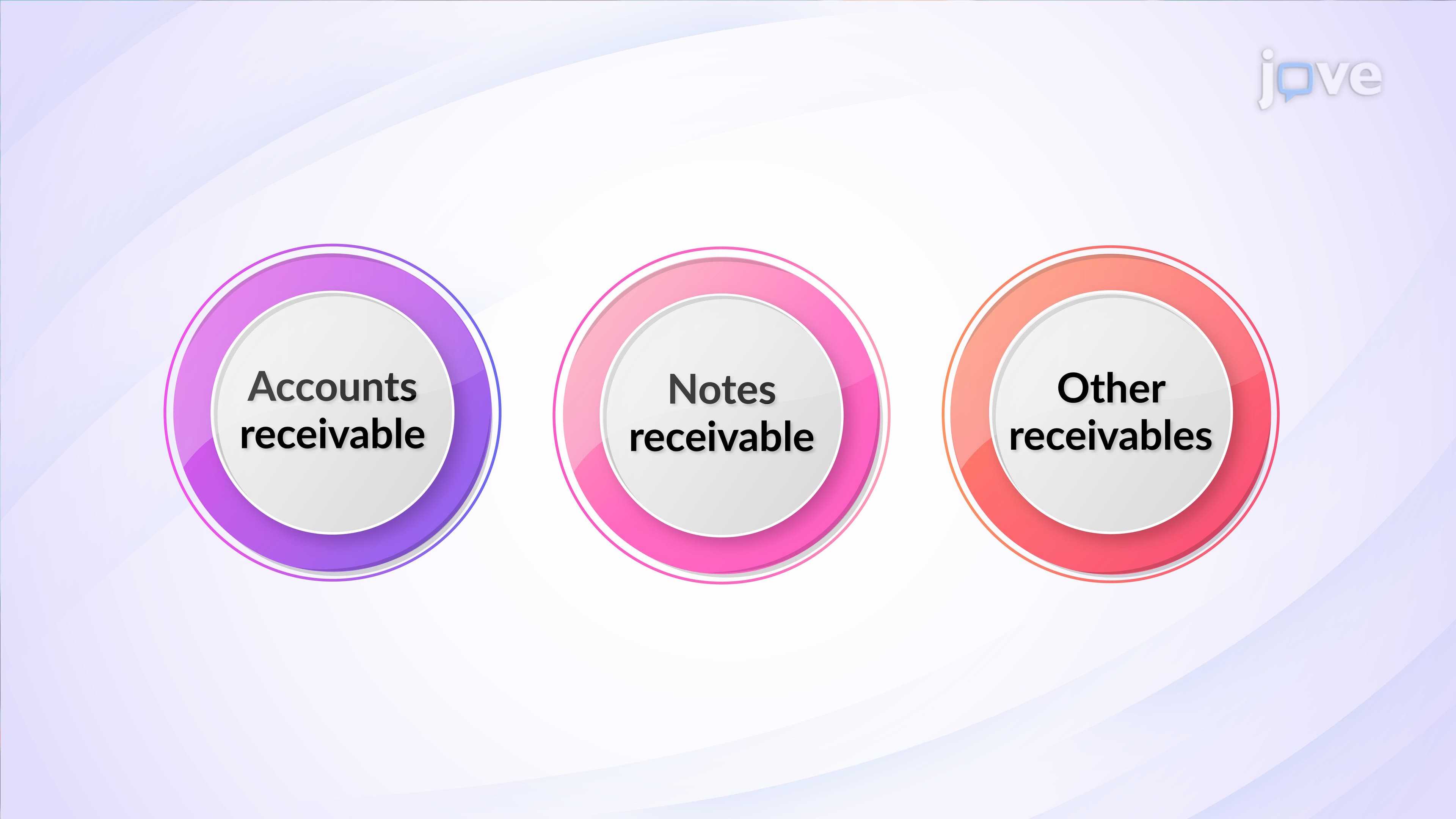
The critical insight: a business can be simultaneously profitable and insolvent. Non-cash expenses like depreciation are deducted from profit but don't represent real cash outflows. Working capital changes, such as accounts receivable growing because customers are paying slowly, absorb cash without touching the profit figure. Understanding these mechanics transforms how you read a financial period.
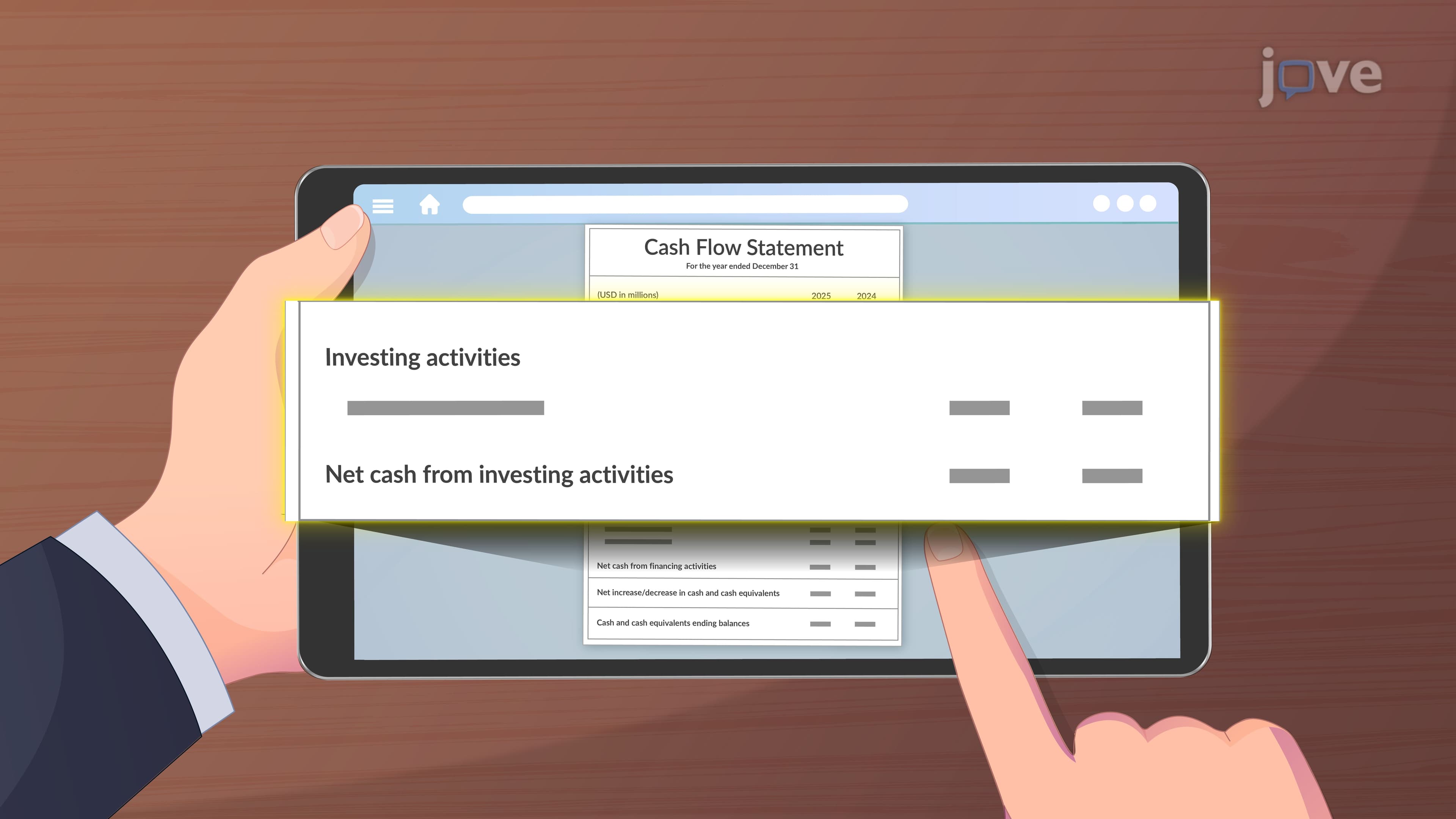
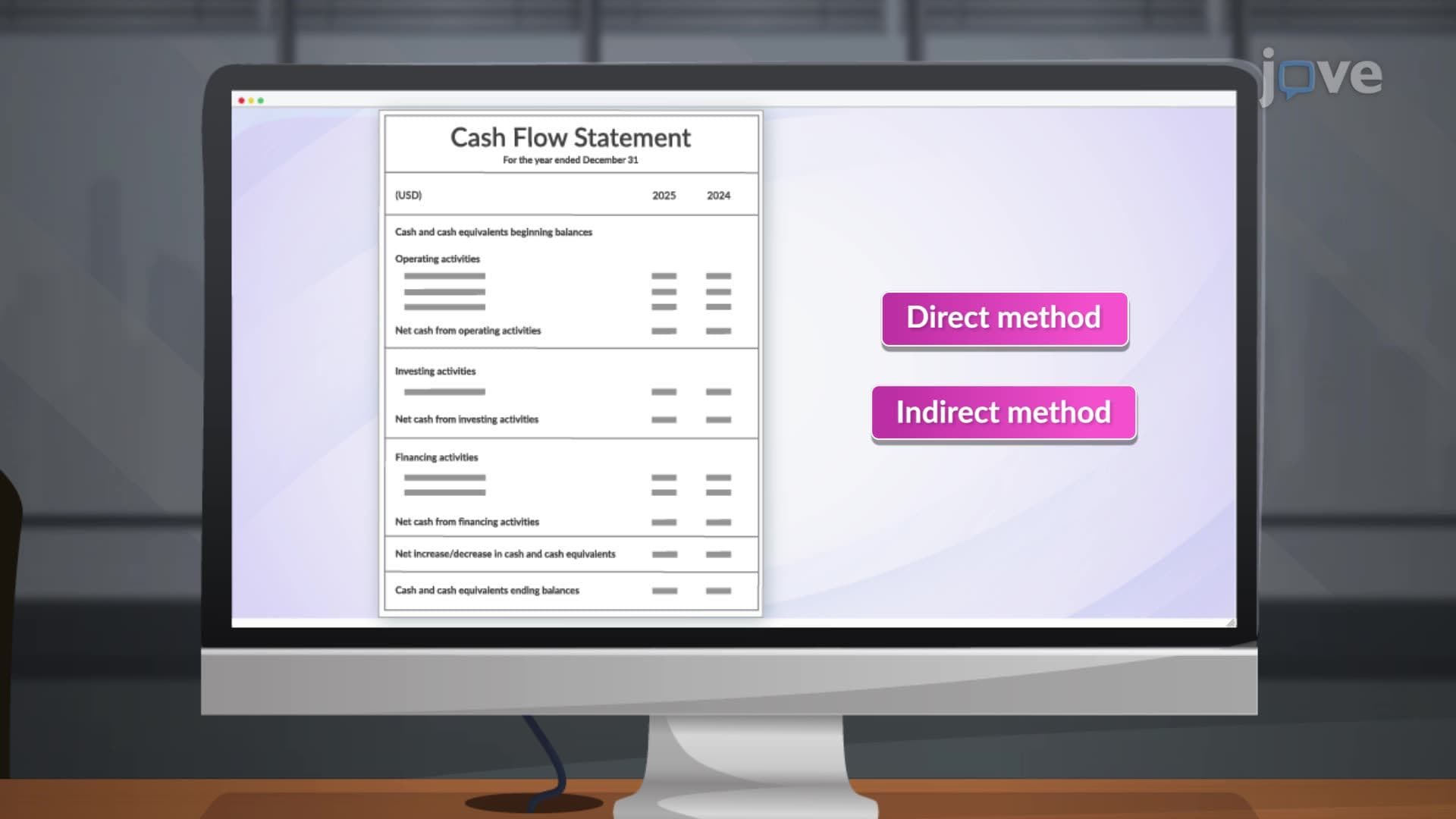
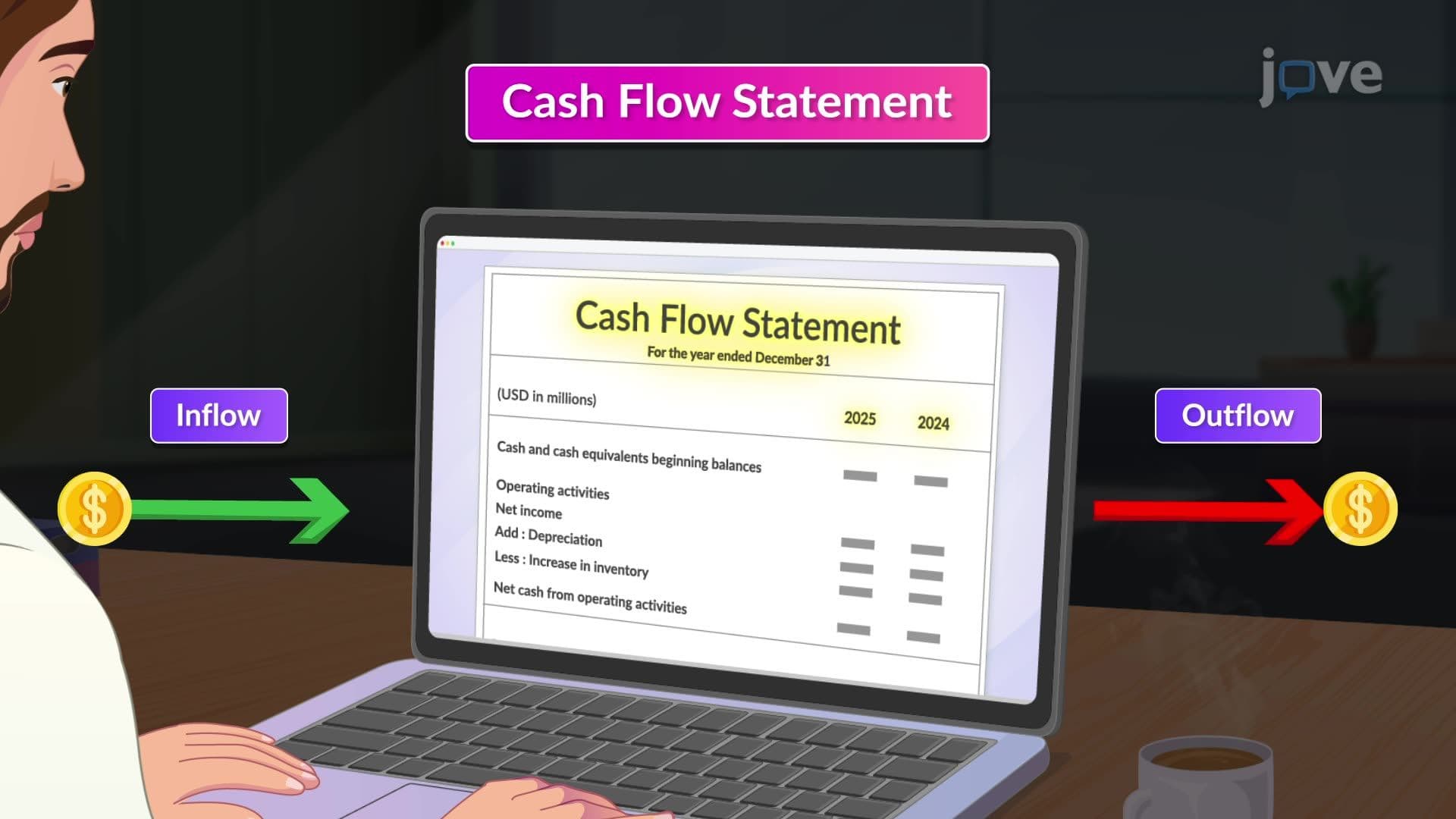
The cash flow statement is structured around three activities, operating, investing, and financing, each telling a different part of the business story.
When reviewing reports, use the cash conversion lens: ask not just "did we make money?" but "how efficiently are we converting sales into cash?" This reframe is immediately useful in budget reviews, vendor negotiations, and headcount planning conversations.
For managers familiar with the indirect method, the reconciliation from net income to cash from operations, adjusting for depreciation, changes in receivables, payables, and inventory, is where the real managerial intelligence sits. Each adjustment tells you something about operational efficiency.
You don't need to be a finance expert to use cash flow insight effectively. Here's how to apply it in real leadership contexts:
1. In budget reviews: When a business case is approved based on projected profit, ask the finance team to walk you through the cash timing. Projects that look profitable can create short-term cash stress if upfront costs are high and revenue is delayed.
2. In resource requests: Frame headcount or capital requests against the organization's operating cash position, not just its P&L. Leaders who do this stand out in senior conversations.
3. In performance conversations with your team: If your team manages client billing, collections, or procurement, tie their KPIs to cash flow metrics, not just revenue closed. Days Sales Outstanding (DSO) and payment cycle efficiency are operational levers your team directly controls.
4. In cross-functional collaboration: When working with finance or operations, use the language of net cash flow and working capital. It signals that you think commercially, not just functionally, and that accelerates trust and influence.
The importance of the cash flow statement extends far beyond accounting. For managers, it is a decision-making tool that separates leaders who react to financial surprises from those who anticipate and prevent them.
Related Micro-courses