Loading subject page…


5,288 views


Video Summary: Components of the Cash Flow Statement Explained
Understanding the components of the cash flow statement is a critical skill managers often overlook until budget conversations expose gaps in their financial literacy. Mastering components of the cash flow statement basics helps you interpret operating, investing, and financing activities, and speak credibly with finance teams and senior leadership about business performance and resource allocation. Watch the full video on JoVE Coach to master this concept with expert-led visuals and step-by-step explanations.
Picture this: your organization has just closed a strong quarter with impressive revenue figures, yet leadership announces a freeze on new hires and discretionary spend. Your team is confused, and frankly, so are you. This is exactly the moment when understanding the components of the cash flow statement stops being a finance department concern and becomes a core management competency. Profit tells one story. Cash tells the truth.
Most managers are comfortable discussing revenue targets, headcount costs, and departmental budgets. But cash flow statements, with their three distinct sections and seemingly counterintuitive figures, often feel like someone else's job. The disconnect is costly. When you can't distinguish between a business that's profitable and one that's solvent, you're navigating resource decisions, project bids, and hiring conversations with an incomplete map.
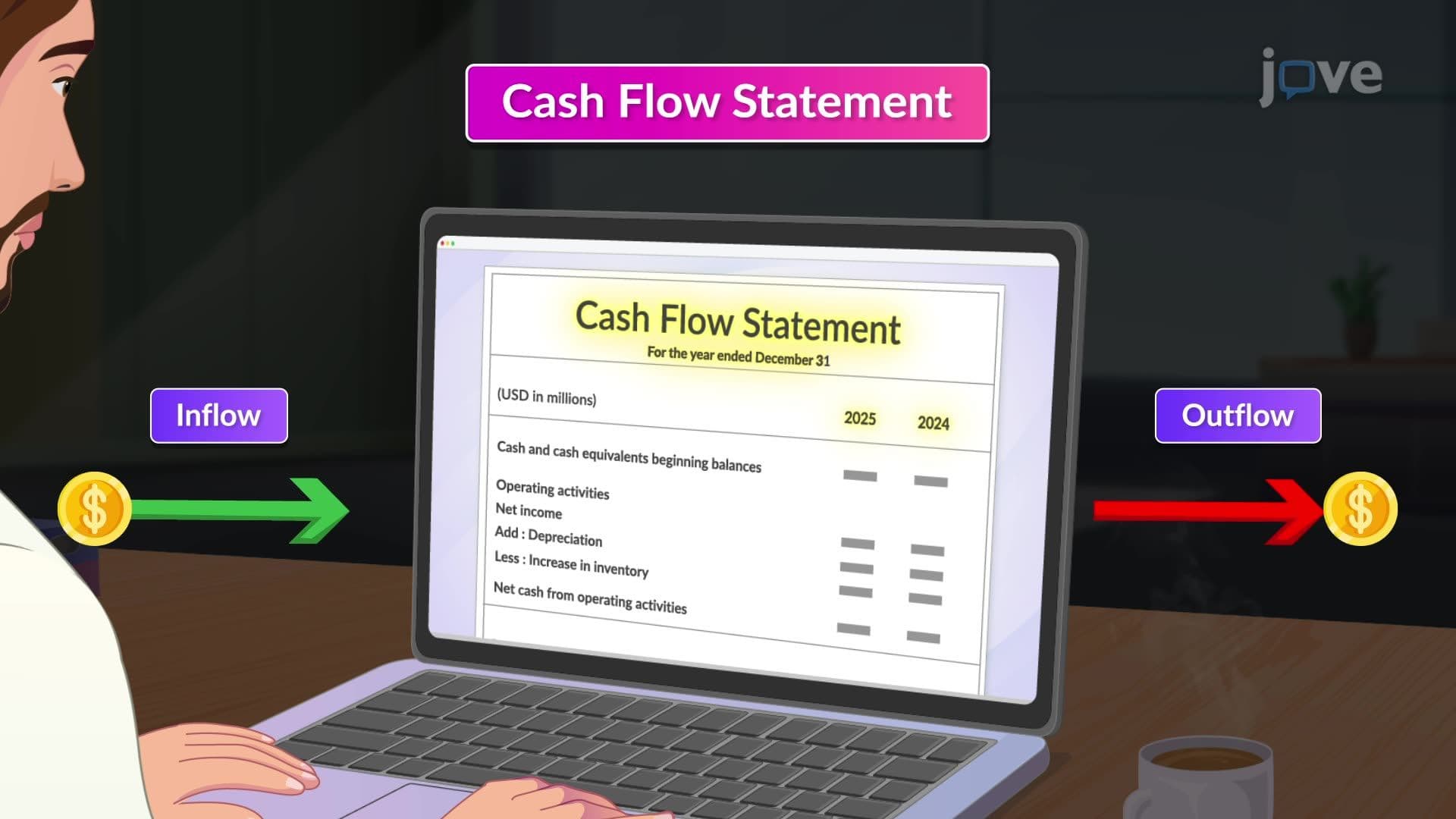
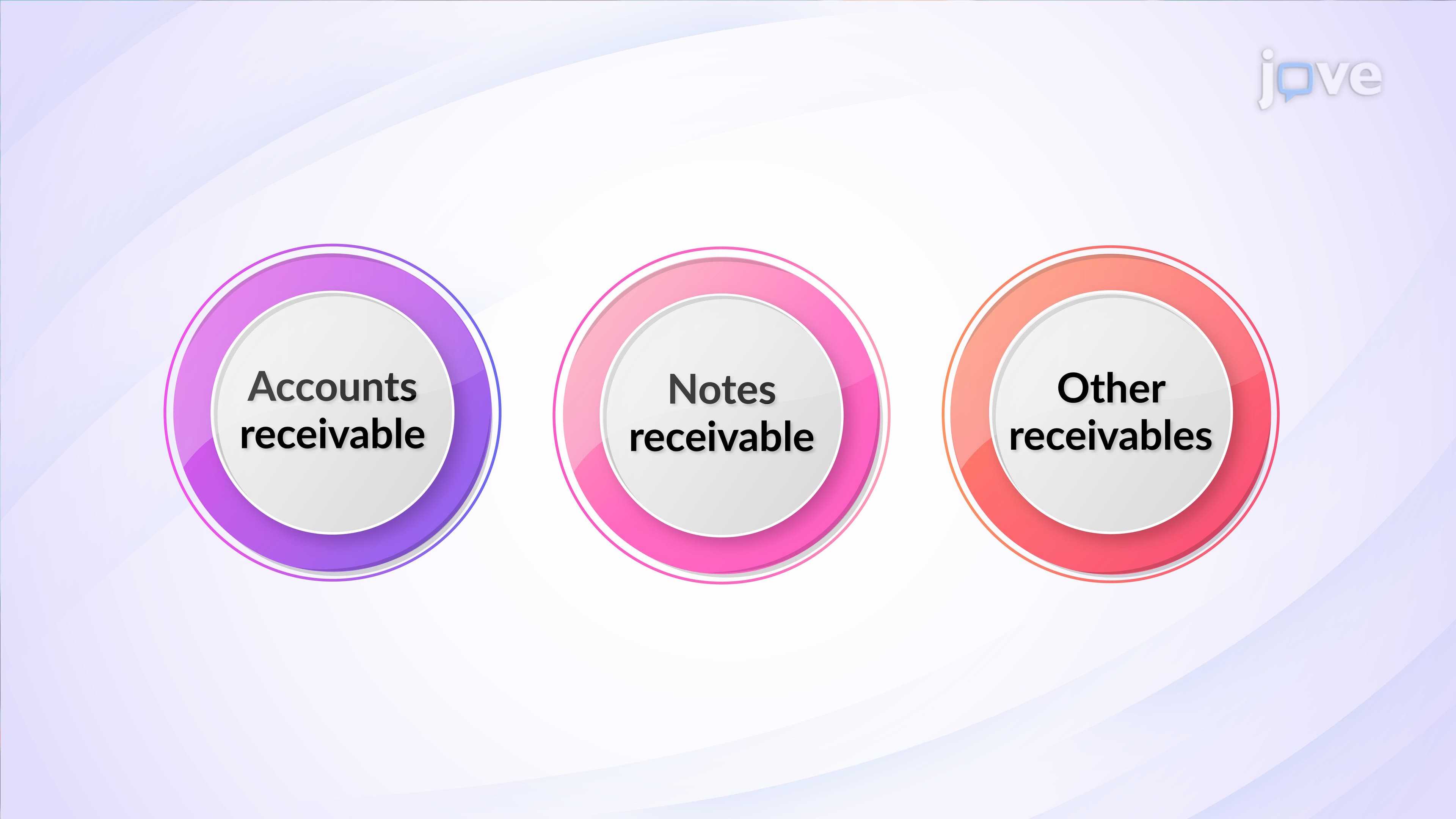
The core challenge is that the cash flow statement operates differently from a profit and loss report. Net income includes non-cash expenses like depreciation and amortization. Working capital changes, such as increases in accounts receivable, can absorb cash even when sales are rising. Understanding these dynamics lets you ask smarter questions and push back constructively when budget decisions seem arbitrary.
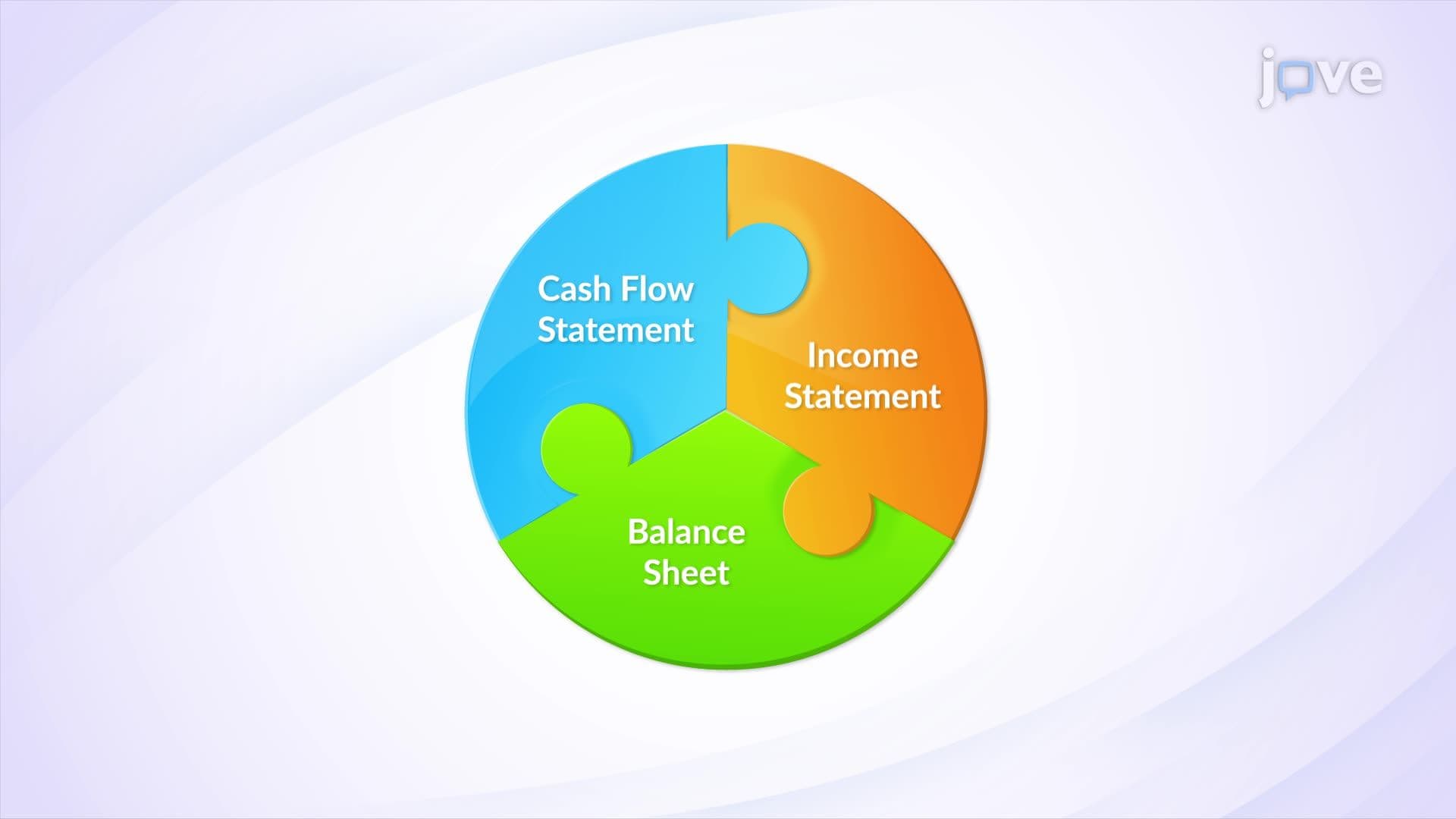
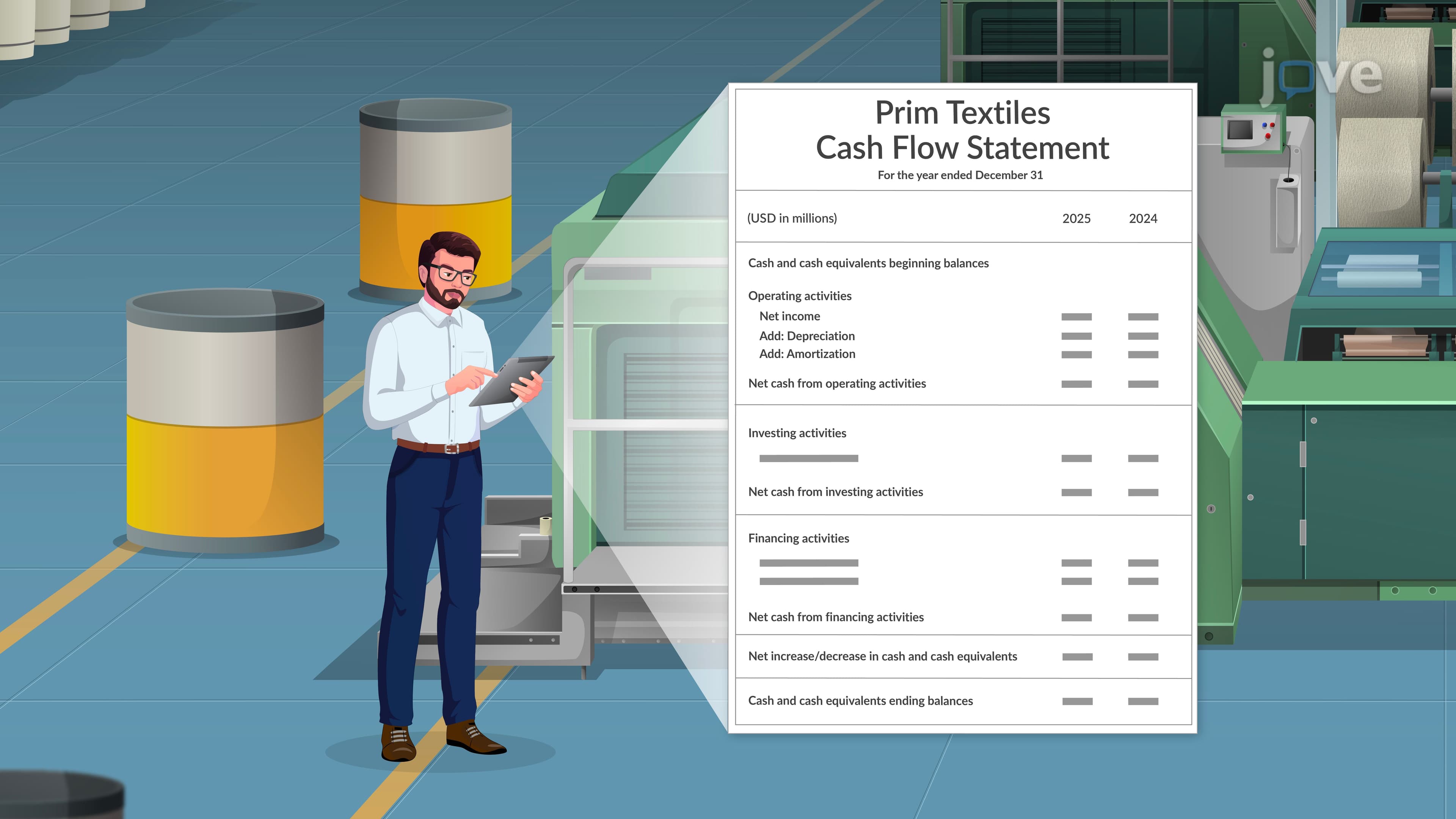
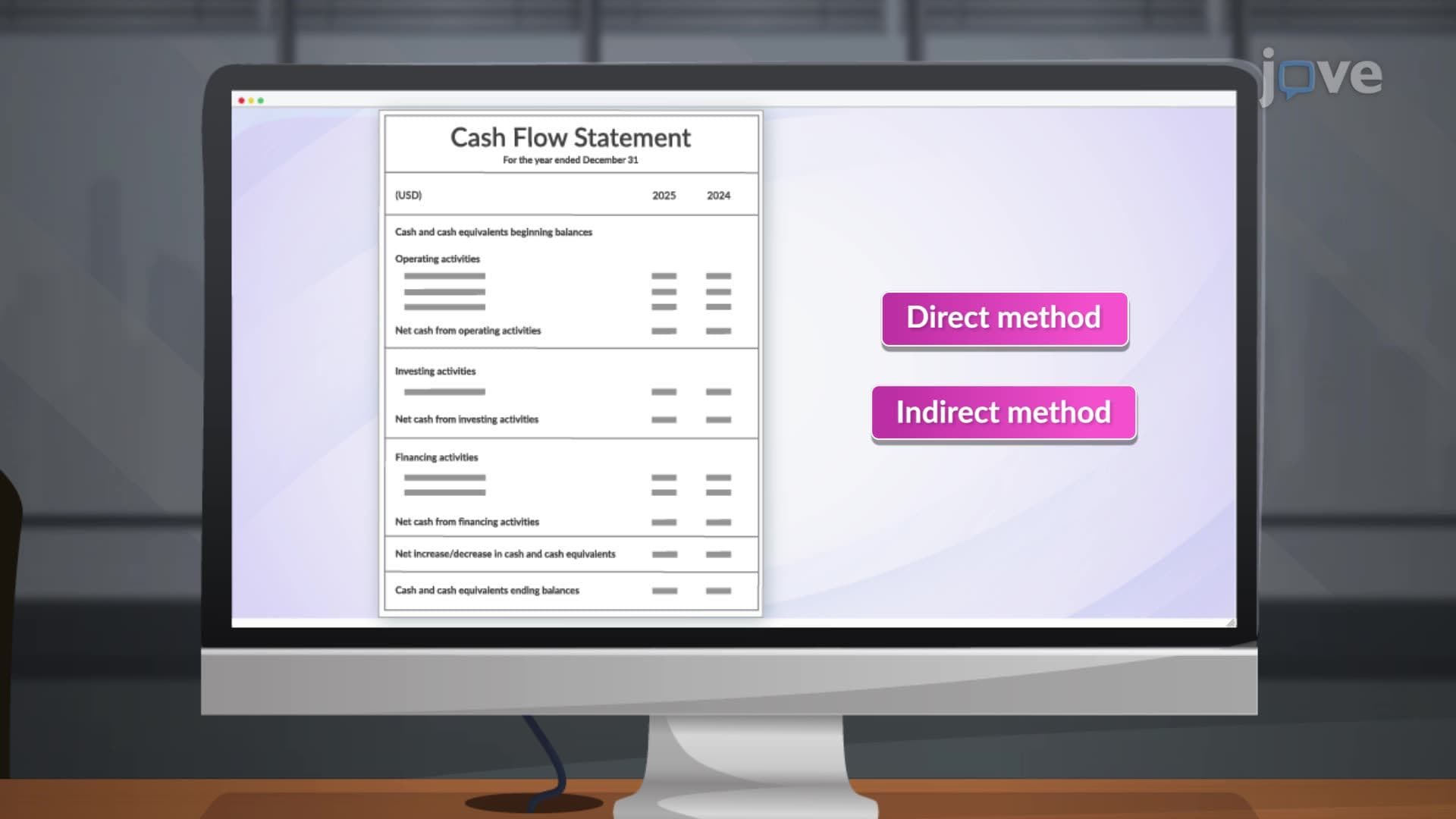
The cash flow statement is structured around three activity types, each answering a distinct question about the business:
Operating Activities answer: *Is the core business generating cash?* This section captures cash received from customers and cash paid for wages, rent, and supplies. Using the indirect method, the most common approach, it starts with net income and adjusts for non-cash items and working capital changes. A manager reviewing this section should ask: are operating cash flows consistently positive, or is the business burning cash to sustain daily operations?
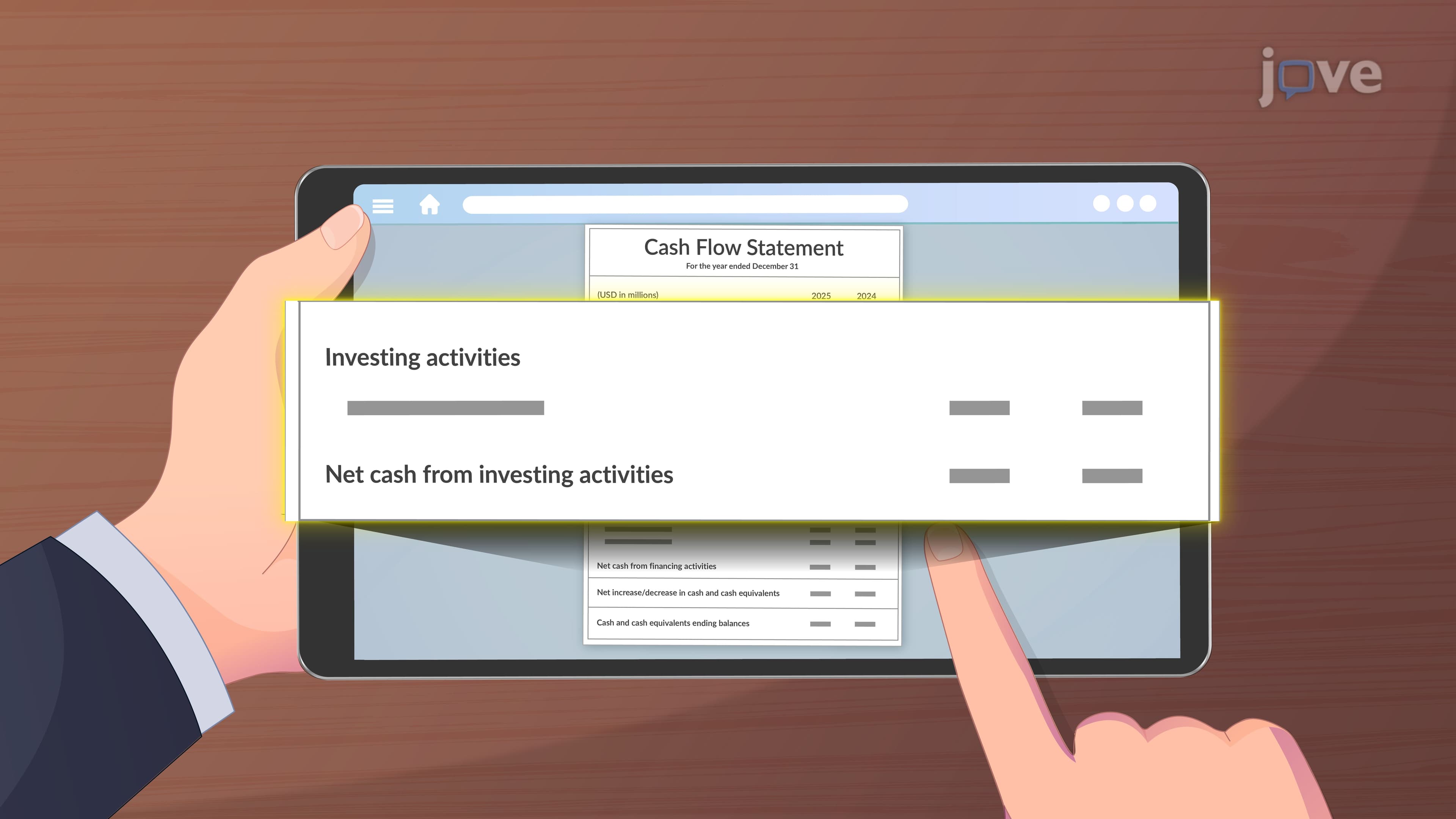
Investing Activities answer: *How is the business deploying capital for the future?* This section reflects cash used to purchase or sell long-term assets, equipment, property, or investments. Negative cash flow here isn't always a warning sign; it often signals strategic reinvestment. Apply a simple lens: are these capital expenditures aligned with the organization's stated growth priorities?
Financing Activities answer: *How is the business funding itself?* Loan proceeds, debt repayments, and equity transactions appear here. A growing financing inflow paired with weak operating cash flow is a signal worth scrutinizing, the business may be borrowing to survive rather than to grow.
Used together, these three lenses give you what finance leaders call the cash conversion picture, the full story of how money moves through the organization.
The practical payoff of understanding these components shows up in three leadership moments:
In budget reviews: When finance presents quarterly results, use the three-section framework to decode what's driving cash movements, not just what's happening to profit. Ask: "What's driving the change in operating cash flow this quarter?" That question signals financial maturity.
In resource allocation discussions: If your team is requesting new tools, headcount, or project funding, position your ask relative to the organization's investing activity posture. Proposals that align with stated capital priorities get funded faster.
In performance conversations: If you manage a team with P&L responsibility, coach your team members to track not just revenue performance but cash implications, payment terms, invoice aging, and expense timing all affect the cash flow picture your leadership sees.
Confusing profit with cash remains the most frequent and most dangerous error managers make. A second common mistake is treating a negative investing cash flow as inherently bad, when it may reflect deliberate, strategic asset acquisition. Finally, many managers ignore the financing section entirely, missing early signals of over-leverage or changes in the organization's capital strategy. Review all three sections together, every time.
Related Micro-courses