Loading video…

 17 Concepts
 5.3K views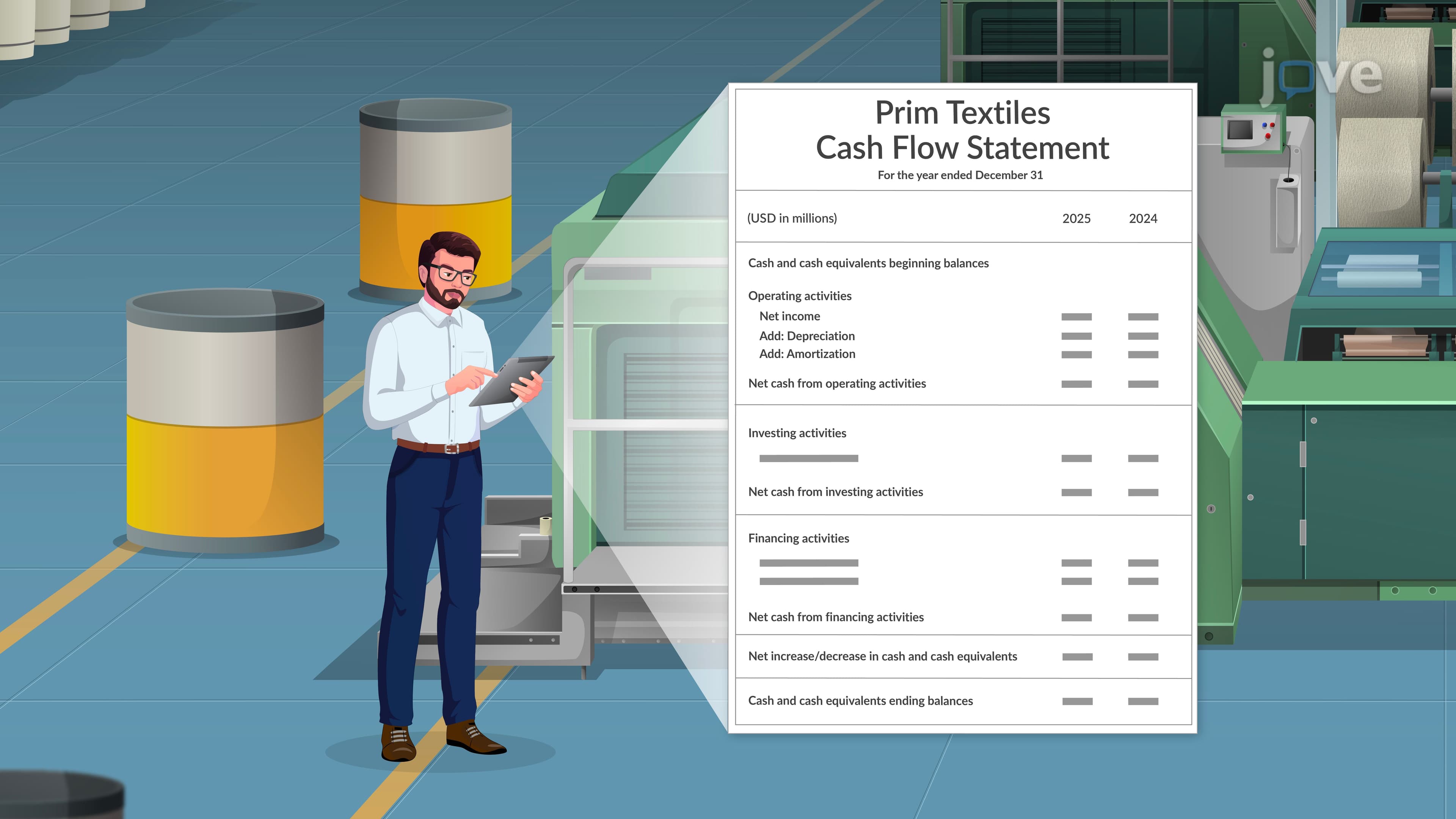

Video Summary: Operating Activities Explained
Operating activities basics often get overlooked by managers who focus only on profit figures, missing the real story behind cash health. Understanding operating activities explained clearly helps you assess whether a business can fund payroll, supplier payments, and growth from its own daily operations. Watch the full video on JoVE Coach to master this concept with expert-led visuals and step-by-step explanations.
Picture this: your division just closed its strongest revenue quarter on record. Leadership is celebrating. Then, two weeks later, the finance team flags a cash shortfall, payroll timing is at risk, a key supplier is pushing for early payment, and discretionary budgets are frozen. Nothing about the income statement warned you this was coming. This is exactly the gap that understanding operating activities fills for working managers.
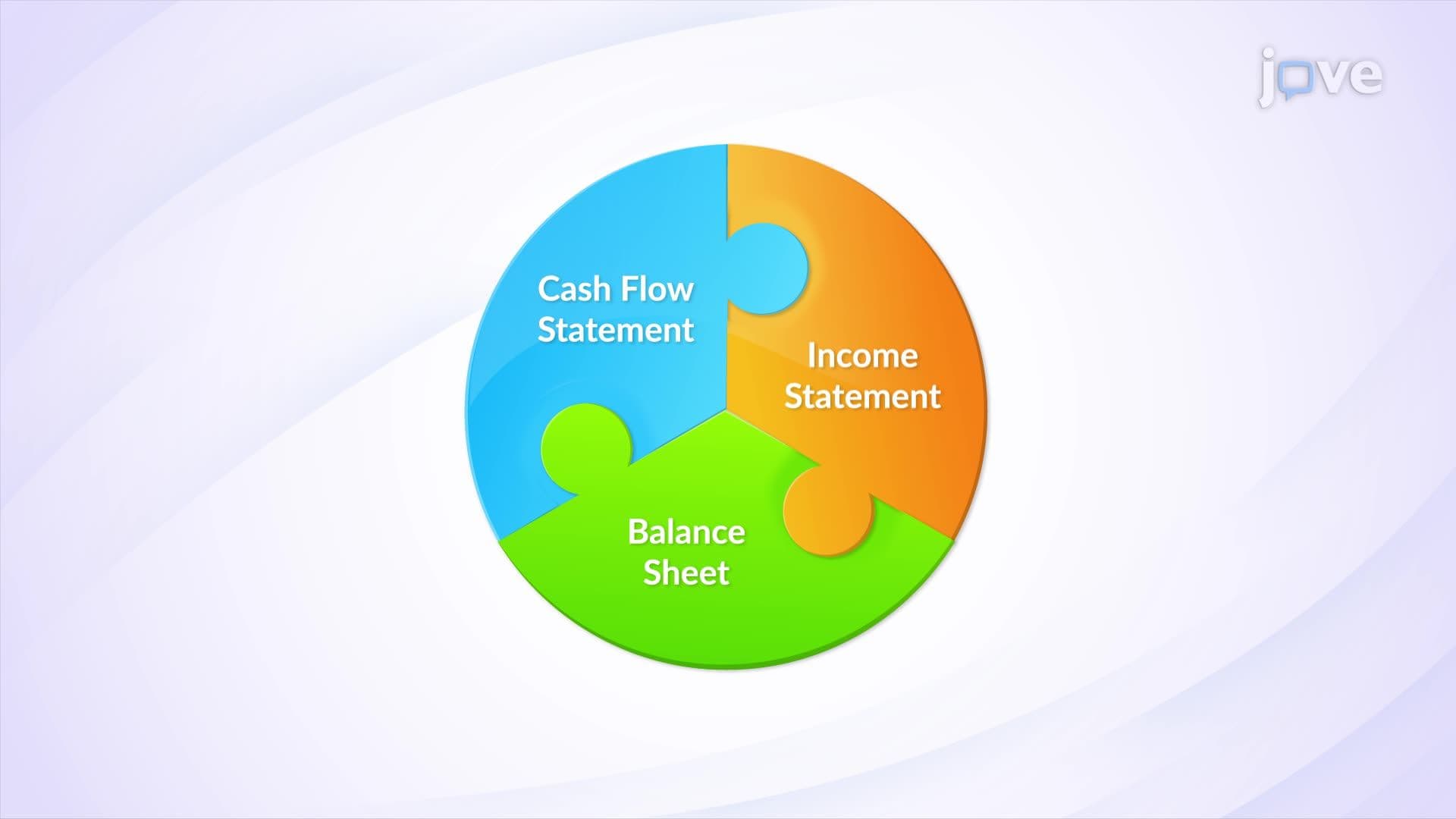
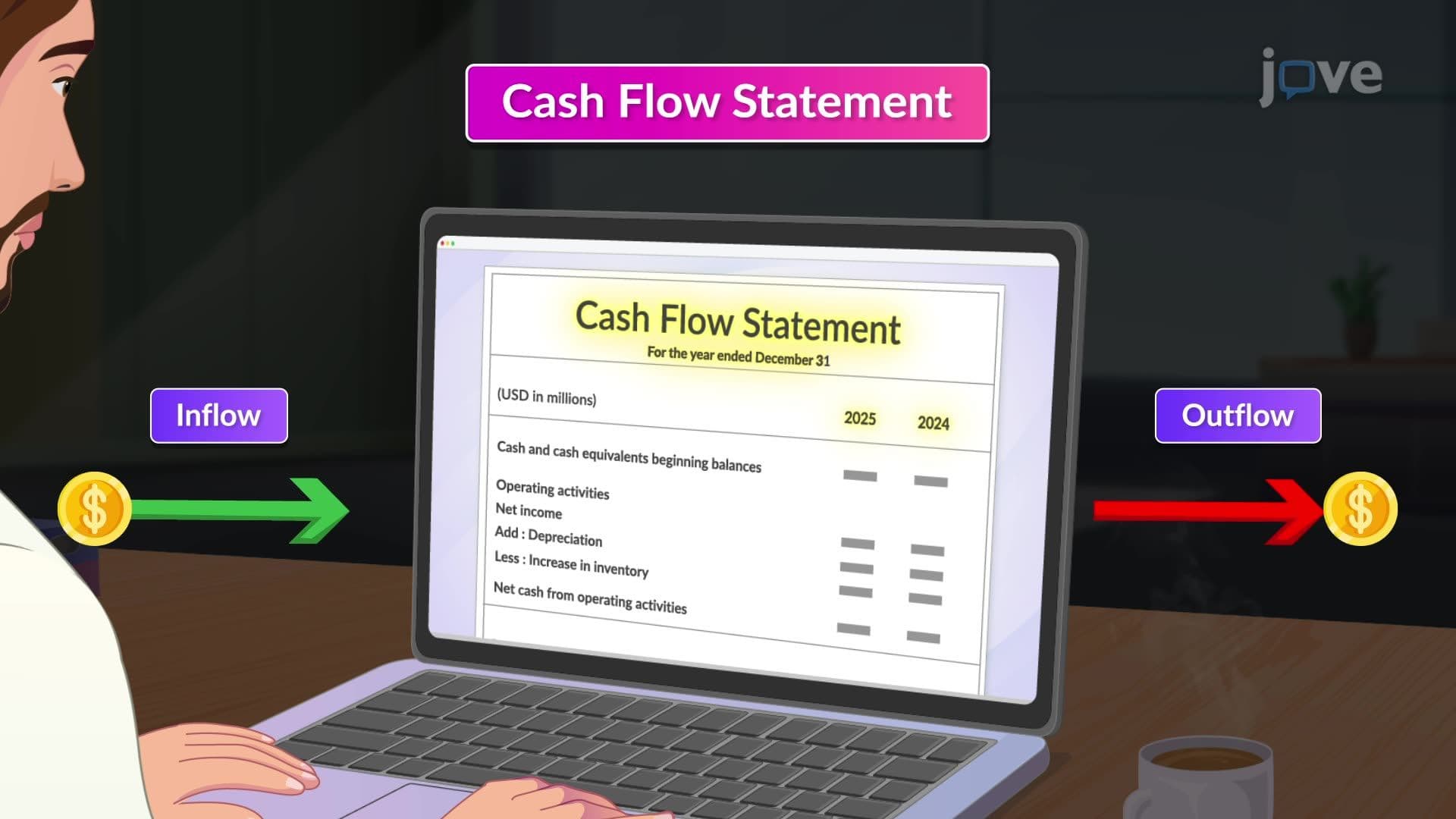
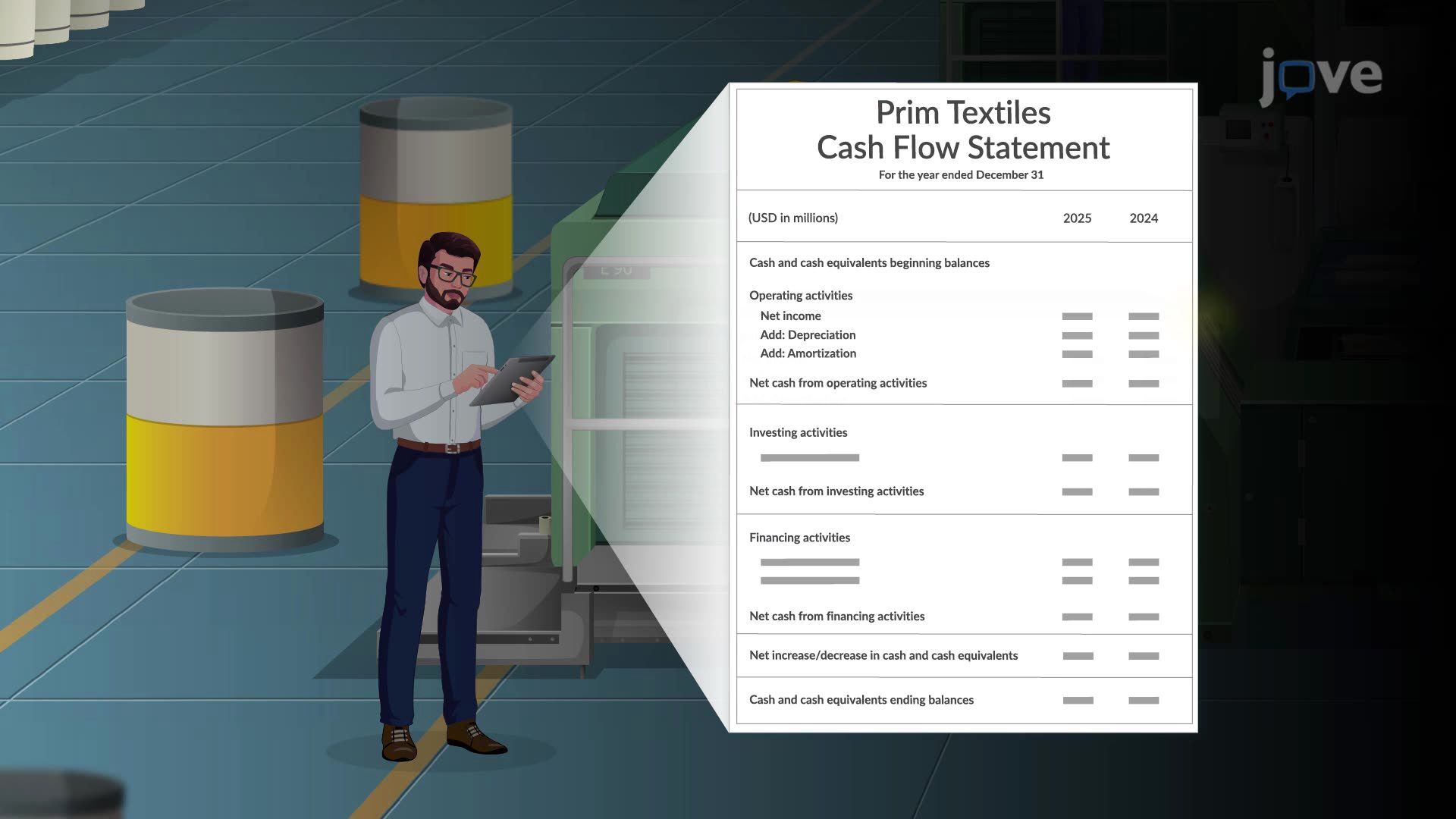
Most managers are trained to track revenue and profit, the income statement metrics that dominate board decks and performance reviews. But profit is an accounting construct. It includes non-cash expenses like depreciation and amortization, and it recognizes revenue before cash is actually received. Operating activities, as reflected in the cash flow statement, strip all of that away. They show you the raw, real movement of cash generated or consumed by the daily running of the business.
This distinction matters practically. A manager approving headcount, signing off on vendor contracts, or timing a product launch needs to understand whether the organization has the operational cash to support those decisions, not just the margin on paper.
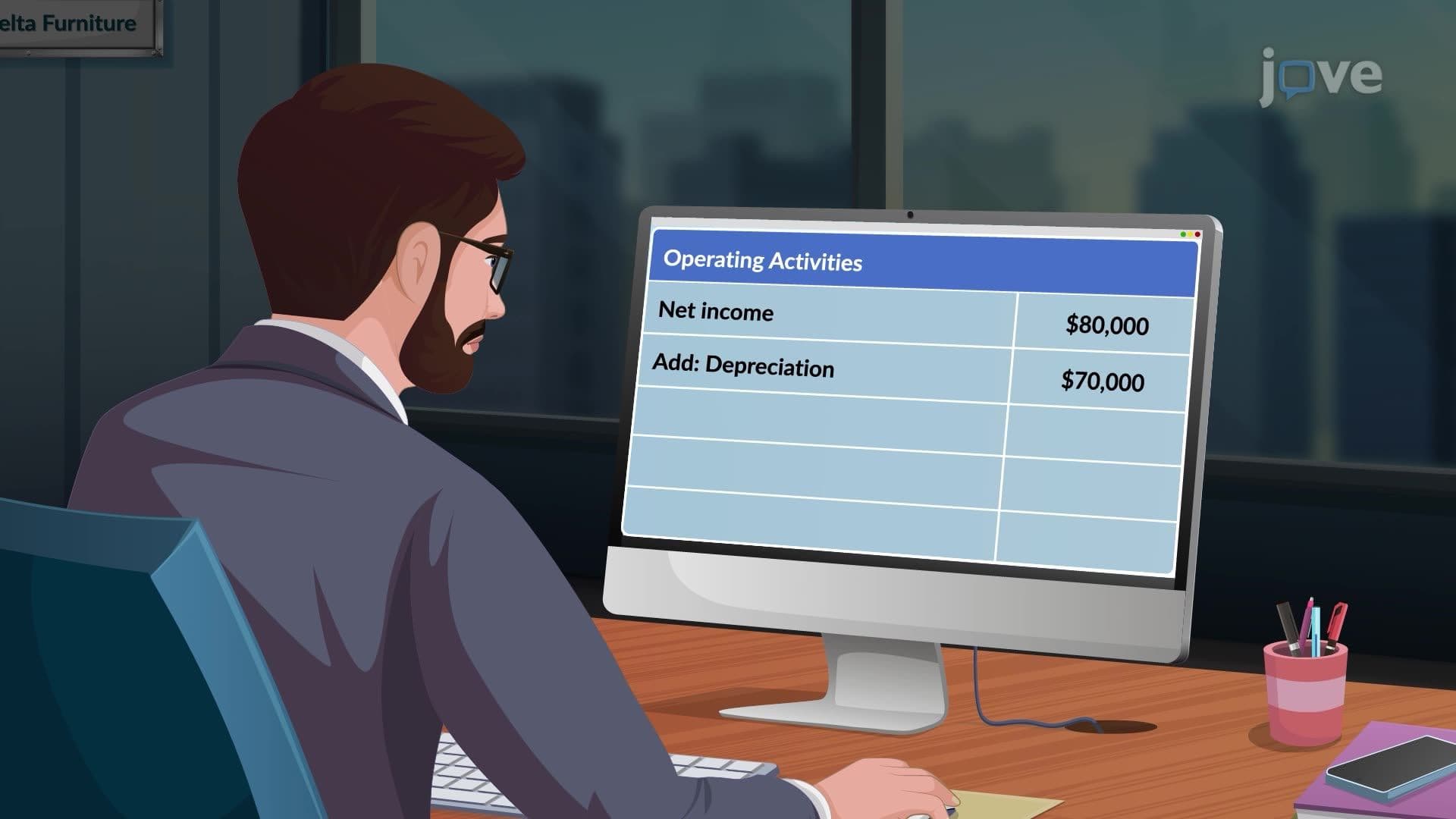
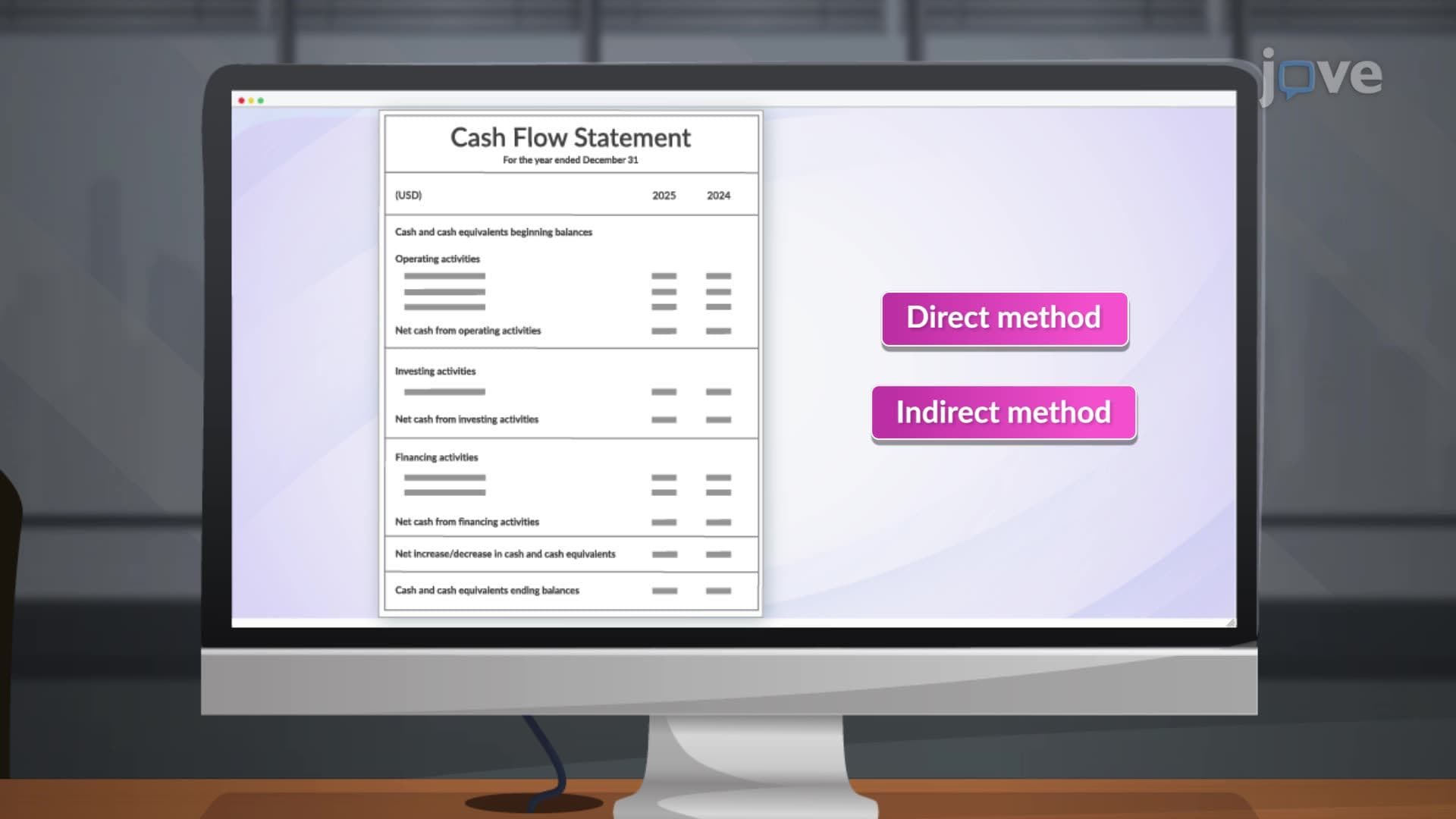
The indirect method, the most widely used approach globally, starts with net income and works backward. Three adjustment categories are applied:
1. Non-cash expenses added back, Depreciation, amortization, and similar charges reduce accounting profit but involve no cash leaving the business. They are reversed. 2. Working capital changes, If accounts receivable increases, cash hasn't been collected yet, so it's a drag on cash flow. If accounts payable increases, you're effectively holding onto cash longer, a positive adjustment. Inventory build-ups consume cash; drawdowns release it. 3. Operating cash transactions, Wages, supplier payments, interest, and taxes represent actual cash outflows that may differ in timing from how they appear on the income statement.
A quick diagnostic: if a business shows strong net income but consistently negative operating cash flow, working capital is likely being consumed faster than revenue is being collected. That is a structural operations problem, not just a finance one.
As a manager, you are rarely building the cash flow statement yourself, but you are constantly making decisions that feed into it. Use the operating investing financing activities framework as a mental model during resource planning. Ask: does this initiative affect accounts receivable timing? Does it front-load supplier payments before cash is collected from customers? Does it add headcount costs that hit cash before revenue materializes?
In cross-functional planning meetings or budget reviews, shift the question from "Is this profitable?" to "When does this generate cash, and what does it do to operating cash flow in the short term?" This reframe immediately elevates the quality of the conversation and signals financial fluency to senior stakeholders, a visible marker of leadership readiness.
The most frequent error is treating a positive net income figure as confirmation of financial health. Equally common is the reverse, assuming that a cash-tight quarter signals a failing business when the cause is a temporary working capital build, such as a large inventory purchase ahead of peak demand. Neither assumption serves good decision-making. Managers who understand operating activities explained with this level of nuance become far more effective partners to finance, far more credible in executive conversations, and far less likely to be caught off-guard when the numbers tell conflicting stories.
Related Micro-courses