Loading video…


 17 Concepts
 5.3K views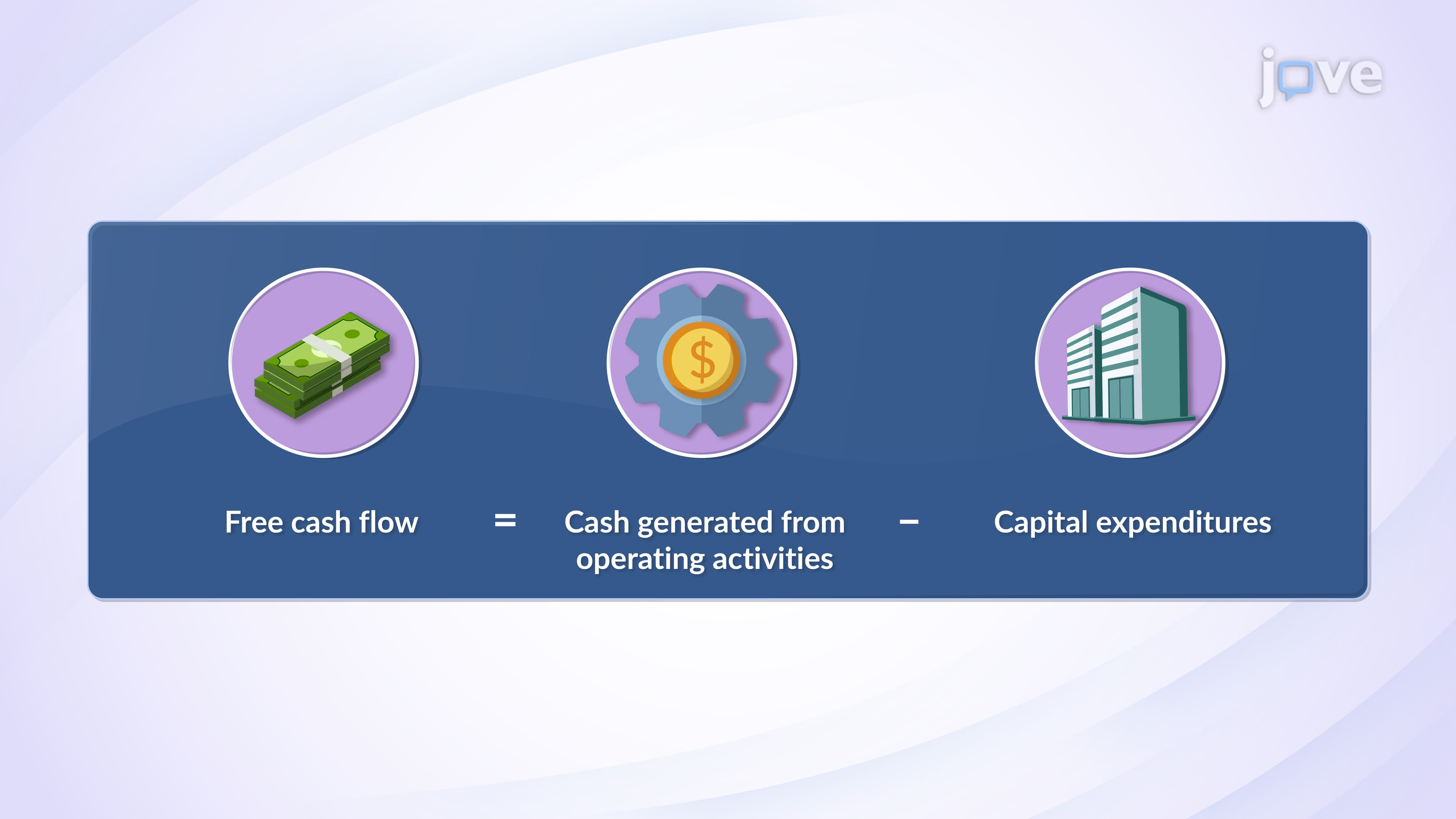

Video Summary: What Is Free Cash Flow Analysis
Free cash flow analysis basics often separate managers who can hold their own in financial reviews from those who leave the room uncertain. Understanding free cash flow analysis tells you not just whether a business is profitable, but whether it's generating real, usable cash after the investments needed to sustain operations. That distinction matters every time you're asked to justify headcount, budget increases, or capital requests. Watch the full video on JoVE Coach to master this concept with expert-led visuals and step-by-step explanations.
Picture this: your organization just posted a strong quarterly profit. Leadership is pleased, and on paper, the business looks healthy. But two weeks later, a capital investment request gets rejected, and you're told cash is constrained. If that scenario has left you confused or caught off guard, you're not alone, and understanding free cash flow analysis is exactly what closes that gap.
Most managers are comfortable reading a profit figure. What's harder to internalize is that profit is an accounting construct, it includes non-cash expenses like depreciation and amortization, and it doesn't account for the cash tied up in working capital changes like accounts receivable or inventory. Free cash flow cuts through that noise. It reflects the cash a business actually generates from its core operations after spending on the assets required to keep running or growing. That's the number that determines whether the organization can hire, expand, or weather a downturn.
When you're in a budget meeting defending a new team position or a technology upgrade, knowing the free cash flow position gives you the context to gauge how realistic your ask is, and how to frame it.
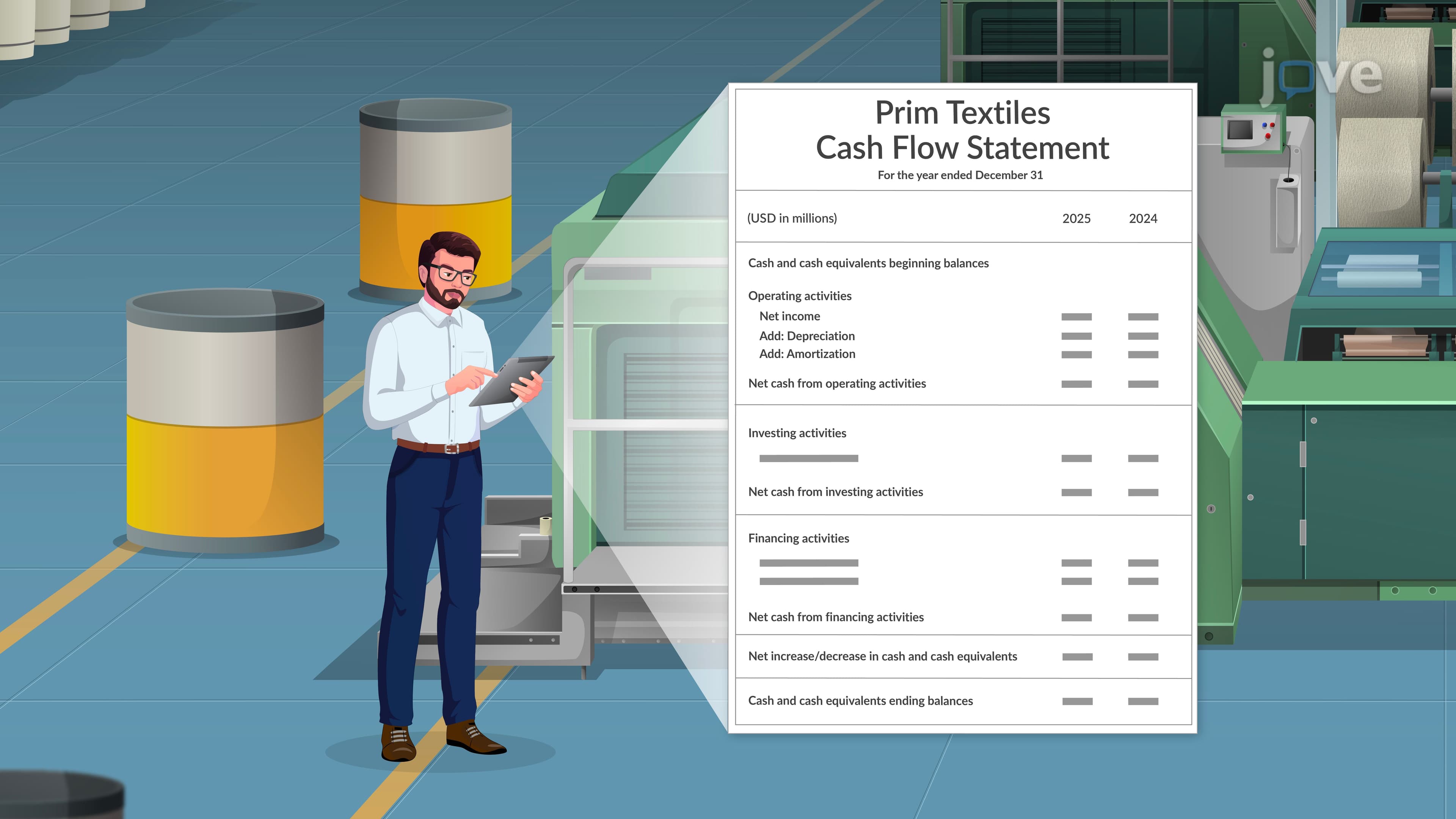
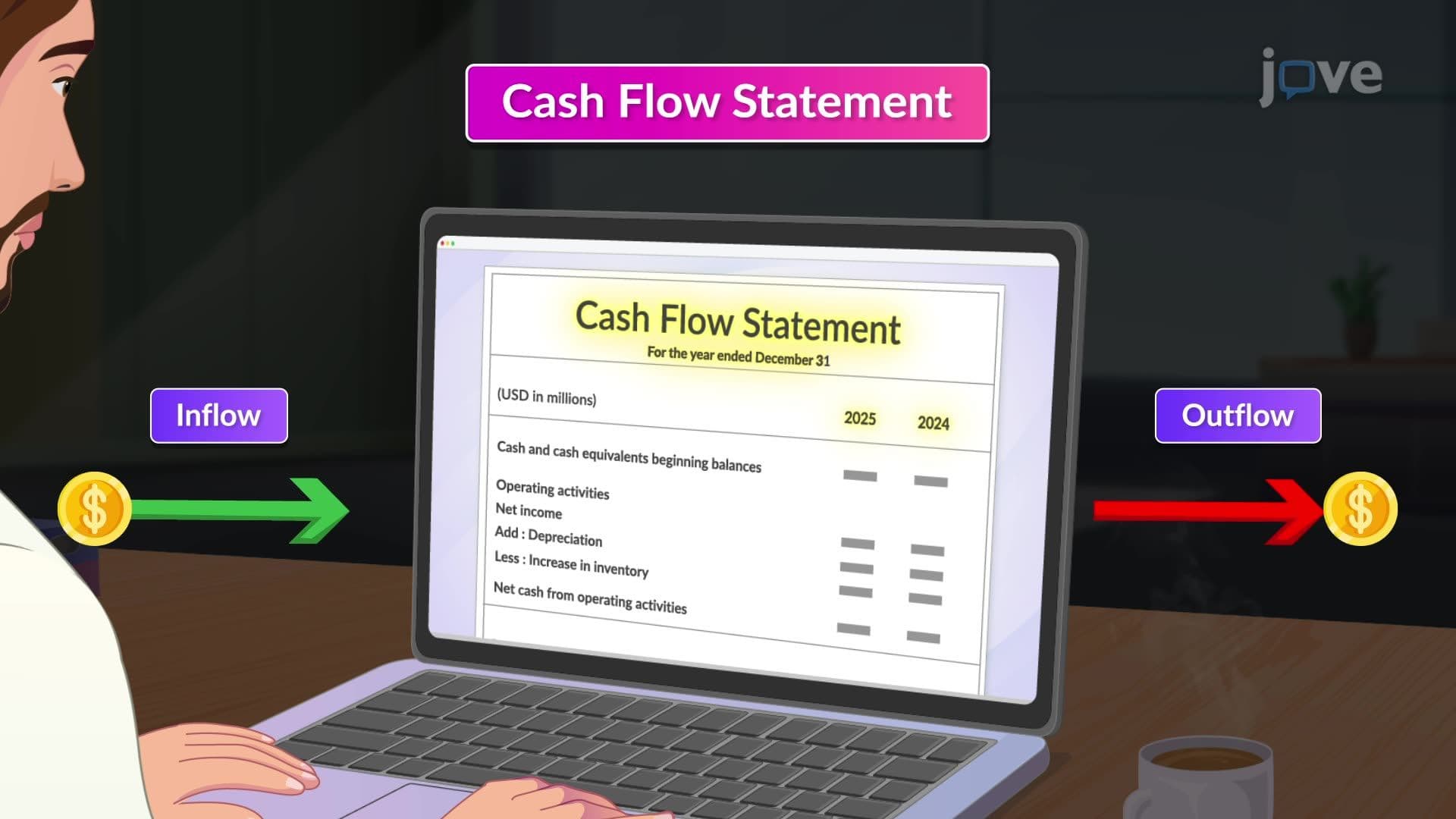
Free cash flow is calculated using two line items from the cash flow statement:
Free Cash Flow = Cash from Operating Activities − Capital Expenditures
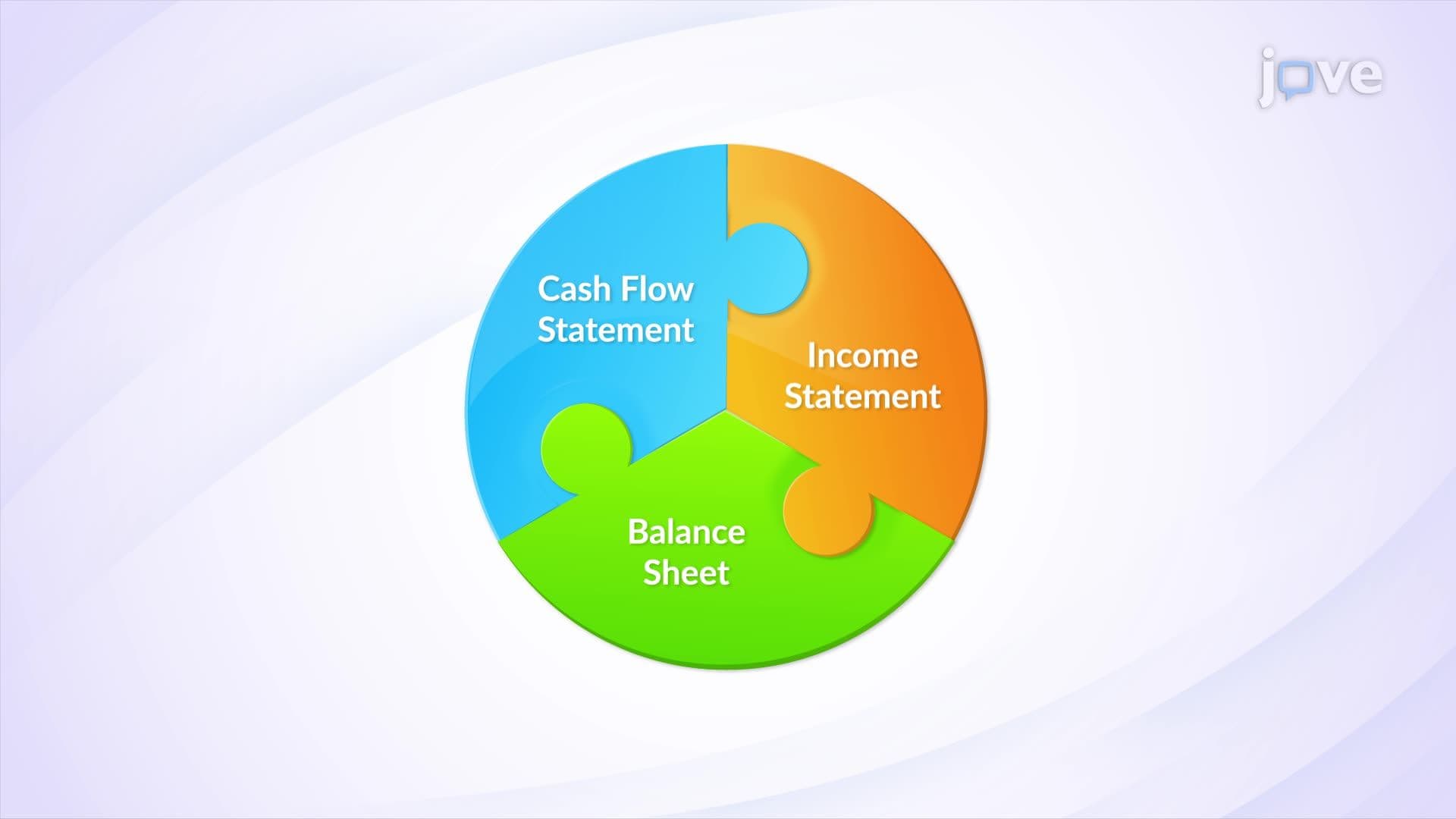
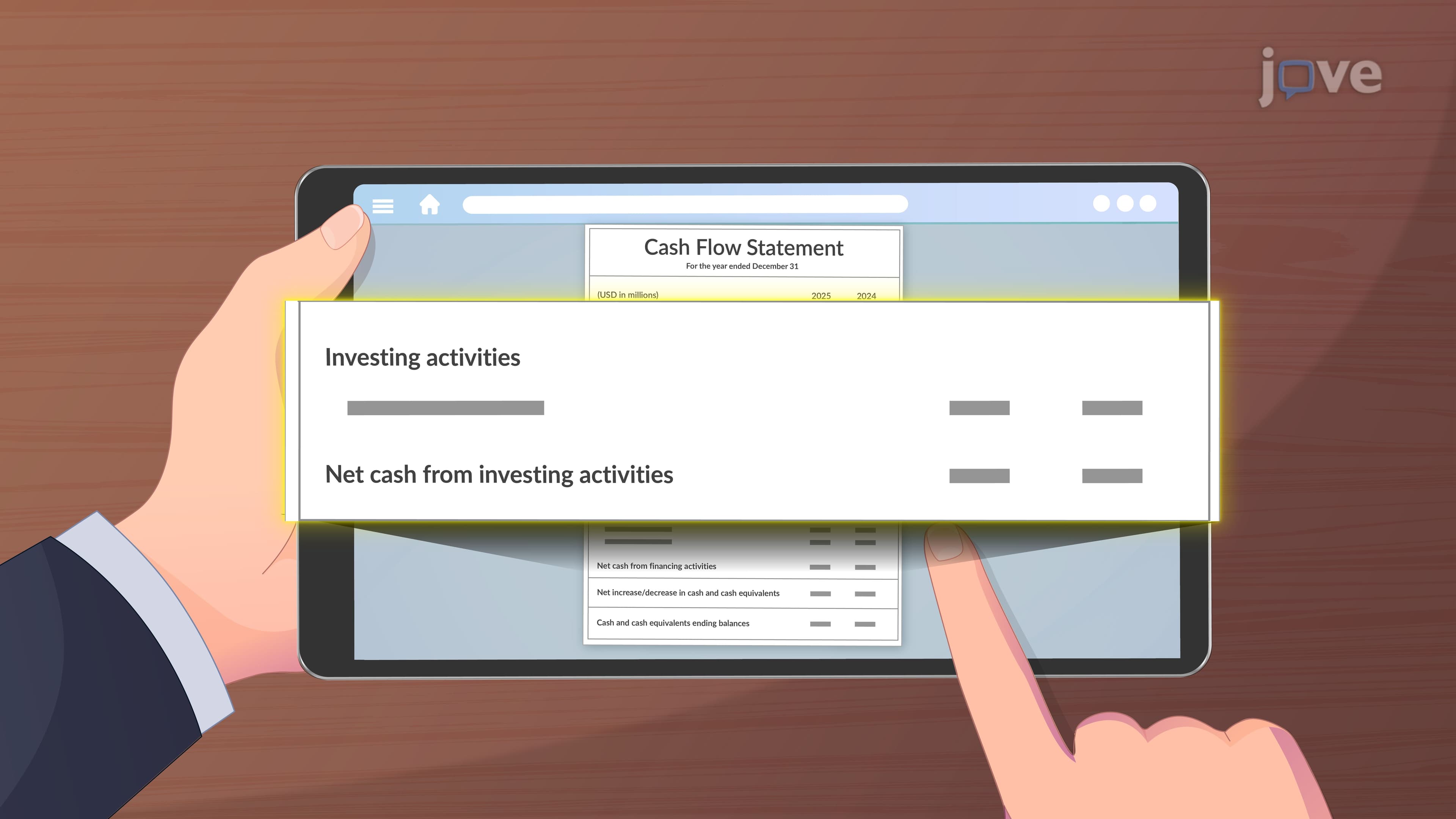
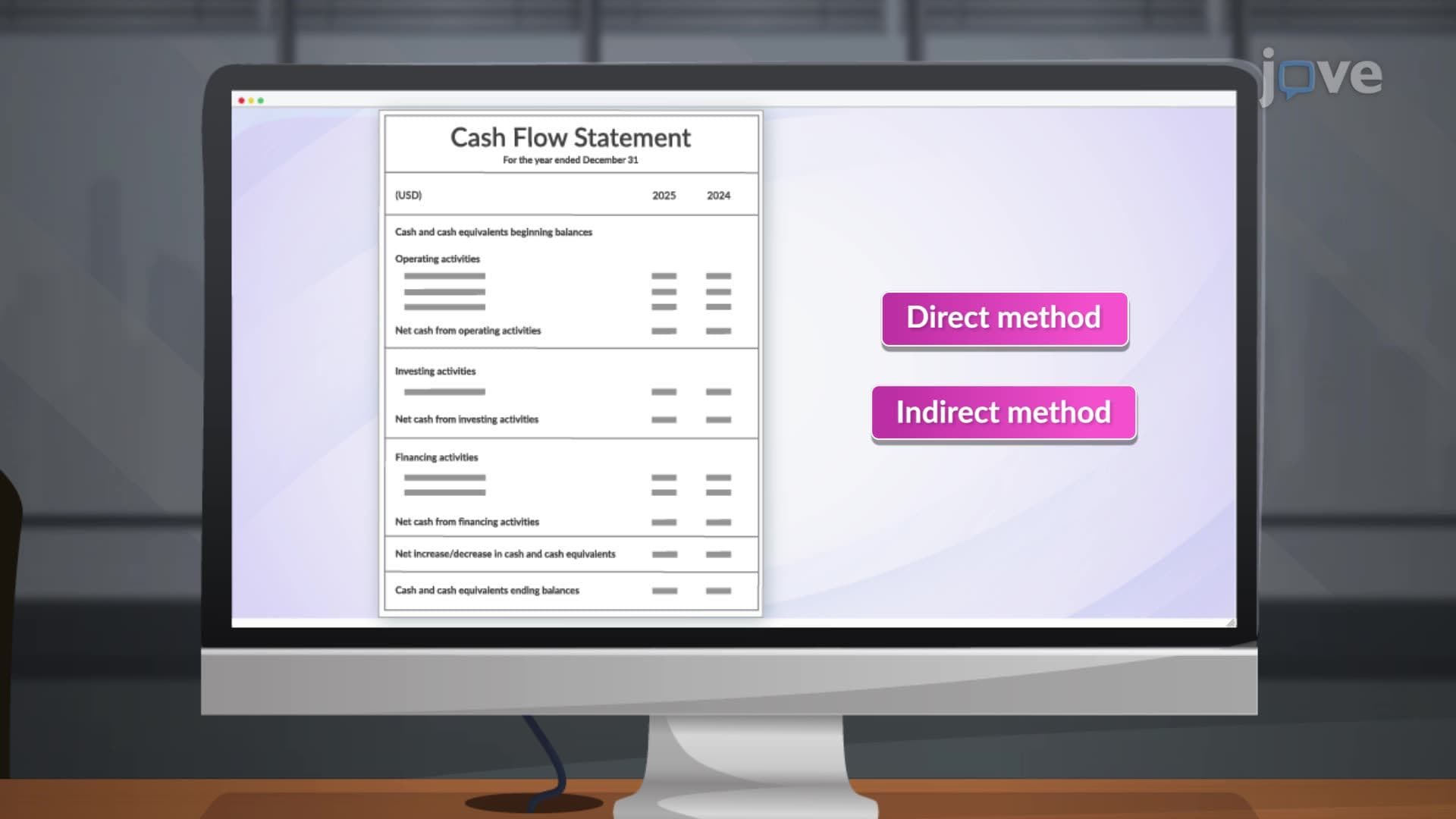
The cash flow statement is typically divided into three sections: operating activities, investing activities, and financing activities. Operating activities reflect the cash generated by the core business, adjusted for non-cash expenses and working capital changes. This is where the indirect method comes in: net income is taken as the starting point, then adjusted upward for depreciation and other non-cash charges, and then corrected for changes in working capital. Capital expenditures appear in the investing activities section, these are the purchases of equipment, property, technology infrastructure, and similar assets.
A positive free cash flow tells you the business generates more cash than it consumes in maintaining and growing its asset base. That cash can be deployed to pay dividends, retire debt, or reinvest. A negative free cash flow isn't automatically a crisis, a high-growth business may be deliberately investing heavily, but it warrants scrutiny.
You don't need to be in finance to use free cash flow analysis meaningfully. As a manager, your power lies in asking the right questions and framing decisions with financial fluency. Consider a practical two-step approach:
Step 1, Read before you request. Before submitting any budget or headcount request, pull up the most recent cash flow statement. Identify the operating cash flow and the capital expenditure line. Calculate or note the free cash flow figure. This tells you whether the organization is in a position of financial flexibility or constraint, and it shapes how you pitch your request.
Step 2, Connect resources to cash impact. When presenting to finance or senior leadership, frame your proposal in terms of cash efficiency. Instead of "we need two new tools," say "this investment will reduce manual processing time by 30%, improving operating efficiency and supporting stronger operating cash flow over the next two quarters." That's the language finance leaders respond to.
The most frequent error is conflating net income with cash generation. A business unit can show strong margins while consuming significant cash through inventory build-up or delayed collections, both of which drag down operating cash flow. A second mistake is ignoring the distinction between the direct and indirect method of reporting cash from operations. While most organizations use the indirect method (adjusting net income for non-cash items), understanding the logic helps you verify whether the numbers reflect operational reality. Finally, avoid treating a single period's free cash flow in isolation, trends across multiple periods reveal far more than any single snapshot.
Related Micro-courses