Loading video…


 17 Concepts
 5.3K views

Video Summary: Financing Activities Explained
Financing activities basics trip up even experienced managers who need to explain financial decisions to their teams or stakeholders. Understanding financing activities, how a business raises capital, repays debt, and returns value to investors, sharpens your ability to interpret leadership-level financial reports. This knowledge directly supports smarter decisions around growth, headcount, and resource allocation. Watch the full video on JoVE Coach to master this concept with expert-led visuals and step-by-step explanations.
Picture this: your organization has just announced a significant headcount expansion, and you're in a leadership meeting trying to understand how it's being funded. Someone references the cash flow statement. The room moves on quickly, but you're left wondering what the financing section actually tells you, and why it matters for decisions your team will feel directly. This is one of the most common gaps in managerial financial literacy, and it has real consequences.
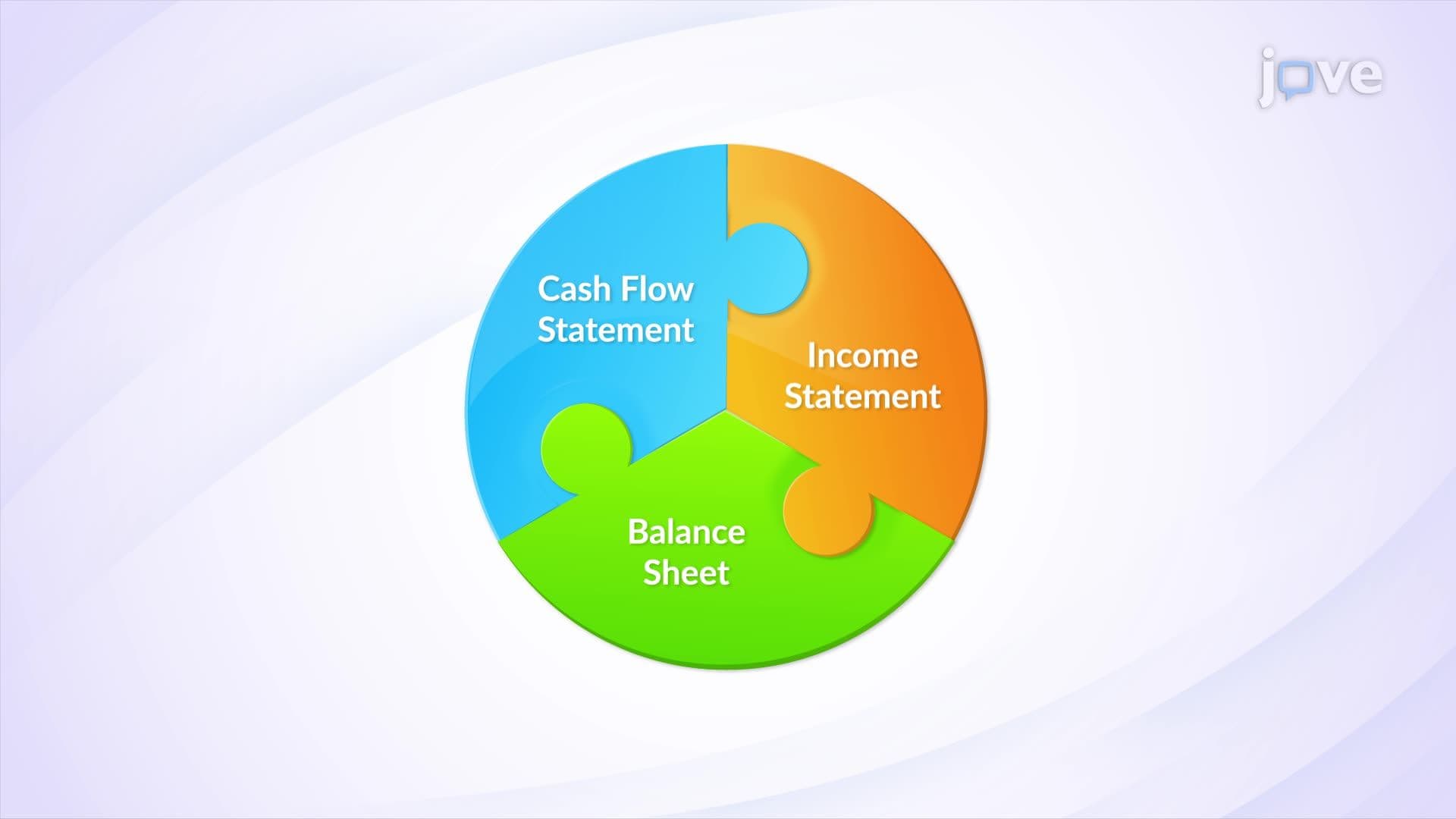
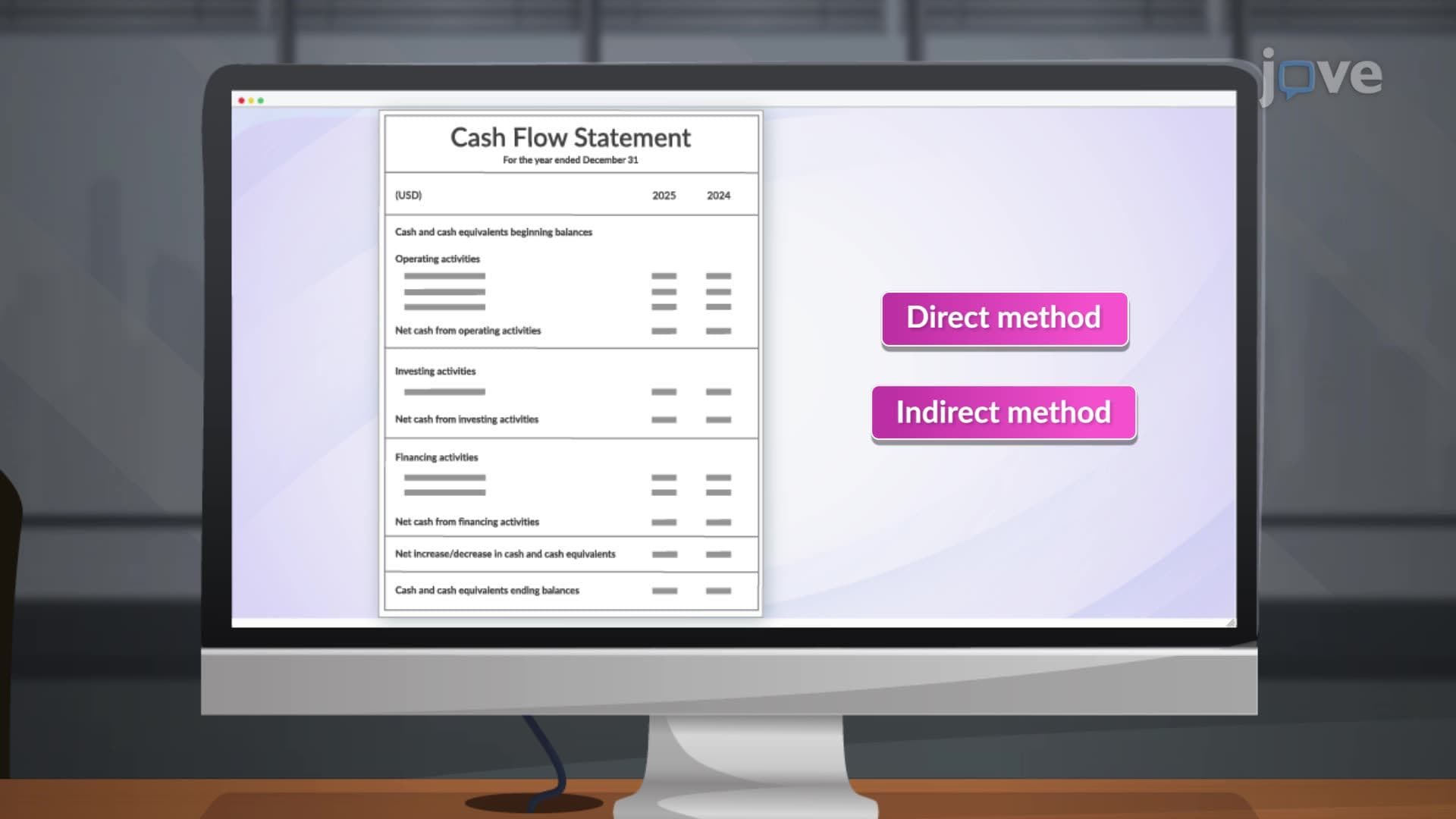
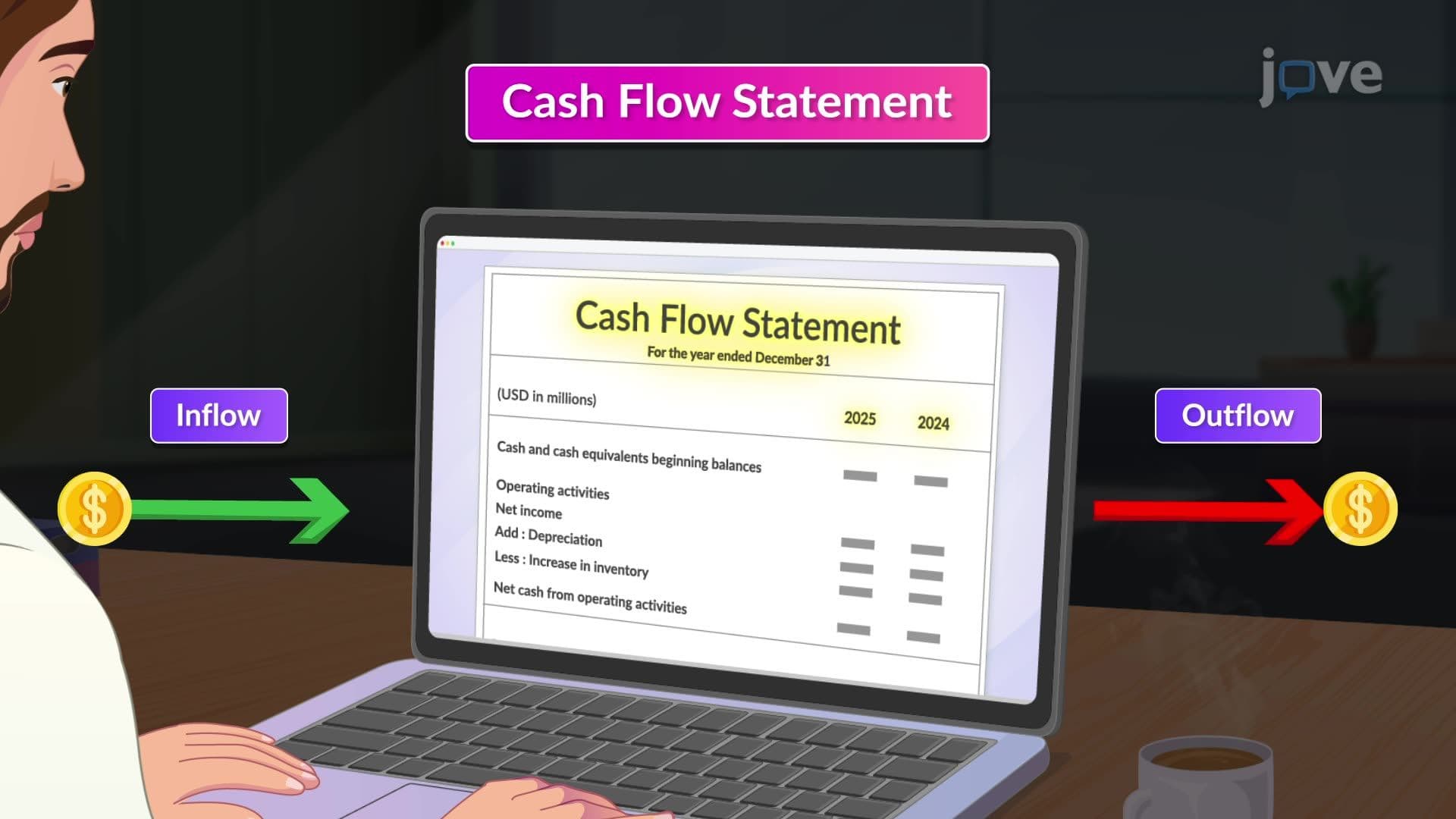
Most managers can follow a profit-and-loss statement intuitively, revenue comes in, costs go out. The cash flow statement feels less intuitive because it separates money movement into three distinct categories: operating activities (the day-to-day), investing activities (acquiring or offloading long-term assets), and financing activities (how the business funds itself structurally). The financing section is where the organization's capital strategy lives. Managers who skip it miss the full picture of financial health, and lose credibility in senior conversations.
The common mistake is treating financing activities as a finance team concern rather than a leadership context. In reality, understanding whether your company raised capital through new equity or took on long-term debt tells you something fundamental about expectations, pressure, and pace. If the business issued shares, investors expect growth. If it took on significant loans, there are repayment obligations that will shape future budget cycles.
Think of financing activities through a simple three-lens framework:
1. Capital Raising Lens, Inflows from issuing shares or borrowing signal that the business is investing in future capability. As a manager, this is the context behind new headcount approvals, technology investments, or market expansion signals.
2. Obligation Lens, Outflows from loan repayments or bond redemptions tell you the organization has structured financial commitments. This affects how flexible the budget really is. When senior leadership seems conservative on discretionary spend, this section often explains why.
3. Shareholder Return Lens, Dividend payments and share repurchases signal what the business is prioritizing: returning value to existing investors rather than reinvesting in growth. For managers making a case for new resources, this context is essential.
This mirrors how financial analysts apply the DuPont Framework, breaking performance into component parts to understand the full picture rather than reacting to a single number.
You don't need to build the cash flow statement yourself. What you need is the ability to read the financing section and ask the right questions. Before your next budget conversation or strategic planning session, pull the most recent cash flow statement and look at three things: What was the net change in long-term debt? Were dividends paid? Was any new equity raised?
Use these as anchors. If the business repaid significant debt while also paying dividends, the organization is in a de-leveraging, steady-state posture, ambitious resource requests will need very clear ROI framing. If new equity was raised, the business is in growth mode, that's the right moment to advocate for your team's investments.
This is the managerial application of cash flow literacy: not accounting expertise, but contextual intelligence that makes you a sharper, more credible voice in the room.
The most frequent mistake is conflating profitability with cash availability. A business can report strong net income and still face cash constraints, because profit is an accounting measure, while cash flow reflects actual money movement. Financing activities are one of three explanations for why these two numbers diverge.
A second mistake is treating the cash flow statement as a static snapshot rather than a trend document. One quarter of heavy borrowing means little. Three consecutive quarters do. Train yourself to look for direction, not just position.
Related Micro-courses